Fingerprint Sensors and Facial Recognition
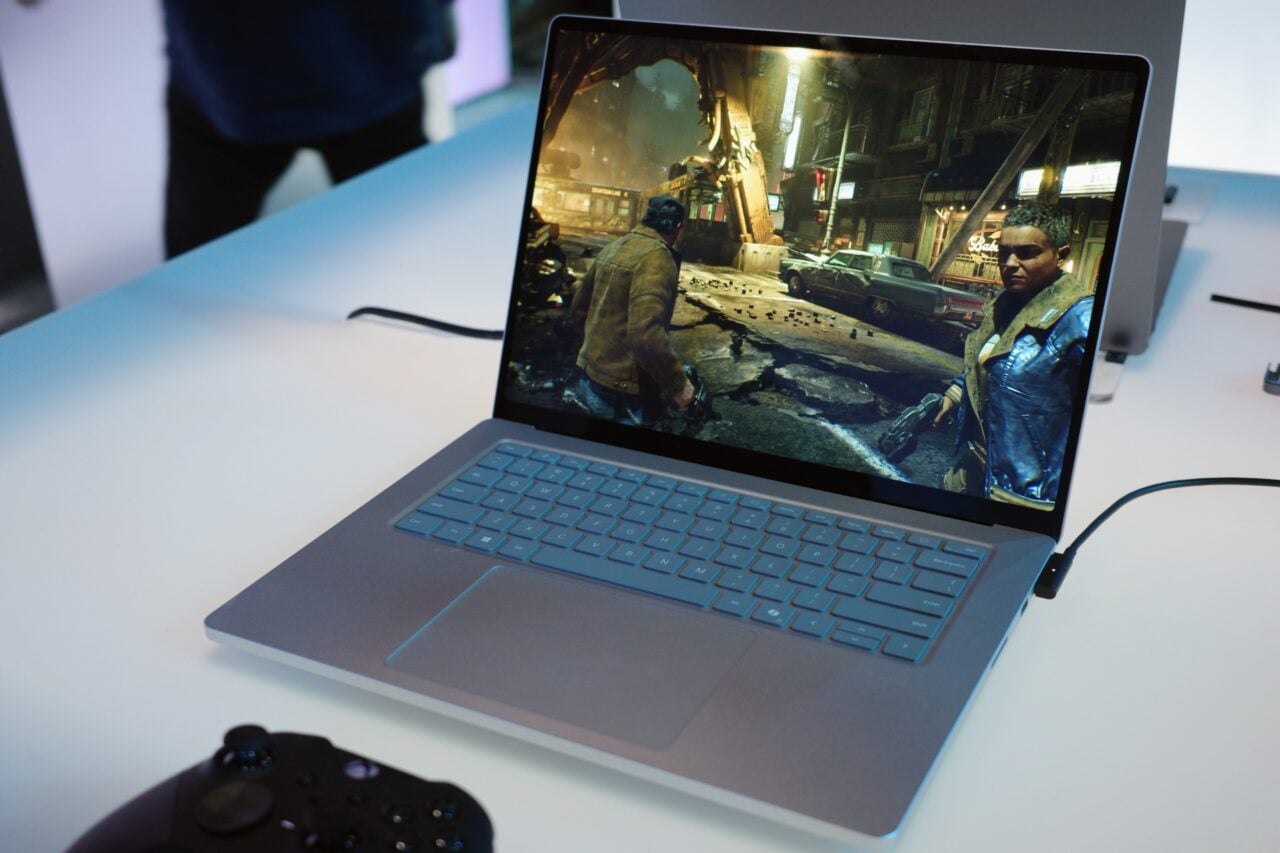
The Motorola Atrix was the first phone to come with a fingerprint scanner, beating Apple’s iPhone 5s to the feature by two years. And boy, what a phone it was. Nothing was conventional about the Atrix, including the fingerprint scanner, which was a small rectangular pad located at the top of the phone. But if you thought that was wonky, the phone’s main selling point was Lap Dock, a dummy laptop you would slot the Atrix into. Once connected, the shell of a computer would run Linux for browsing the web and doing netbook tasks, while your phone screen would be mirrored on the left-hand side of the 11.6-inch display.
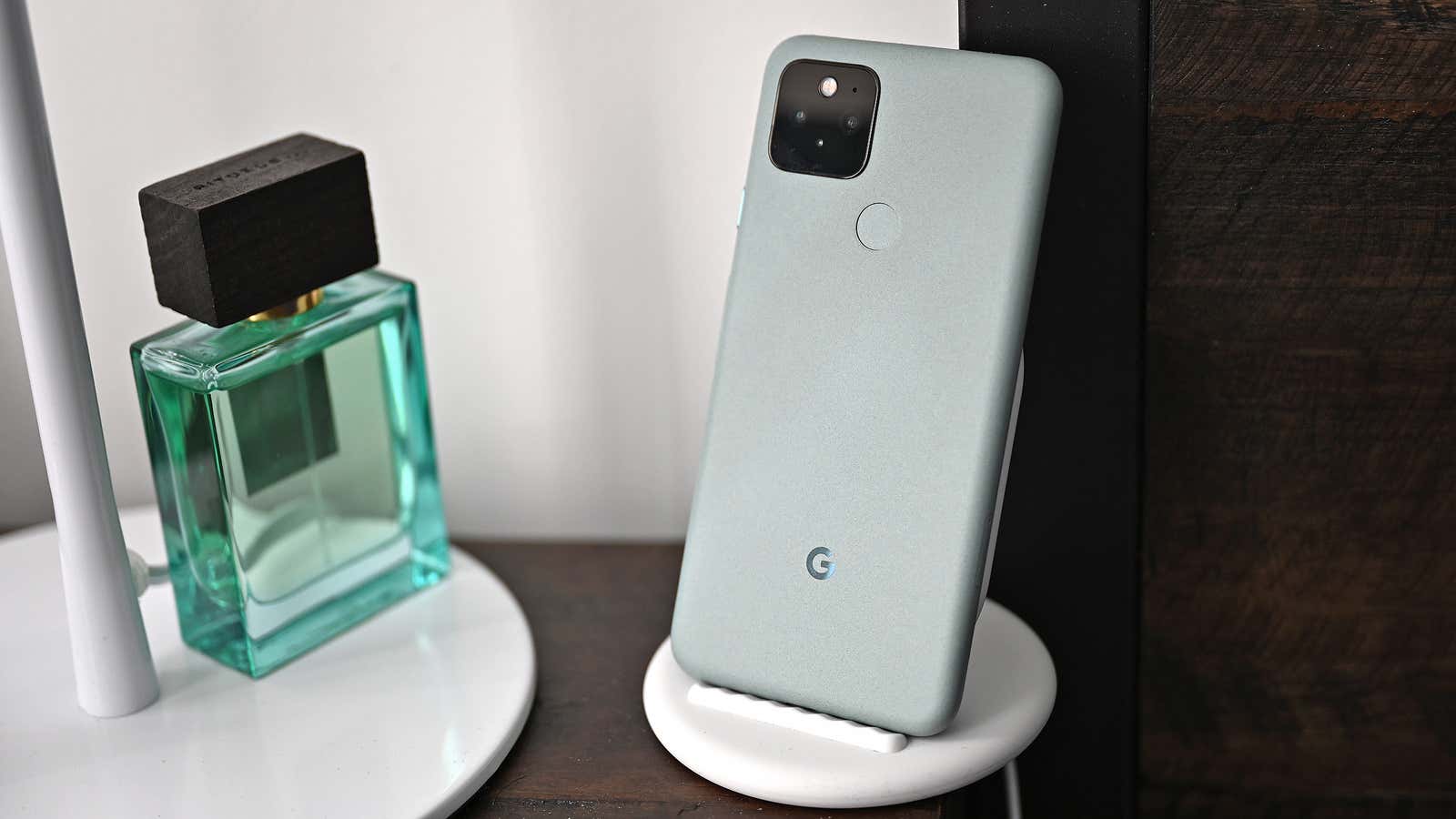
In any case, the Atrix introduced a feature that would move us closer to a world without passcodes and swipe patterns. It made logging into your phone nearly instantaneous and introduced another layer of security. Fingerprint sensors would become a standard feature across flagship phones and eventually be replaced or supplemented with facial recognition, which was introduced on Android 4 in 2011 but first popularized (and properly implemented) on the iPhone X in 2017. Today, many flagship phones have both face and fingerprint login, and the sensors for the latter are embedded underneath the screen.