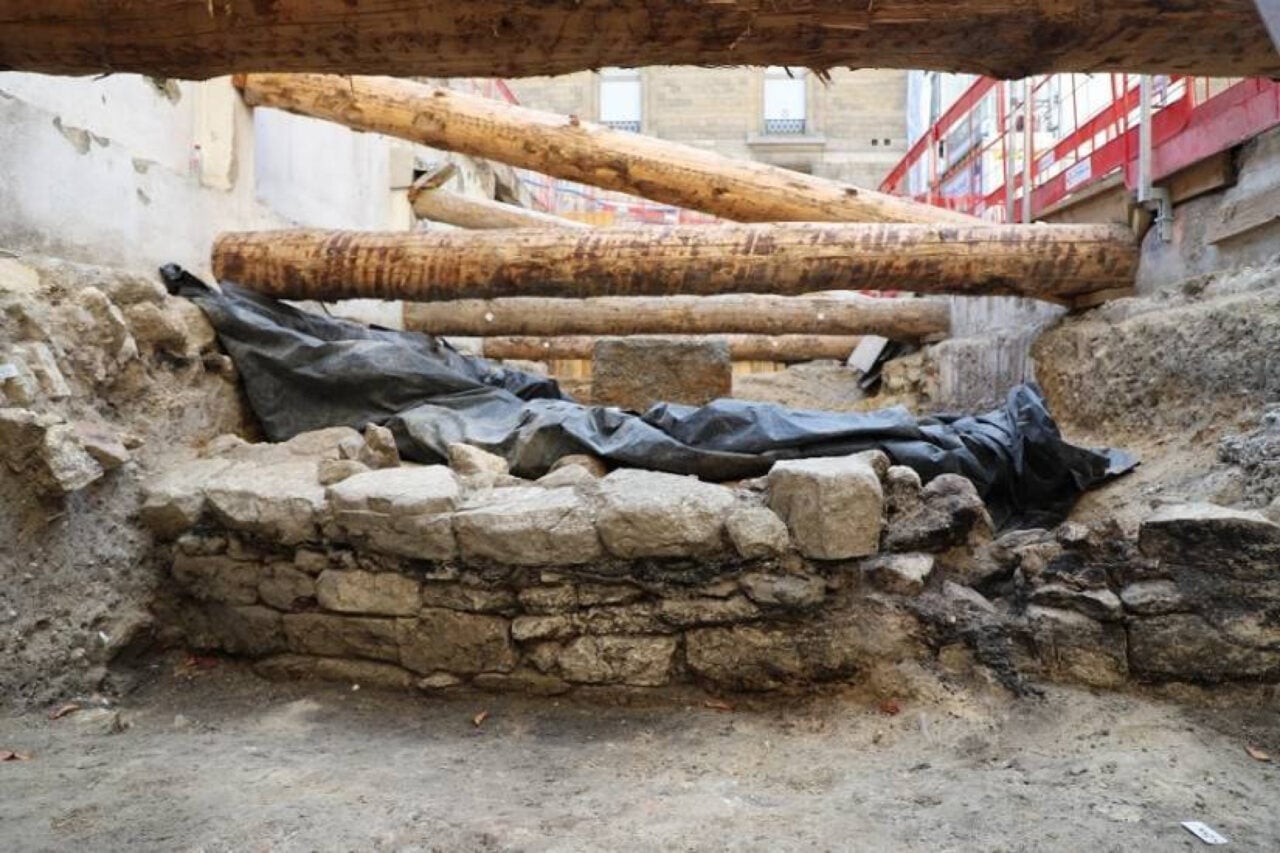
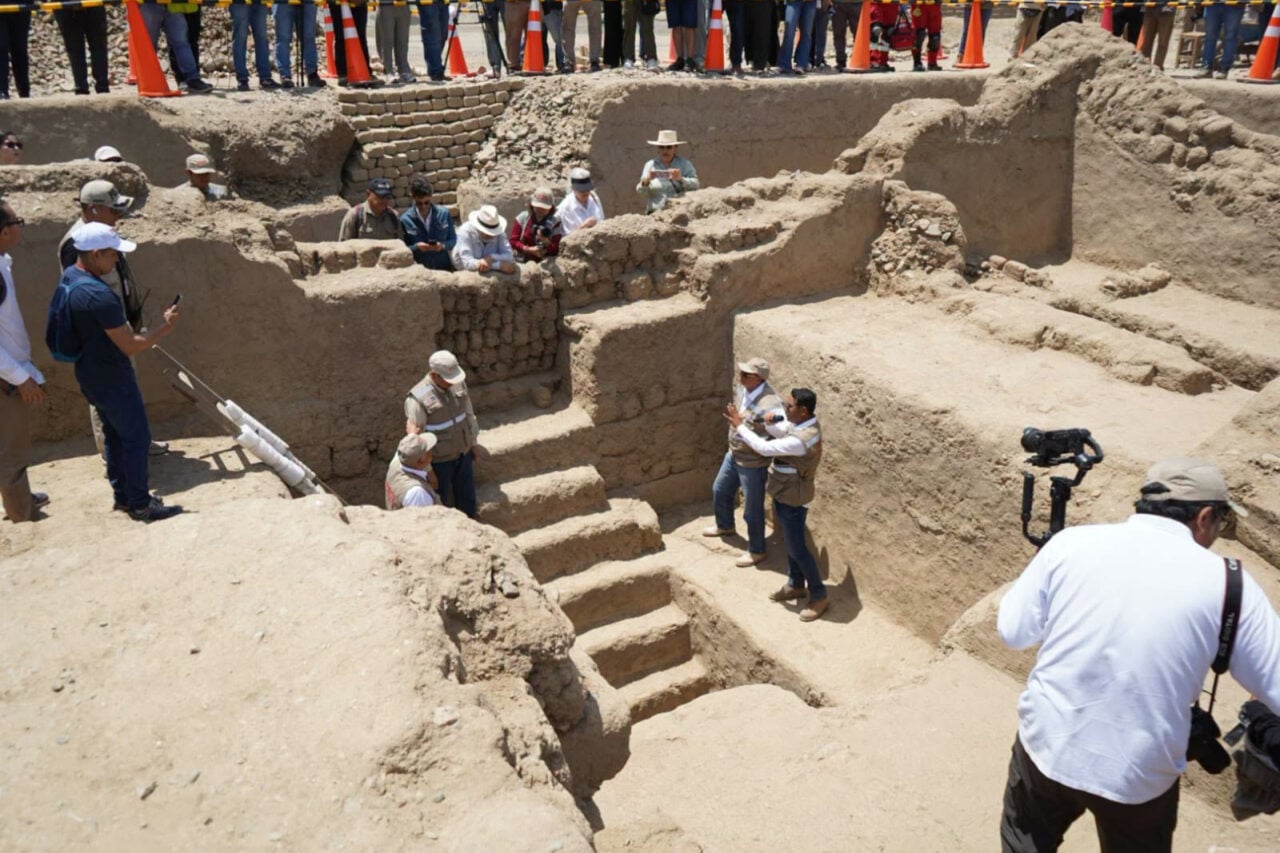
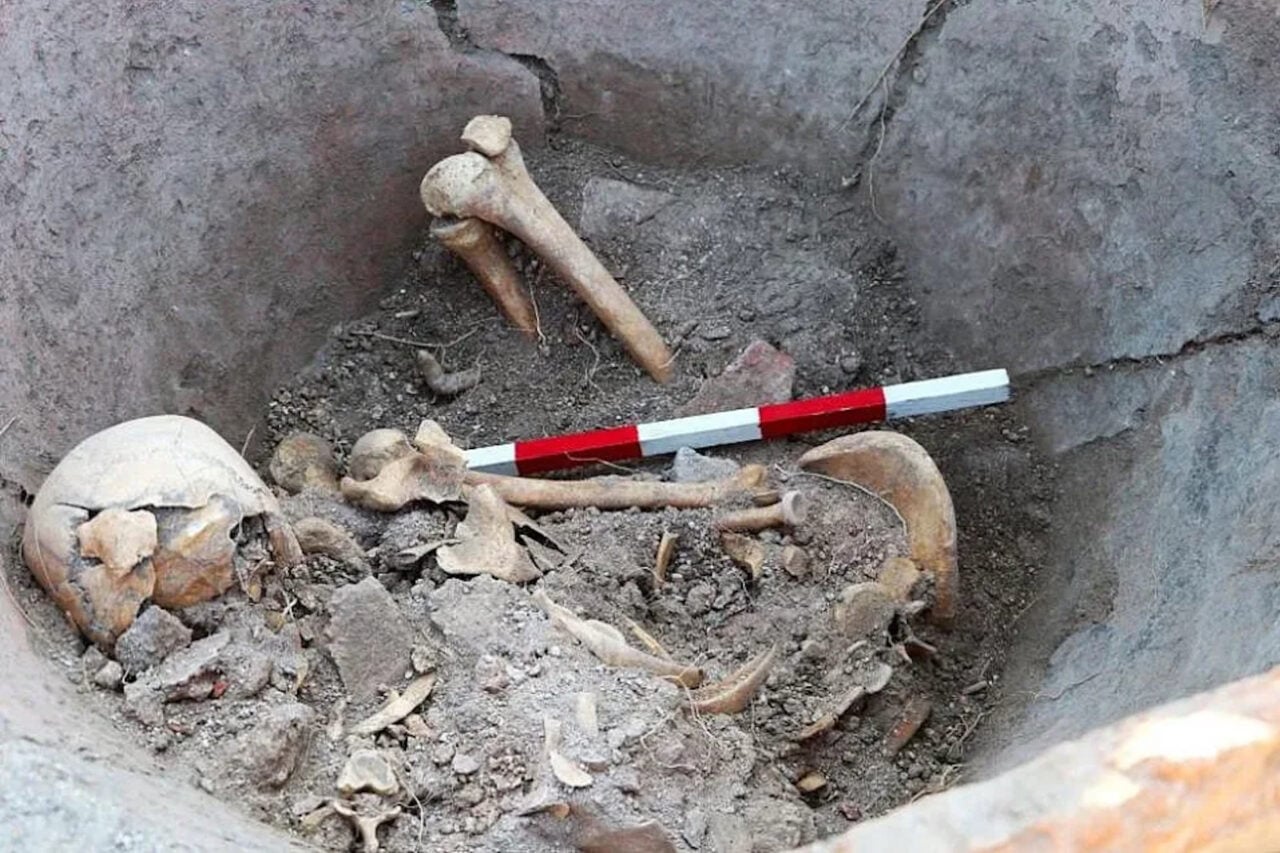
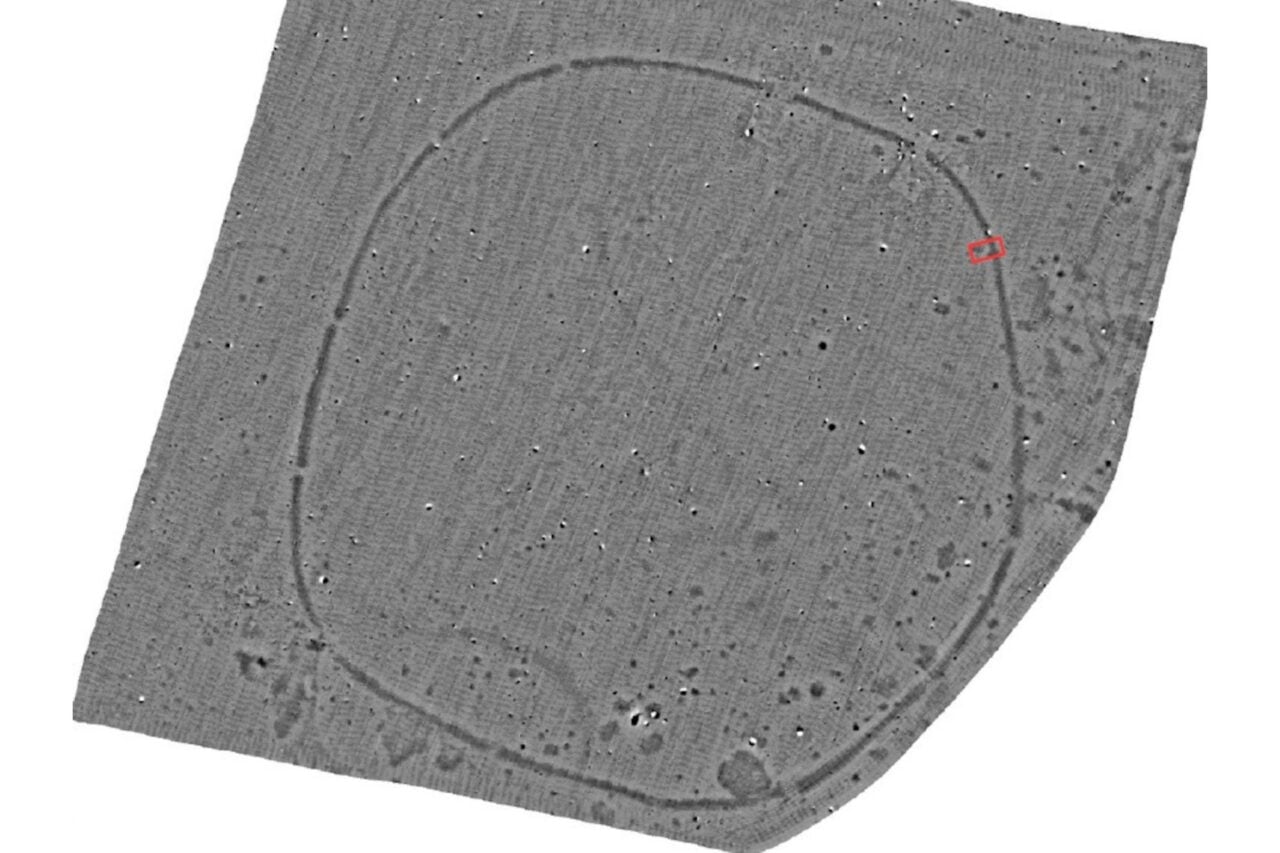
1,700-year-old ancient Roman burial grounds have come to light in southern France.
Researchers identify two pathogens in the remains of soldiers in Napoleon's army.
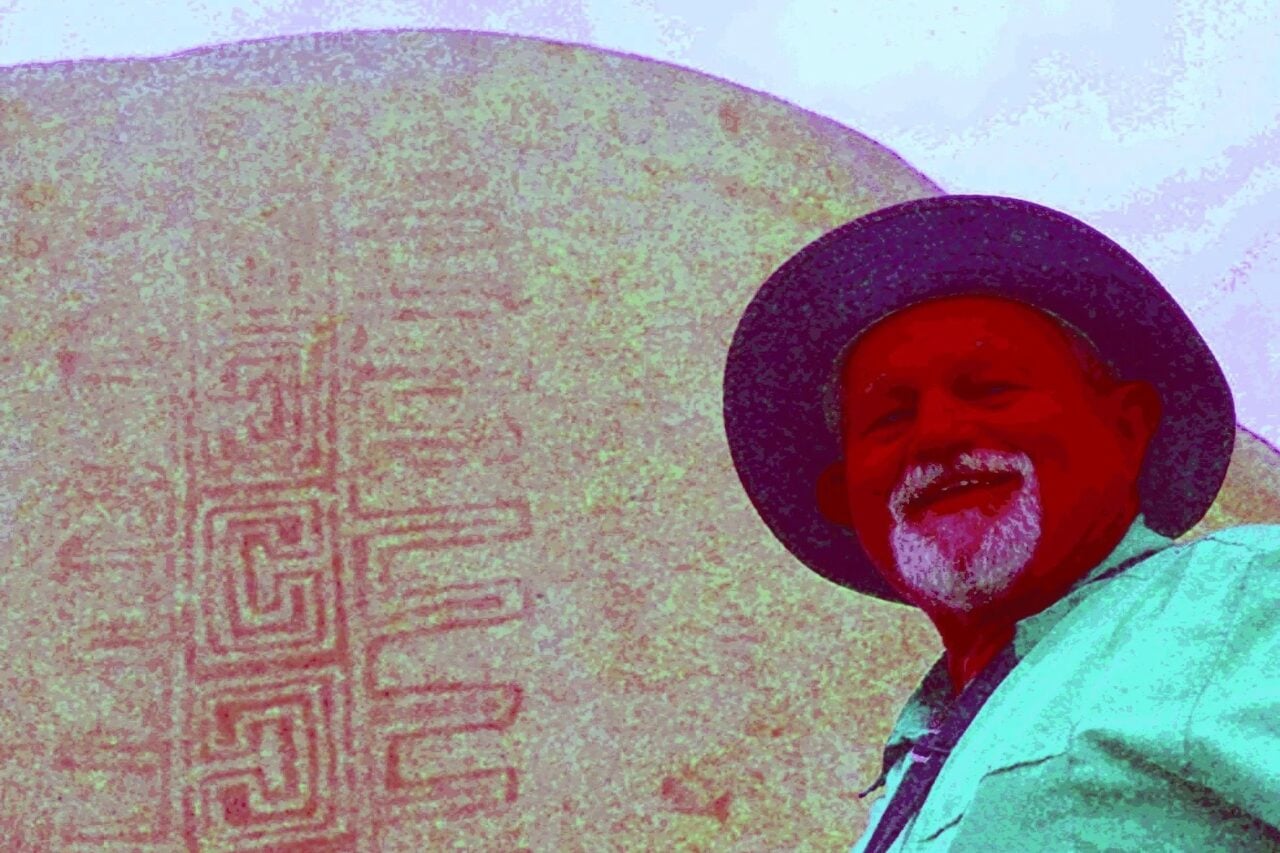
Acoustics were an important aspect of Incan architecture, according to a researcher.
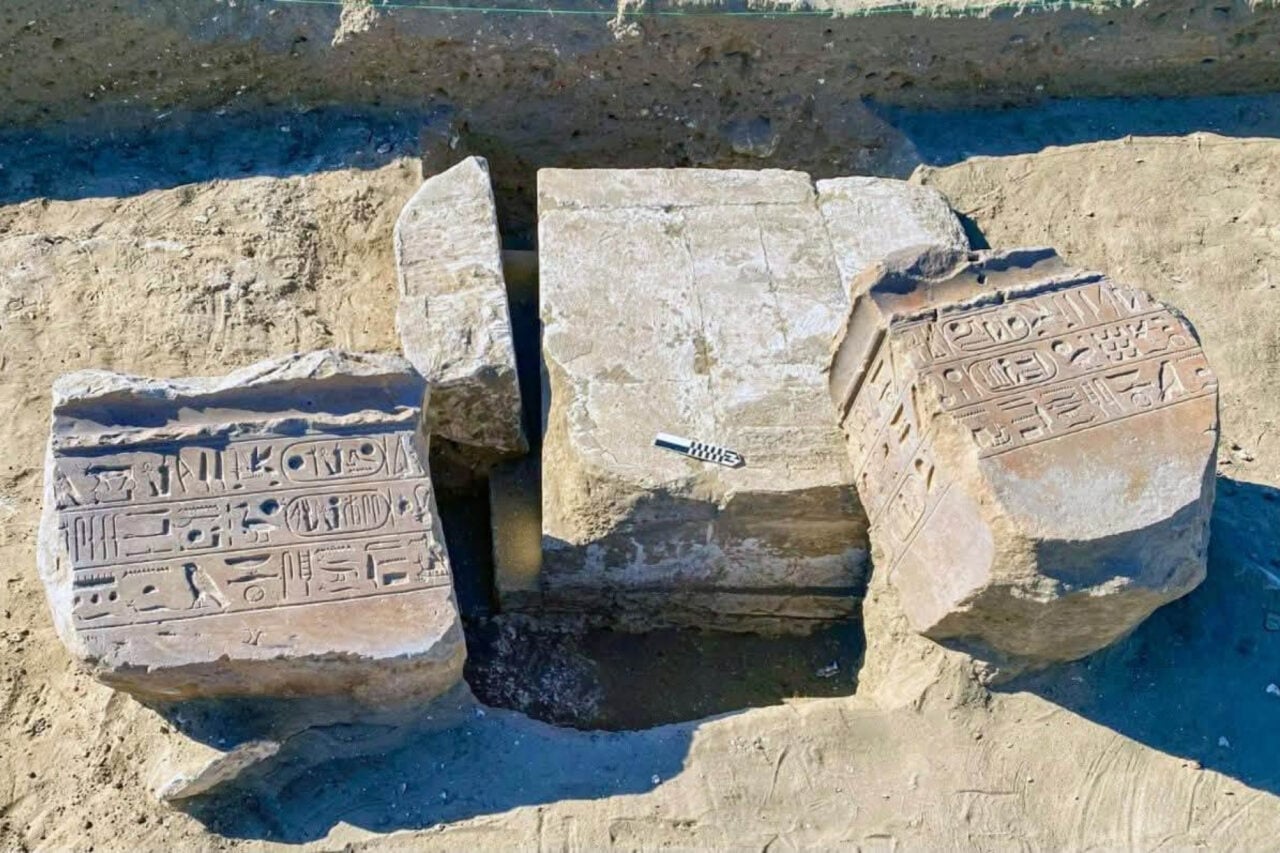
Homeowners found a marble slab carved with inscriptions while clearing out undergrowth in their yard. Turns out it was 1,800-years-old.
The number of diamonds will make you dizzy.
The "walking moai hypothesis" could end a long-time debate over how ancient engineers moved these iconic statues around Easter Island.
It turns out explorer Sir Ernest Henry Shackleton knew his vessel had shortcomings.
Not much is known about the mysterious, prehistoric Châtelperronian people, but they did leave behind some tantalizing clues.
King Hans of Denmark and Norway used the Gribshunden warship until it exploded in 1495.
Recently discovered stone tools in Turkey suggest the presence of a bygone landmass that early humans may have used to cross into Europe.
Researchers found significant similarities between prehistoric remains found in Southeast Asia and modern smoke-dried mummies in New Guinea.
There is mounting evidence that after the Romans left Britain, the region's economy didn't suffer as badly as once thought.
Researchers investigated giant prehistoric trash piles to reveal where animal remains came from.
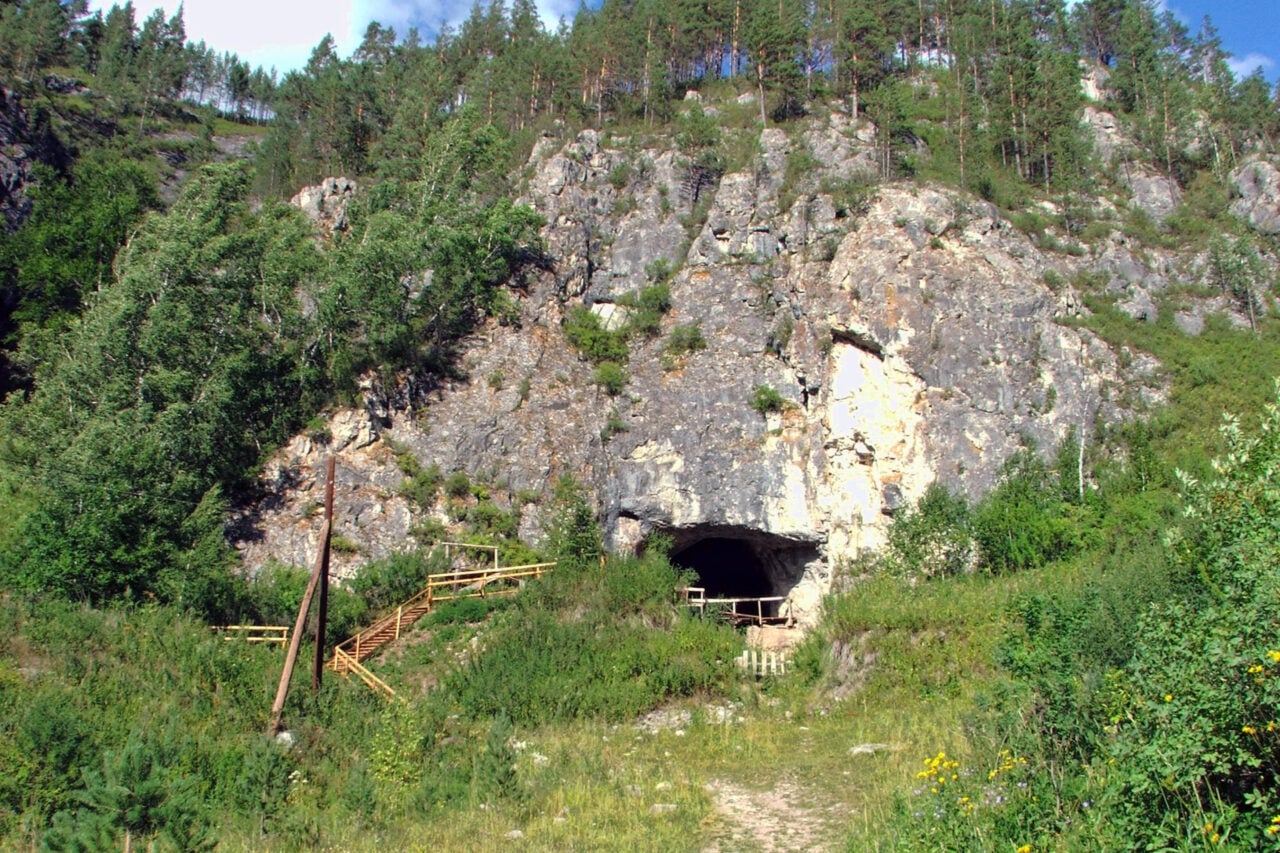
Scientists suggest it may be the remains of a prehistoric hominin that walked alongside Neanderthals hundreds of thousands of years ago.
Researchers analyzed the City of Bridges' most famous icon and compared it to statues from China's Tang Dynasty.
It seems like braided bears were all the rage at the end of the first millennium.
Researchers have compiled "murder maps" of London, Oxford, and York to investigate the spread of medieval violence.
Researchers believe it's the remains of La Fortuna, a ship involved in a failed Spanish raid.
A set of teeth discovered in Ethiopia likely belonged to a previously unidentified species of early human-like ancestors.
A new study challenges widespread notions about khipus, intricate cord and knot information-recording systems, based on Spanish colonial-era sources.