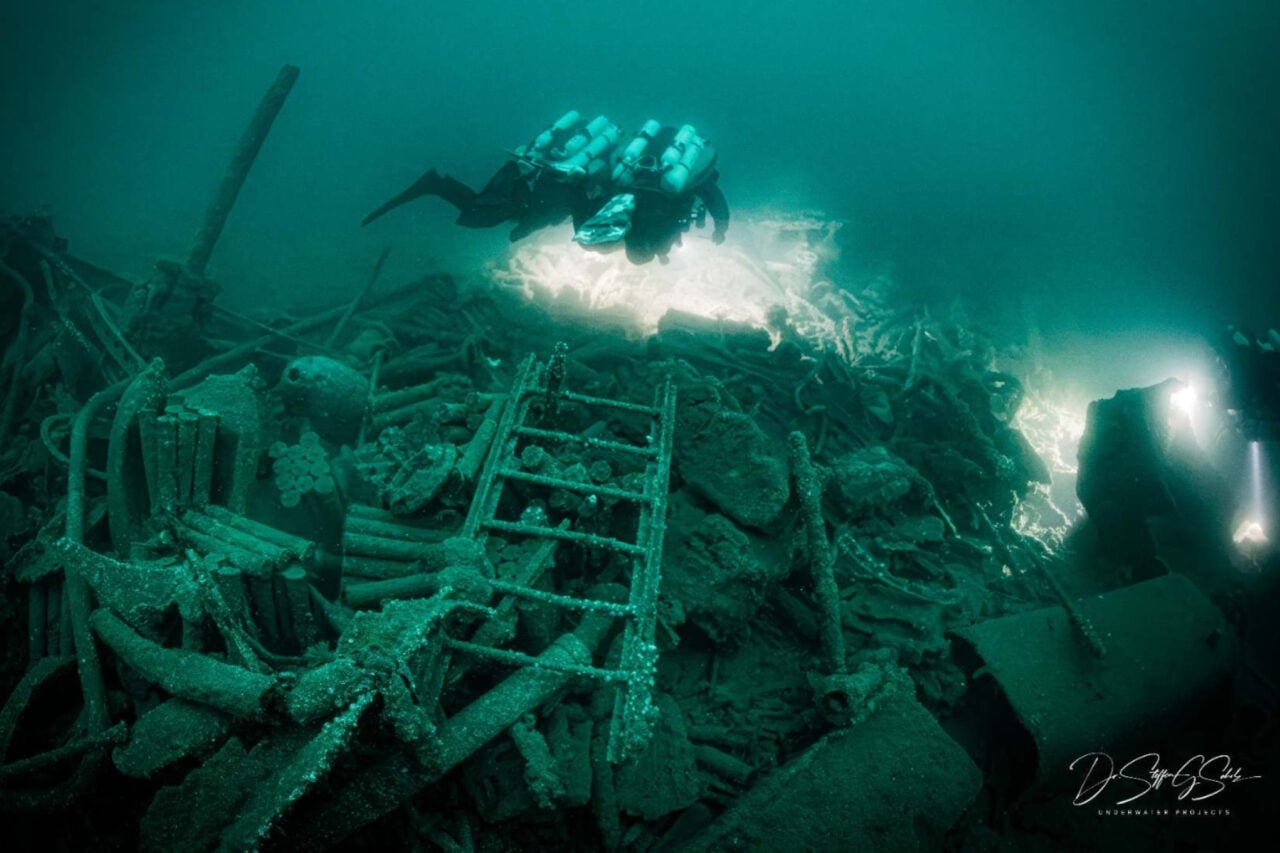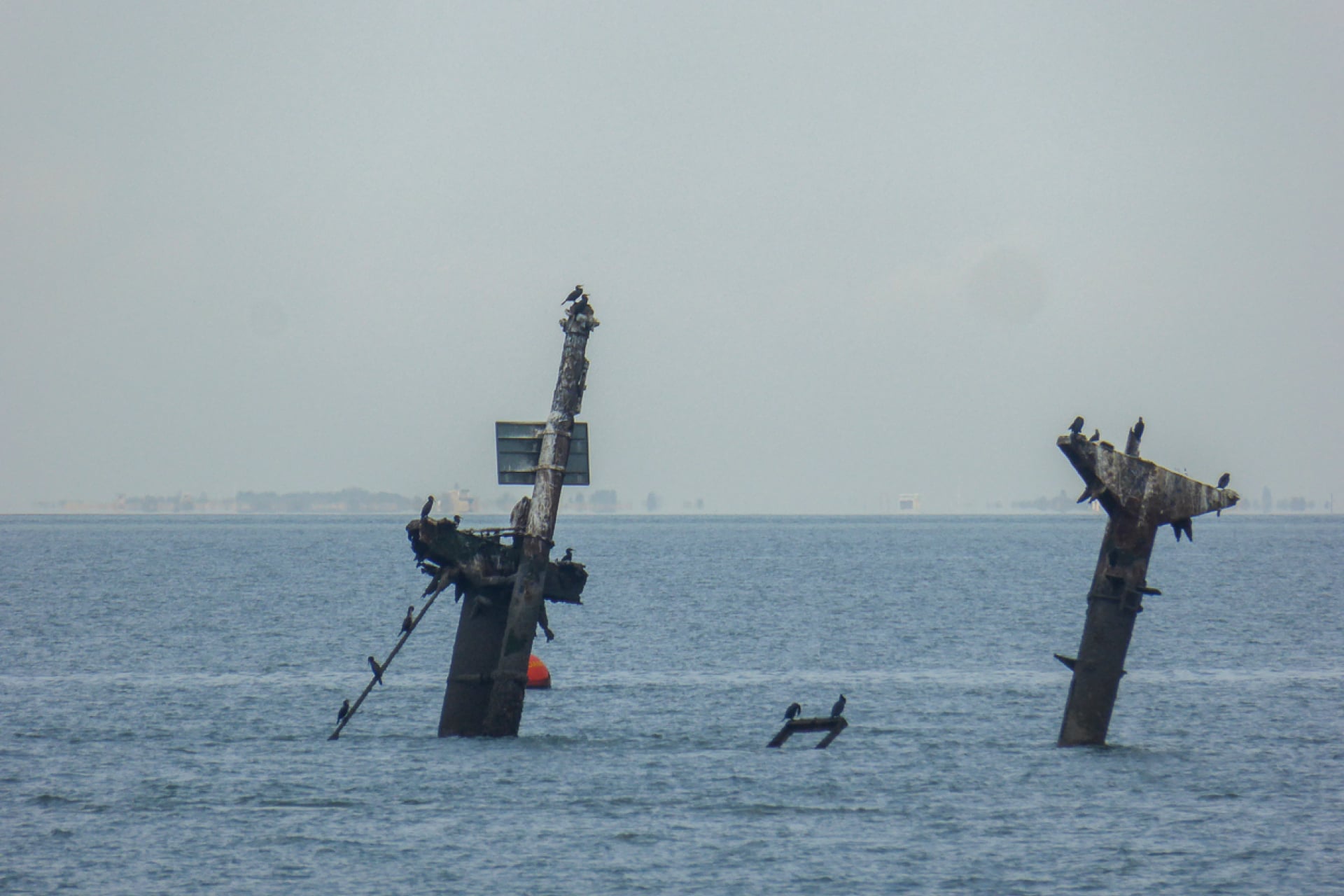
Now, I’m no explosives expert. But if I knew there were about 1,400 metric tons of explosives sitting at the bottom of the Thames Estuary, I’d want to fish them out as soon as possible. In any case, I’d definitely not want to leave them there for eight decades—then again, maybe that’s why I’m not an expert.
The U.K. government has taken steps to remove parts of the SS Richard Montgomery, a World War II-era cargo ship that sank in the Thames in 1944. In a written statement to Parliament, the U.K. Department for Transport reported that engineers successfully retrieved the ship’s three masts. According to the statement, the masts were removed after expert advisors warned in 2020 that their weight was putting strain on the deteriorating ship, raising the possibility of some unfortunate outcomes. But approximately 13,700 explosive devices on the ship are still very much at the bottom of the Thames Estuary.
“The vessel was starting to lean and deteriorate, so they could see some of the structures around the mast starting to collapse,” Nolan Conway, an architect with the marine salvage firm Resolve Marine Group, who was contracted for the initiative, told CBS News. “The fear is the masts could have fallen onto the cargo itself, causing it to detonate.”
82 years of watching
The SS Richard Montgomery, built in 1943 at Jacksonville, sailed to the U.K. with some 7,000 tons of ammunition onboard. The plan was for the ship to anchor near the town of Sheerness after passing through the Thames Estuary, but the ship dragged its anchor and ran aground on a sandbank. Although the crew managed to unload around half of the cargo, a crack in the hull ultimately caused the ship to sink.
For decades, authorities appear to have straddled the line between inaction and indecision when dealing with the ship, as per a 2004 report by New Scientist. The magazine’s investigation, based on insider interviews and declassified government documents, explained that the bombs are watertight but the fuses aren’t. So, if seawater gets in, even one exposed fuse may set off a devastating explosion—and the government has allegedly known about this since 1967.
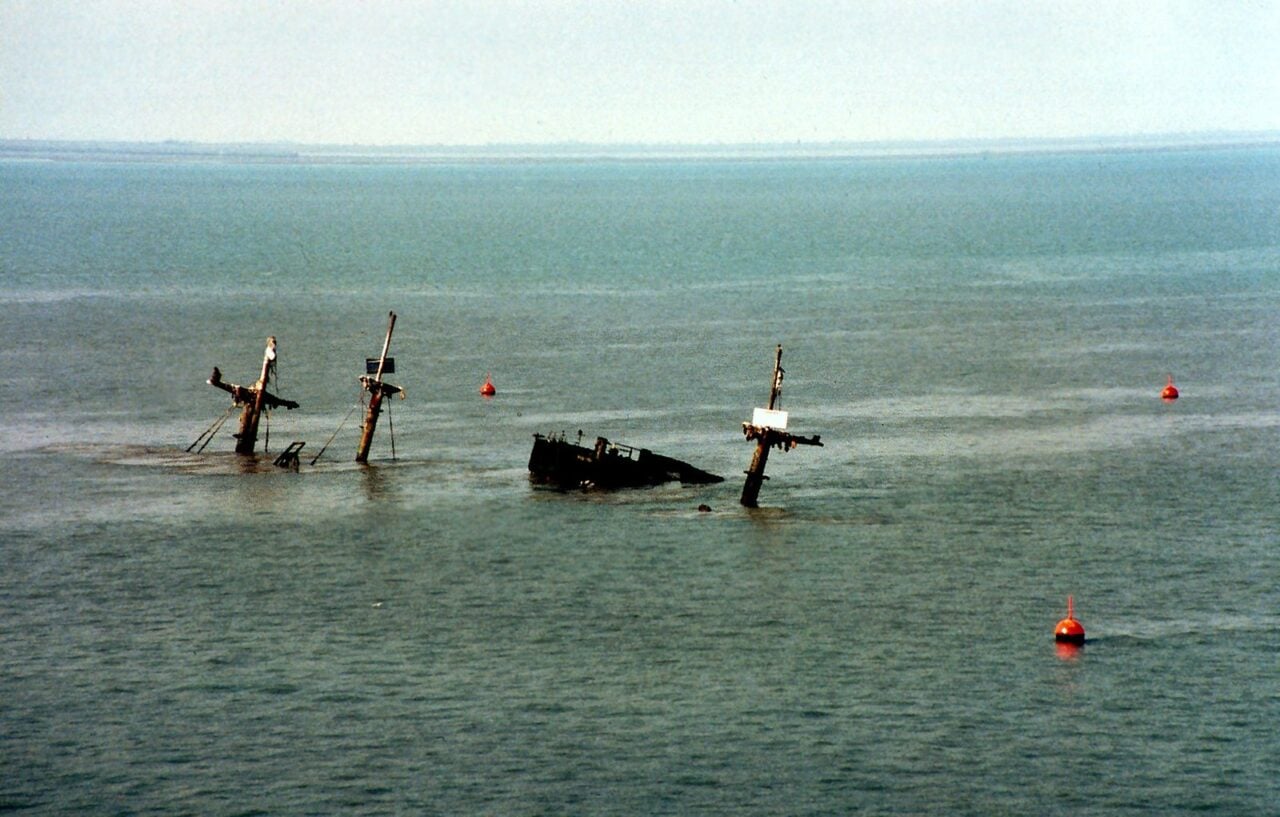
In the worst-case scenario, the blast would “shatter almost every window in Sheerness” and send a giant column of water, mud, metal, and munitions 1.8 miles (3 kilometers) up in the air, according to the report. But there’s still a good deal of uncertainty surrounding the true nature of the risk, as David Alexander, an expert in emergency planning at University College London, explained in a 2019 paper assessing the wreck.
That conclusion mirrors what Michael Fellows, an ex-Royal Navy expert in the disposal of submerged explosives, told New Scientist in 2004: “You need a bloody good survey in the first place by someone who knows what they’re looking at.”
Good ol’ Monty
Experts had previously made suggestions, such as burying the wreck in sand or concrete or building a protective ditch around the wreck, then removing the cargo in fragments. Evidently, none of that has happened. And so, until now “Monty, as the locals call her,” had stood as a “kind of war memorial” for both local communities and tourists, according to an article on the latest initiative by The Washington Post.
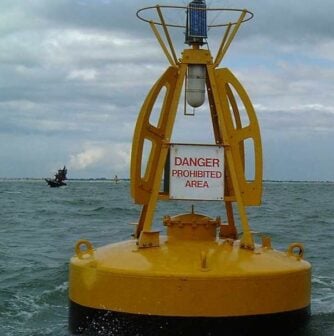
To the Post, Conway explained that cutting the masts required a lot of special tools and extra caution when approaching the wreck. For instance, they chose a diamond wire saw for the job, as it produces less vibration. The divers took turns and tiptoed around the fragile deck of the ship. According to Conway, the masts were surprisingly well-preserved, but the structures surrounding them were “paper thin.” In other words, as experts suggested, the ship is growing frailer by the day.
The masts have been taken to the Historic Dockyard Chatham, a maritime museum in Kent. And, apparently, that’s it. The statement to Parliament didn’t mention any future plans, just that authorities will continue to monitor the site. Oh, and the restrictions on flying near the site are still in place, too. So for now, it seems Sheerness residents will be able to enjoy Monty’s neighborly presence some more.