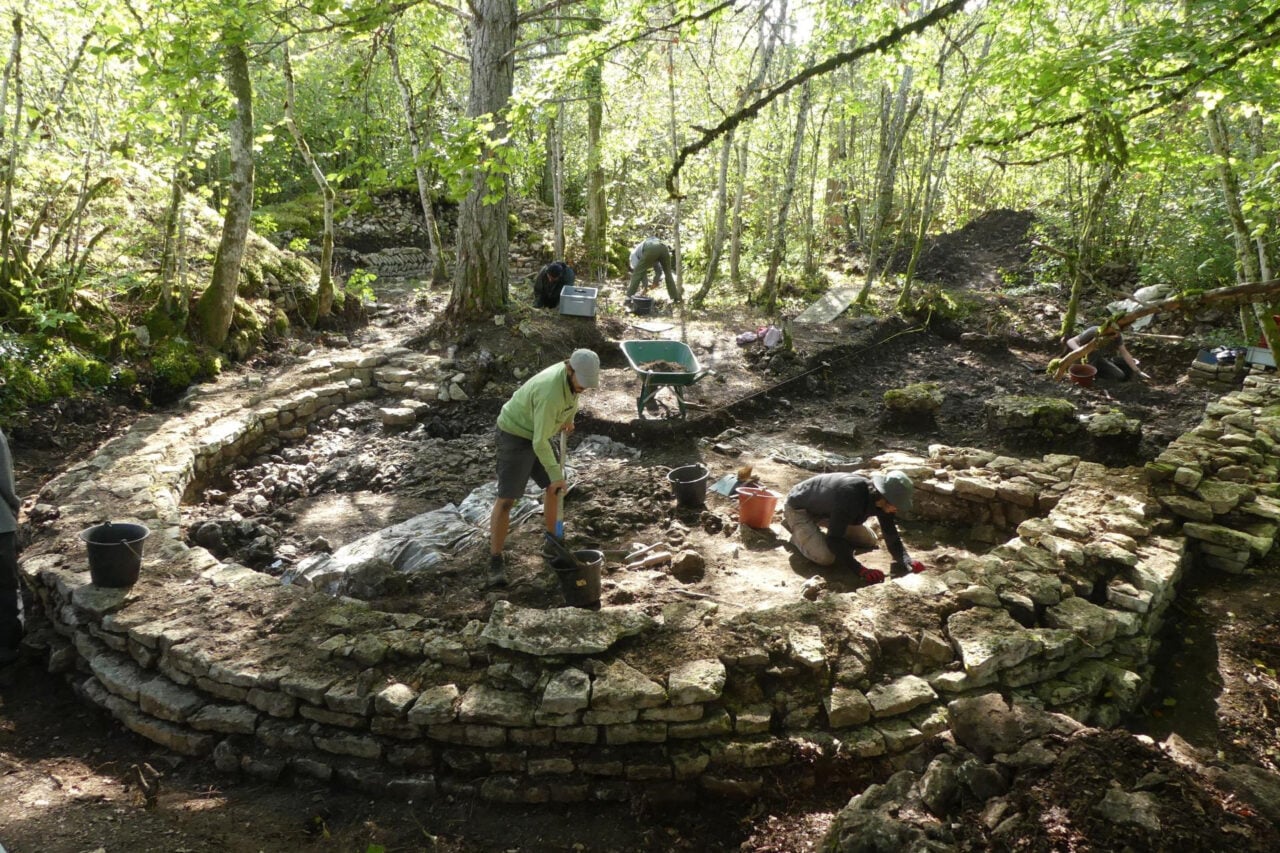
Since 1966, Geumseong Mountain has served as a strategic post for the South Korean military’s air defense forces. But in recent years, authorities have been removing landmines to reopen the premises for civilian hikers—a decision that’s led to a landmark discovery for military history
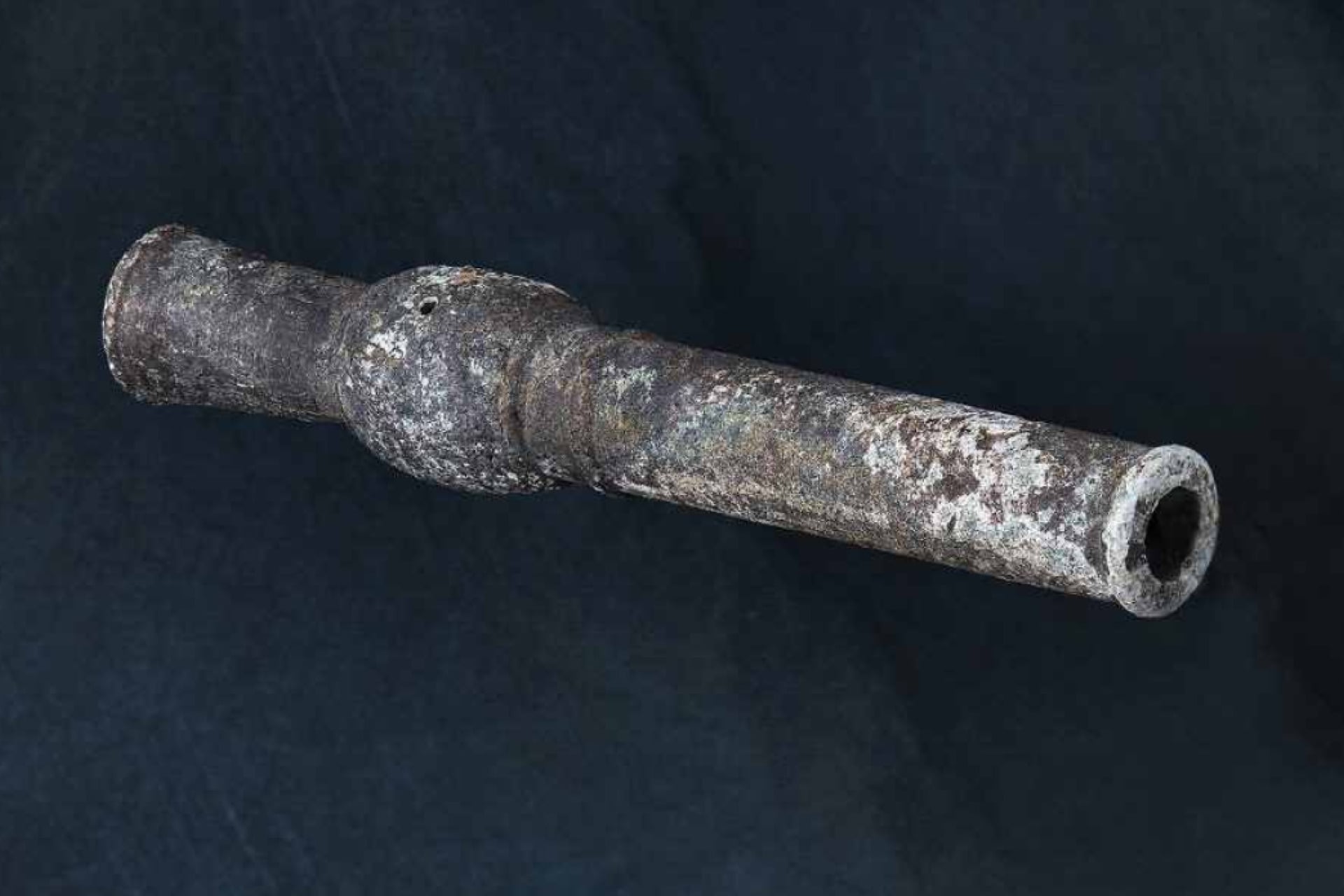
In 2023, the ring of a landmine detector stopped Korean soldiers in their tracks. When they dug the ground to retrieve a landmine, however, they instead found a small firearm, at roughly 9 inches (23.8 centimeters) and weighing about 2.3 pounds (1 kilogram). The squad then contacted experts with the National Institute of Cultural Heritage at Naju, a city in southwestern Korea nearest to the mountain. Archaeological analysis revealed that the weapon was a “Hwangja Hwatong,” an early type of gunpowder weapon from medieval Korean history.
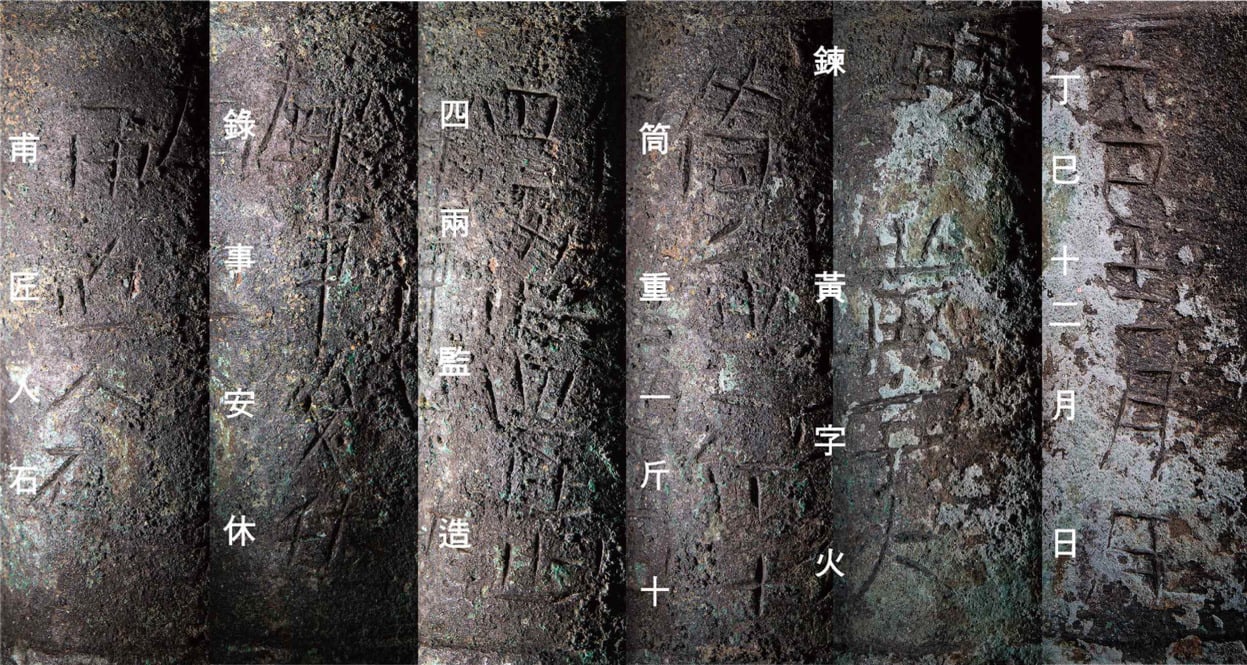
If the team’s interpretation of 28 inscriptions on its body is correct, the weapon appears to have been crafted either in 1377 or 1437. This would make it among the earliest firearms discovered in Korea’s archaeological record, according to a statement by the Korea Heritage Service (self-translated).
Literal weapon TMI
If you’ve ever studied Korean history, you may know that Koreans had a thing for writing everything down. Apparently, firearms were no exception. According to the statement, the body and gunpoint of the weapon display 28 letters that denote its name, weight, serial number, who manufactured it and when, and the name and status of the official overseeing the initiative. “Hwangja (황자, 黃字)” refers to a method of classification used in the Koryo and Joseon dynasties, whereas “hwatong (화통, 火筒)” is a small firearm that uses gunpowder to release arrows or bullets.
“Geumseong was a strategic defense point against the Wokou [Japanese pirates], who would travel upstream from the south and loot local granaries,” Changseon Eo, a researcher with the Naju institute, told Chosun Ilbo, a Korean news outlet. The pirates were a major reason behind efforts to establish a department dedicated to firearms in 1377, and records indicate their invasions were still an issue in 1437.
Before the reformation
Both dates are consistent with possible interpretations of the age of the weapon. The inscriptions refer to the “12th year of Jungsa (transliteration: fire snake),” which could either mean 1377 or 1437. The two dates represent two different eras, the Koryo and Joseon dynasties, and the researchers admitted there currently isn’t enough comparable evidence to decide the actual date of manufacture.
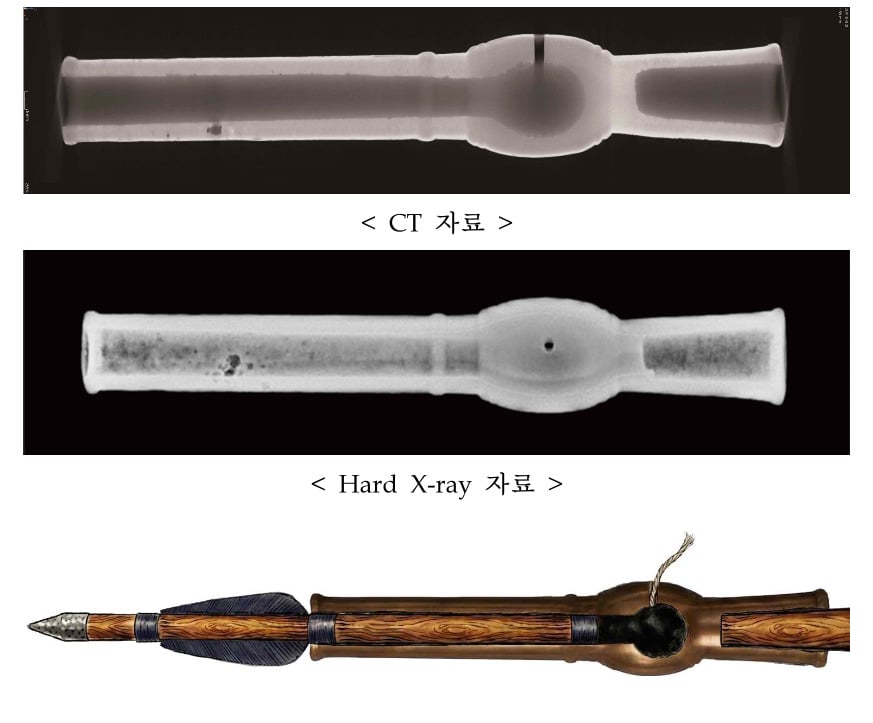
However, and importantly, both dates precede 1445, which was when firearms in medieval Korea experienced a significant shift in design. The weapon has a round casing for both gunpowder and the projectile, which is consistent with records of firearms before technological advances in the mid-15th century. The body is mostly copper, tin, and lead, although small inclusions of phosphorus, silicon, and silver show the limitation of metalworking from the era.
“This is the oldest known firearm with inscriptions of the manufacture date and with a clear discovery location,” Sanghun Lee, a former vice director of the Korea Army Museum, told Chosun Ilbo. “It represents a critical source for filling in the gaps present in early Korean military history.”
Hwangja Hwatong will be on public display at the National Palace Museum of Korea in Seoul from September 23 to November 22, 2026. Naju’s National Institute of Cultural Heritage plans to share further information as the team continues to investigate the artifact and its location of discovery.