A member of NASA’s safety panel casually dropped that SpaceX’s plan to bring astronauts back to the Moon requires topping-off an orbital fuel depot nearly two dozen times for just one mission.
A new archaeological study has determined that a 4th century, Roman-era coffin buried at Westminster Abbey was curiously recycled by monks during the medieval era.
Medical researchers in Washington state are tracking an unusual spike in H1N1 flu cases, aided and abetted by a new mutation that protects the virus against some preexisting antibodies.
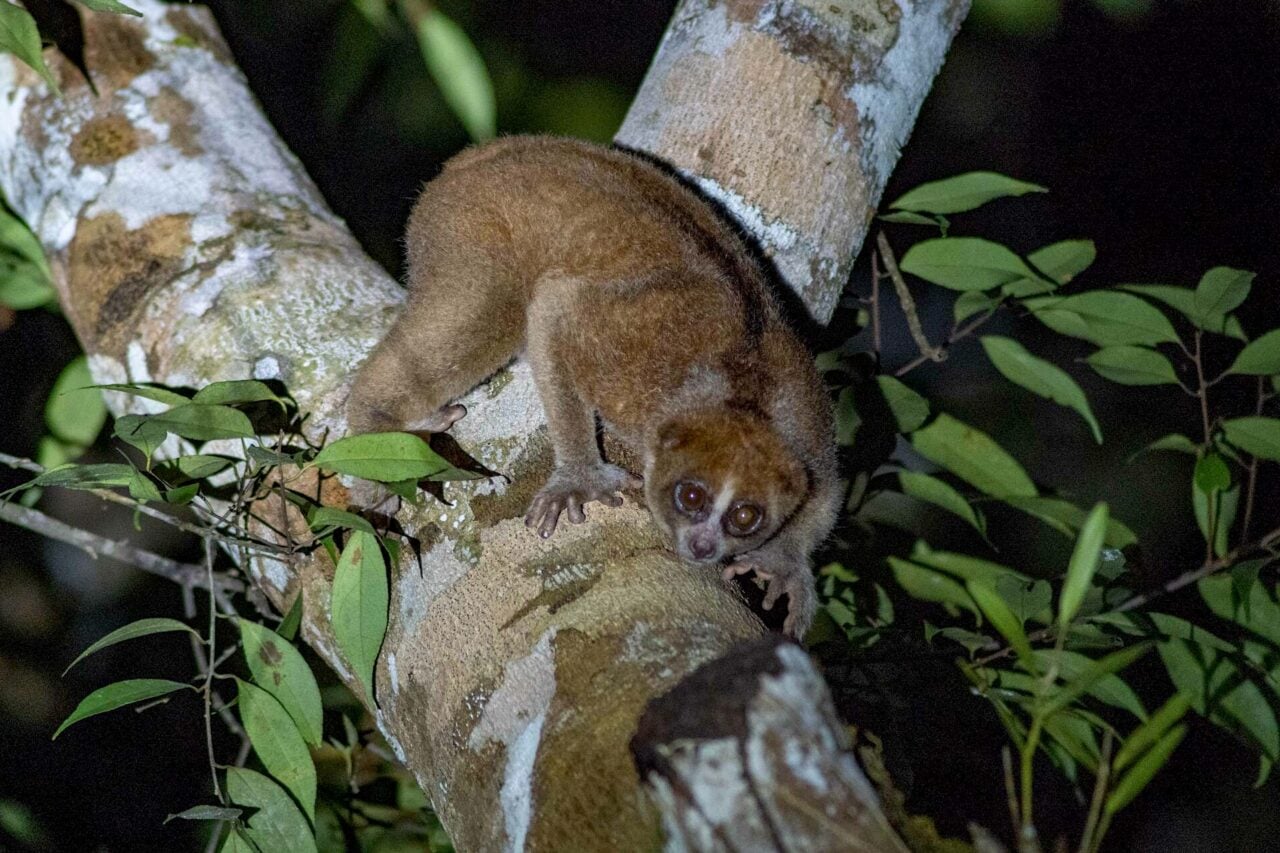
Scientists working with Indonesia’s Alobi Wildlife Rescue Center have confirmed that the critically endangered Bangka slow loris—while excellent at hiding—is very much not extinct yet.
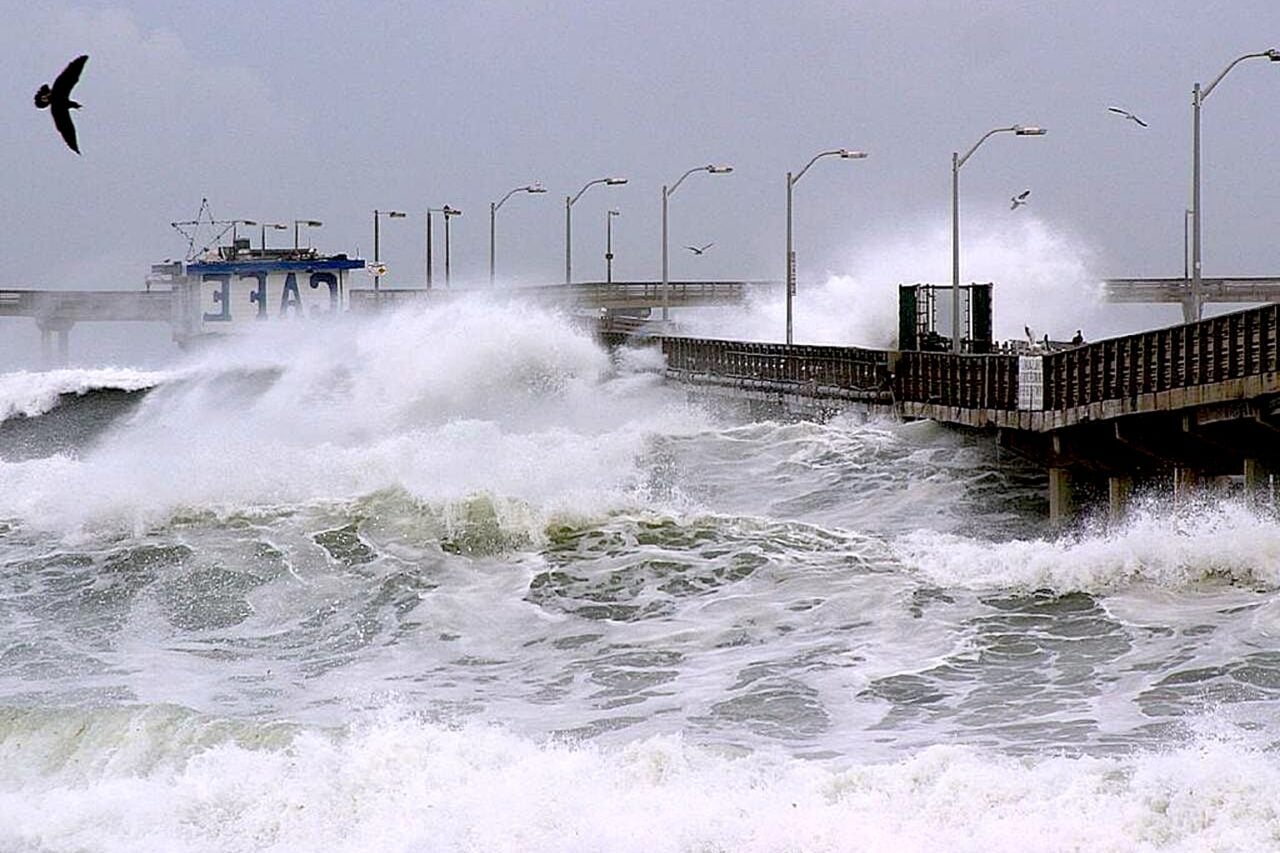
Climate scientists warn that the heat expansion already raising some Pacific sea levels by 1.3 feet this El Niño season will become even more deadly thanks to the Moon itself.
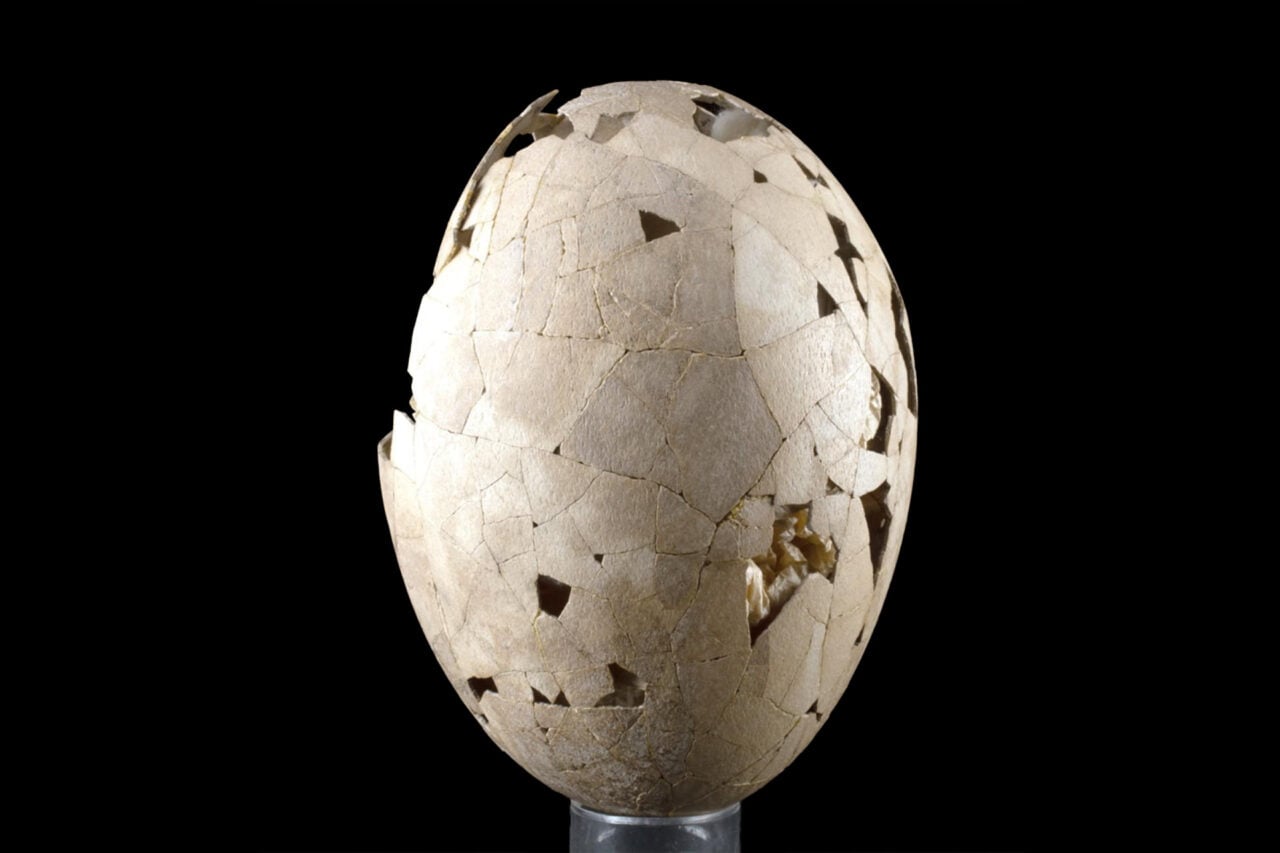
The Lord of the Rings filmmaker helped acquire the rare moa egg, one of less than 40 known to exist, after a gallery in Colorado put the ancient specimen up for auction this June.
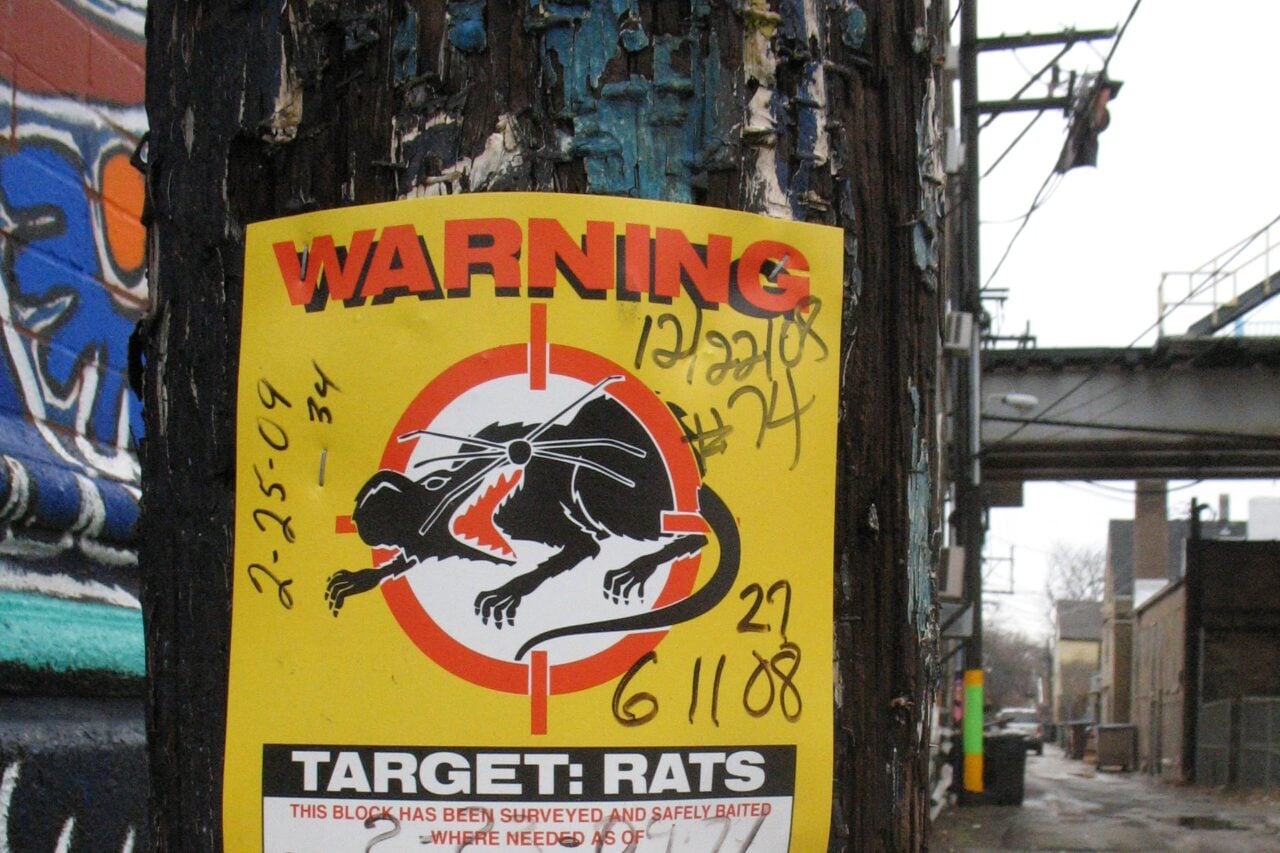
Researchers at the University of Minnesota managed to freeze test pig kidneys down to -238 degrees Fahrenheit (-150 degrees Celsius) with minimal damage to their vital functions.
Stanford researchers confirmed that contact with healthy coral can revive bleached coral in as little as eight weeks.
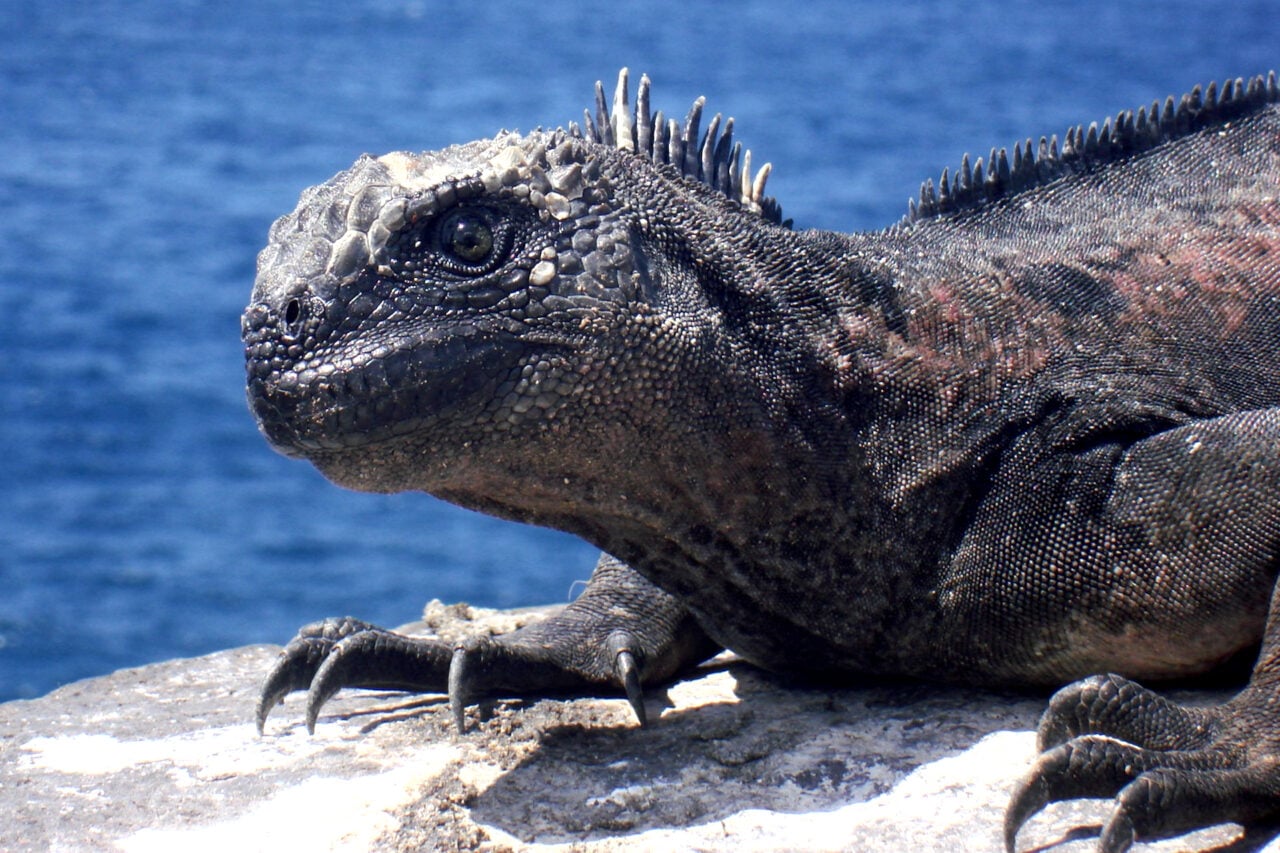
More than 48 Galápagos marine iguanas have been seized from wildlife traffickers passing through Ecuador since May.
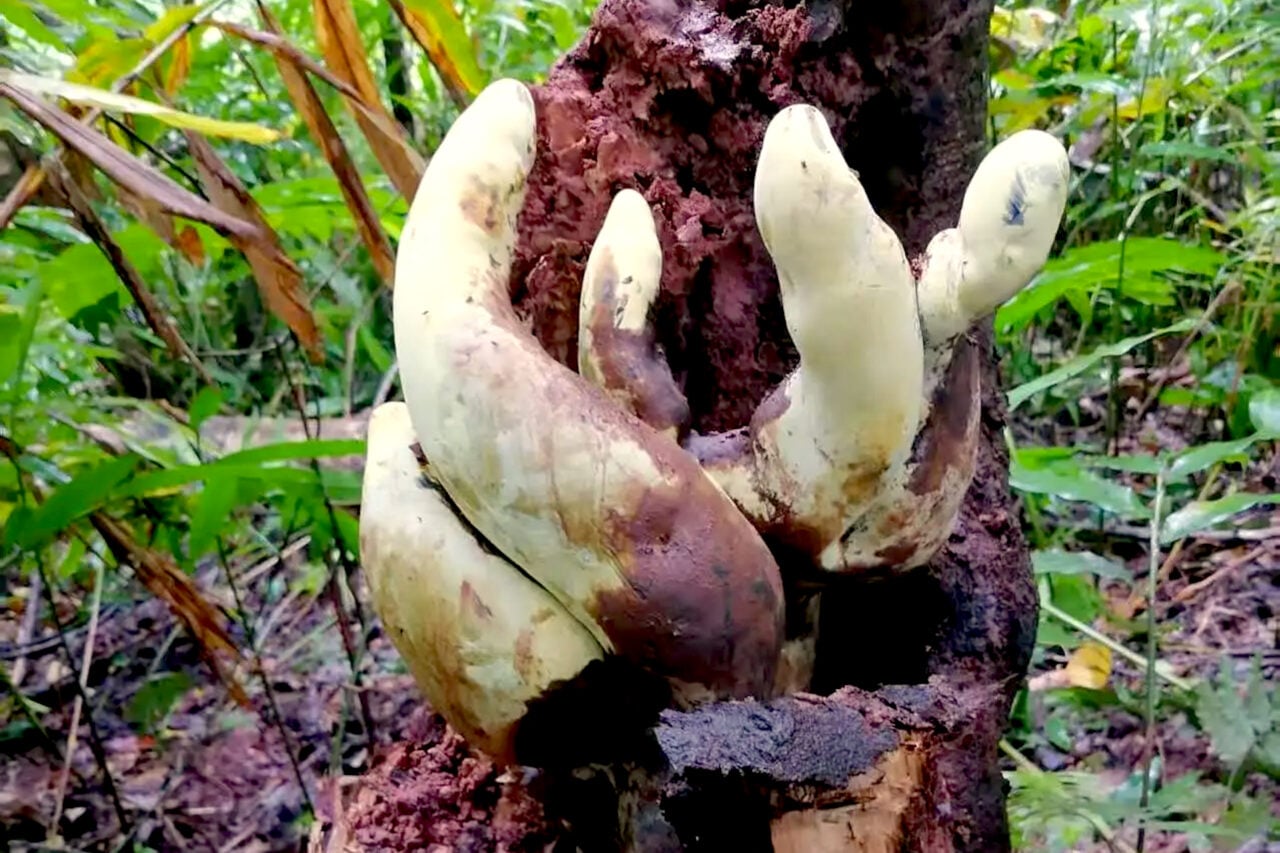
Scientists just found a record-setting new fungal species, the largest now known in the sprawling Ascomycota phylum. It may have feasted off dying forests during the Chicxulub mass extinction event.
A new systematic review, published by Cochrane, has found a direct “dose-response” relationship between the number prescriptions for certain drugs and the amount of free meals given to doctors.
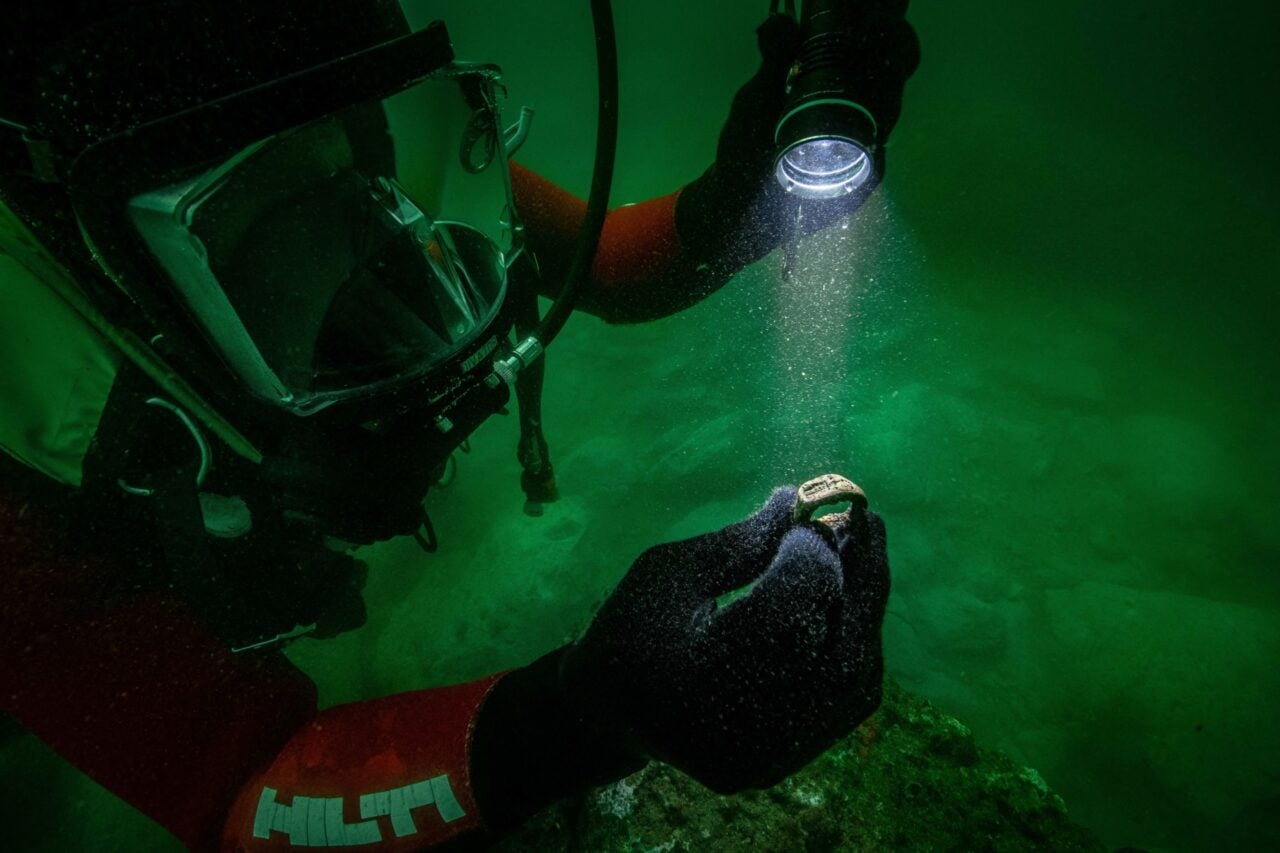
Researchers suspect that the ancient bronze signet was used to notarize official documents.
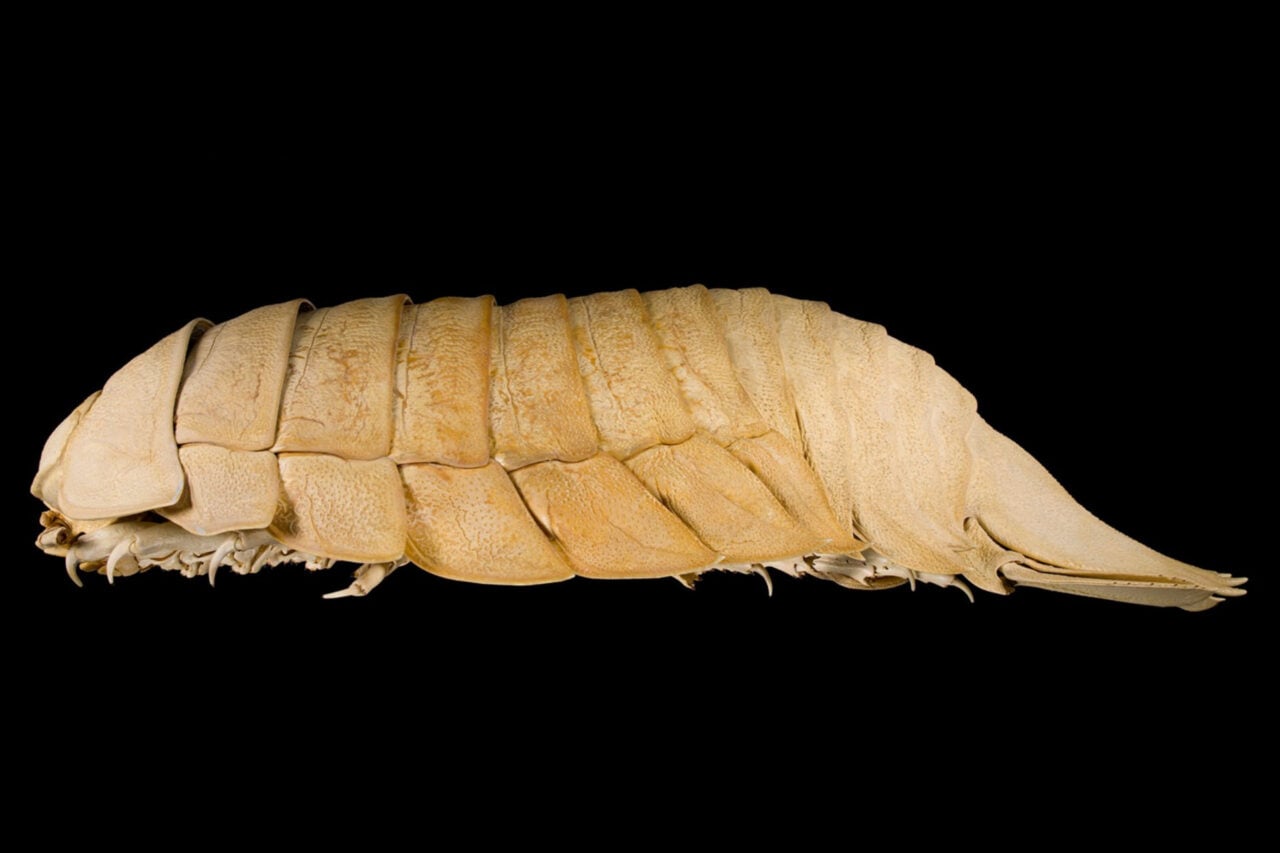
A huge bug-like crustacean, roughly 12.7 inches (32.2 centimeters) long, spent over three decades misidentified as a known species as it sat inside the University of Tübingen in Germany.
Undeterred by fines and warnings, 94-year-old electronics billionaire Barre Seid has been accused of creating a “public health hazard” by paying henchmen to feed park animals en masse.
A massive study of over 85 million U.S. medical records has confirmed that childhood vaccinations against chickenpox lowers your risk of shingles. Who could have known this?
A startup and oilfield giant Halliburton want to bury America's nuclear waste nearly 2 miles underground. The scheme makes a perverse amount of sense.
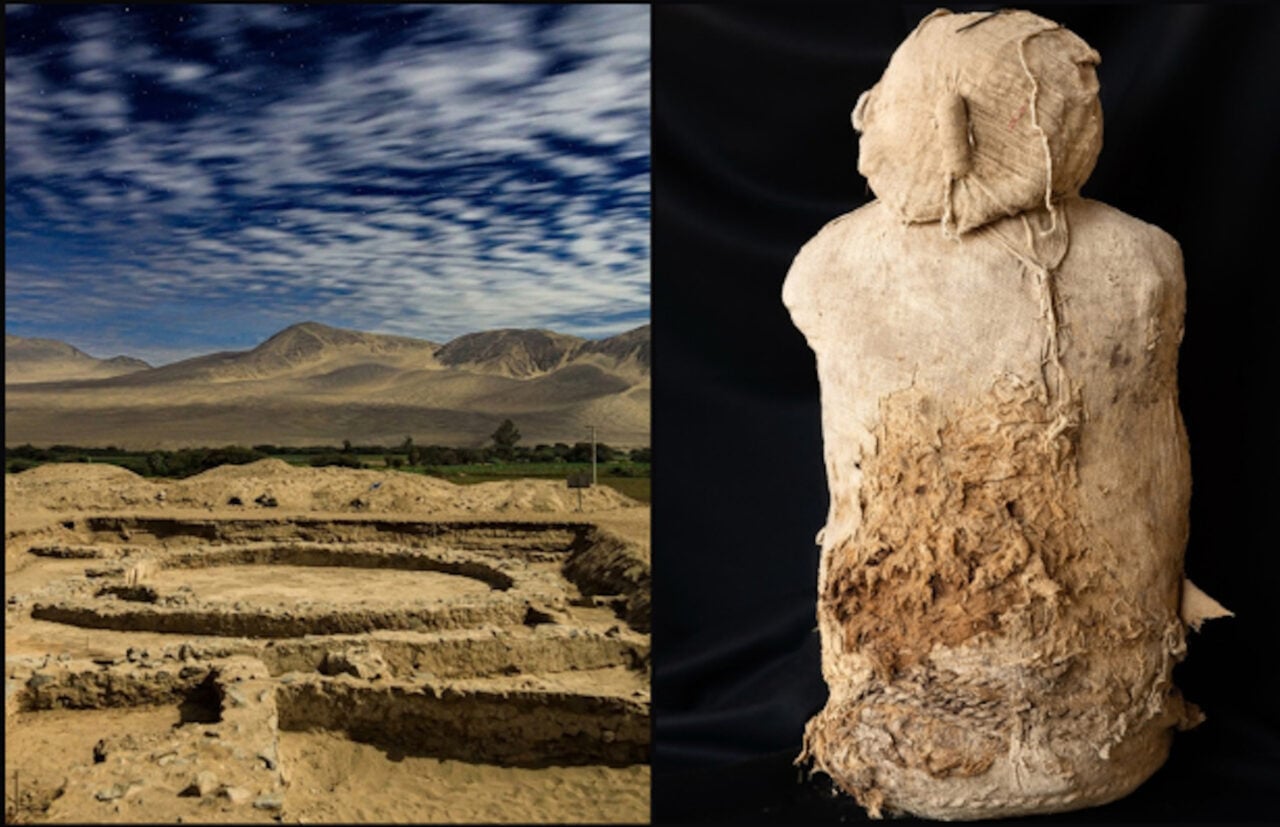
Northern Arizona University, working with Peru’s Ministry of Culture, has uncovered four pristine mummies that could upend the conventional wisdom around the Wari Empire’s ancient conquests.
Harvard medical researchers have discovered that donor hearts decades older or younger than their recipients start to look and act more like the new body they call home.
An effort to bounce radar off the ionosphere across vast distances was too late for the Cold War, but it may help make Arctic shipping lanes safe.
Colossal Biosciences brought back 20 key segments of extinct dire wolf DNA into living, breathing, wolf pups—and the tech used to do it could change conservation and paleontology for good.