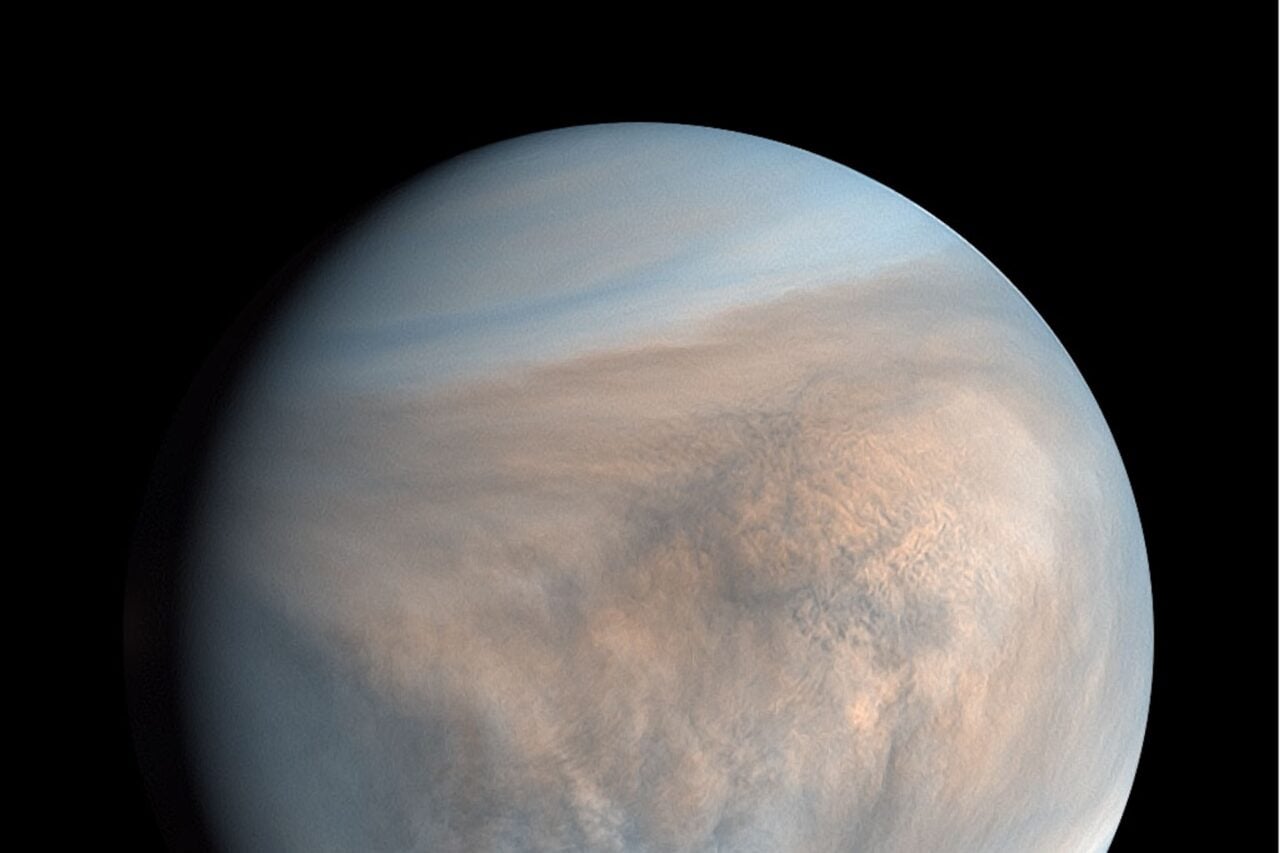
MIT researchers recreated a Venus-like stew of 98% sulfuric acid to test complex signaling molecules, like peptides, in the lab. Looks like they passed.
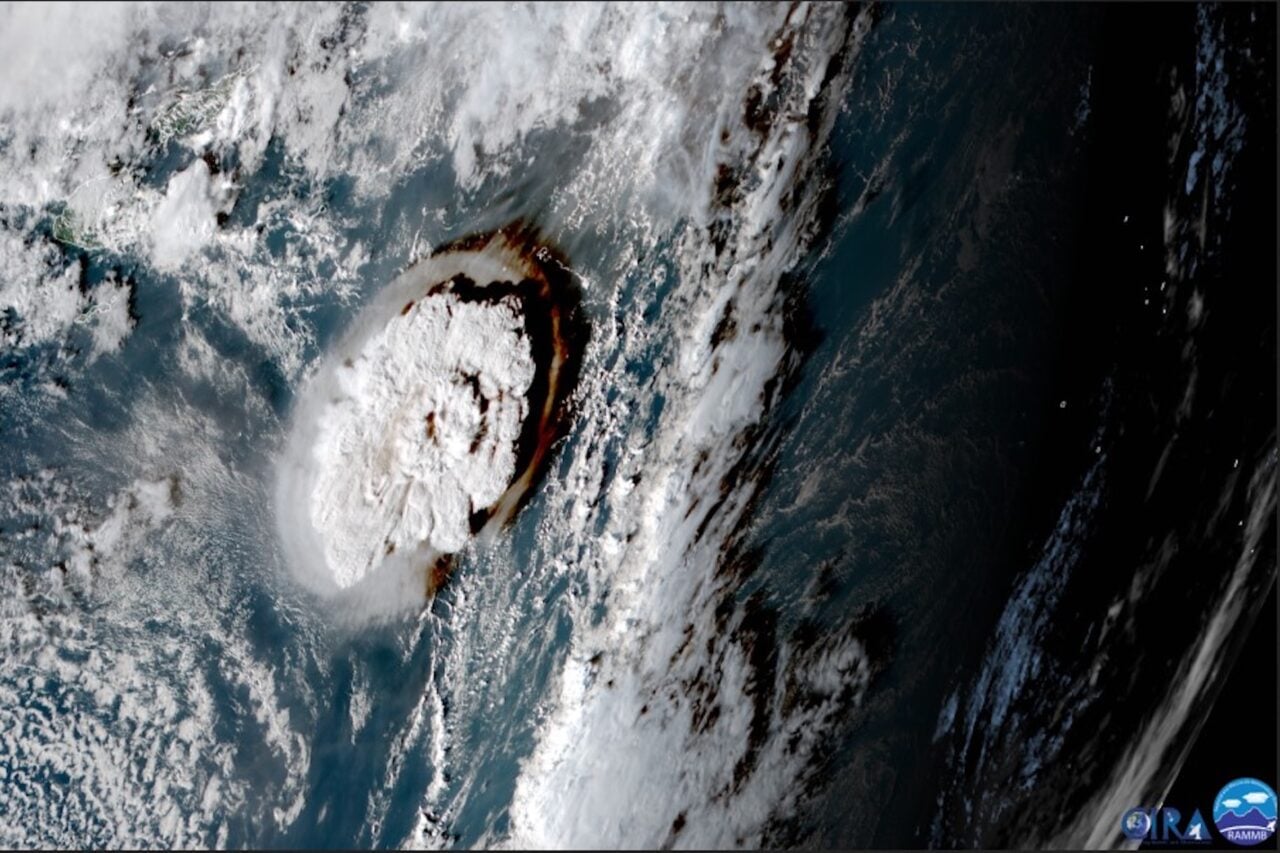
Rare sonar mapping—conducted before and after an undersea volcano erupted off the coast of Tonga in 2022—has uncovered the unique reasons for its deadly tsunami.
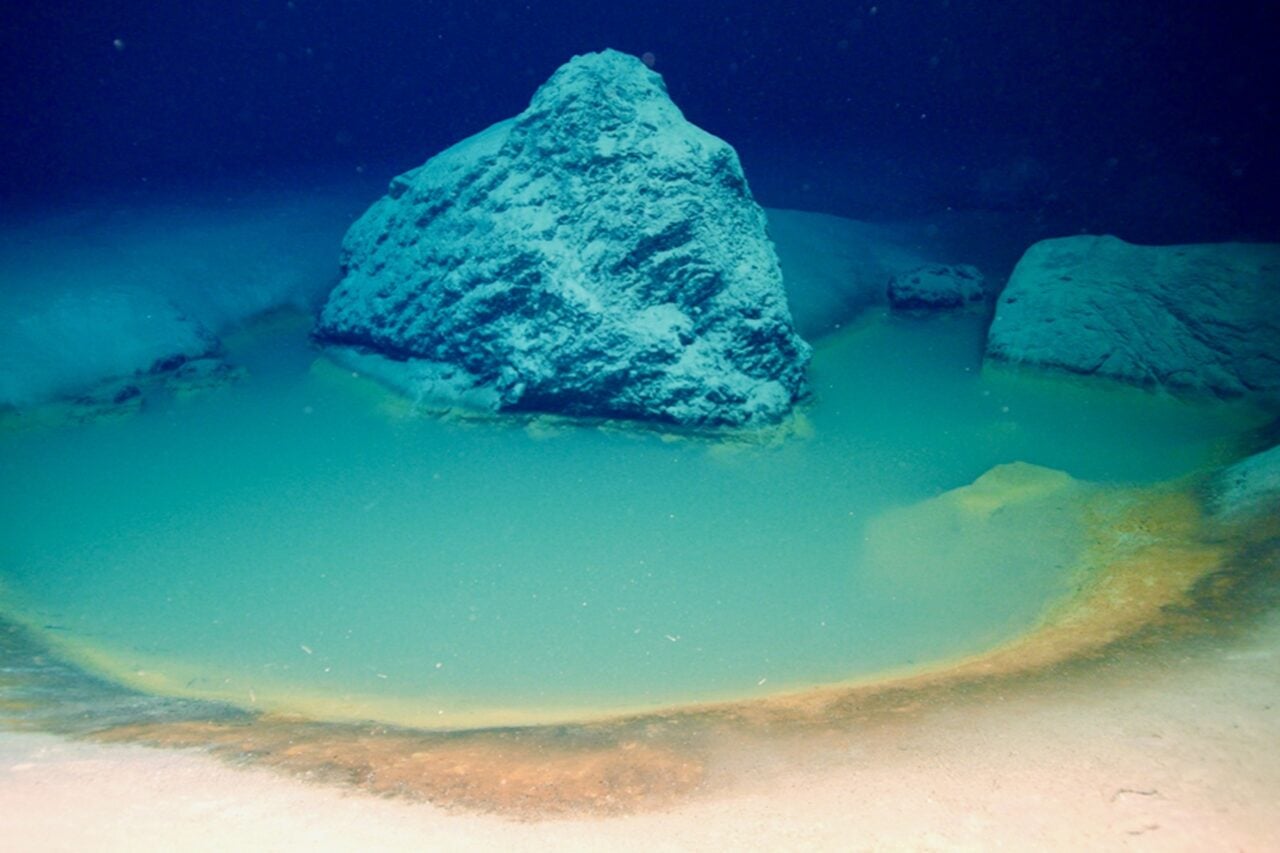
New sediment tests from a research vessel in the Red Sea suggest that primordial deep-sea microbes may offer a glimpse of how life made energy before Earth had oxygen.
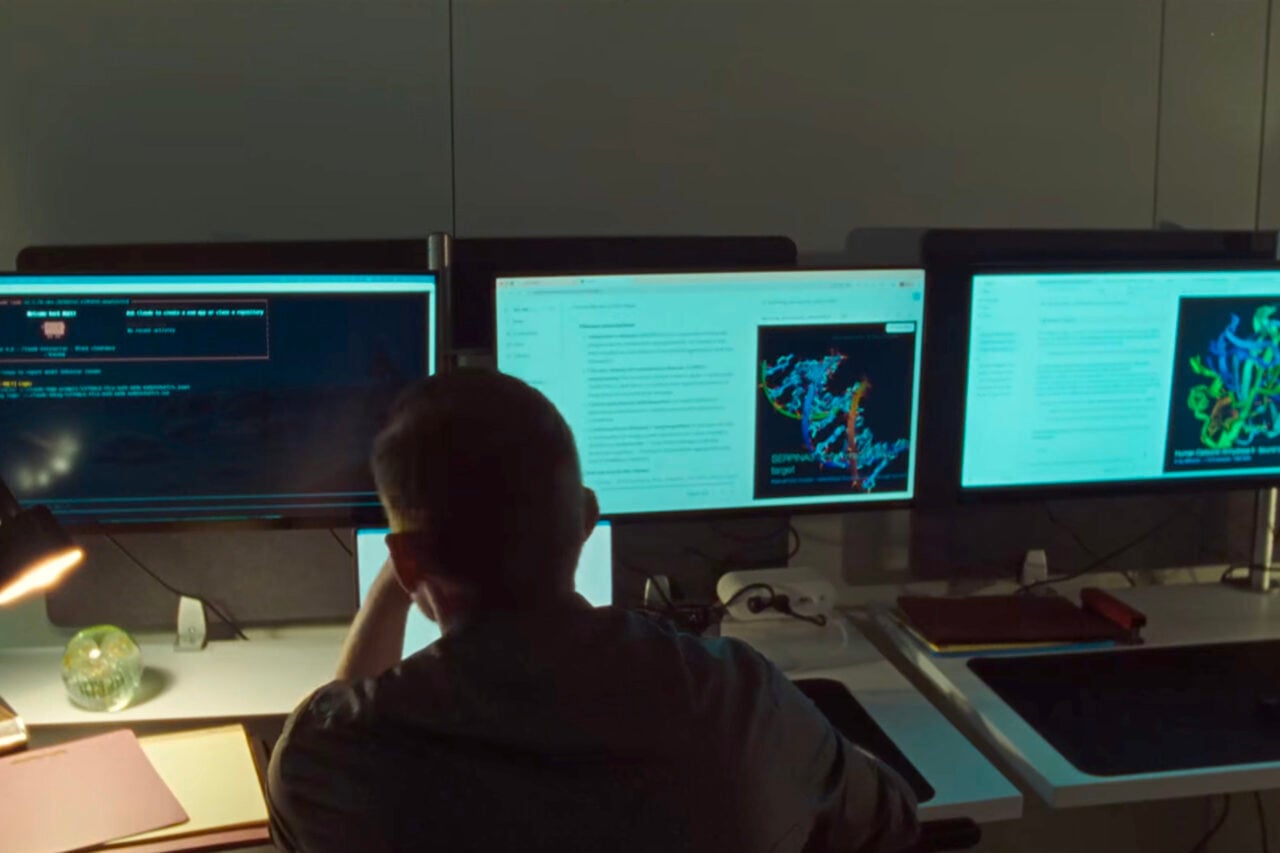
Anthropic said Claude AI has identified a previously unknown enzyme system that looks remarkably like CRISPR’s gene-editing Cas9. But looks can be deceiving.
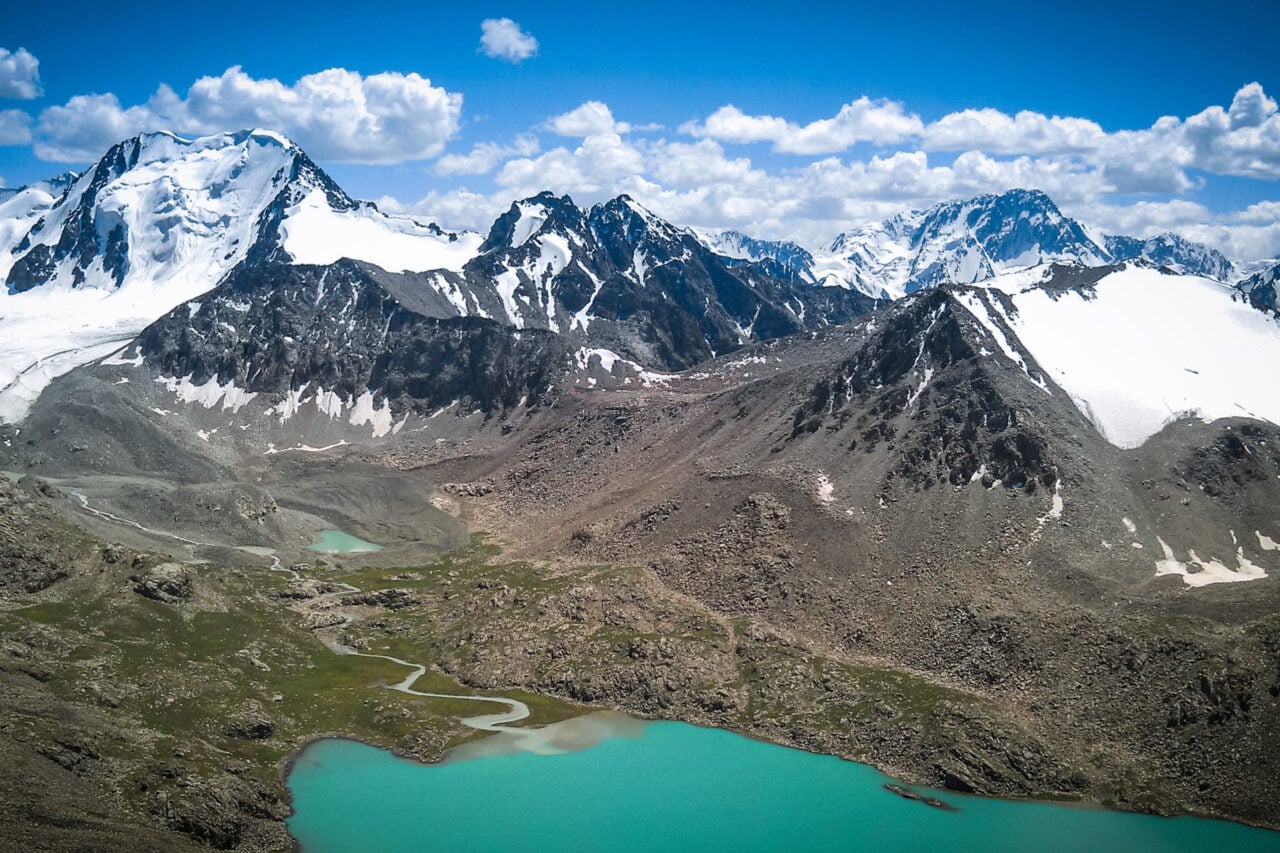
A new study of found hidden glaciers equivalent to “roughly 600 Olympic-sized swimming pools,” and its secrets may help fight future droughts.
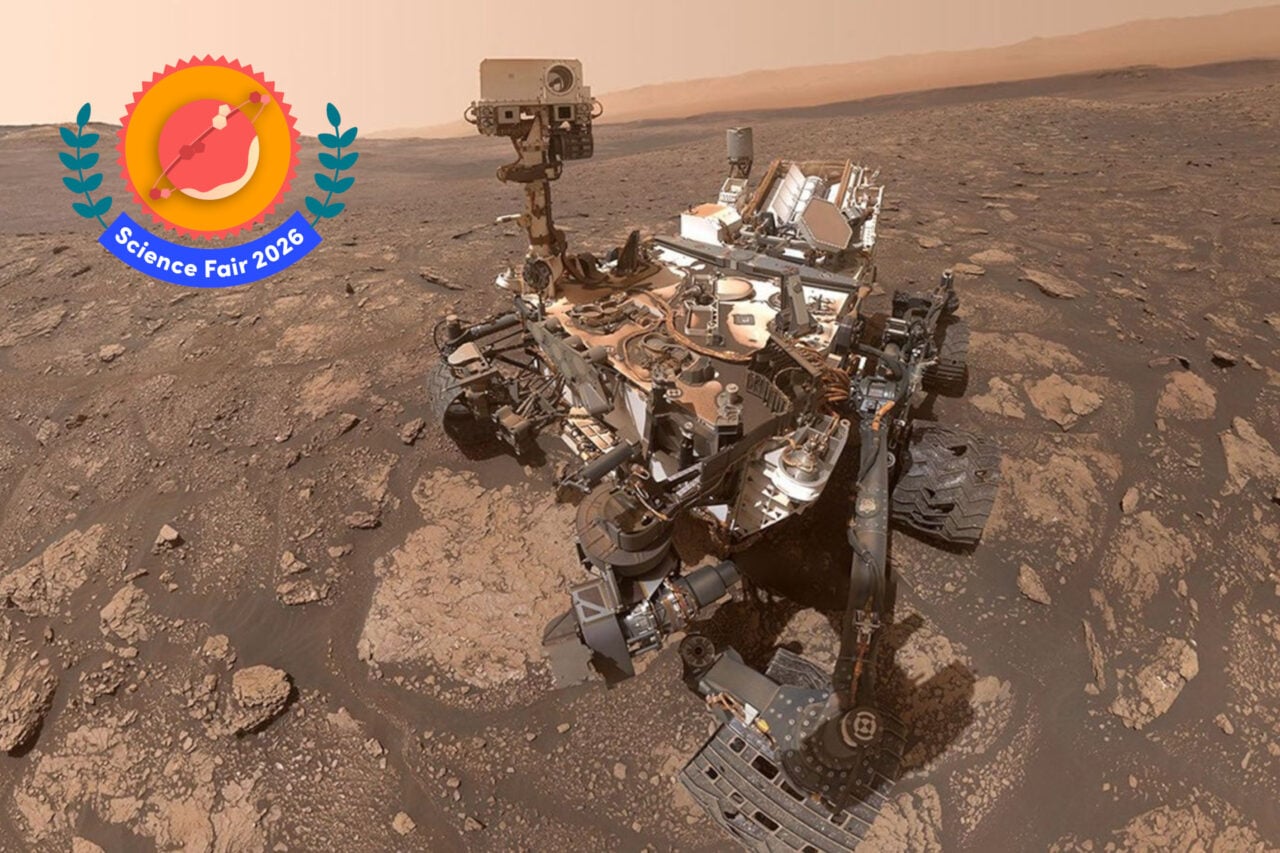
The team operating a remote chemistry lab onboard NASA’s Curiosity rover won a Gizmodo Science Fair award for discovering compelling chemical evidence that Mars could have once supported life.
A new Reuters exposé uncovered Anthropic’s plan to have Claude guide robot lab assistants through bio experiments in a real-world wet lab.
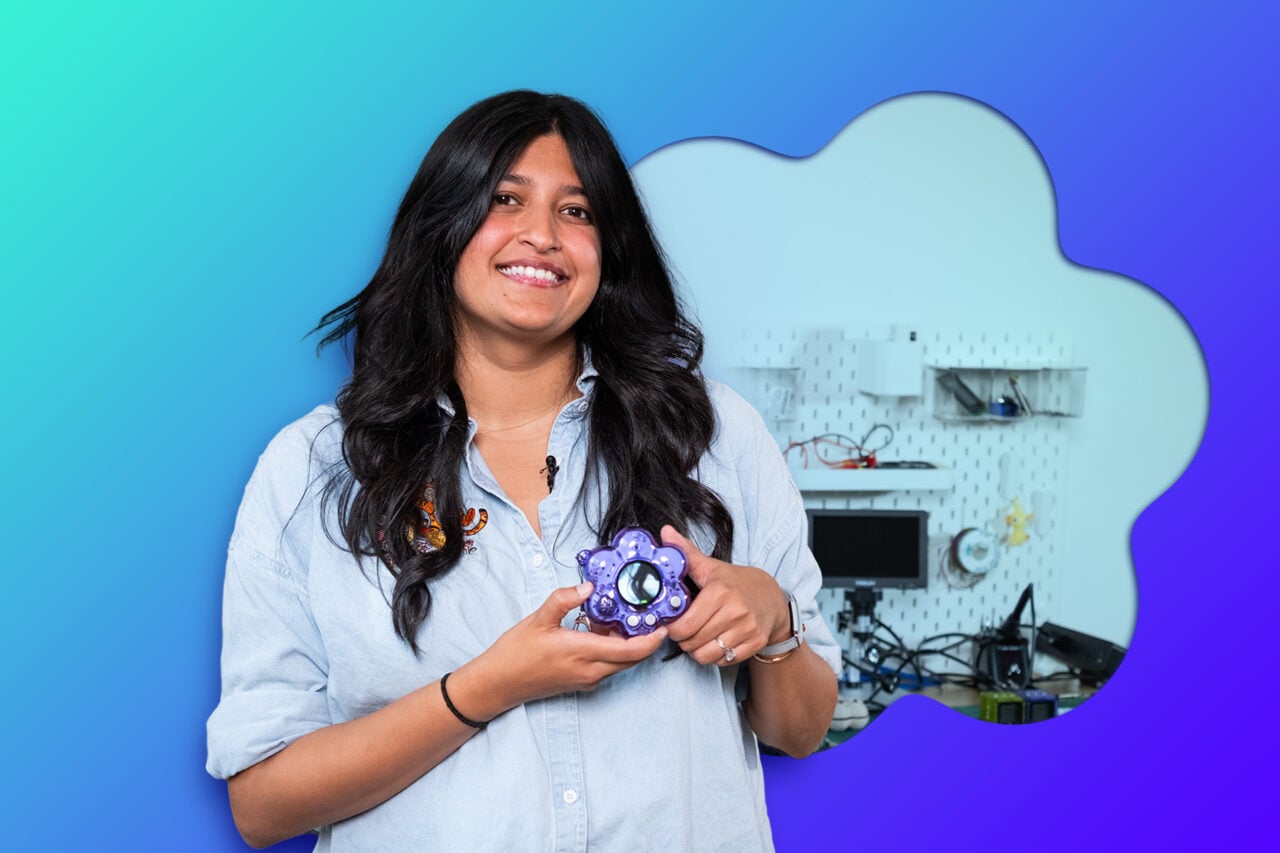
Custom hardware maker Tru Narla is transforming a hobby invented by cyberpunks cosplaying dystopia into an artistic vision for how humanity can live in blissed-out harmony with the technology it creates.
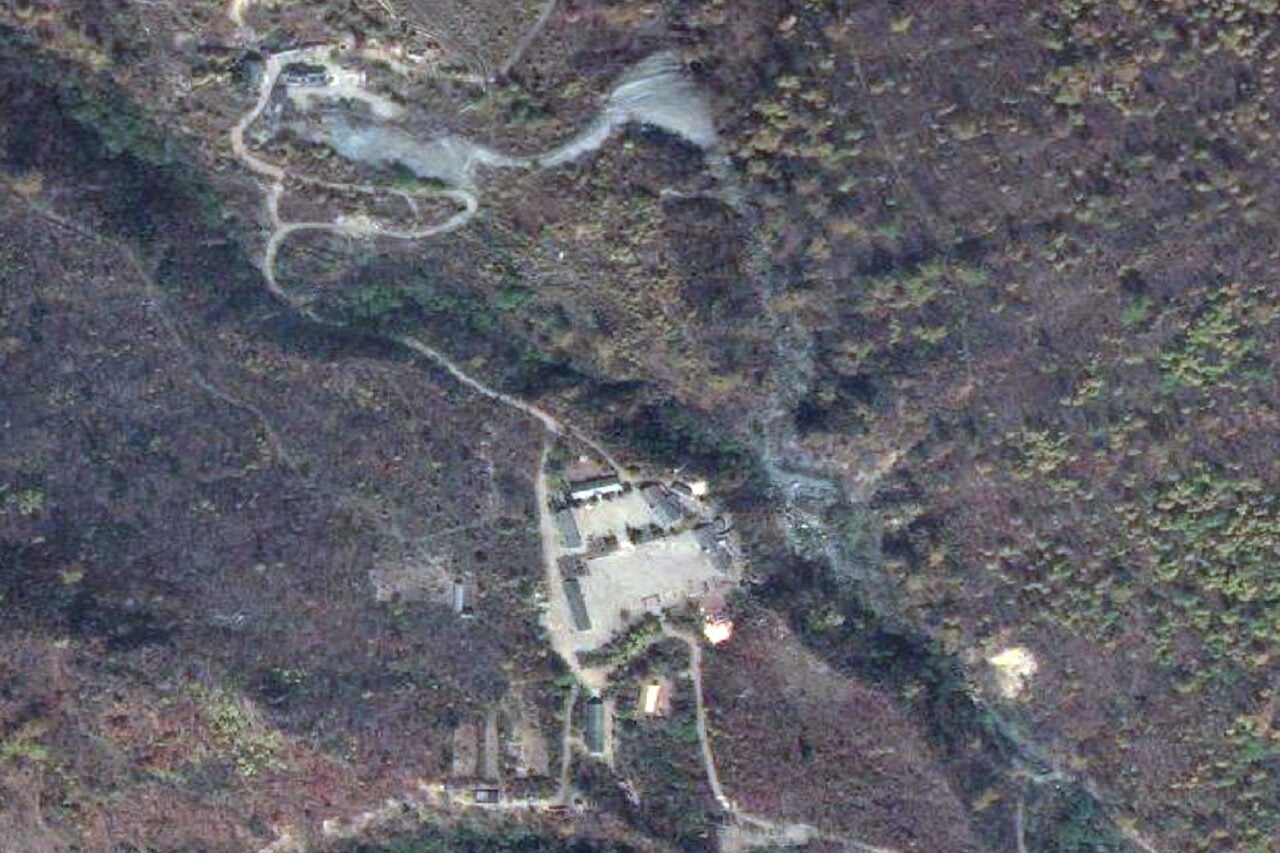
Scientists recorded 1,399 local quakes since North Korea began its underground nuclear tests—a spike unlike anything the region has seen since seismic activity was first catalogued there.
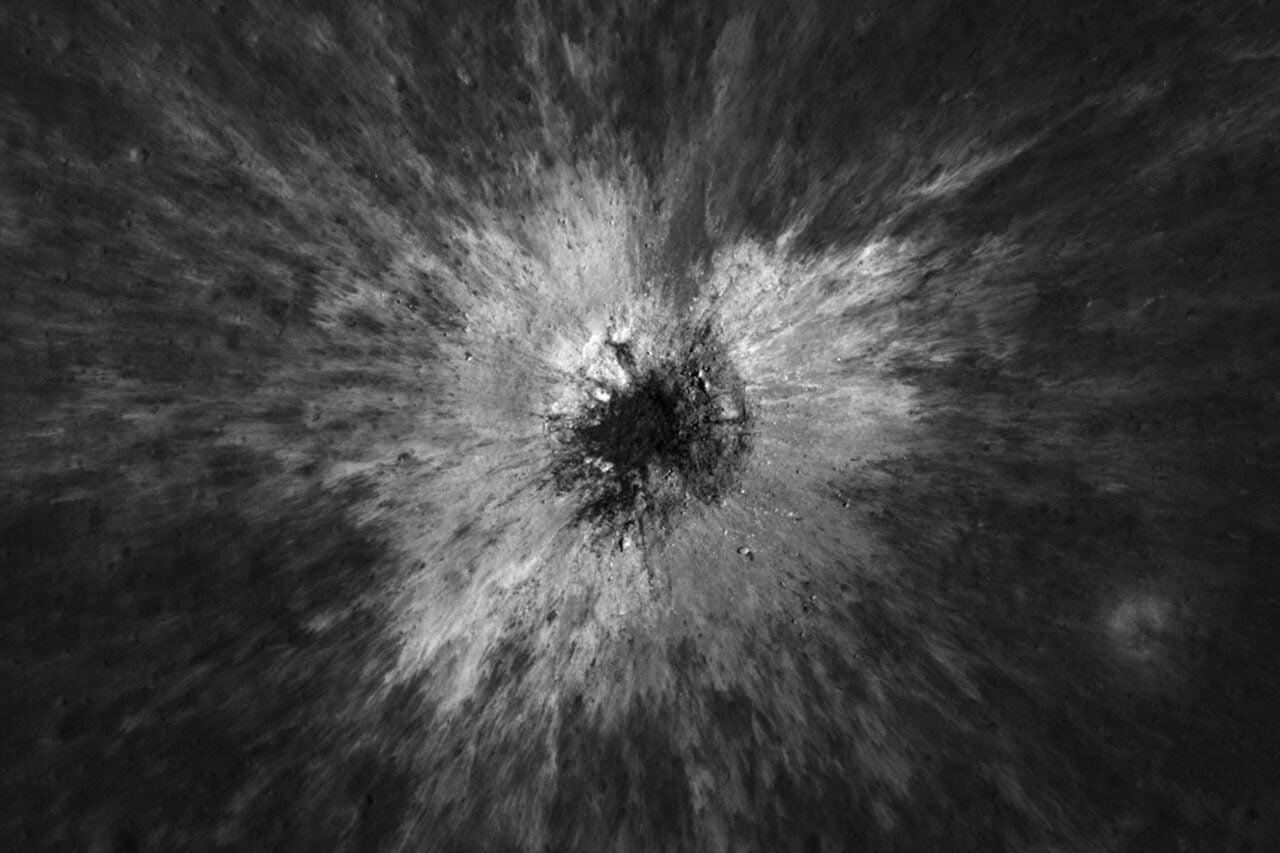
Scientists working with NASA to study the largest new crater ever found on the Moon say that it has created an over-4-mile-long “cold spot.”
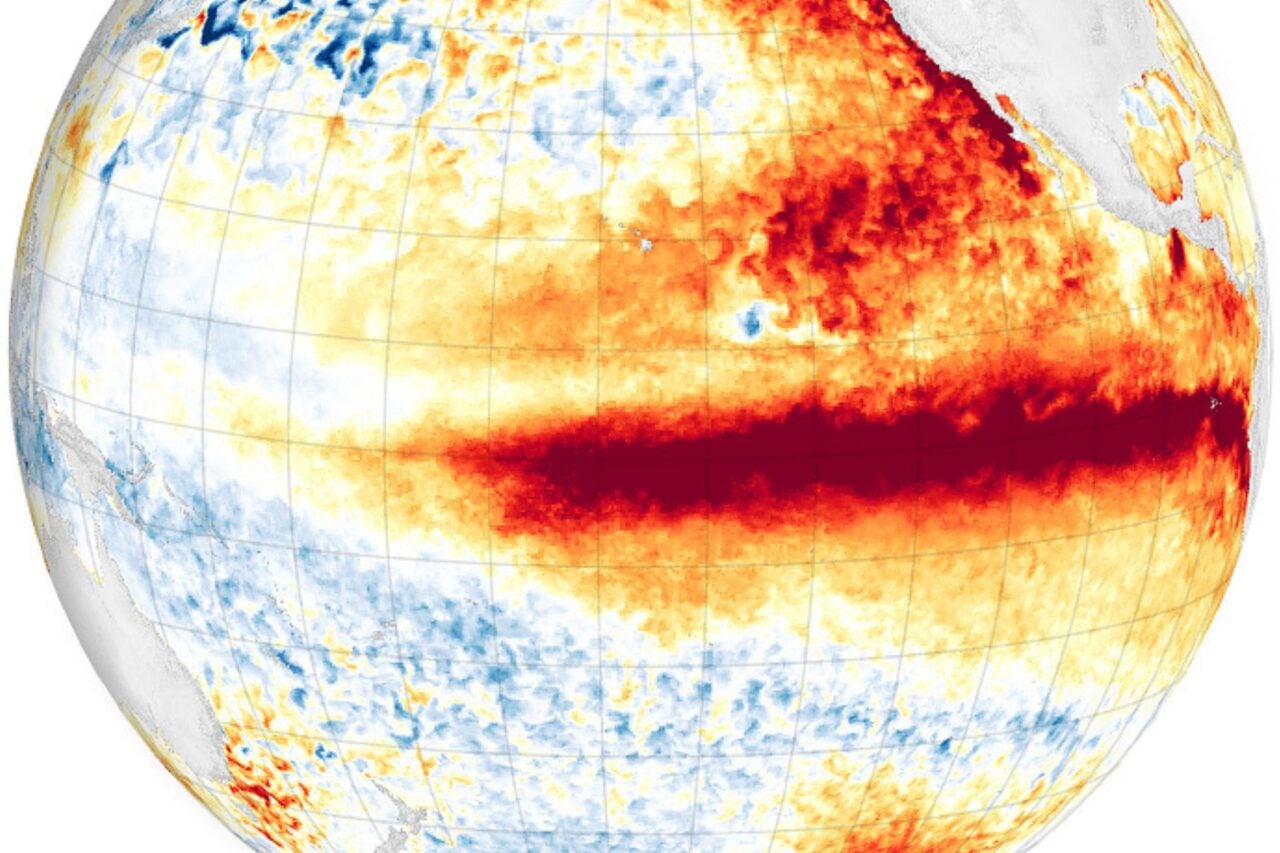
Synergy between global warming and a type of El Niño not seen since the late 1990s could create unprecedented weather that scientists don’t have enough climate data to model.
A private group working with the Indian government is concerned that the Himalayan water cycle supplying south Asia’s rivers will dry up, but not before delivering apocalyptic flash floods.
Though not yet fully assessed, Finland’s new record-breaking discovery of Iron Age silver coins would be worth nearly $10,000 today by weight alone.
A new report from Anthropic revealed five cases of “biological misuse” in which suspicious actors sought to use Claude AI to conduct deadly virus research and investigate toxic venom.
Coyotes have flocked Seattle for easier meals that don’t require elaborate schemes or long highway chases, outnumbering the state’s rural coyotes by 900%.
A new and unusually comprehensive dataset of all-cause mortality reports from 134 countries suggests that governments either ignored or covered up over 6 million covid-19 deaths.
A new study found that alcohol-related cancer deaths in the U.S. have risen over the past three decades from an estimated 11,400 in 1990 to over 23,100 in 2023 annually.
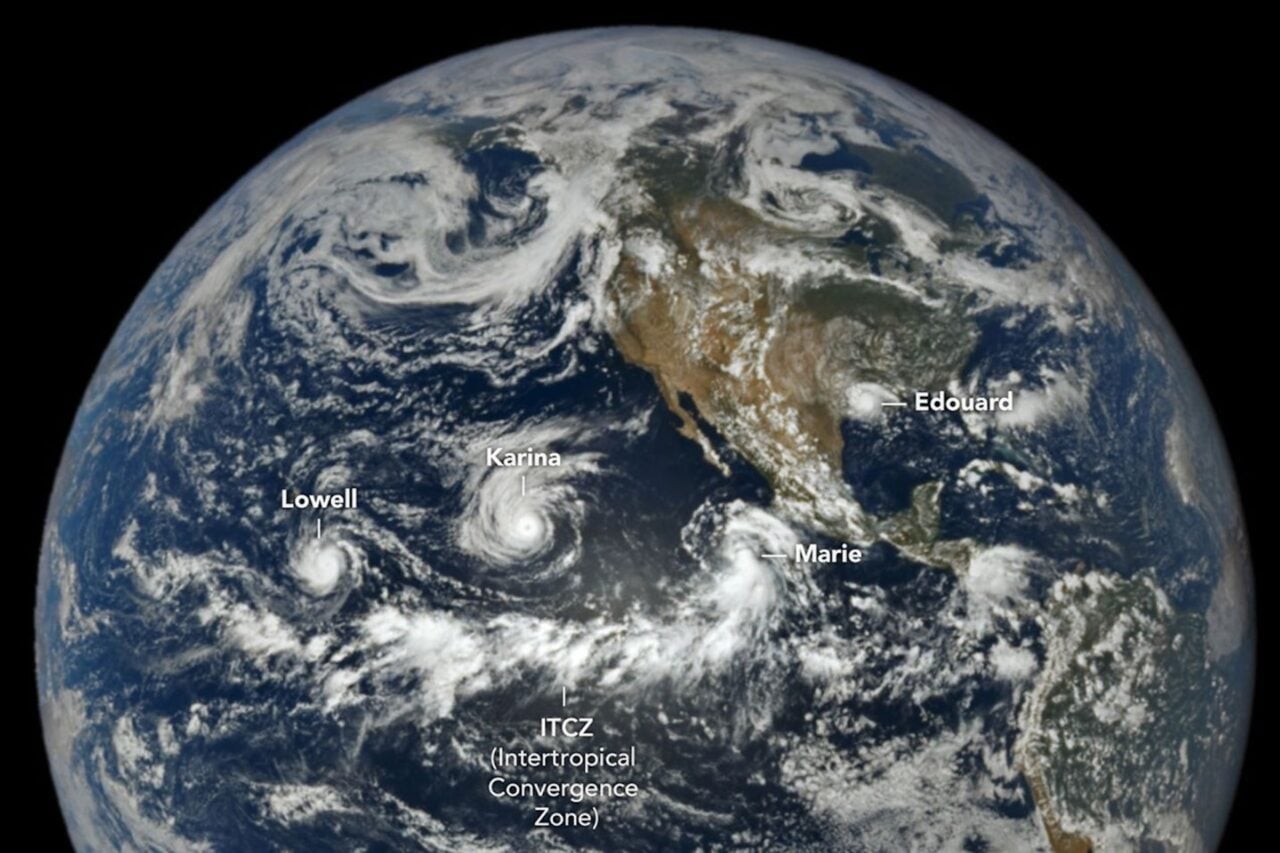
In another freaky El Niño milestone, a NASA satellite hovering nearly one million miles above Earth just captured rare proof of category 4 and 5 hurricanes occurring simultaneously.
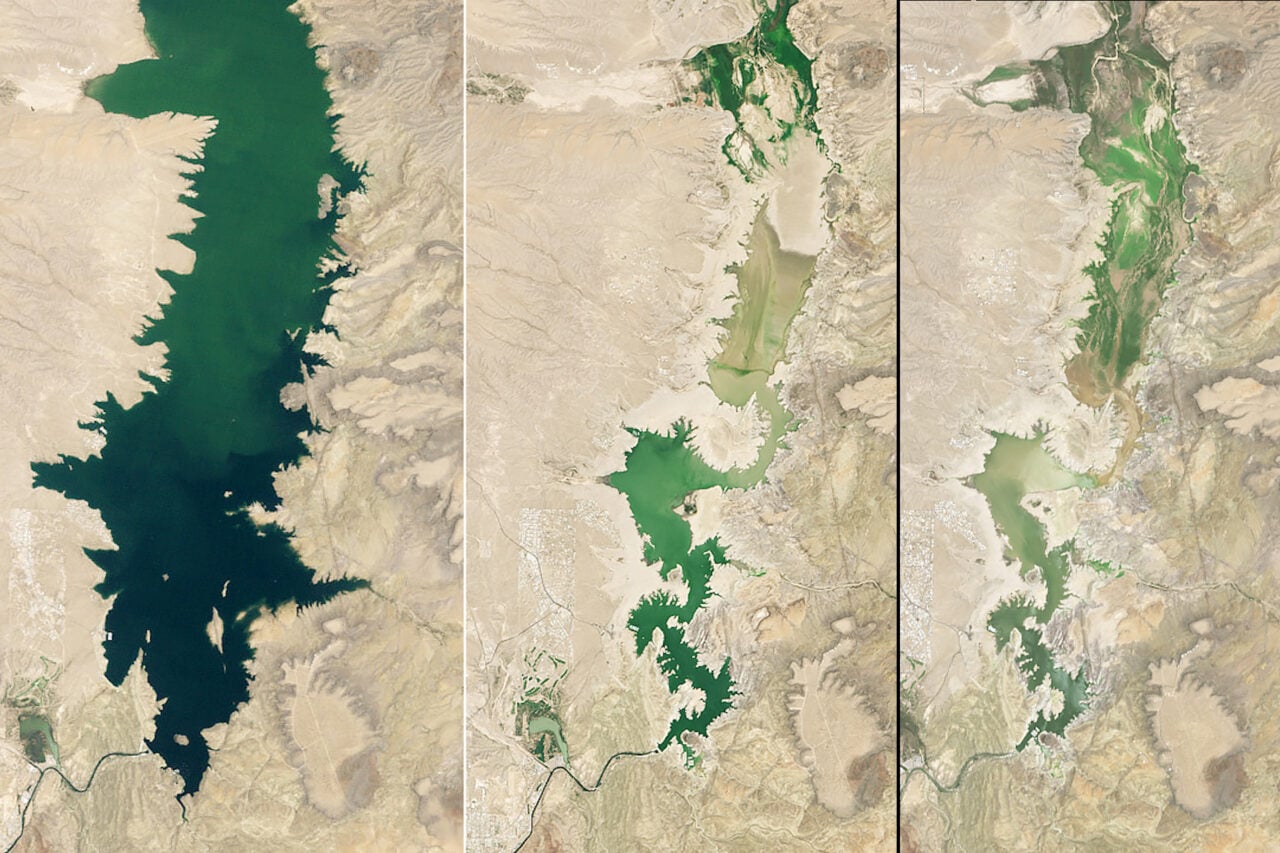
The scientists managing NASA’s imaging satellites are not only tracking the reservoir’s disappearing water but also assisting drought-ravaged farmers and local communities.
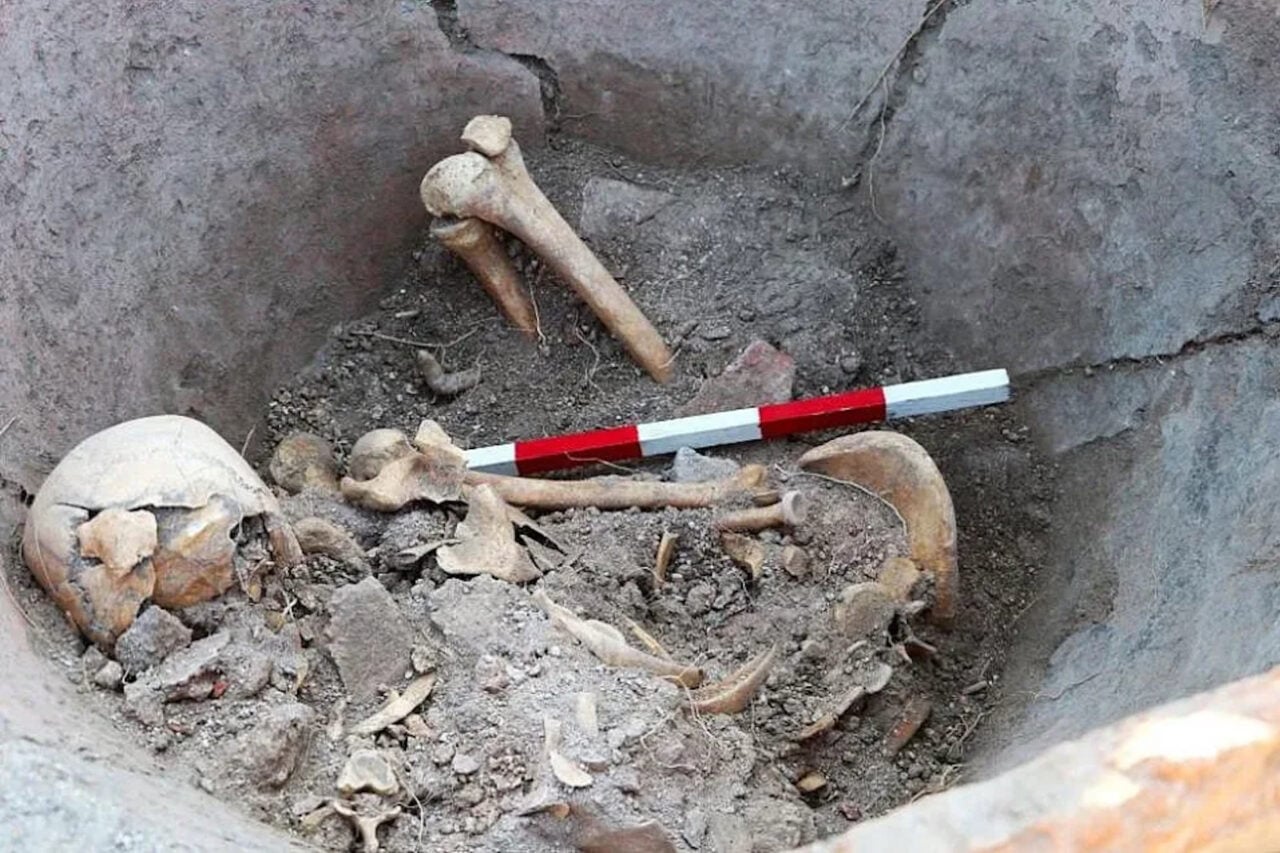
Archaeologists with the Bulgarian Academy of Sciences found the skeletal remains of a young man hidden in a 5th century jar. Now they want to know how he got there.