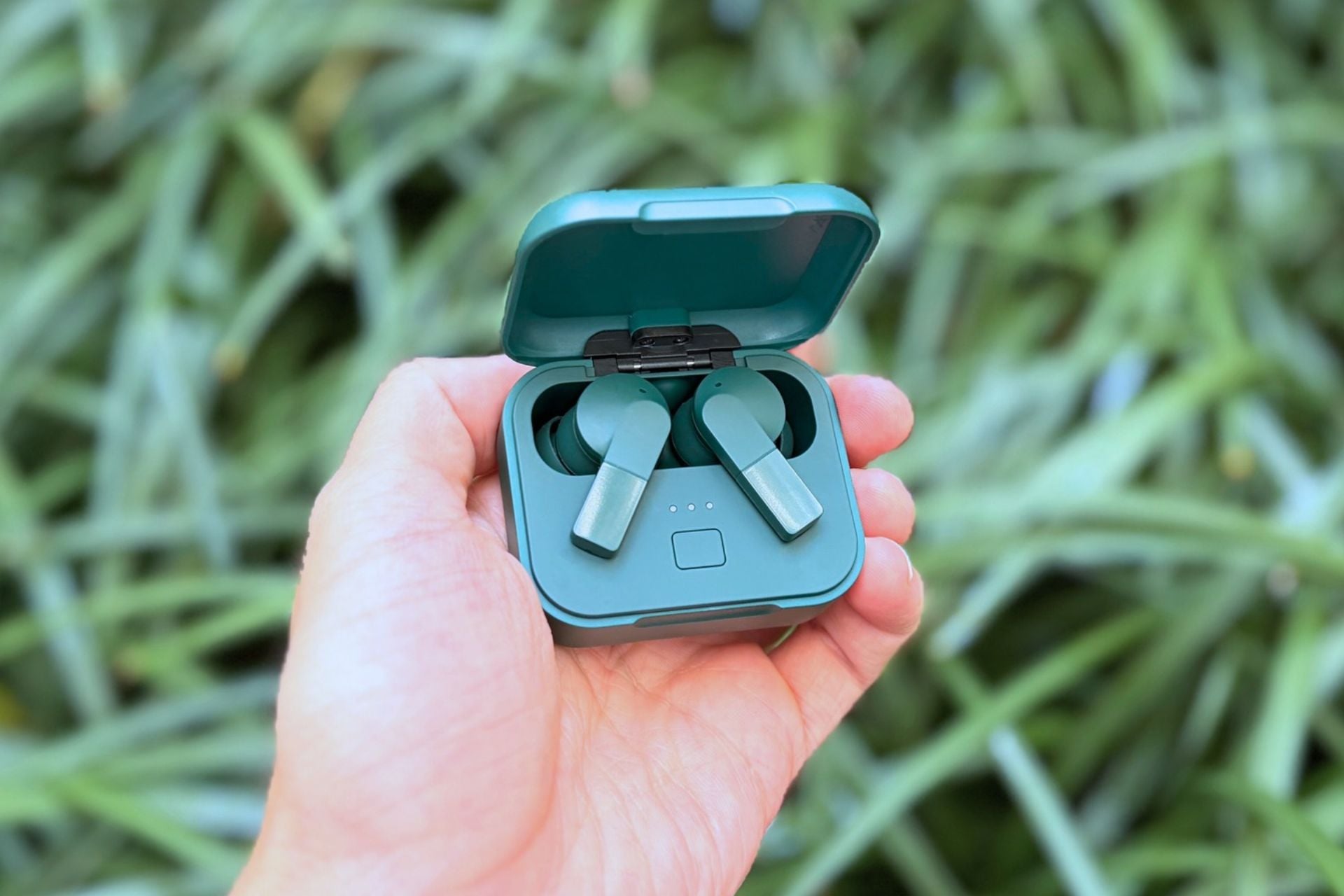
If there’s one thing wireless earbuds and headphones are not known for, it’s being repair-friendly. They’re often loaded with glue, meaning the individual parts—outside of maybe silicone ear tips—aren’t easily removable or replaceable, especially by yourself at home. As a result, there’s another thing that they’re not known for, and that’s being easy on the environment.
Because components like batteries aren’t easily replaceable, when something goes wrong with a pair of wireless earbuds (say, the battery dies or degrades to the point that you can’t use it anymore), they’re often doomed for the landfill. All that easy obsolescence is enough to make a right-to-repair advocate shed a single, glue-free tear.
The vast majority of wireless earbuds—even the ones that sound fantastic—are guilty of this, but not all. For anyone who hates the waste more than they love the shiniest new gadget, there is a clear option, and it’s the Fairbuds 2.
Fairbuds 2
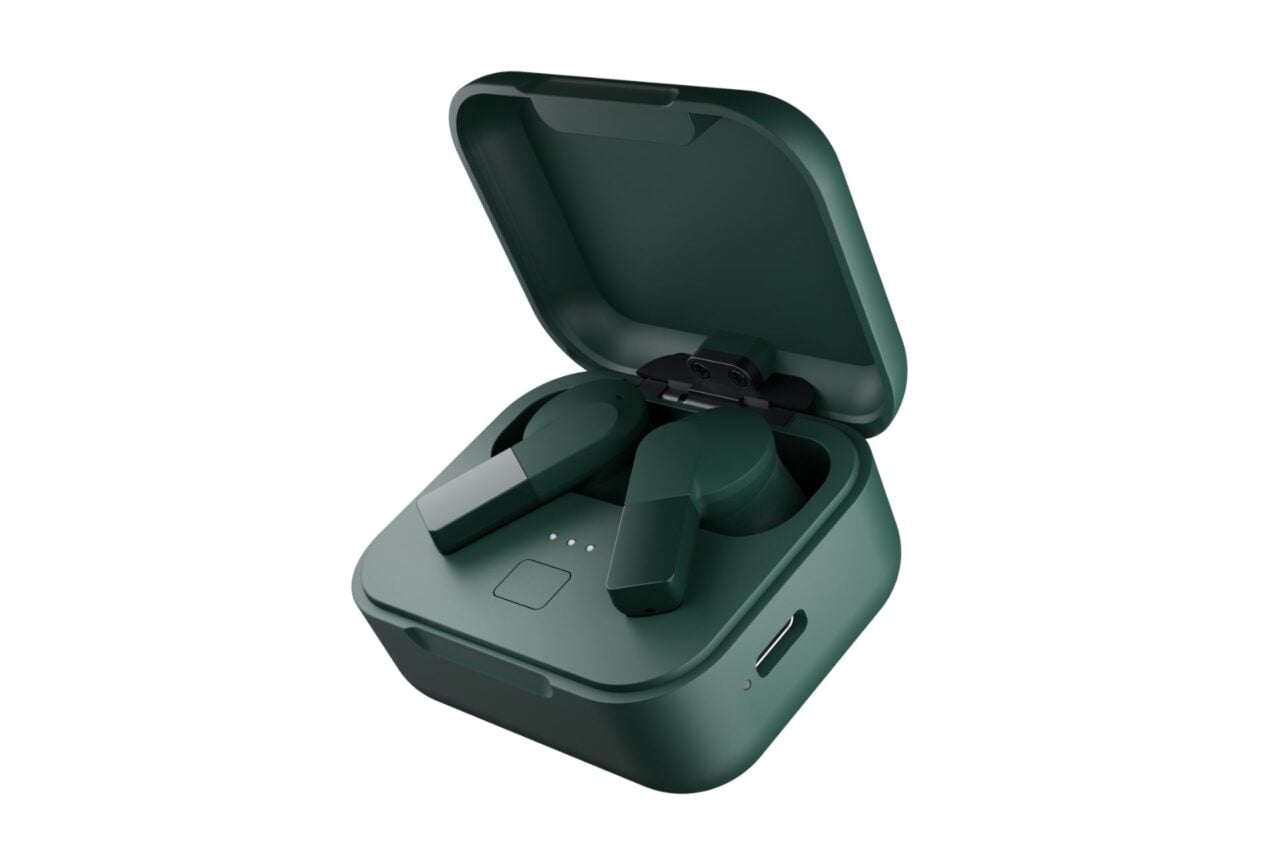
The Fairbuds 2 are repairable from top to bottom and they don't use any PFAS on the exterior, but the sound and ANC are just okay.
Pros
- Everything is repairable/replaceble
- They're affordable
- No PFAS!
- Pleasing green color
Cons
- Sound is just okay
- ANC is alright but not the best
- A bit large and clunky
- Not the most feature-rich
- Transparency feature is subpar
The sound of repairability
Before we get into the repairability of it all, let’s talk sound.
The $119 Fairbuds 2 are the next iteration of Fairphone’s repair-friendly wireless earbuds, and they come with a few improvements over the original pair. One of the biggest is the sound quality. In the sequel, Fairphone opts for 11mm bio-cellulose dynamic drivers, which are both eco-friendly (they use “light organic fibers” instead of plastic or metals) and designed to improve on those of the original. Fairphone says these drivers offer “brighter, crisper treble,” while a refined tuning should offer deeper bass, warmer mids, and clearer highs.
The translation of that upgrade, in my experience using them for a week, is… fairly solid. These are not the best-sounding wireless earbuds money can buy, but they hold their own for the price. In “Any Major Dude Will Tell You” by Steely Dan, one of my go-to test songs, the sound and tuning were serviceable. I didn’t get the twinkly bright pops of guitars that I might in a more premium pair of buds, but I got a hefty dose of midrange tones (present rhythm guitar and keys), and vocals were still clear. The low end did get lost in the mix a bit more than other pairs of wireless earbuds that I’ve tested this song on.
The low-end on more electronic songs was a bit better, though. To test lower frequencies, I listened to a bassier tune, “Da Funk” by Daft Punk. The driving bass was round and fairly punchy, though it did overwhelm at times, drowning out other parts of the mix like samples that pop in the background.
If you’re expecting super-premium sound like the kind you’d get from Sony’s WF-1000XM6 or Bose’s QuietComfort Ultra Earbuds (2nd Gen), you may be disappointed, but these compete with wireless earbuds in the same price category, like the Nothing Ear 3a. I say they compete, though I don’t necessarily think they win in terms of audio—the Nothing Ear 3a still sound better to me. Active noise cancellation (ANC) is another thing, though.
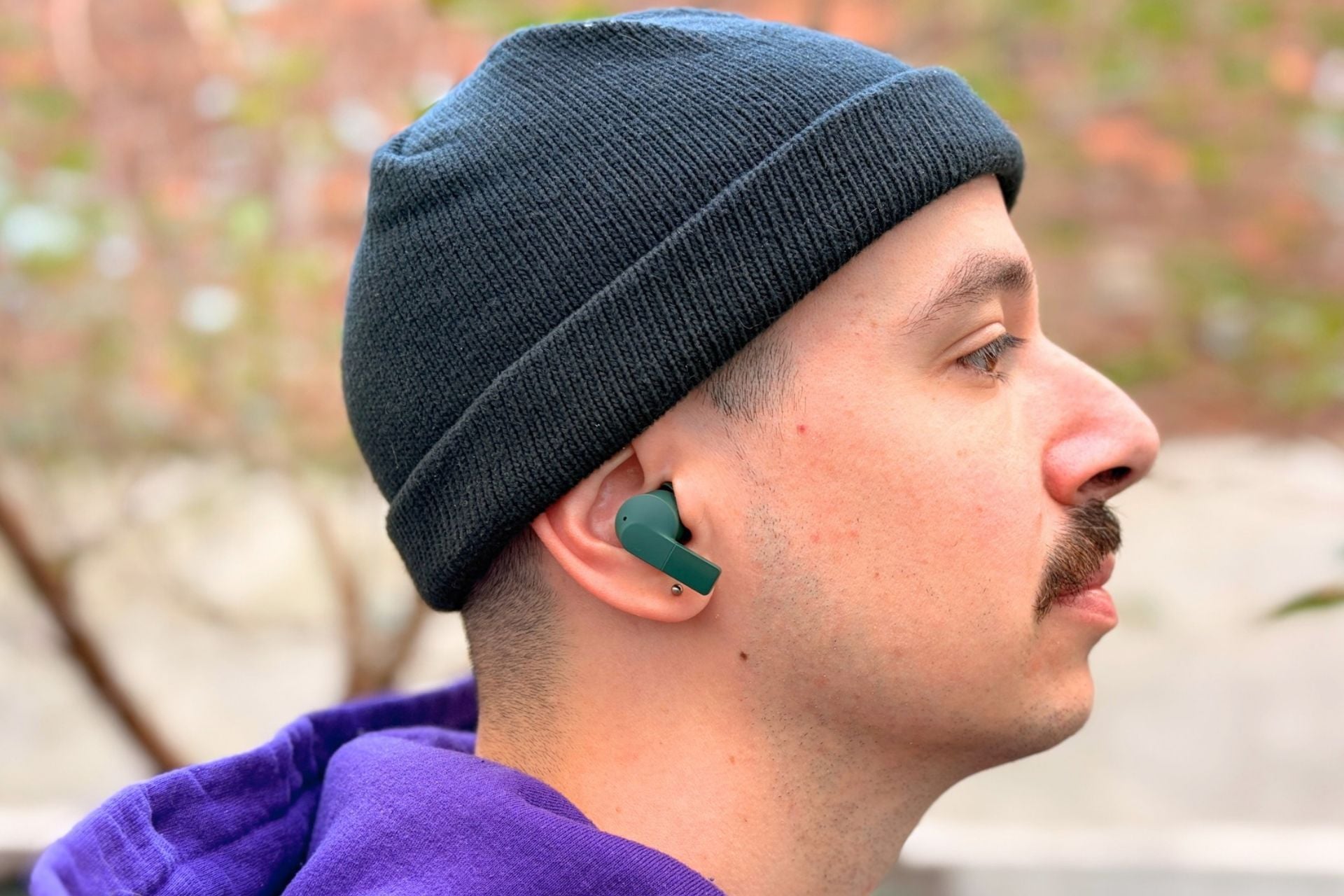
After I got the right ear tip fit, the Fairbuds 2 were on par with the Nothing Ear 3a in terms of ANC. Sure, I can still hear subway noise and people talking, as well as louder ruckus on the sidewalk in New York when I’m walking, but the Fairbuds 2 are a much closer competitor on this front than they are in audio. Again, you’re not going to get the best ANC in the wireless earbuds world (you’ll have to pay the Bose premium for that), but you get enough for the money, though the Nothing Ear 3a are a bit cheaper at $99.
Whether you feel like the Fairbuds 2 are really worth the price will likely have less to do with sound or ANC, though, and more to do with landfills.
Statement buds, but not in the way you’d expect
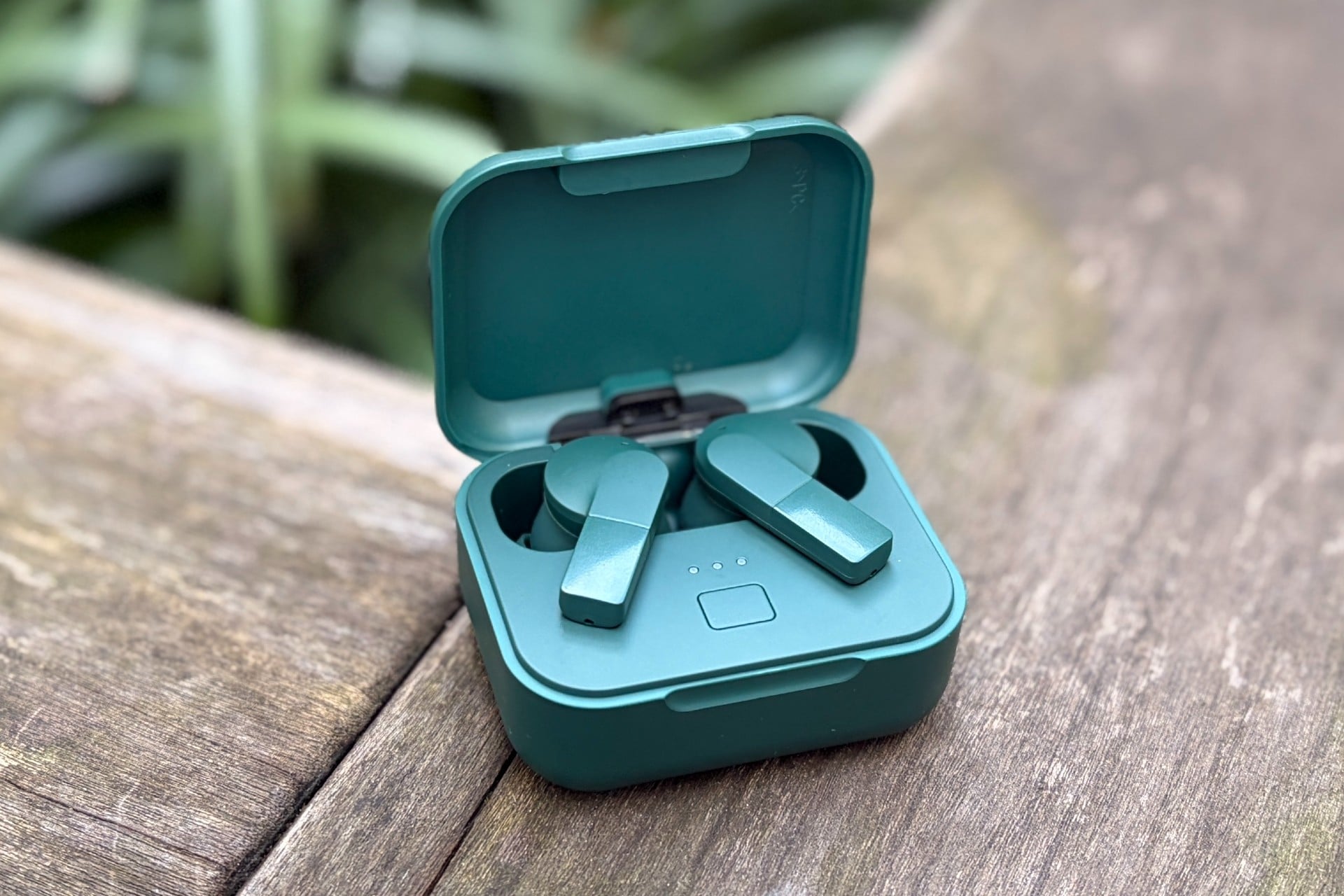
If you’re interested in the Fairbuds 2, it’s probably because you like the idea of repairability. In the Fairbuds 2, basically everything is replaceable: each earbud battery, the charging case battery, the shell, the charging case’s core that holds the LEDs and the USB-C port, the silicone ear tips, and even each individual earbud, so if you lose one, you don’t have to buy a whole new pair. The only thing that most other wireless earbuds have in common with that array of replaceable parts is the silicone ear tips.
I didn’t try to replace any of those myself, but Fairphone says they’re all user-replaceable, so if you’re the type of person who wants to buy a pair of wireless earbuds and wear them for many years after the fact, these are the pair you want.
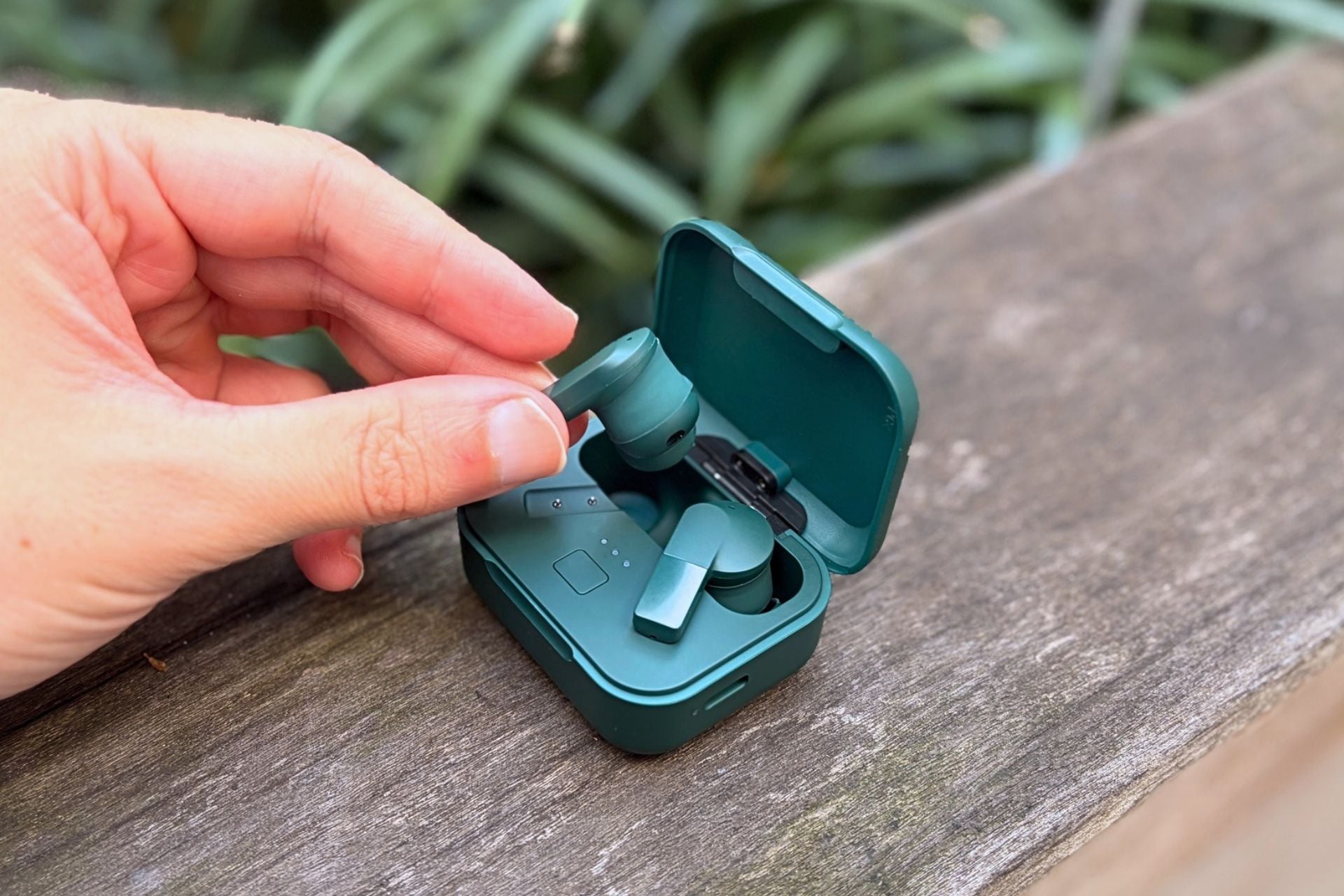
Fairphone is emphasizing the materials used here, too. Fairphone says its wireless earbuds’ exterior is completely free of PFAS, a forever chemical linked to a laundry list of undesirable health issues like cancer and immune disruption. It also makes use of recycled plastics and says the rare-earth metals are extracted by workers earning a fair wage. If you’re the kind of person who wants to put their money where their mouth is in terms of preserving the environment, this is the way you’d do so in wireless earbuds form, though you may have to make some compromises in doing so.
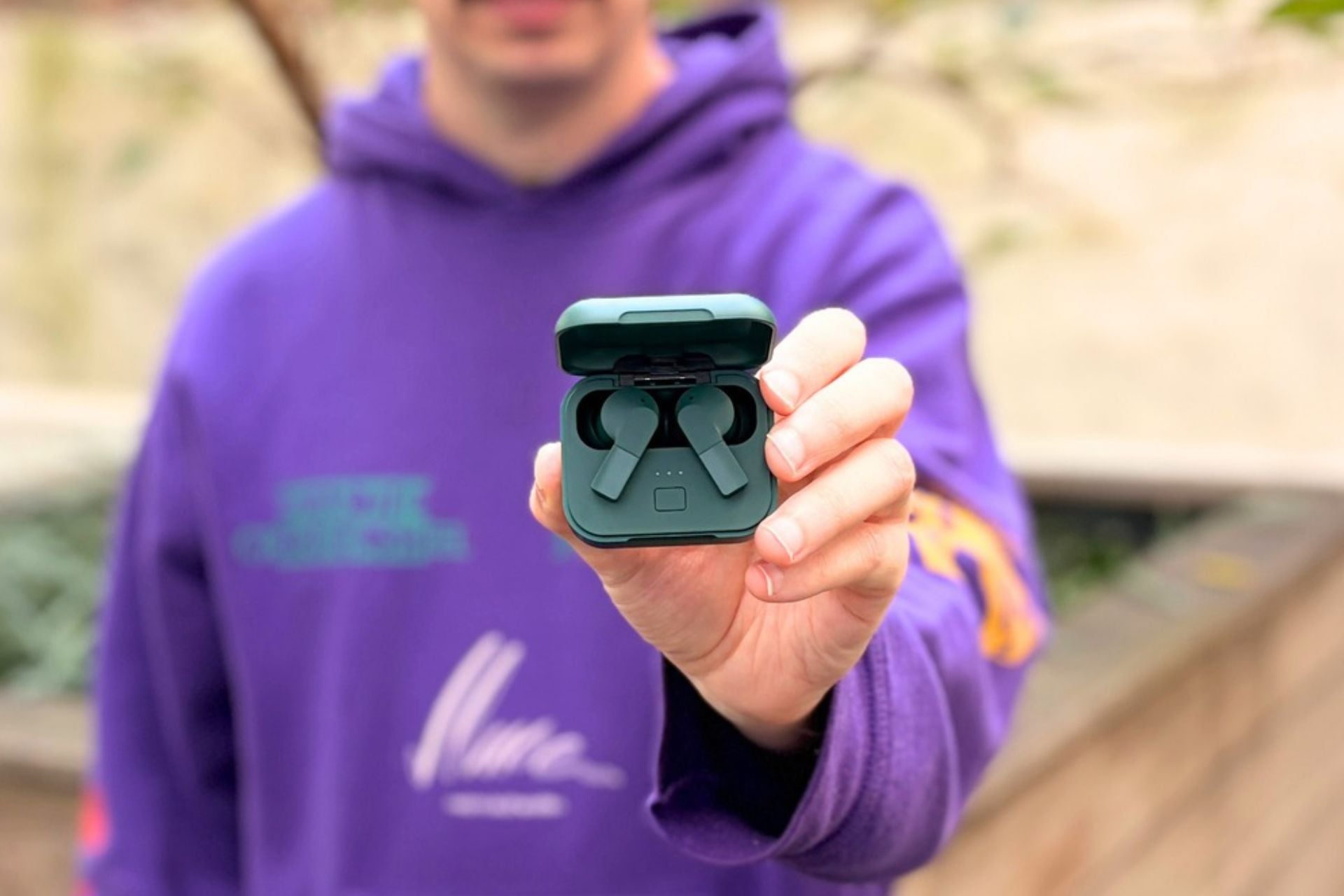
One thing I noticed when I actually had the Fairbuds 2 in my hands and in my ears is that they’re pretty chunky—beefier than a lot of other wireless earbuds I’ve used over the past two years, aside from maybe the Bose QuietComfort Ultra Earbuds (2nd Gen). For me, that’s not a total dealbreaker, but it does make them feel a little clunky, even if I do appreciate the stemmed design and look over the buds-only design from the first generation. One thing I will applaud Fairphone for is the green color this time around. I’m a green guy. I love green. No notes.
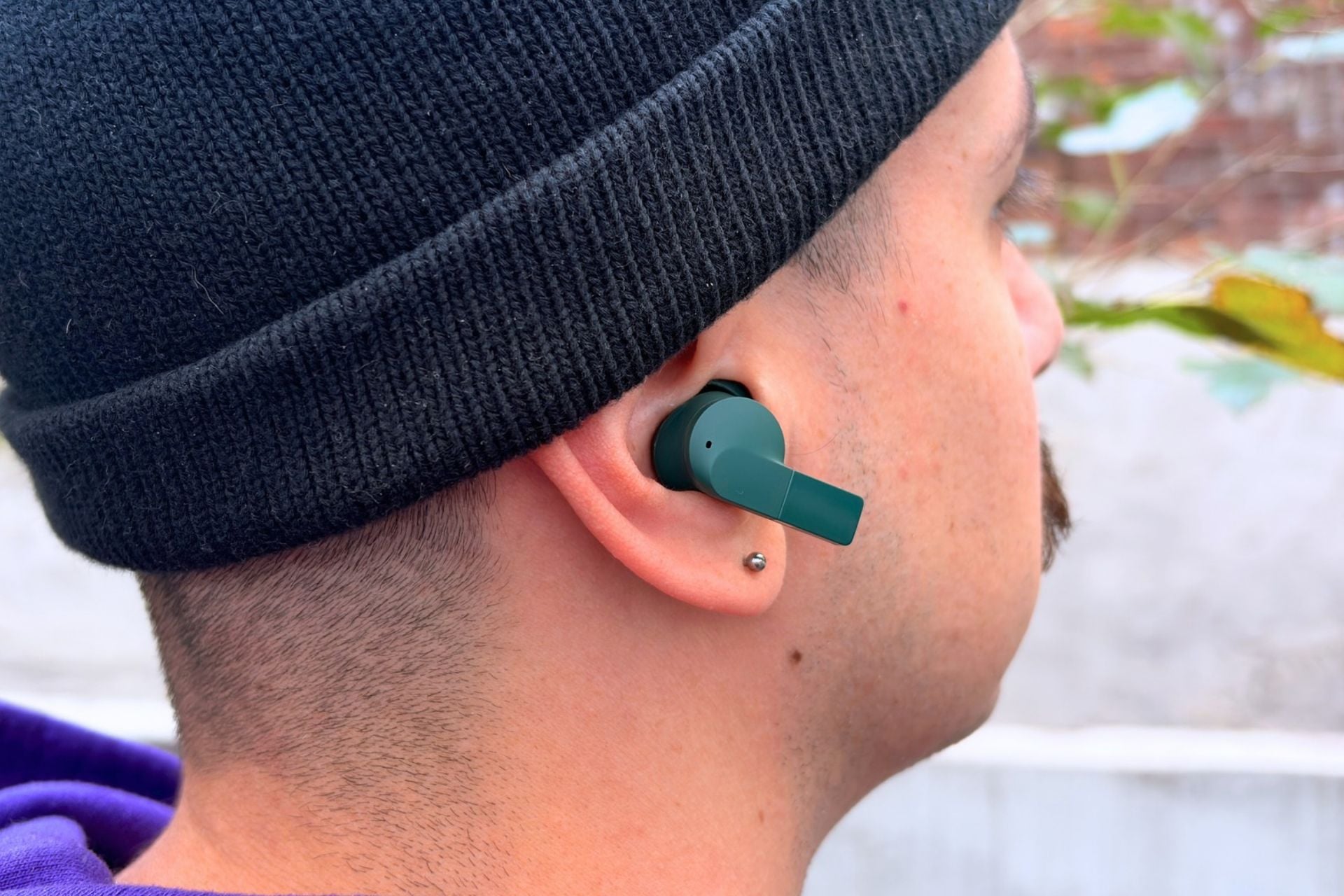
As long as we’re talking about size, it’s worth noting that the Fairbuds 2 didn’t totally jibe with my ears right out of the box, either. The default silicone ear tips were just a bit too small, making them feel loose in my ears, which isn’t typically the case for me. Luckily, it’s an easy fix, since Fairphone includes two other sizes in the box, so I just switched to the bigger pair, and the seal was much better.
You’re not going to get any wild software features with the Fairbuds 2. With a Fairbuds companion app, you can select different preset EQs or create your own custom EQ with five frequency bands. You can also use the companion app to toggle ANC on/off or switch to transparency, though I’m not going to lie, I am not a fan of transparency on the Fairbuds 2. While it does amplify your surroundings a bit, it feels like a weird in-between of being able to hear stuff but also having your ears stuffed up to the point where speaking feels awkward. The whole thing is a bit unnatural.
Also in the subpar category is calling. I tested the Fairbuds 2 out on a walk for a few minutes, and the person I called reported being able to hear all sorts of background noise. Not only that, but the algorithm that’s meant to uplift your voice and cancel out background noise seems to be a bit erratic. A few times, it amplified the voice of someone I walked by and dampened mine. Ultimately, the person I called rated the experience a 4/10.
Elsewhere, the Fairbuds 2 feel mostly up to snuff, though. The capacitive touch controls work fine (you can tap the earbuds to play/pause and skip tracks), and the battery life is decent though not groundbreaking. Fairphone says you get six hours of charge when listening with ANC on, and after an hour of listening at a little above 50% volume, my Fairbuds were at exactly 85%. That equates to a bit more than six hours on paper.
The fairest of them all
The Fairbuds 2 are really all about one thing: repairability. They do not have the best sound in the price range, or the best look, or the best feel, but if you care about longevity and trying to lower your footprint, then there really is no comparison. Whether you’re okay with sacrificing a bit to take advantage of that repairability is a personal choice, but I’m grateful that someone out there is trying to make gadgets that feel a little more sustainable. Lord knows our ailing planet needs it.