Kyle has covered Bitcoin and crypto for more than a decade. His work has been featured in Bloomberg, Wired, Fortune, Forbes, and many other media outlets. He can be followed on X at @kyletorpey.
Follow Kyle Torpey

The findings suggest possible surveillance interest in countries where Starlink is banned or restricted.
Are crypto-focused hardware devices even a good idea?
Crypto companies using “permissionless” tech still need permission when interacting with the real world.
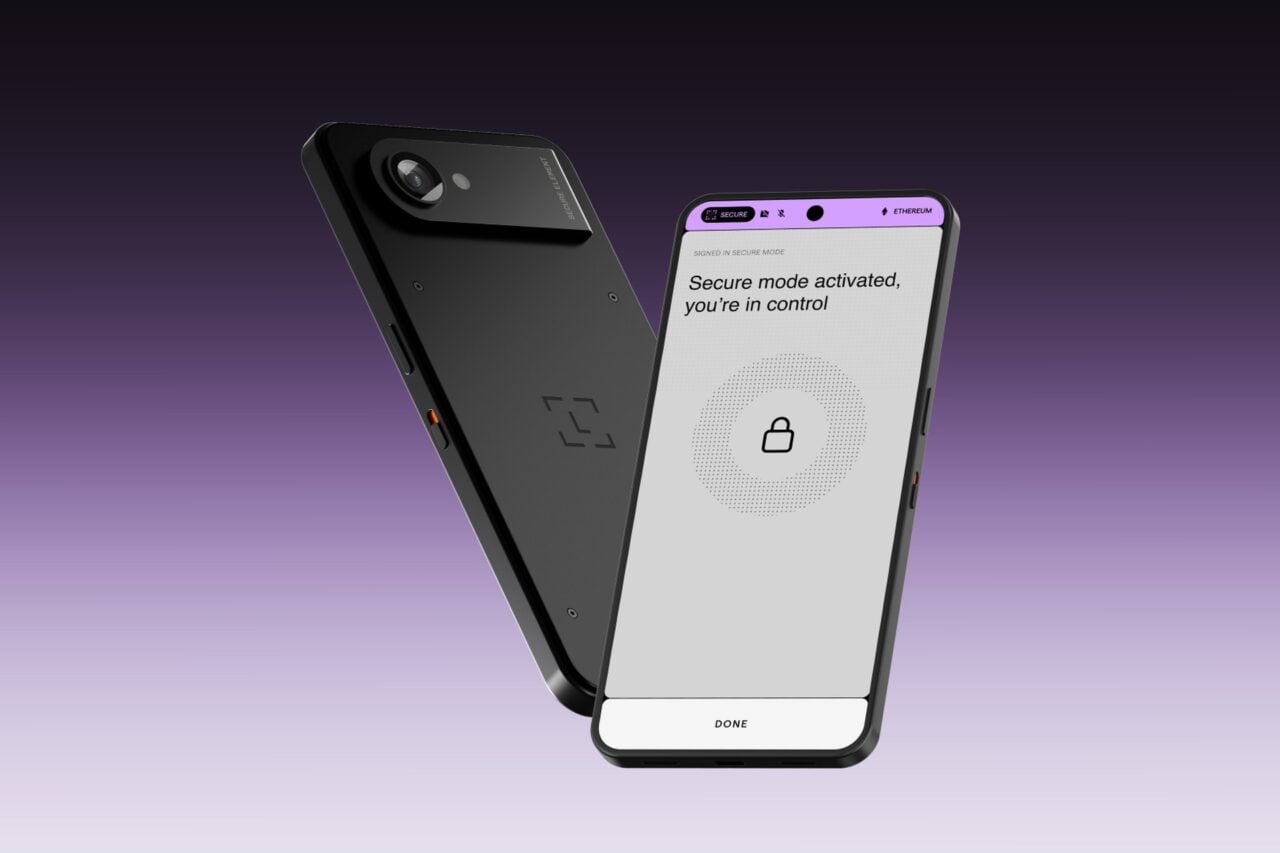
Some Bitcoin users say devices like Bitwater can help decentralize the crypto network.
Even a Knicks fan called it "nasty work."
The French spike in Bitchat interest follows a recent ban in India.
Individuals were able to convert some of those funds into more than $400,000 worth of products from Apple and other brands.
"On a long enough timeline, you will be forced to orb."
Remote code execution is now available on non-updated Plex servers.
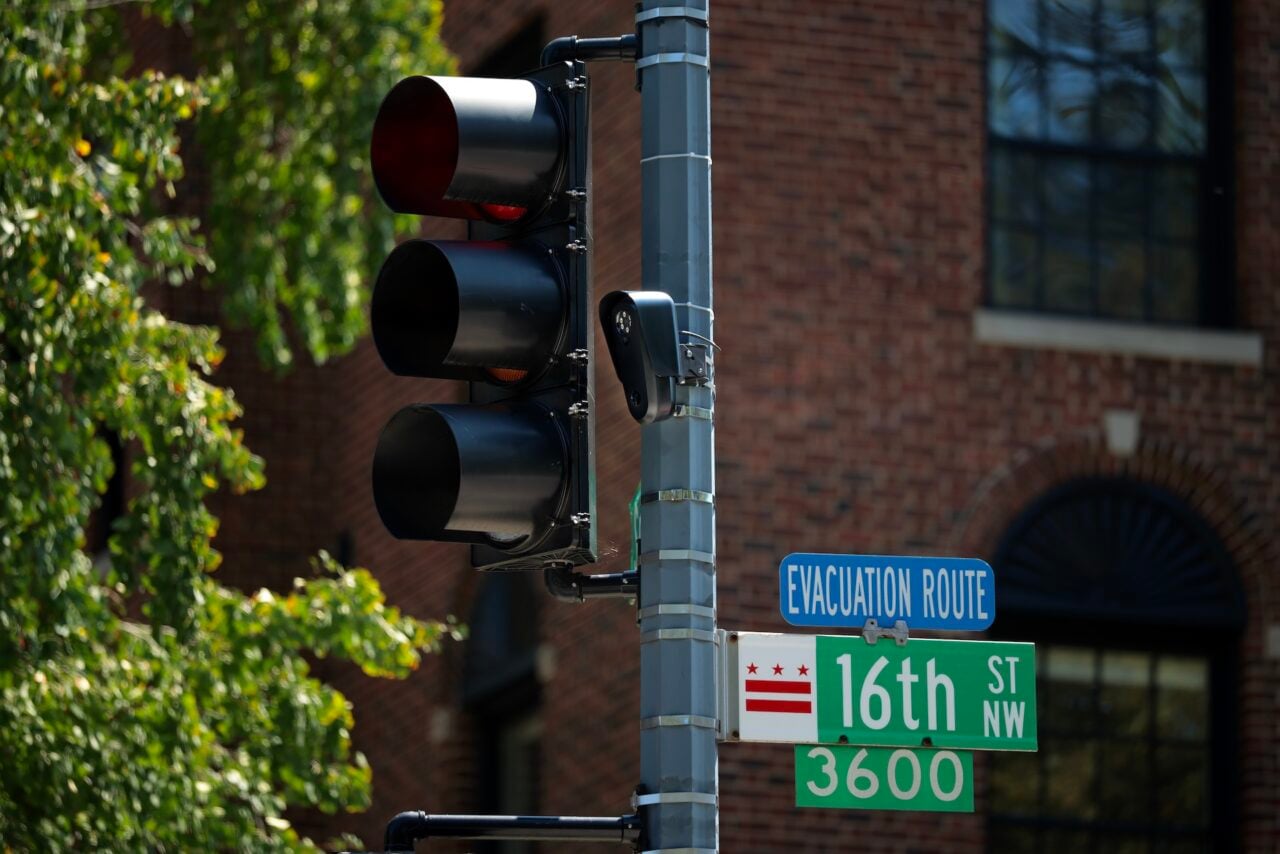
Georgia law appears to let Savannah police share their plate data with ICE, but the city never agreed to do that.
The crypto giant says a decision on Satoshi's coins can wait.
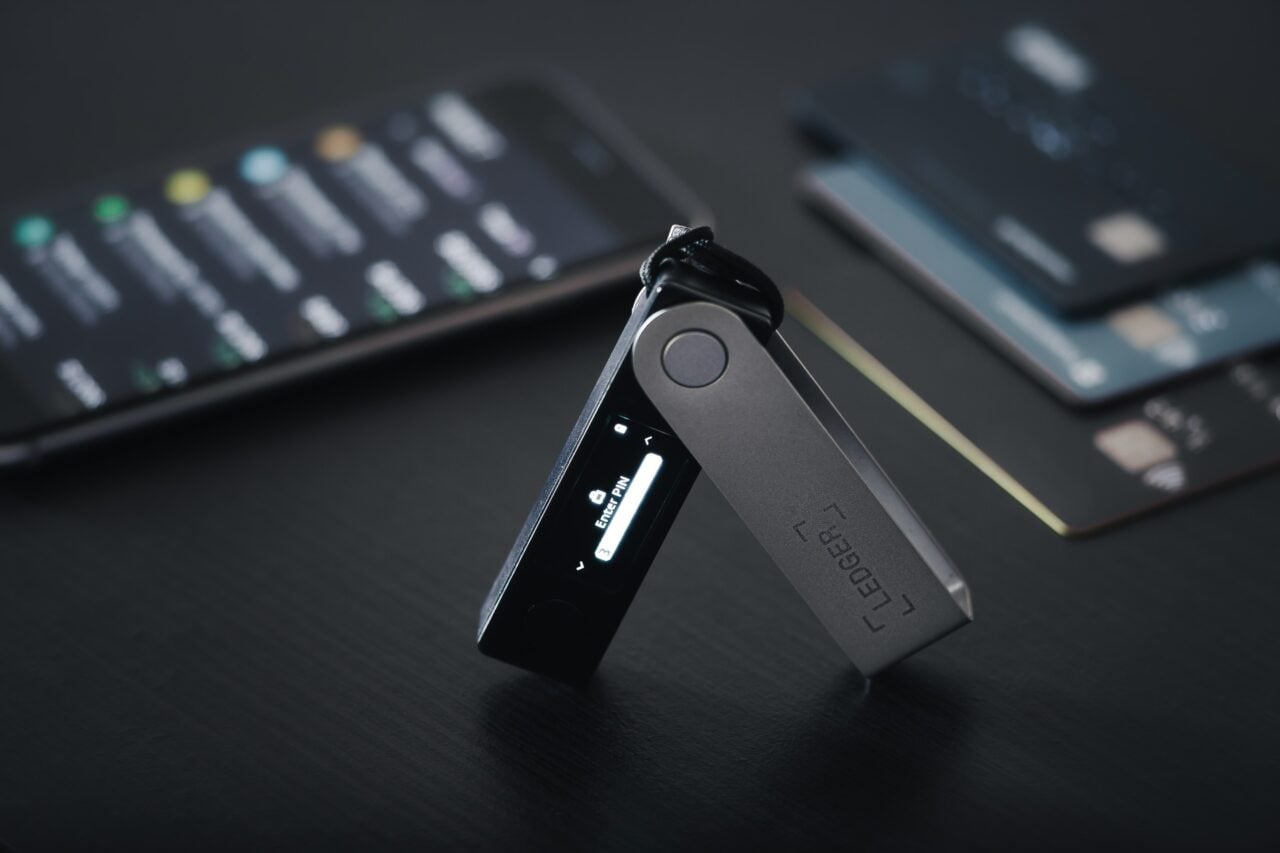
Ledger is also facing increasing scrutiny for how it dealt with earlier reports of backdoored devices months before crypto wallets were drained.
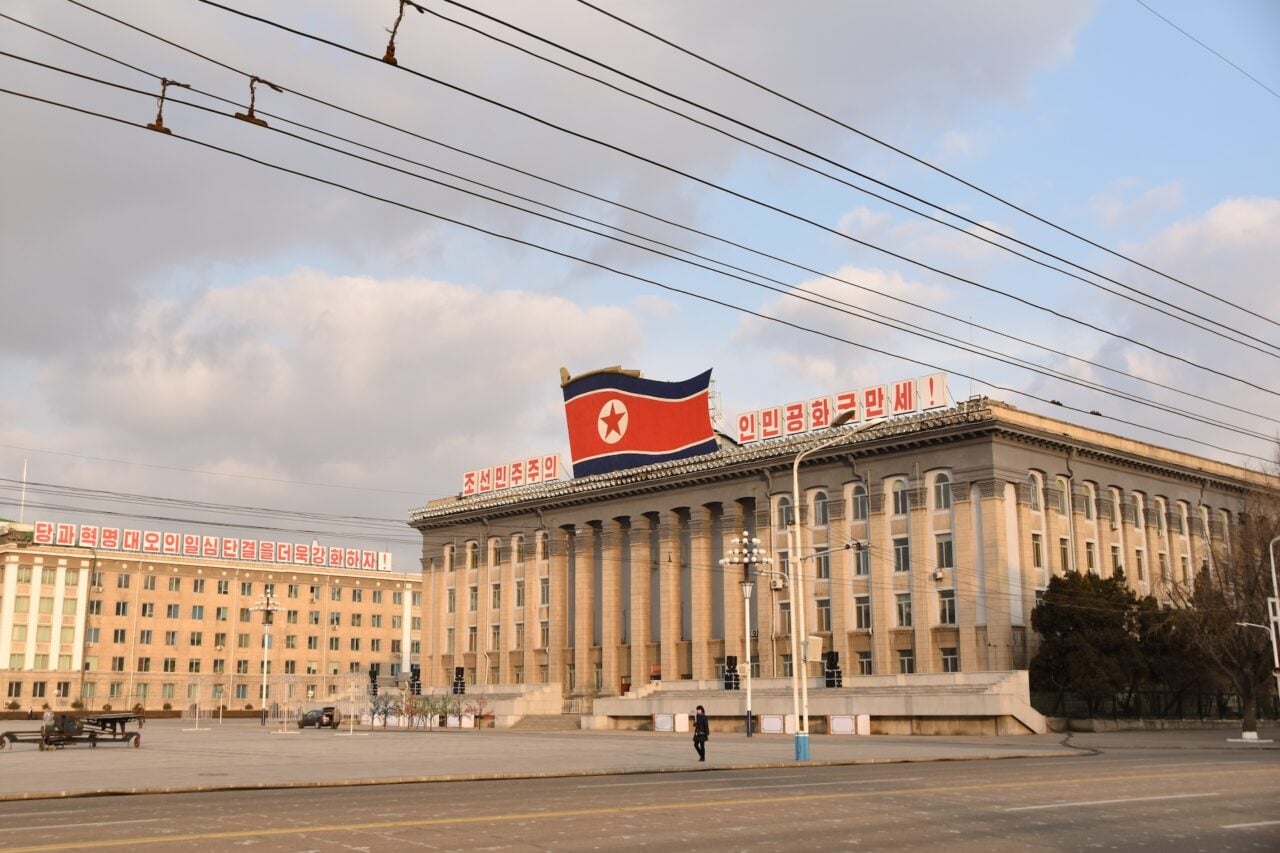
The FBI says American facilitators helped North Korean workers obtain remote jobs under false identities, generating millions for Pyongyang.
The attackers also apparently don’t know how to properly hide their tracks with Tornado Cash and Zcash.
The accuser also believes he was being physically followed and watched by local law enforcement.
Karpelès has been posting about “spy implants” found in Ledger’s crypto hardware wallets for nearly a month.
Crypto has dealt with multiple inflation bugs this year, one of the many signs that vulnerabilities found in industry projects are becoming more serious.
He published a book on handling cyber extortion last month.
An authorized Southeast Asian reseller is tied to reports of drained wallets.
An indictment says Zohar Pinhasi's MonsterCloud billed ransomware victims millions for a decryptor it did not have, then paid the attackers a fraction of that fee.