Republicans lost big this week in the midterm elections and will have to cede control of both the Senate and the House to the Democrats come next year. But before that, some are making sure to take full advantage of this power they will soon lose.
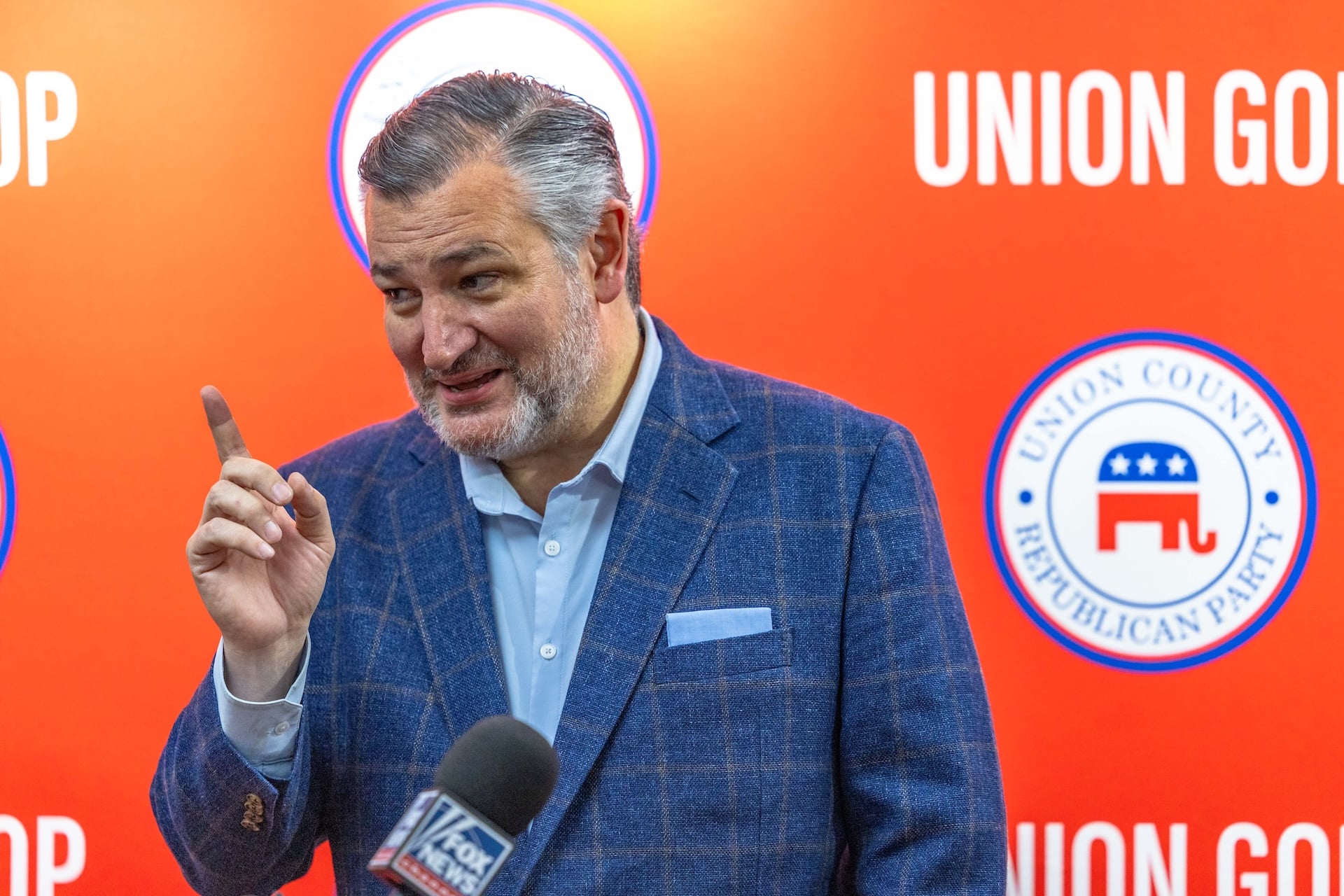
Earlier this week, Republican Texas Sen. Ted Cruz announced that the Senate Committee on Commerce, Science and Transportation will have a hearing next week to consider President Trump’s nominee for the Federal Communications Commission.
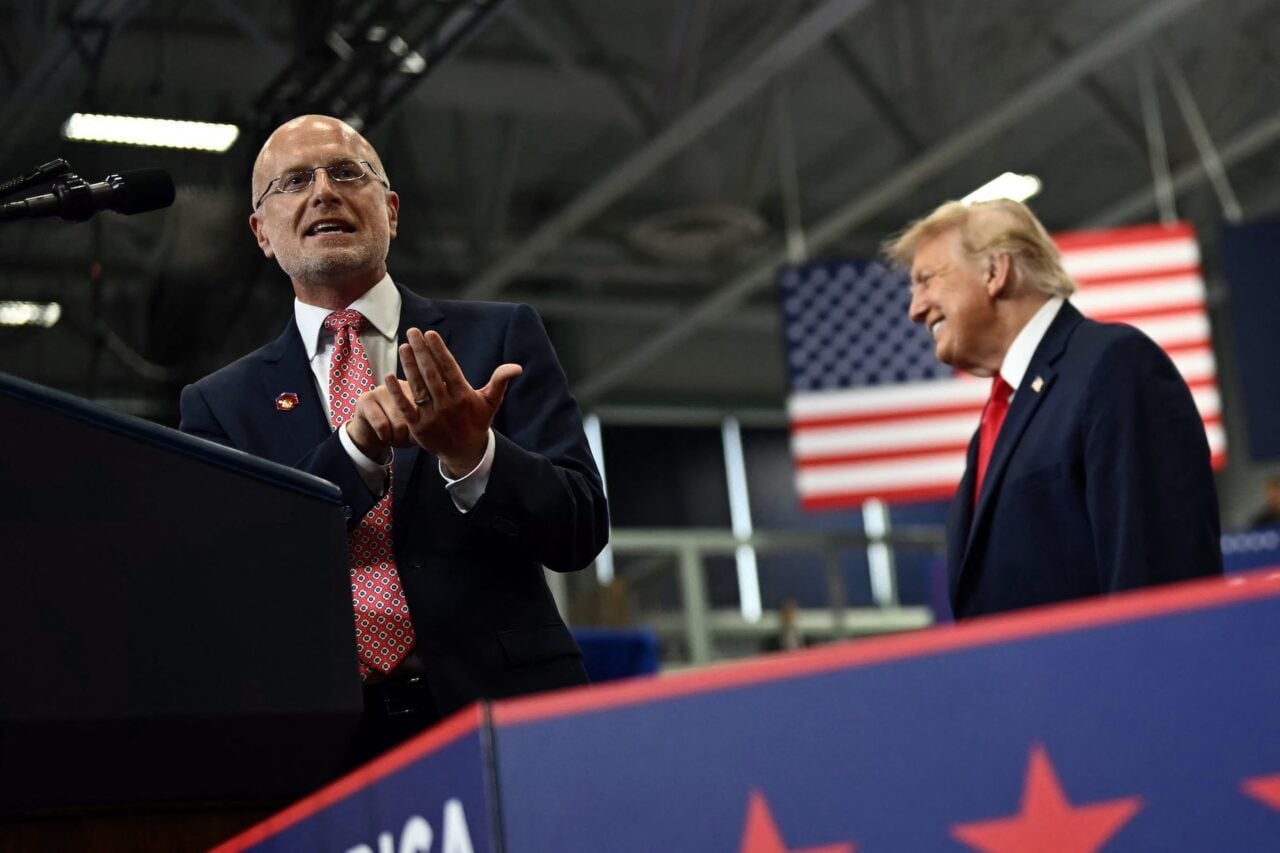
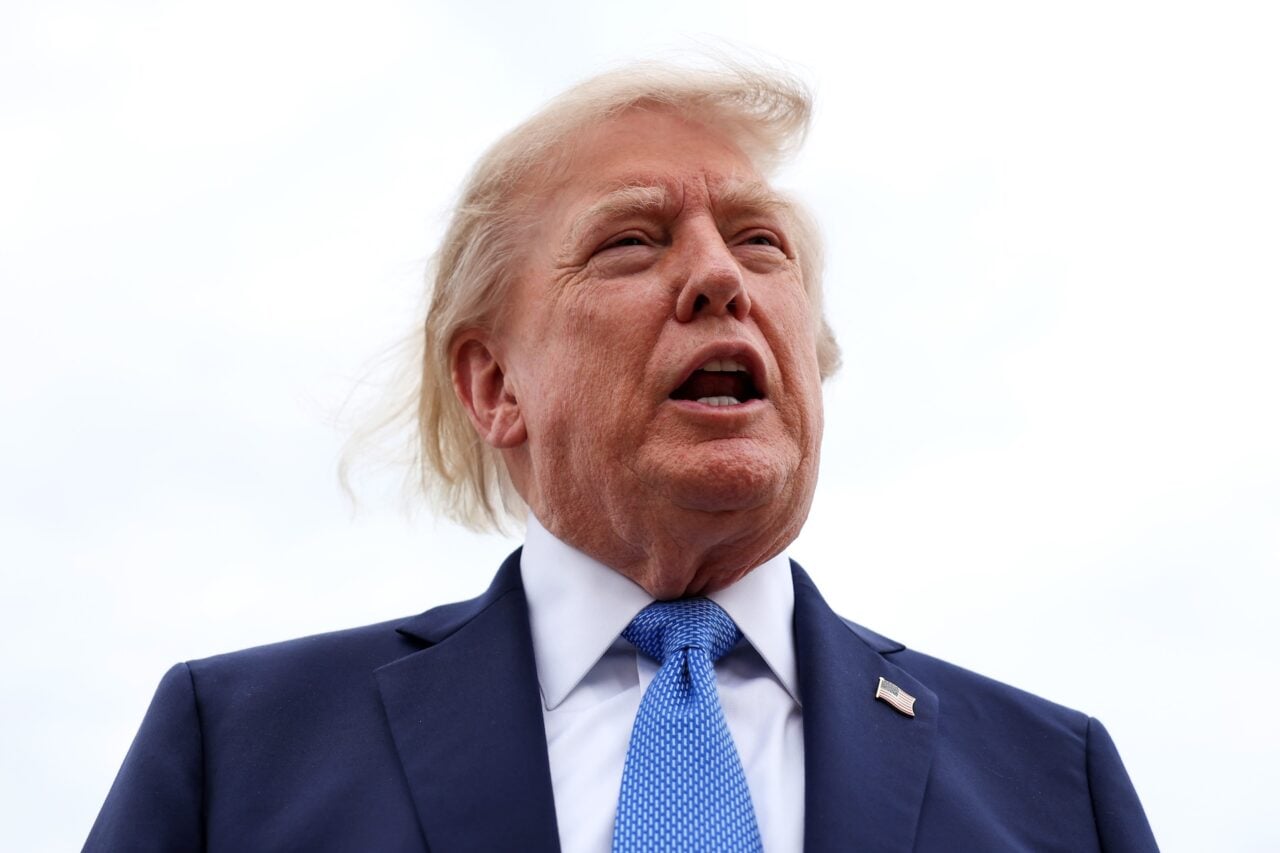
Trump nominated FCC Chairman Brendan Carr’s aide Danielle Thumann Severs to join the FCC back in August. If the committee advances Thumann Severs’s nomination following the November 10 hearing, she could face a full Senate confirmation vote before Republicans lose their majority in January.
If Thumann Severs is confirmed, the FCC’s Republican majority would expand from 2–1 to 3–1, potentially paving the way for an entirely Republican commission if Trump manages to remove its lone Democrat, Anna Gomez. Whether a 3–0 Republican FCC would be legal is a matter of dispute, however, given federal requirements intended to preserve some degree of political balance on the commission.
The FCC currently has just three commissioners, the minimum needed for a quorum: two Republicans and one Democrat, Anna Gomez. Gomez’s term expired June 30, but she can continue serving through the end of 2027 under a statutory holdover provision unless a successor takes office sooner. She would need to be renominated and confirmed to serve another term.
“Because the Communications Act sets a quorum at three members, there is speculation that the President intends to fire you once [Thumann Severs] is confirmed, attempting to run the agency with an all-Republican 3-0 panel,” Sen. Ron Wyden wrote in a letter sent to Commissioner Gomez. In the letter, Sen. Wyden argues that the law requires bipartisan representation even when the commission has fewer than five members, though that interpretation could face legal challenges. The FCC can have five commissioners, and the law allows at most only three of these commissioners to be from the same political party.
“If the administration were to decide to operate a 3-0 Republican FCC, despite this clear statutory design, the consequences would be staggering,” Wyden wrote. “Under an all-Republican commission, every single license renewal, equipment certification, spectrum transfer, or other delegated action would be legally defective, casting a cloud of crippling legal uncertainty over the entire communications industry.”
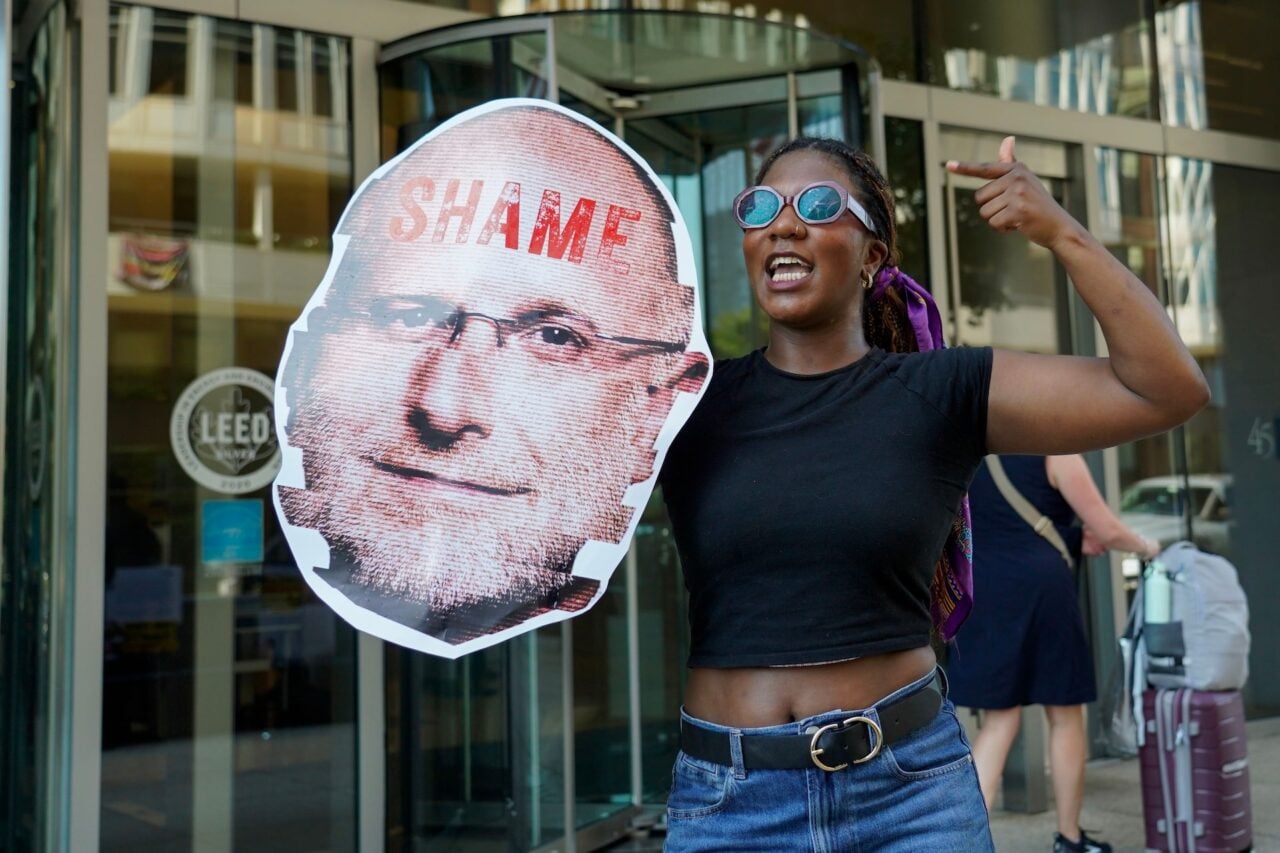
Under the Trump administration and the current Republican-led majority, the FCC has made some controversial decisions. In a Senate testimony last year, FCC Chairman Brendan Carr said that the FCC was “not an independent agency,” while the agency’s website was changed to remove the word “independent” from its mission statement.
Over the course of Trump’s presidency, Carr has threatened broadcasters several times, especially those that fell at odds with the President. Last month, Carr posted a tweet suggesting that the FCC could punish any broadcaster that airs “entirely Fake Polls and Suppression Polls,” a Trumpism that the President often uses to refer to polls that he doesn’t like.
FCC Chairman Brendan Carr also threatened regulatory action against ABC following Jimmy Kimmel’s comments about the assassination of conservative activist Charlie Kirk. ABC subsequently suspended Kimmel, though the host returned to the air less than a week later. ABC was subsequently hit with early license reviews and FCC investigations. Both Kimmel and CBS’s Stephen Colbert also kept interviews with Democratic Senate candidate James Talarico off broadcast television, citing pressure or concerns arising from the FCC’s interpretation of the equal-time rule. Colbert, who had faced criticism from Trump and scrutiny from the FCC, signed off in May after CBS canceled The Late Show, ending the franchise’s 33-year run.
In August, the FCC also eliminated its TV ownership cap rule, which previously restricted any one entity from gaining reach to more than 39% of American households via TV station ownership. At the time, Commissioner Gomez, the FCC’s lone Democrat, deemed the rule change “unlawful,” arguing that only Congress could change the rule since it was established by federal law.