SpaceX’s ambitious plan to turn Earth’s orbit into a giant data center is one step closer to reality after the company received approval to deploy a massive constellation of AI-chip-equipped satellites.
On Wednesday, the Federal Communications Commission (FCC) authorized SpaceX to launch a constellation of up to 1 million satellites designed to process AI workloads beyond Earth’s atmosphere. This marks the agency’s first approval of a full constellation of orbital data centers, while several other companies, including Google and Blue Origin, are pursuing the same goal.
SpaceX is already responsible for one of the largest satellite constellations ever assembled, with just over 11,000 of its Starlink satellites in orbit. The company’s proposed Starmind constellation would increase the total number of satellites in Earth orbit by roughly 50-fold.
The making of Starmind
The proposed constellation was first formally put forward by SpaceX in an application submitted to the FCC on January 30. The company describes Starmind as “capturing solar energy in space to power low-cost, high-performance AI compute for Earth.”
The satellites would function as interconnected data centers, processing information for use back on Earth. Rather than simply expanding its Starlink broadband network, SpaceX envisions a fleet of solar-powered computing satellites linked together through high-bandwidth laser communications, potentially providing the enormous computing capacity needed to support increasingly demanding AI applications.
“This action opens a bold new frontier for the computing infrastructure needed to power America’s leadership and growth,” Brendan Carr, FCC chairman, said in a statement. “By moving compute capacity beyond Earth, SpaceX and the many competitors working on their own orbital data centers are meeting the moment. This is the kind of American ingenuity that can unite our strengths in space and advanced technology, reinforce our economic leadership, and expand prosperity here at home.”
Under its new license, SpaceX must deploy its first operational Starmind satellite by November 2033. The company must then deploy 10% of the constellation, or 100,000 satellites, by November 2035, and 50% by November 2038. SpaceX has until 2040 to deploy the full constellation, giving the company 14 years to put together this rather ambitious undertaking.
The FCC did not approve every aspect of SpaceX’s proposal. The company sought a waiver to allow satellites operating above 372 miles (600 kilometers) to be moved into so-called graveyard orbits at the end of their operational lives, rather than being brought down to burn up in the atmosphere. The agency said SpaceX had not provided sufficient information about its proposed disposal process.
One of the biggest points of contention surrounding SpaceX’s proposal was its potential environmental impact, with several scientific and environmental organizations calling on the FCC to conduct a more comprehensive review before granting approval.
The Secure World Foundation urged regulators to assess the cumulative risks to orbital sustainability, while the American Astronomical Society warned that the constellation could significantly interfere with ground-based astronomy. However, the FCC ultimately declined to undertake a comprehensive environmental assessment, arguing that several of the concerns fell outside its regulatory jurisdiction.
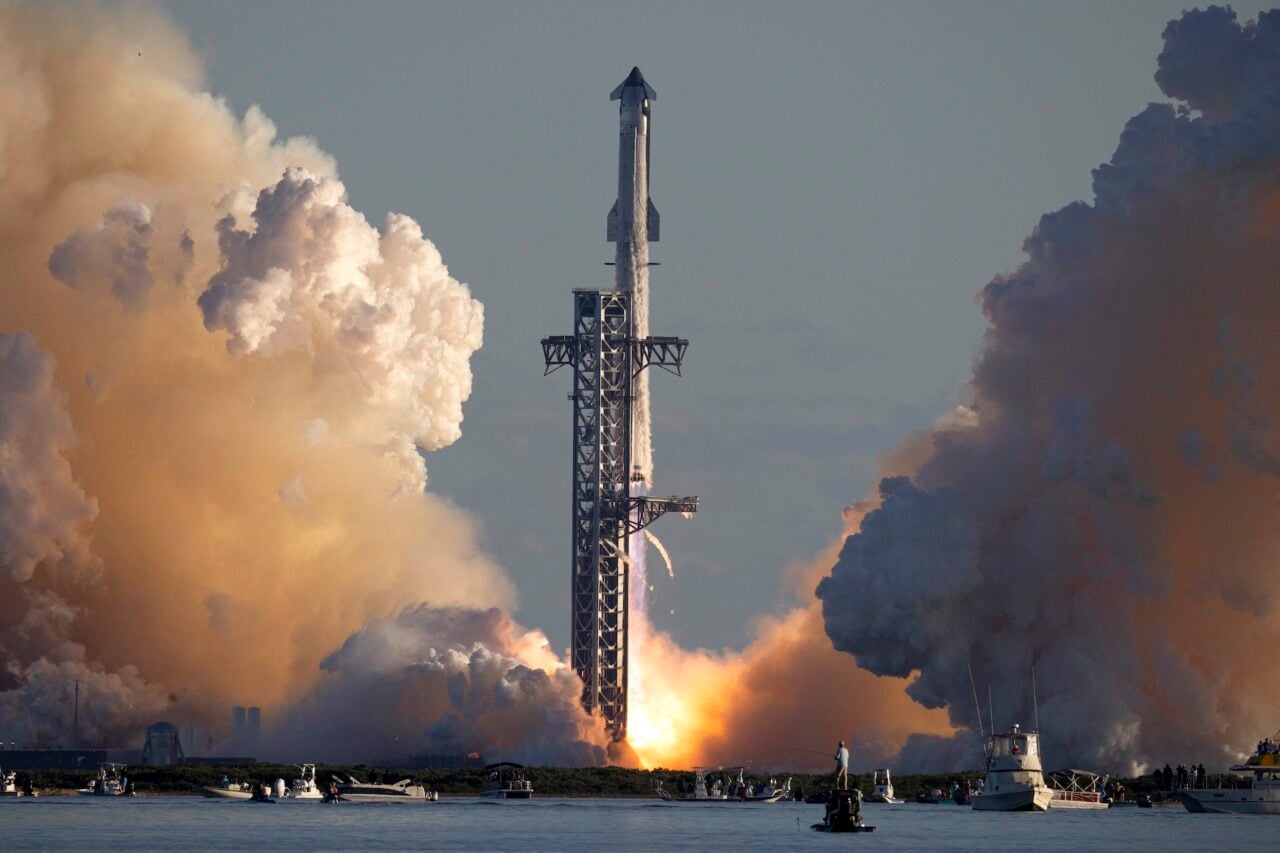
While the FCC’s decision is a major regulatory step for Starmind, it doesn’t necessarily mean SpaceX has everything it needs to launch its constellation. The company’s proposed satellite constellation relies heavily on its Starship rocket. Deploying hundreds of thousands of satellites would require a launch cadence and payload capacity far beyond what conventional rockets could economically provide.
The FCC’s decision could mark an important first step toward making orbital data centers a reality, but whether the concept can live up to its ambitious promises remains an open question.