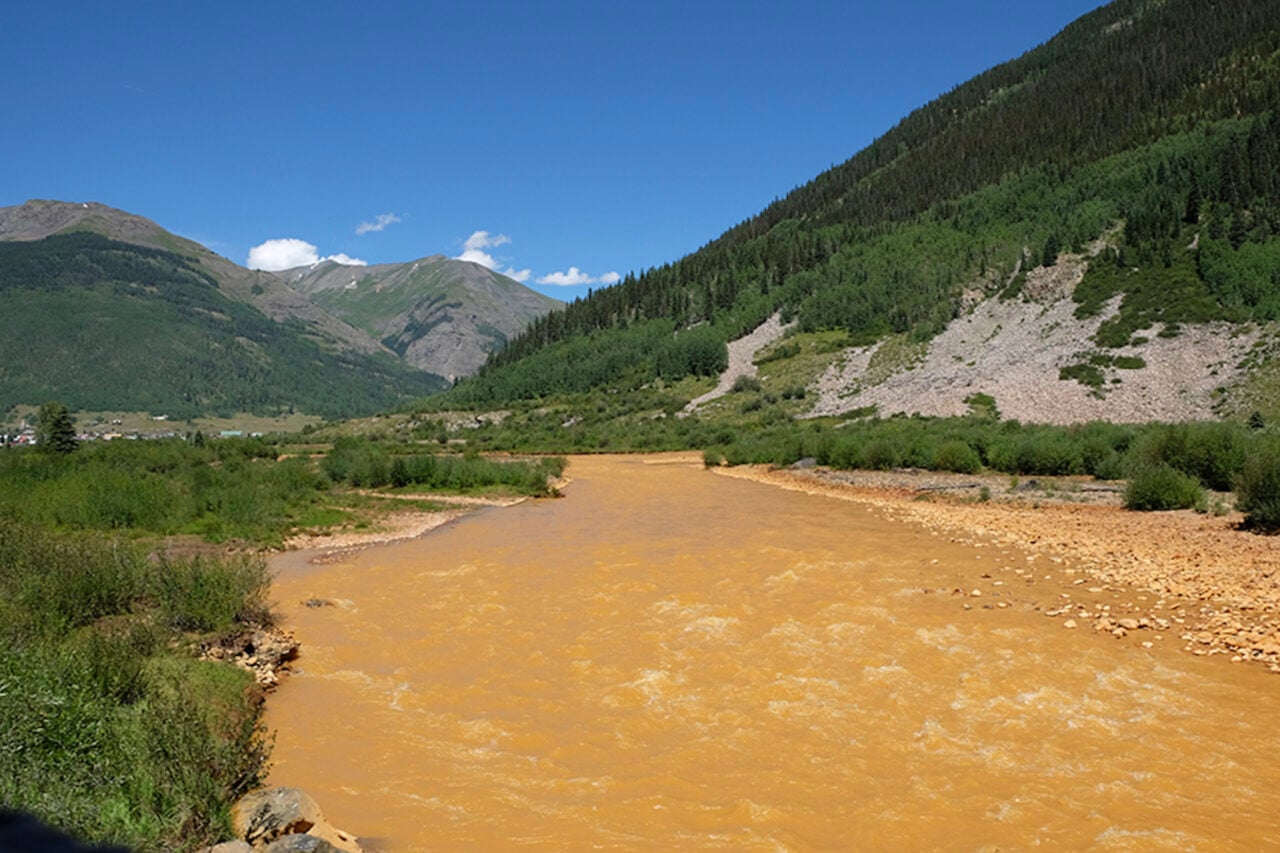
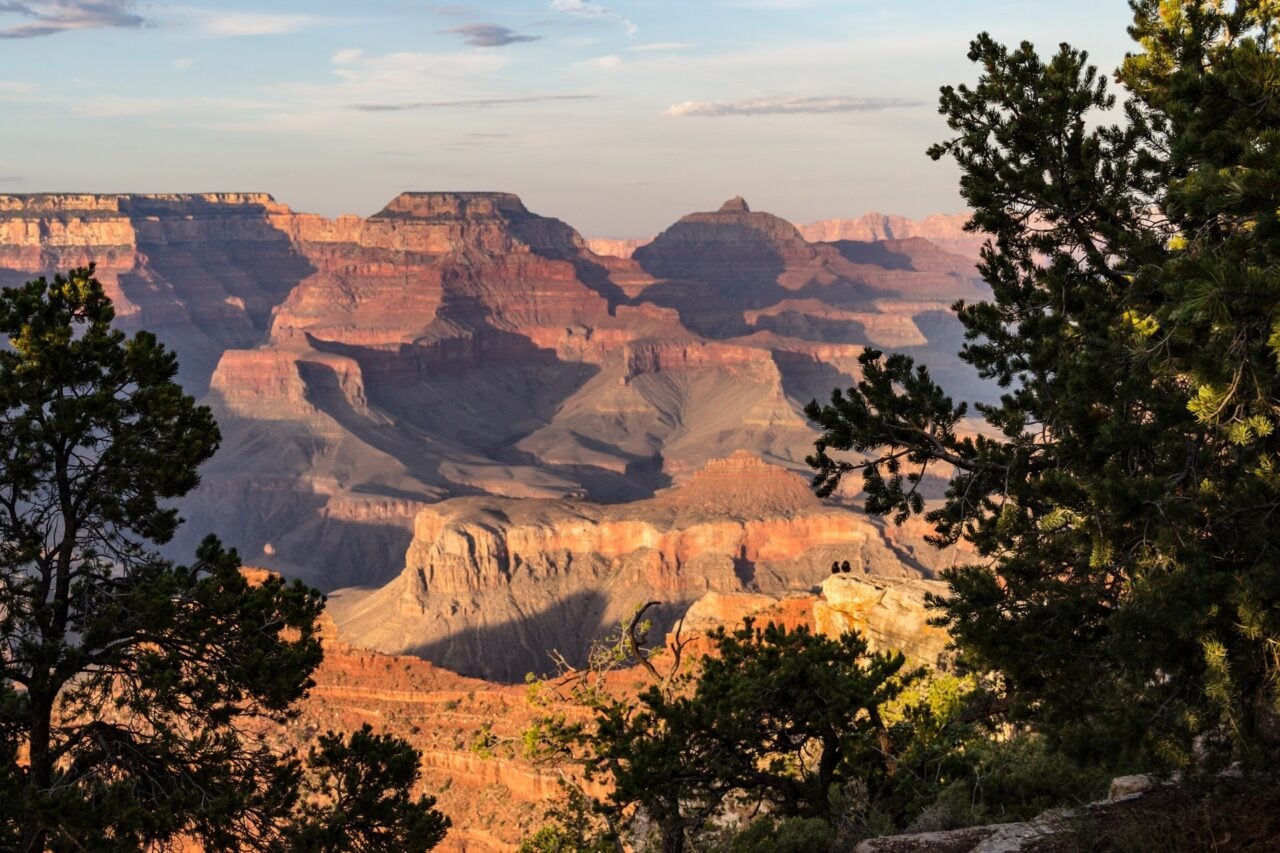
Tens of thousands of U.S. parks—everything from national forests to local hiking trails—sit precariously close to EPA-designated toxic sites, researchers found.
After two months of quiet investigation, Blue Origin’s CEO says his team has identified what turned New Glenn into a fireball—and the fix “will be ready by the end of this month.”
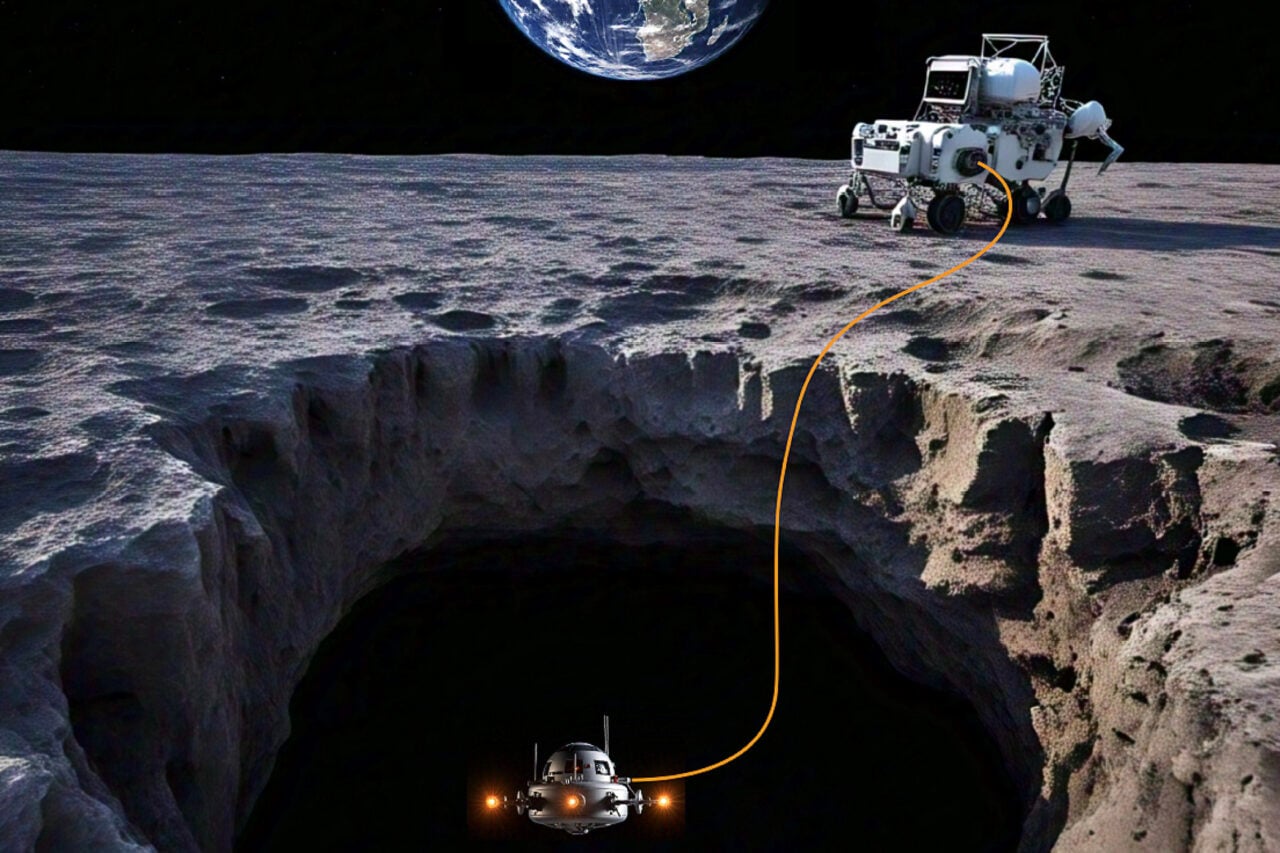
NASA awarded $175,000 for preliminary research into lunar cave-spelunking drones as part of $3.2 million dispersed via its “innovative advanced concepts” awards this summer.
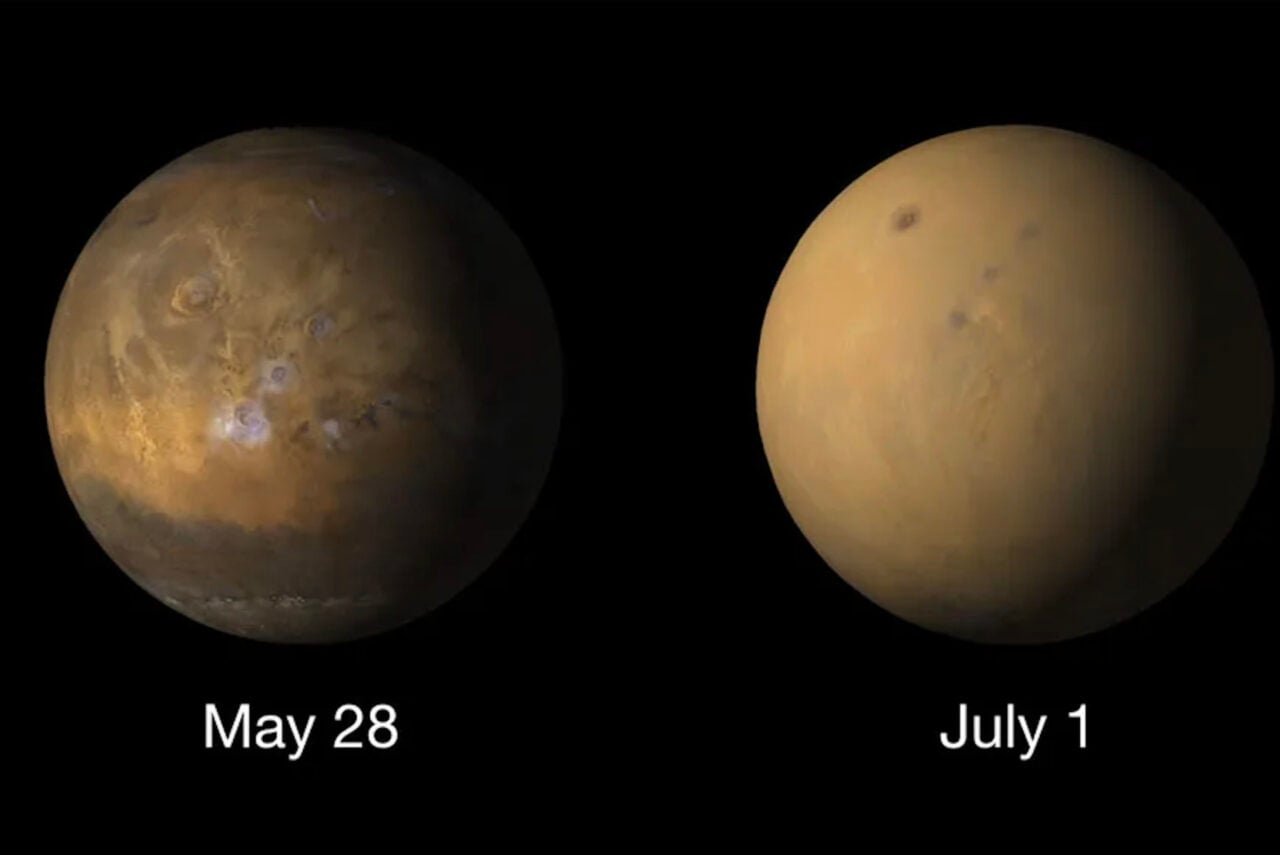
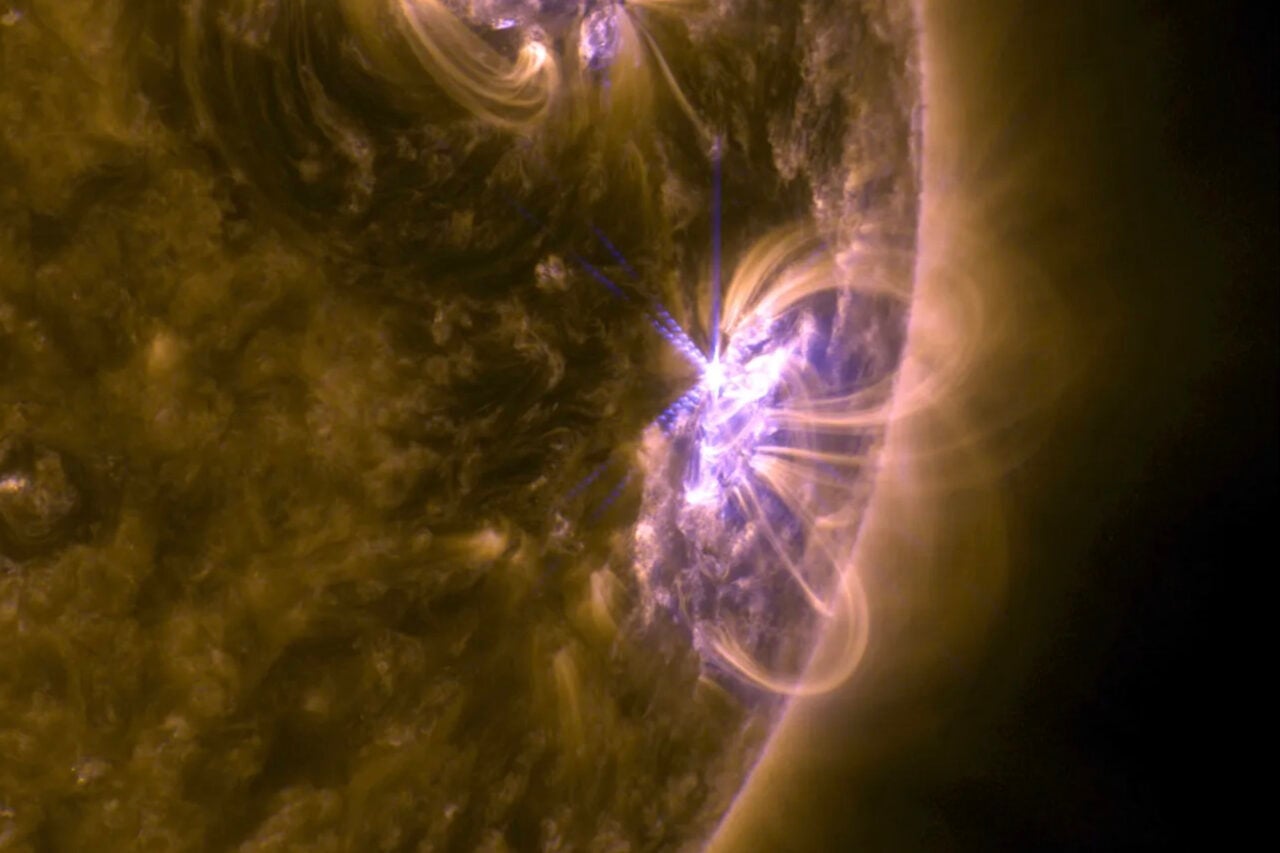
Astronomers found evidence that solar storms and dust storms magnify heat synergistically on Mars, by as much as 90 degrees Fahrenheit (50 degrees Celsius).
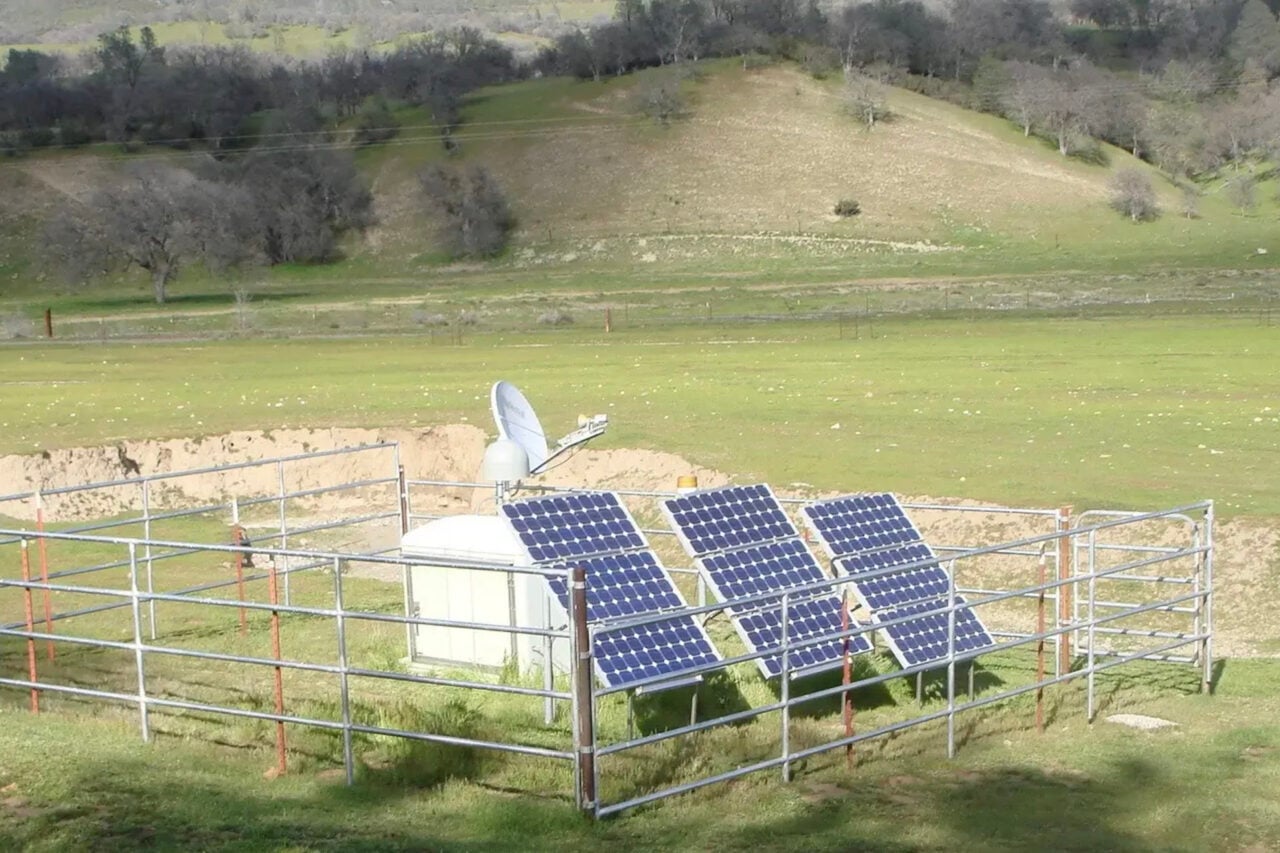
Researchers tested a new technique that uses fiber optic cables to detect earthquakes. It’s twice as precise as what the government currently uses.
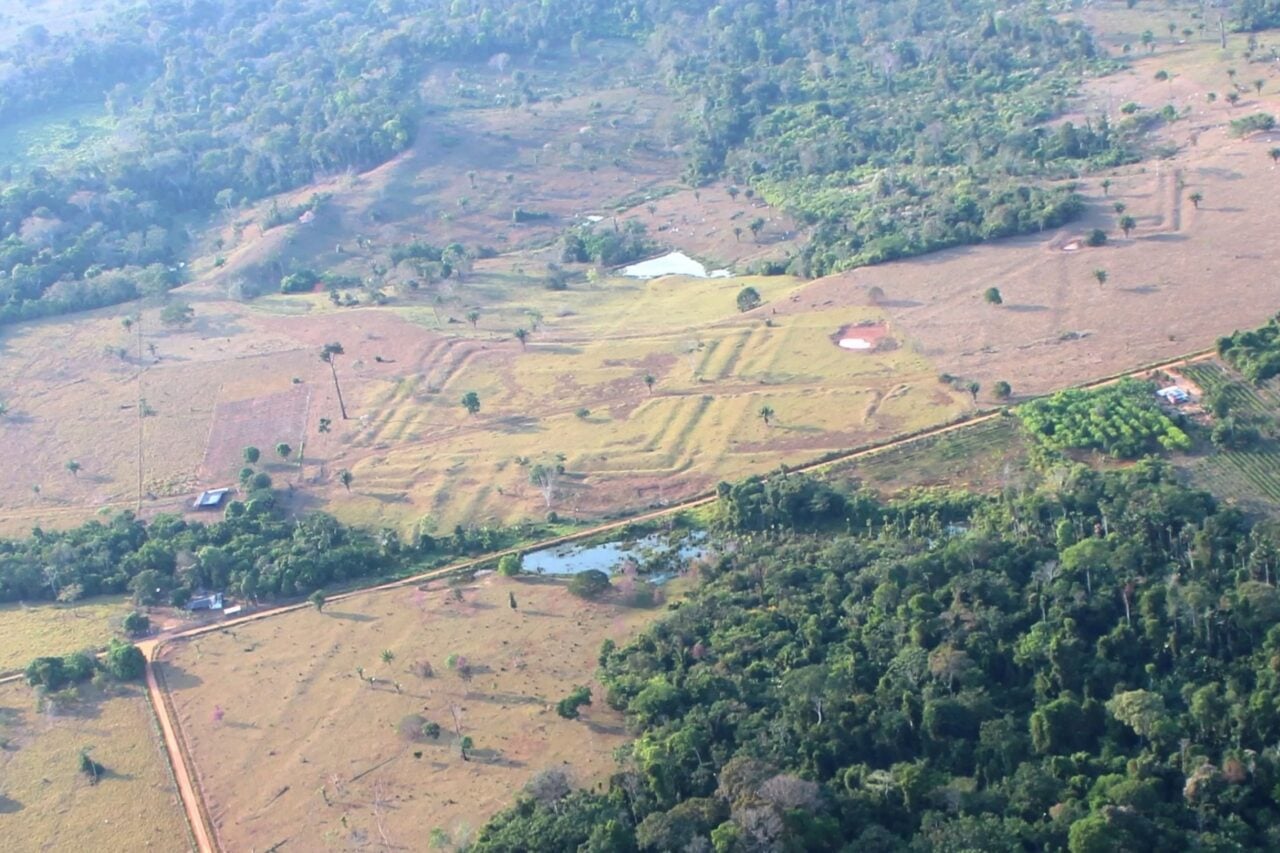
New airborne laser scans surveying the Amazon have found ancient human structures rewriting the history of this allegedly pristine wilderness.
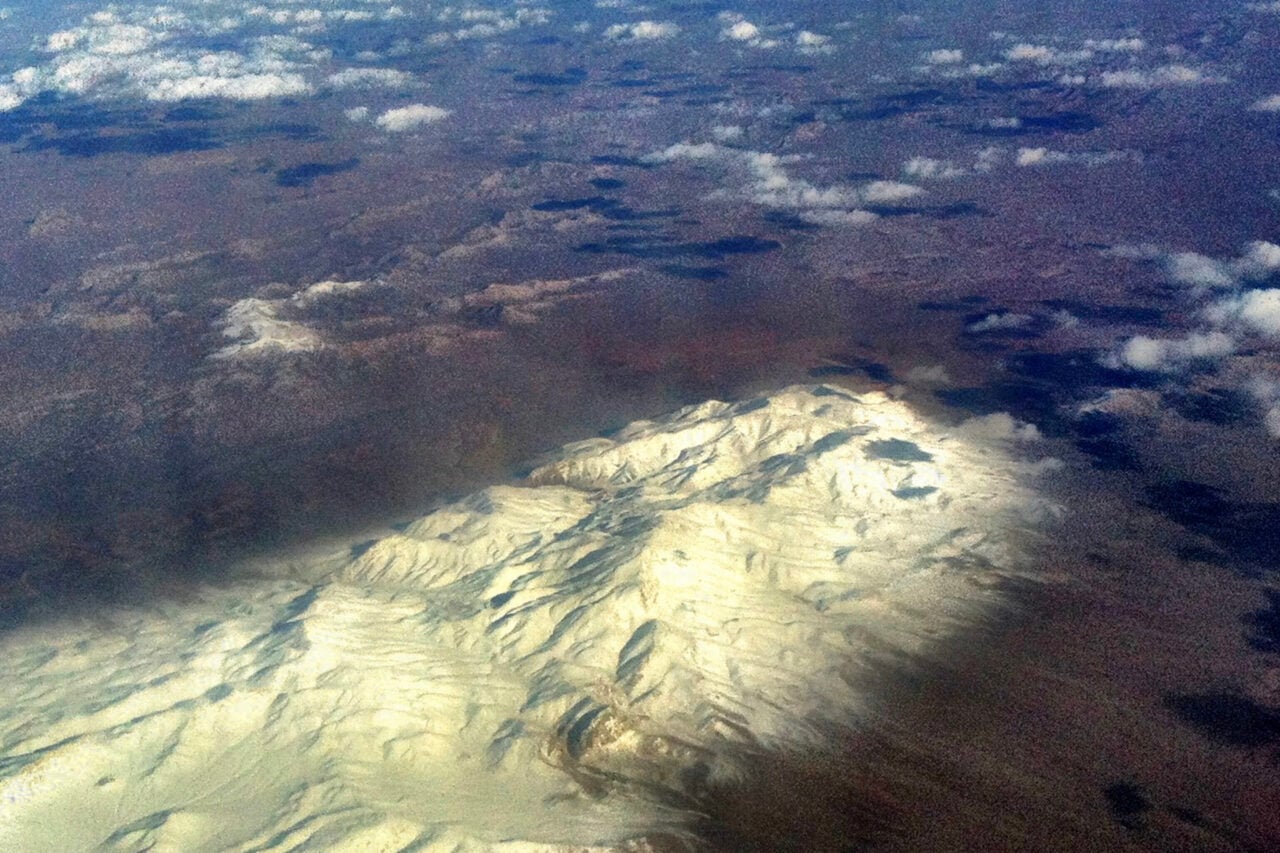
Iran’s underground construction beneath Pickaxe Mountain is naturally protected by tons of volcanic rock.
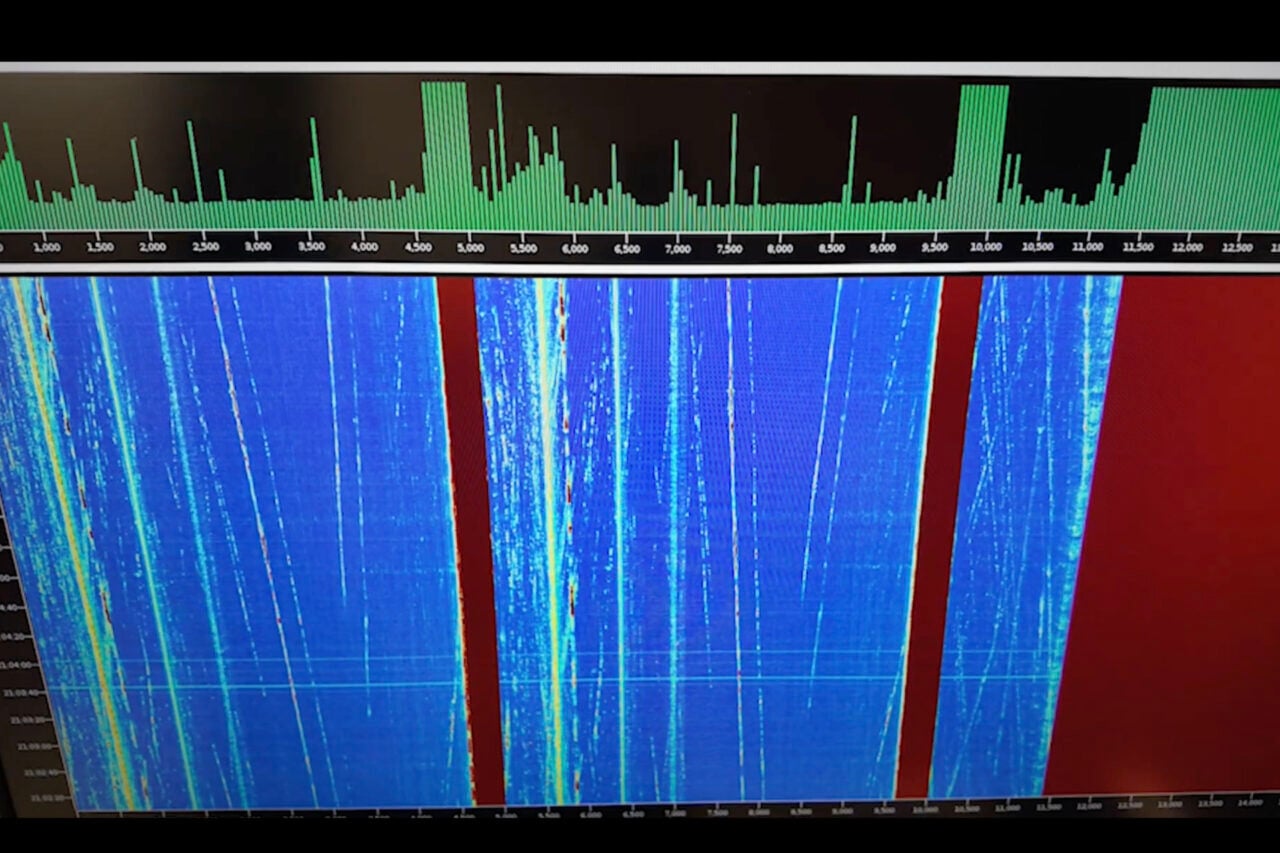
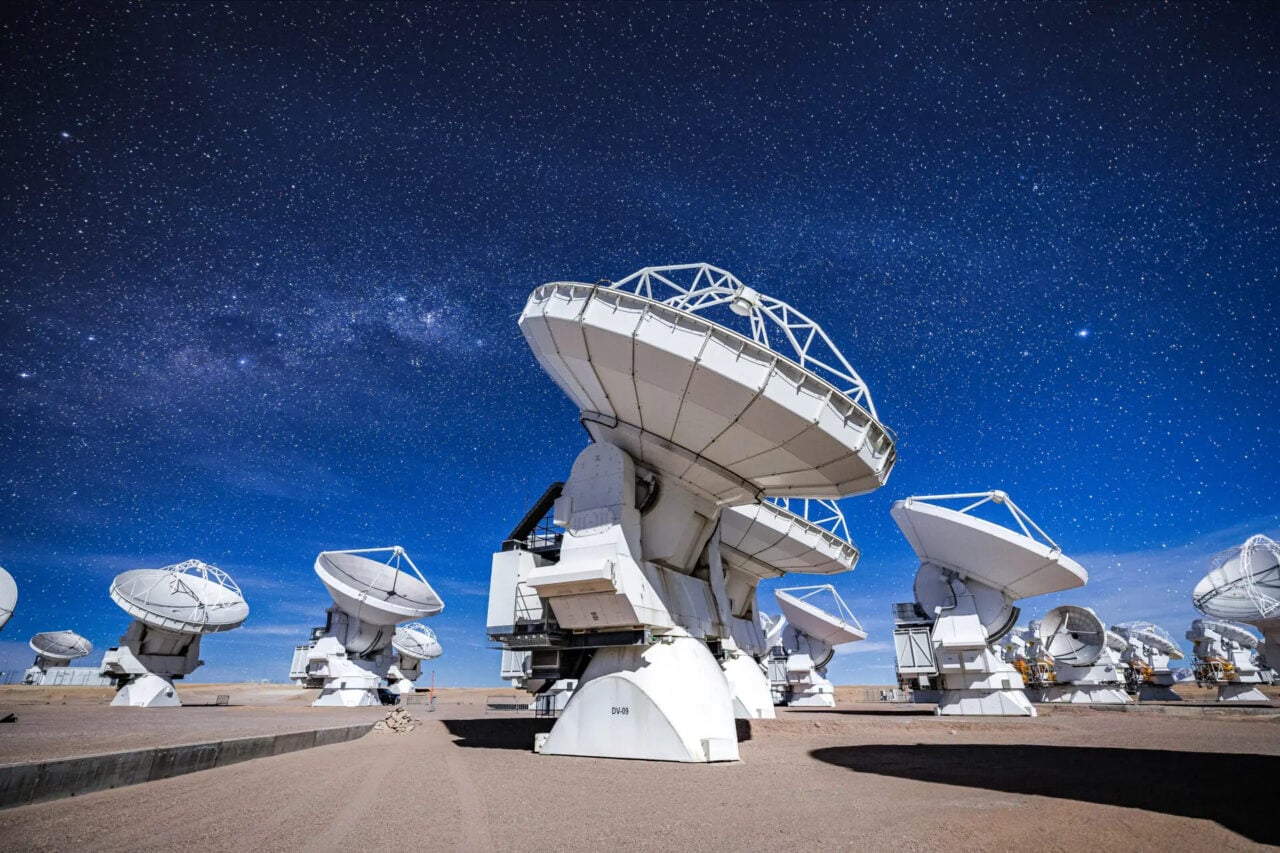
Researchers are zeroing in on more deliberate “narrow-band” alien signals, well outside the radio frequencies SETI has focused on for decades.
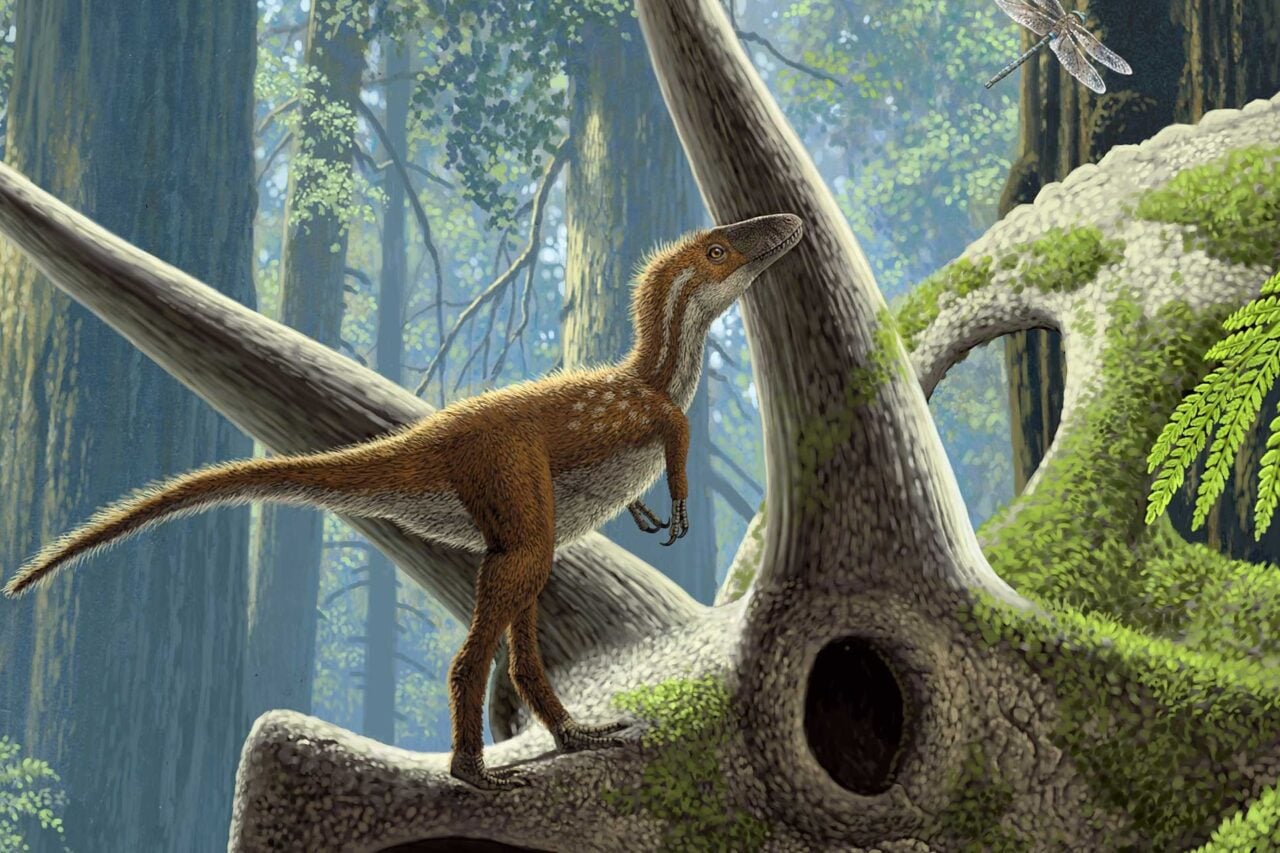
Rare fossils of young T. Rex are finally filling in a huge gap in the dinosaur’s life cycle.
Amateur archaeologist Bill Ott went missing in 2012 while hunting for undocumented prehistoric rock art paintings. His backpack is still missing.
New research led by NASA Goddard found persistent “erroneous measurements” skewing past estimates for how severe geomagnetic storms can get.
A CDC lab tasked with tracking cyclospora outbreaks lost most of its staff during the DOGE cuts, and we're now having to grapple with the fallout.
Conservation scientists have determined that Trump’s plan to rescind the 2001 “roadless rule” could jeopardize clean water supplies in key states across the American West.
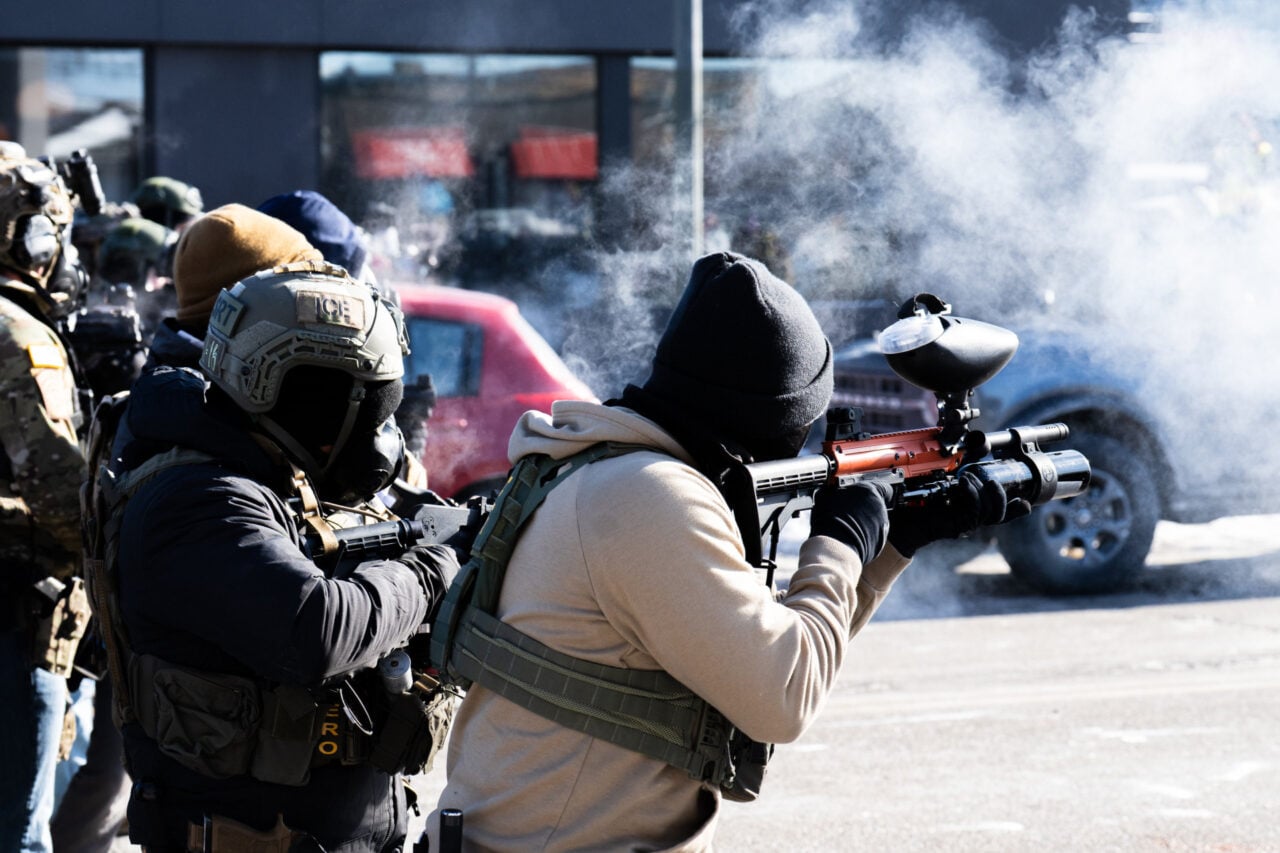
A physicians’ group has documented over 100 injuries caused by federal agents deploying nonlethal weapons in ways that violated manufacturer guidance and their own agency’s policies.
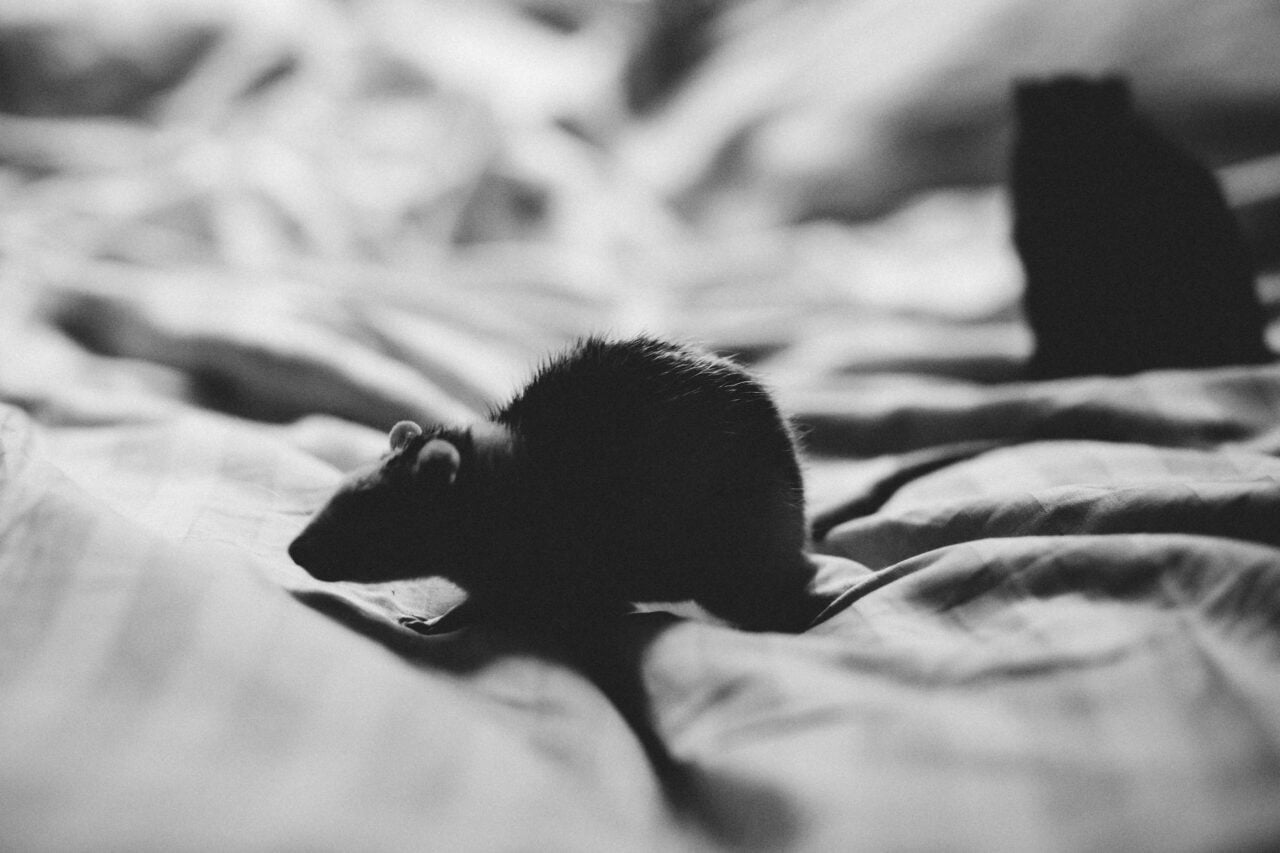
Researchers discovered groups of rodents carrying genetic mutations tied to rat poison resistance.
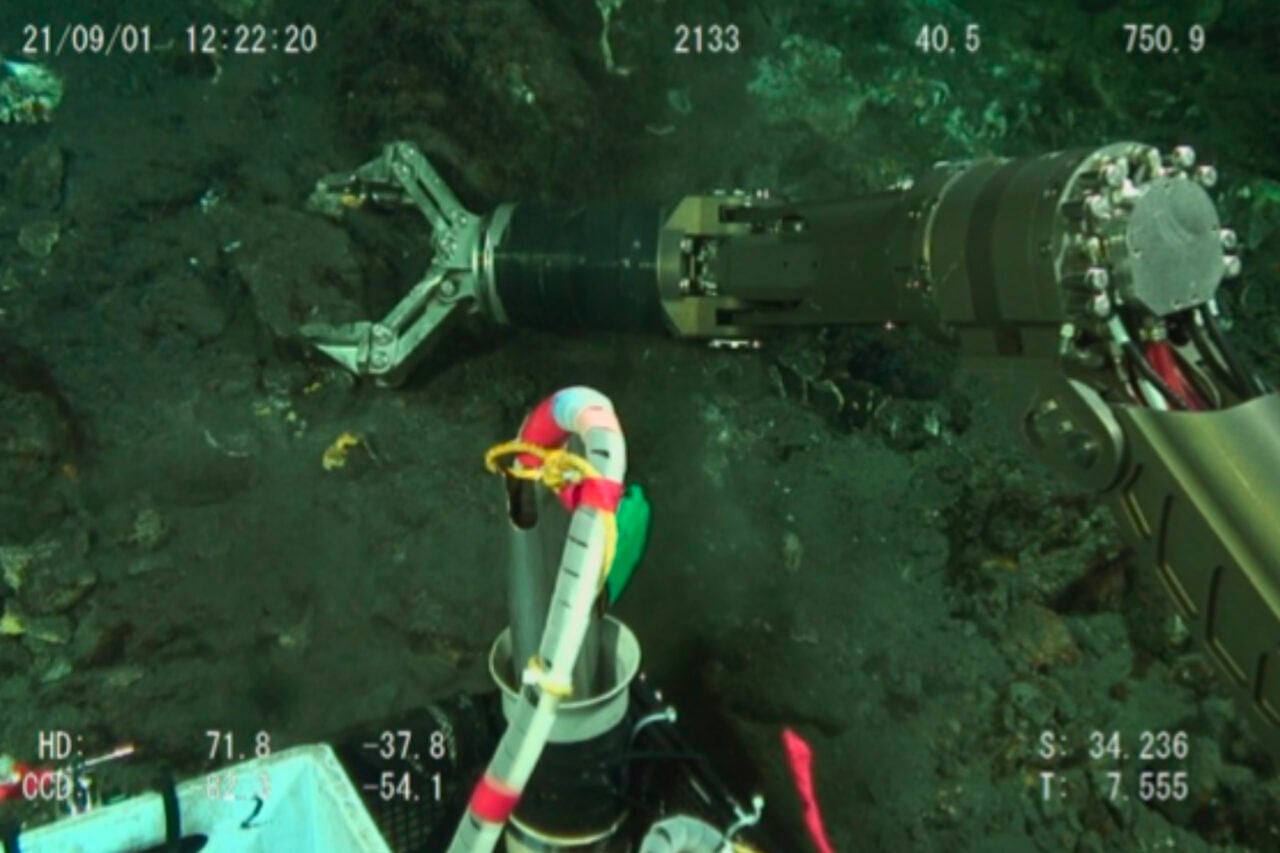
Geologists found what they call “invisible gold” hidden within a surprising mineral near undersea hydrothermal vents.
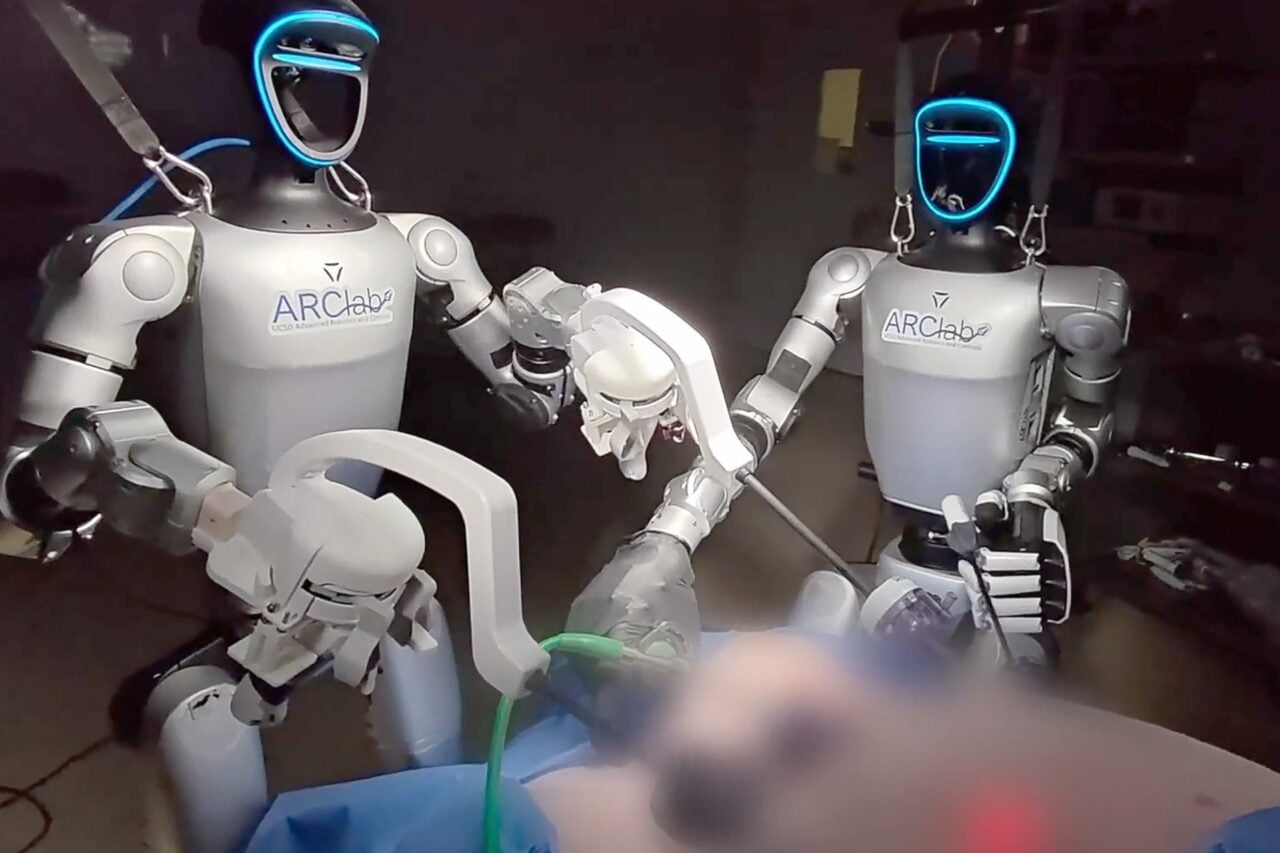
Two human-like robots just used regular surgical instruments and their bare android hands to competently operate on a living animal for the first time.
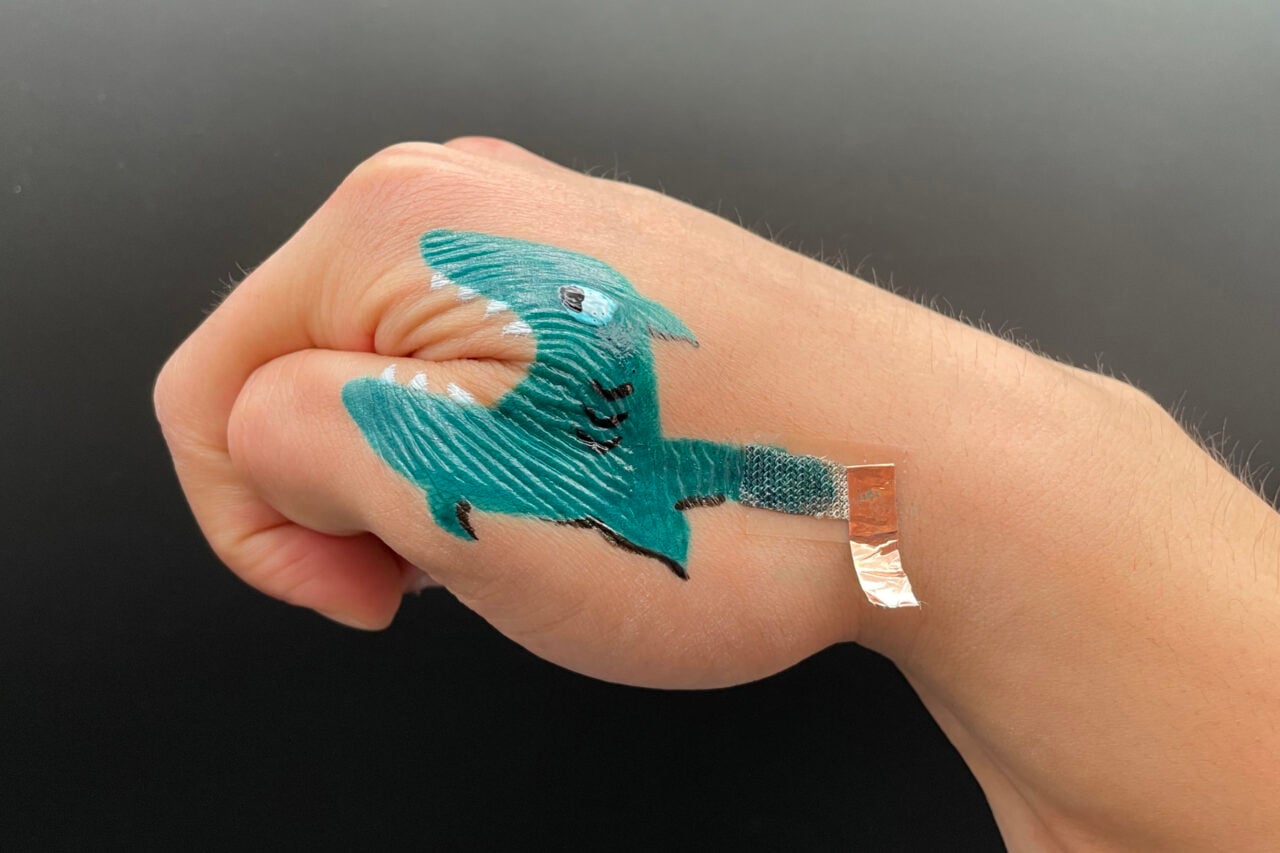
Researchers created a powerfully adhesive paintable electrode—and it’s over ten times more breathable in hot weather than normal medical electrodes.
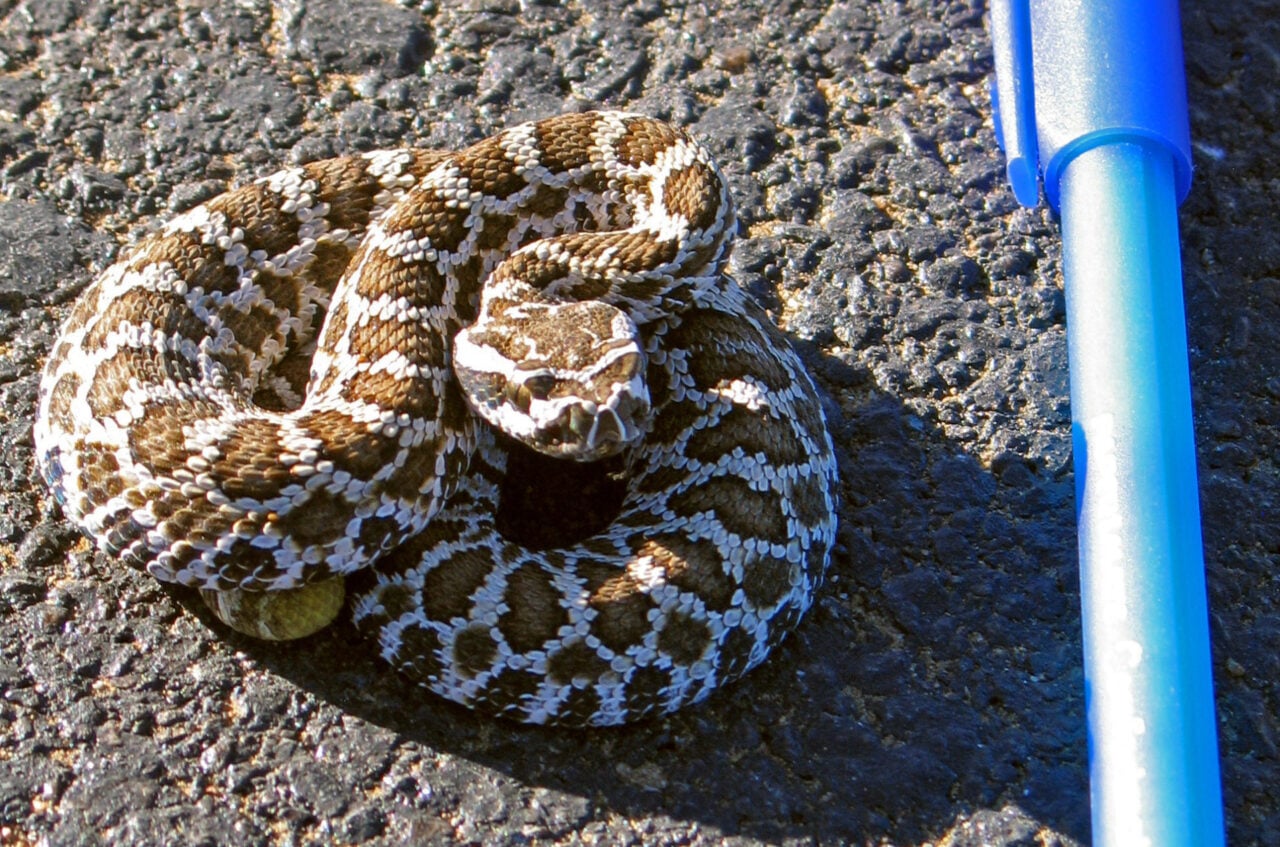
A new study has found that police officers, park rangers, and even a poison control center have spread misinformation about the dangers of juvenile rattlesnakes for decades.
Scientists used to think so-called “slow slip events” were “theoretically impossible.” Now these subtle tectonic shifts could be the key to predicting future earthquakes.