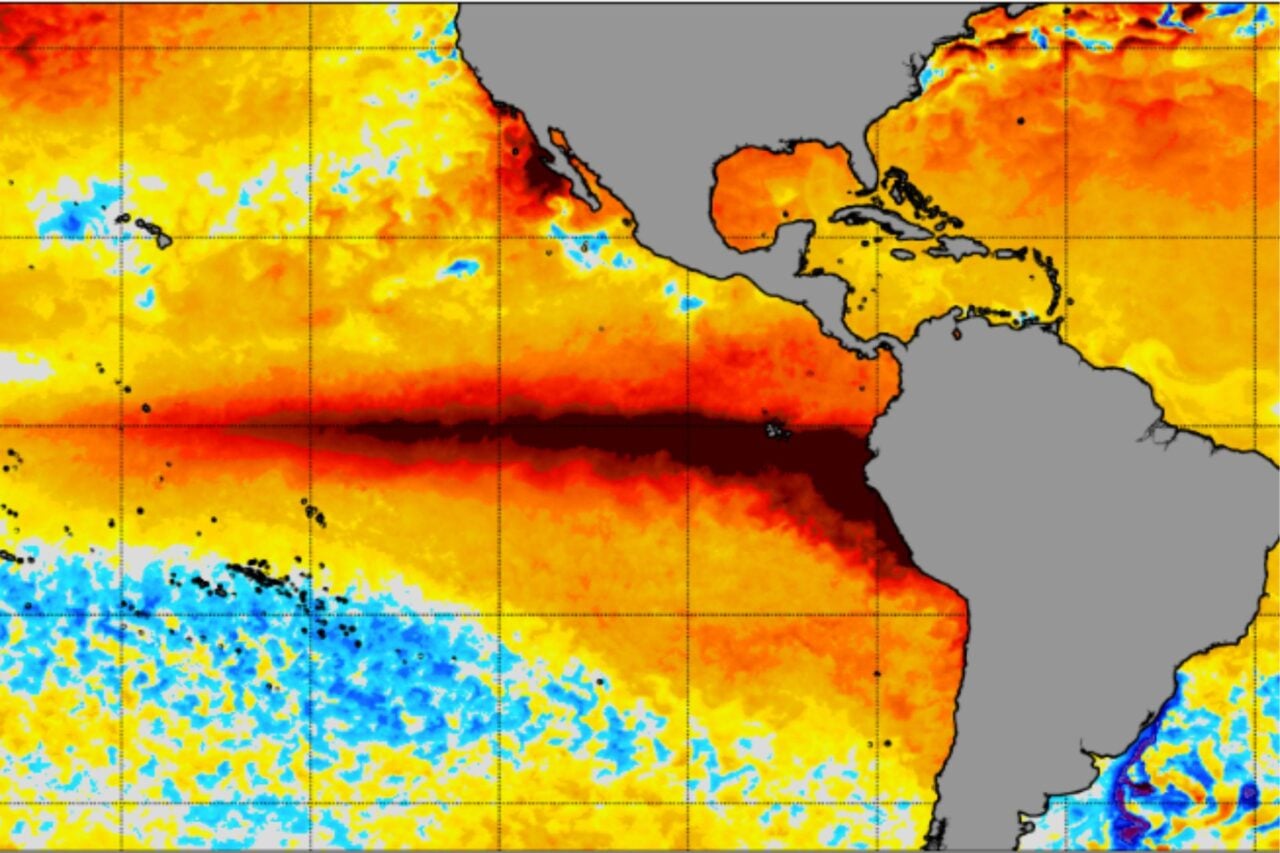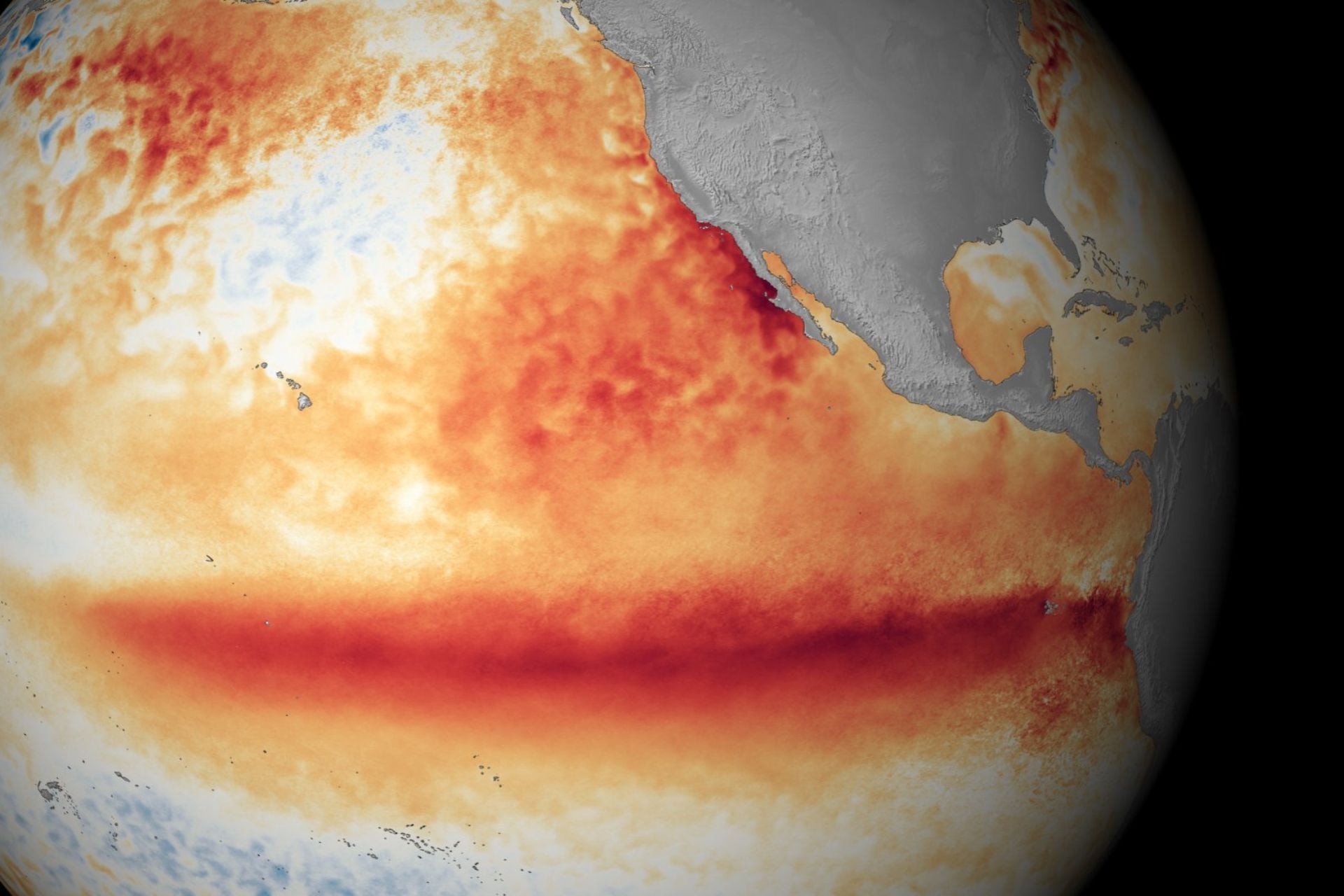
After months of warnings, this year’s potentially disruptive El Niño season appears to be finally at our doorstep. The latest report from the United Nations’ World Meteorological Organization (WMO) confirmed that “sea surface temperature anomalies” are increasing across the Pacific’s central-eastern equatorial regions—heralding an increased risk of “extreme weather over the coming months.”
WMO forecasts place an 80% chance of this El Niño event emerging between June and August with a 90% chance that this supercharged storm season will extend into at least November. UN meteorologists also noted that large portions of the Pacific Ocean near the equator are experiencing dramatic temperature increases under the surface—“a substantial reservoir of heat” exceeding 10.8 degrees Fahrenheit (6 degrees Celsius) above average.
Other meteorologists have previously compared the risks of this year’s global warming-fueled ‘super’ El Niño to an 1877 storm season in which similar Pacific ocean heat catalyzed extensive droughts across Asia, Brazil, and Africa. That 1877 El Niño event, researchers have argued, led to widespread crop failures and a global famine responsible for the deaths of over 50 million people.
“When you have an El Niño over what climate change already brought, the risks are enormous,” climatologist Francisco Aquino, head of the climate center at Brazil’s Federal University of Rio Grande do Sul, told Reuters on Tuesday.
A ‘potentially strong’ El Niño event
Commenting on the new WMO report, Aquino compared 2026’s El Niño threat to 2024’s own deadly El Niño season, which generated floods across Brazil that killed over 180 people, wrecked an estimated 2,400 homes, and impacted roughly 2.3 million lives.
“A strong El Niño can lead to the exact same scenario we saw then,” Aquino said, “because the world keeps getting warmer, and the temperature in the ocean keeps rising.”
His warnings echoed WMO Secretary-General Celeste Saulo’s own advisory following the organization’s latest report: “We need to prepare for a potentially strong El Niño event—which will exacerbate drought and heavy rainfall and increase the risk of heatwaves both on land and in the ocean,” Saulo stated.
Though unpredictable, the basic mechanics of the El Niño phenomenon are fairly well understood. A periodic lull in trade winds prompts rising ocean temperatures across the eastern Pacific, leading to a predictable weather event that occurs roughly every two to seven years.
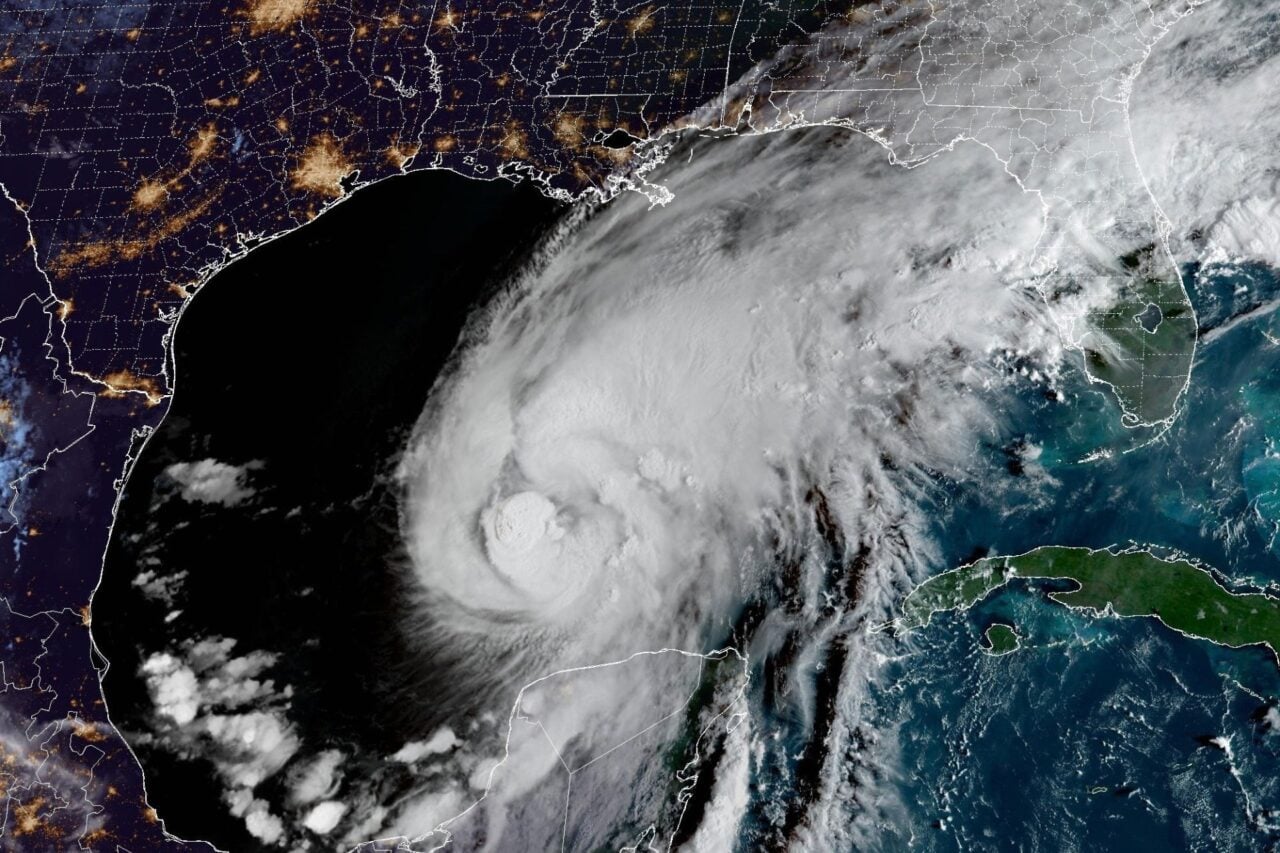
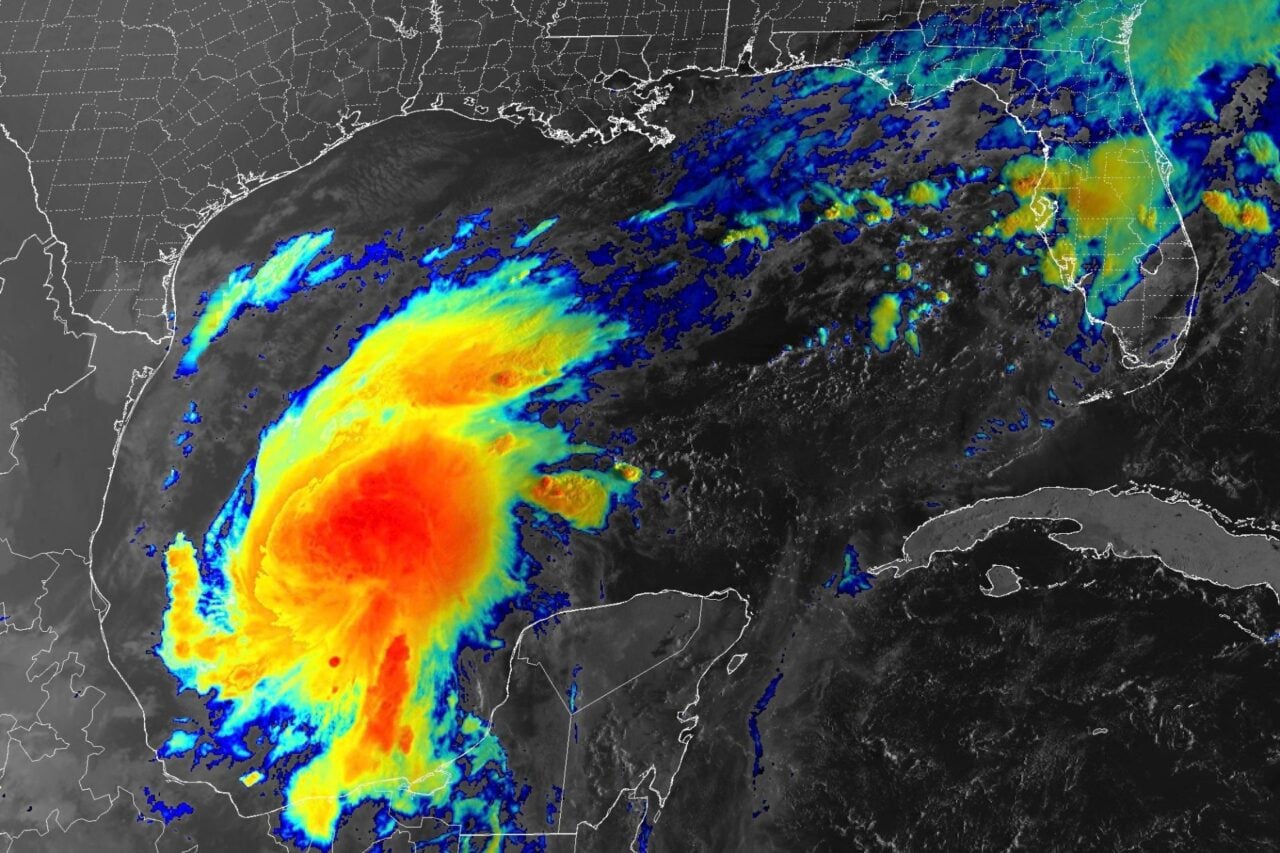
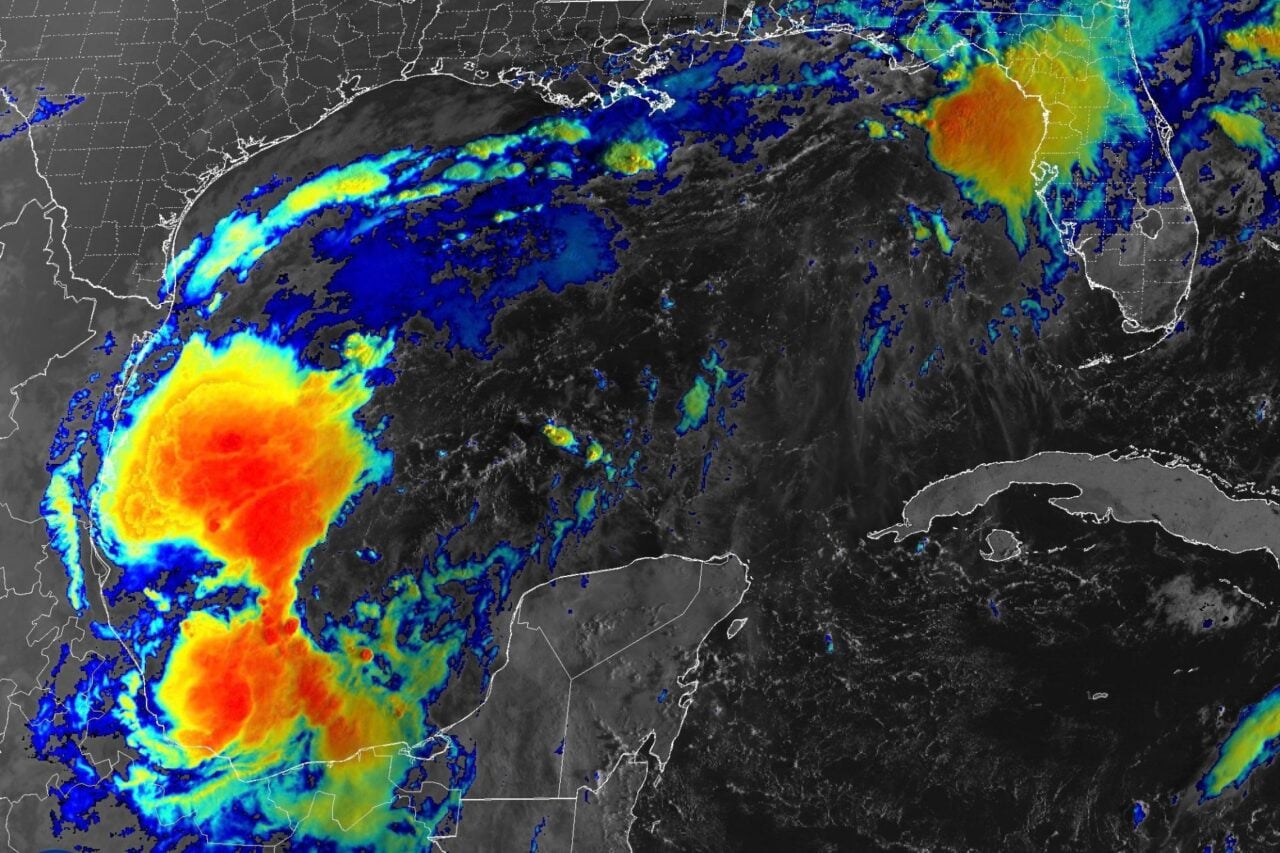
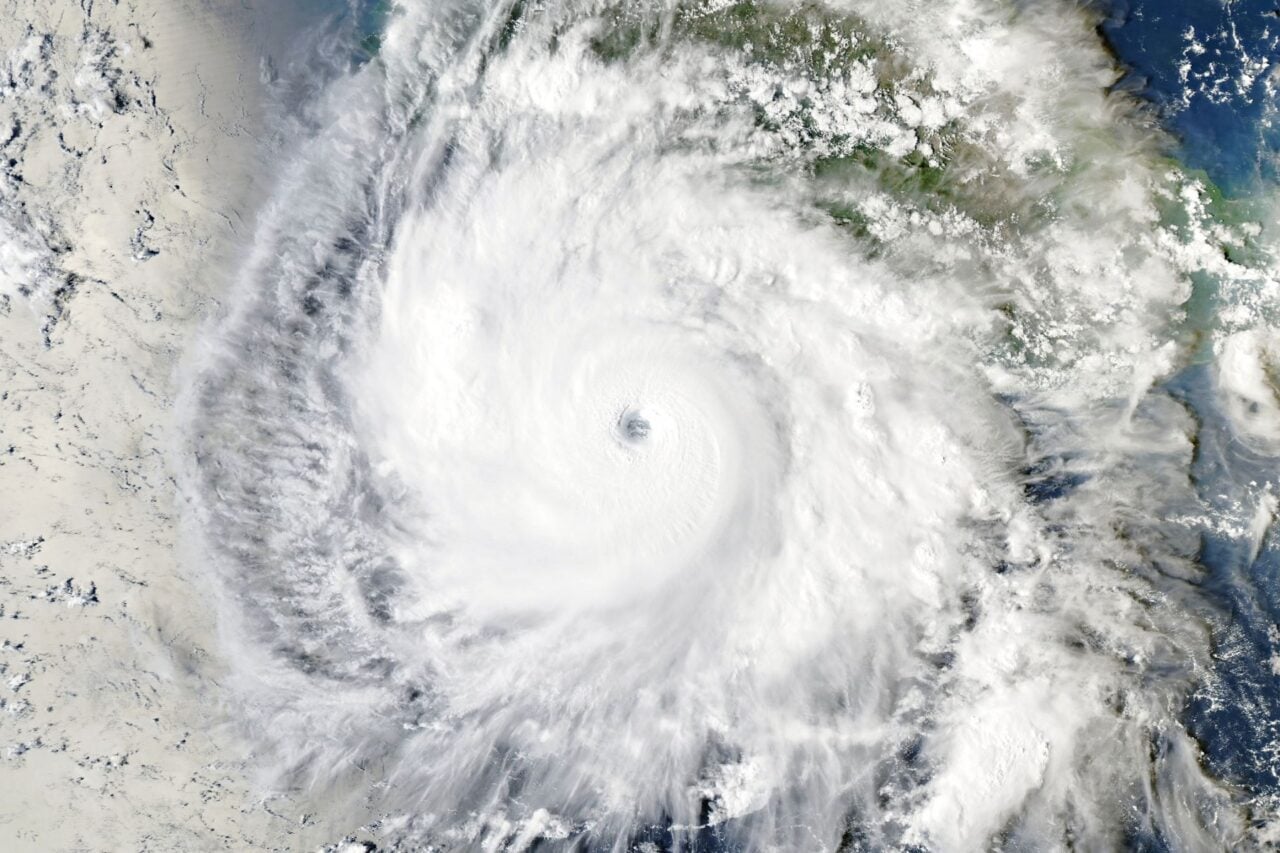
The WMO says higher global temperatures and disrupted rainfall patterns are typically associated with increased rainfall in parts of southern South America, the southern United States, parts of the Horn of Africa, and central Asia. The added heat and moisture can sometimes contribute to stronger hurricanes, even as El Niño brings down the total number of storms in some regions. But, simultaneously, El Niño events also typically spur drier conditions and increased drought risks across “Central America, northern South America, the Caribbean, Australia, Indonesia, and parts of southern Asia,” WMO said.
While WMO climate researchers predict a “strong” El Niño, defined by Pacific sea surface temperatures around at least 2.7 degrees F (1.5 degrees C) above the average, they noted that some other models have predicted a moderate version of the storm season this year.
The WMO also noted that it “does not use the term ‘super El Niño’ because it is not part of standardized operational classifications.”
A ‘greater probability of extremes’
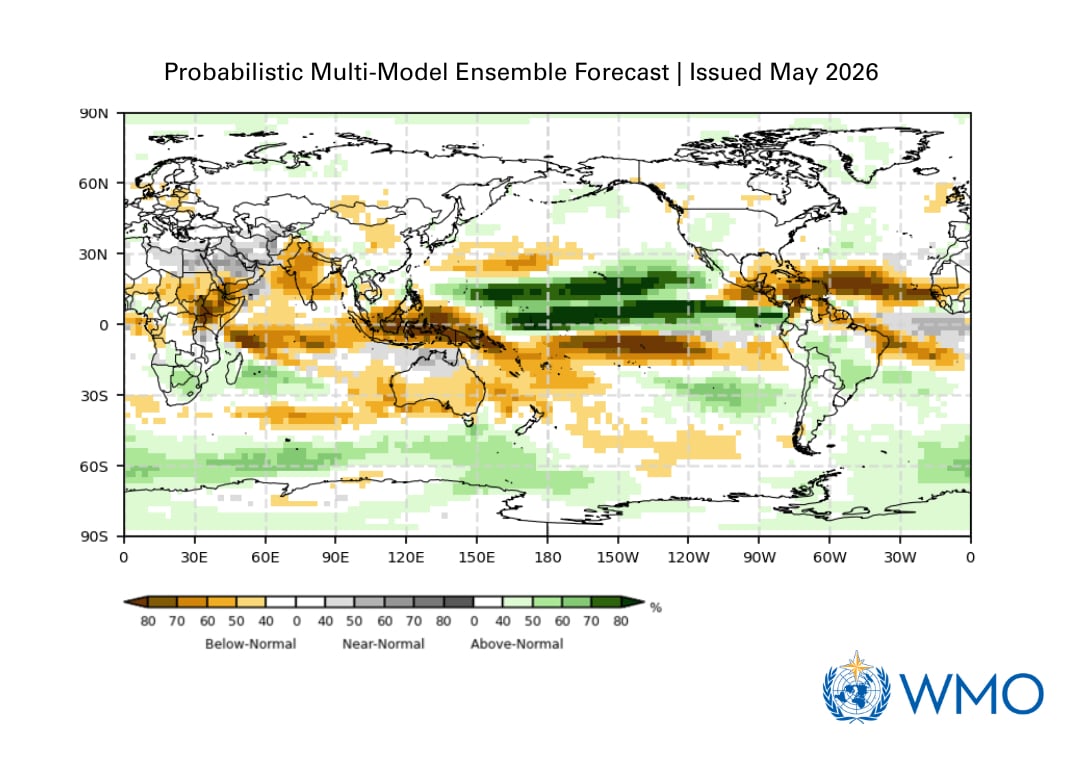
WMO’s meteorologists and climatologists also published a concurrent Global Seasonal Climate Update, which covered key climate conditions that will likely exacerbate the coming damage from this year’s El Niño season. The rainfall probabilities forecasted, they noted, are likely to contribute to “a greater probability of extremes,” including risks of flooding as well as droughts.
The organization anticipates below-normal rainfall over regions near India, the tropical Indian Ocean, the equatorial Atlantic Ocean, northern South America, and northeastern Africa.
In her comments published alongside the new report, WMO Secretary-General Saulo noted that the heat generated by the coming El Niño poses as much danger as the more stereotypical concerns of high-powered hurricanes and torrential flooding.
“Extreme heat alone is already one of the deadliest climate hazards we face,” Saulo said. “An El Niño event could intensify this threat on average: more heat-related illness, wider spread of vector-borne diseases, increased pressure on food and water systems, and communities that were already struggling will be pushed further beyond their limits.”