

Brutal thunderstorms and tornado outbreaks have battered much of the nation throughout March, and it looks like this severe weather pattern is here to stay.
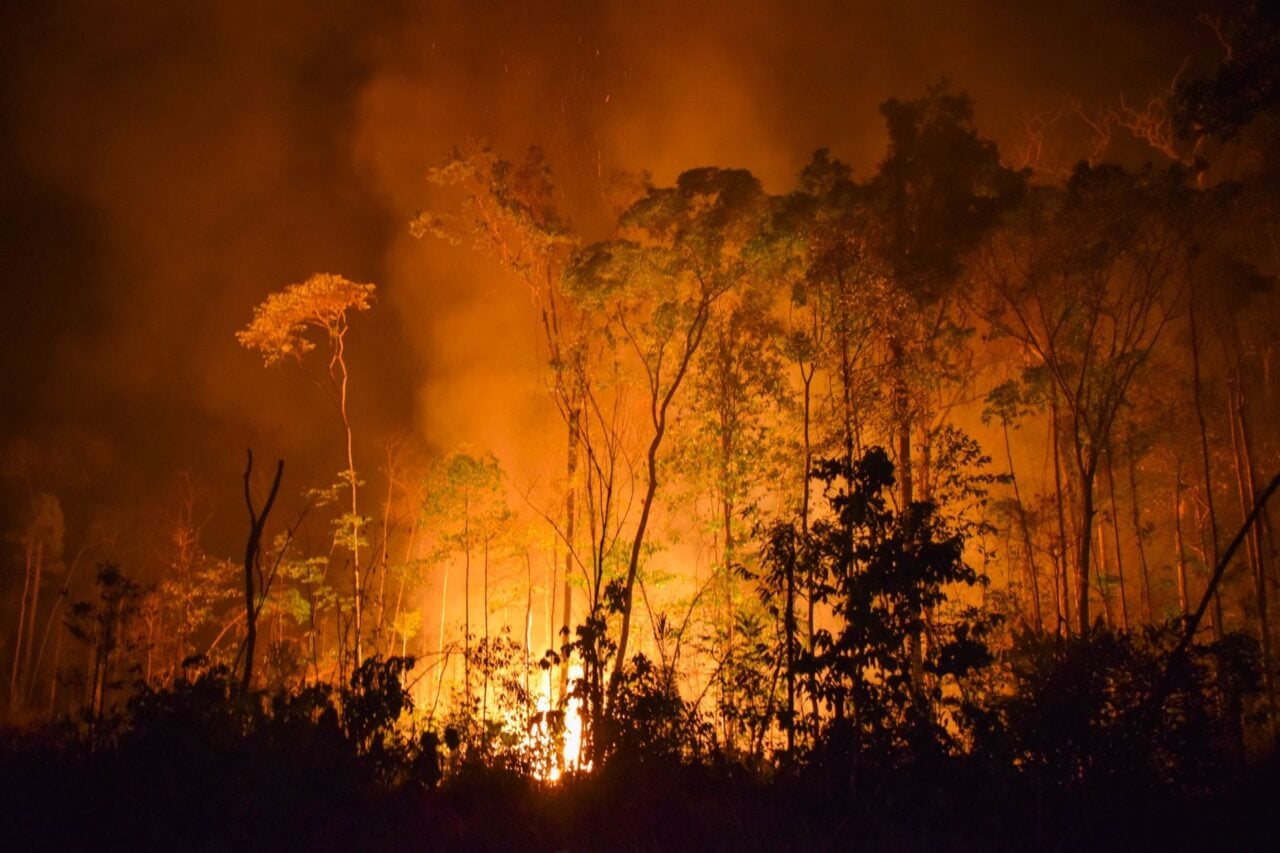
A brutal wildfire season is about to put Trump’s Wildland Fire Service to the test, with the safety of millions of Americans on the line.
Blizzards and heatwaves and thunderstorms, oh my!
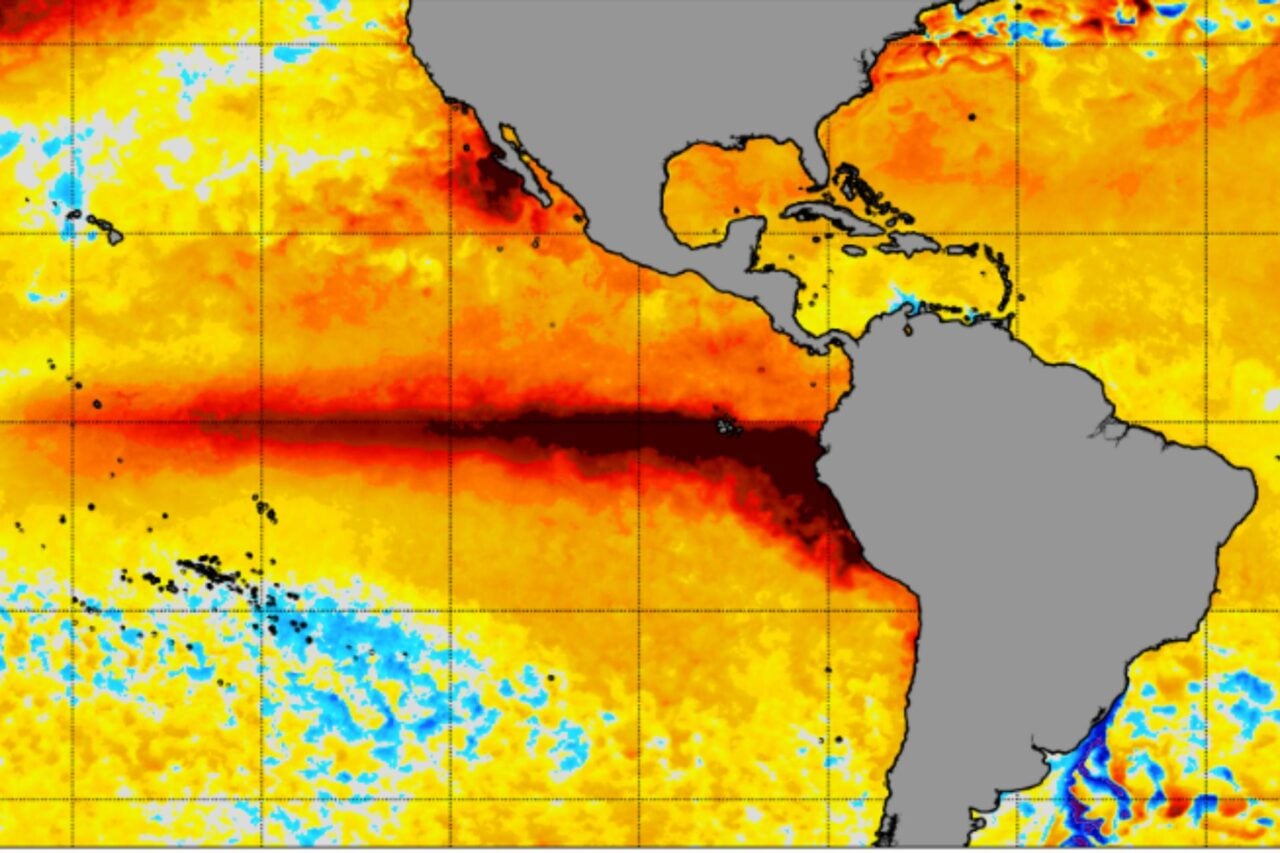
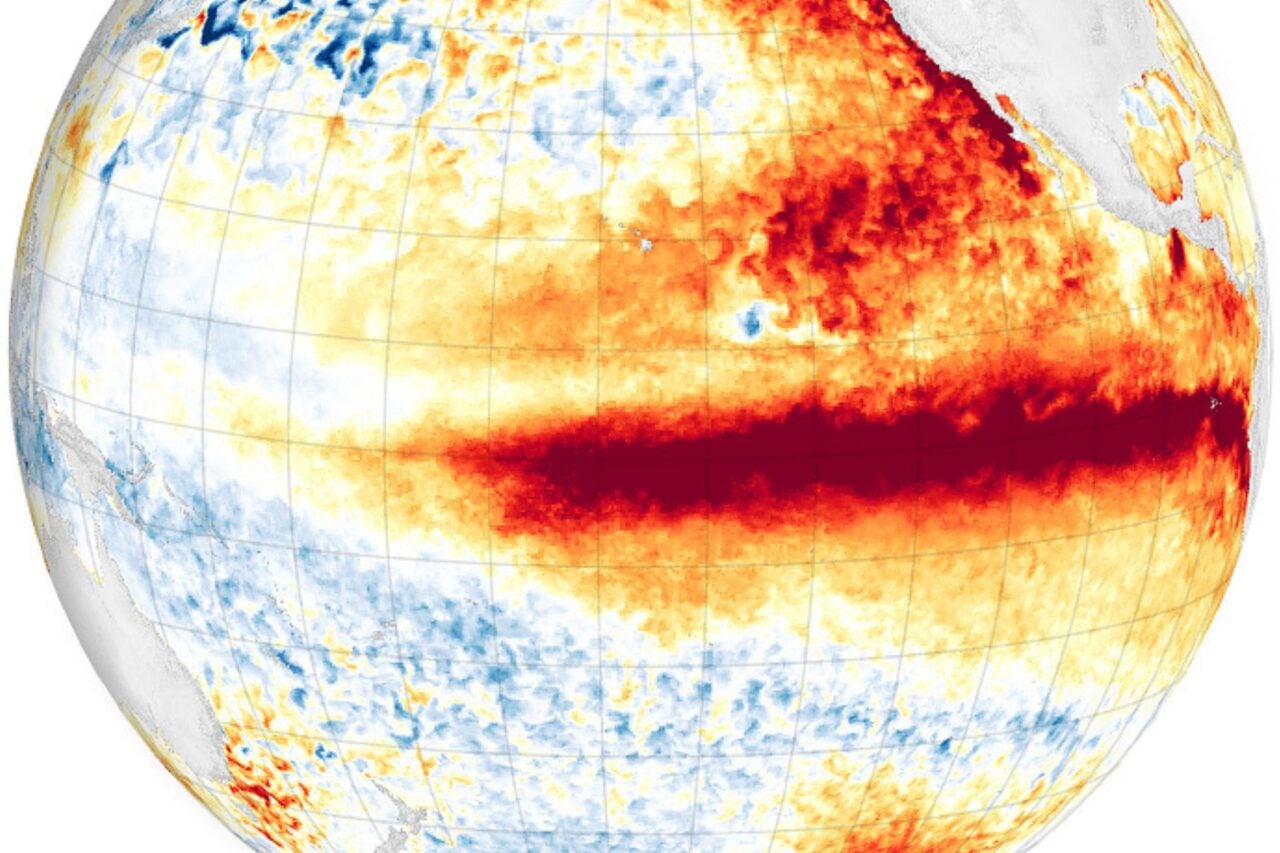
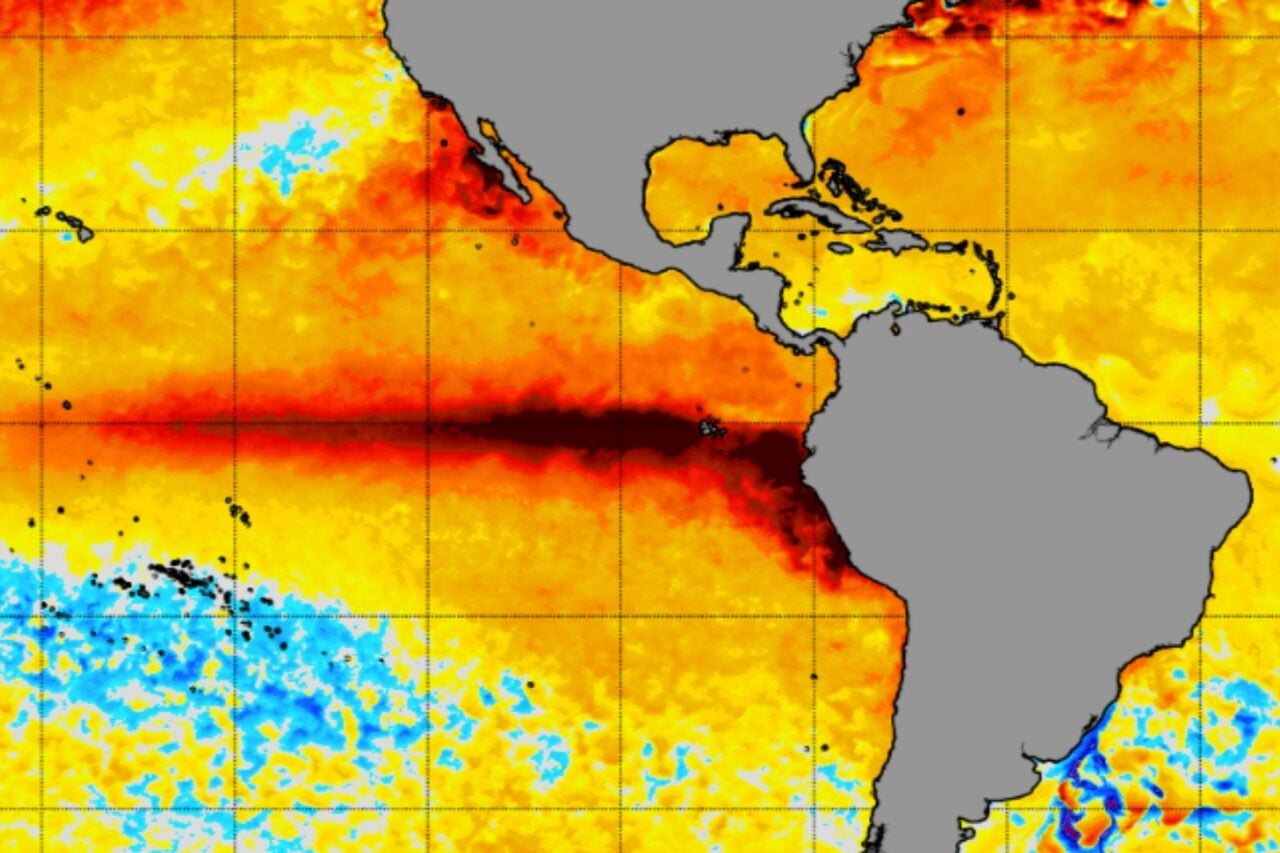
Climate models suggest this year could bring one of the strongest El Niño events on record, driving more extreme weather and smashing global temperature records.
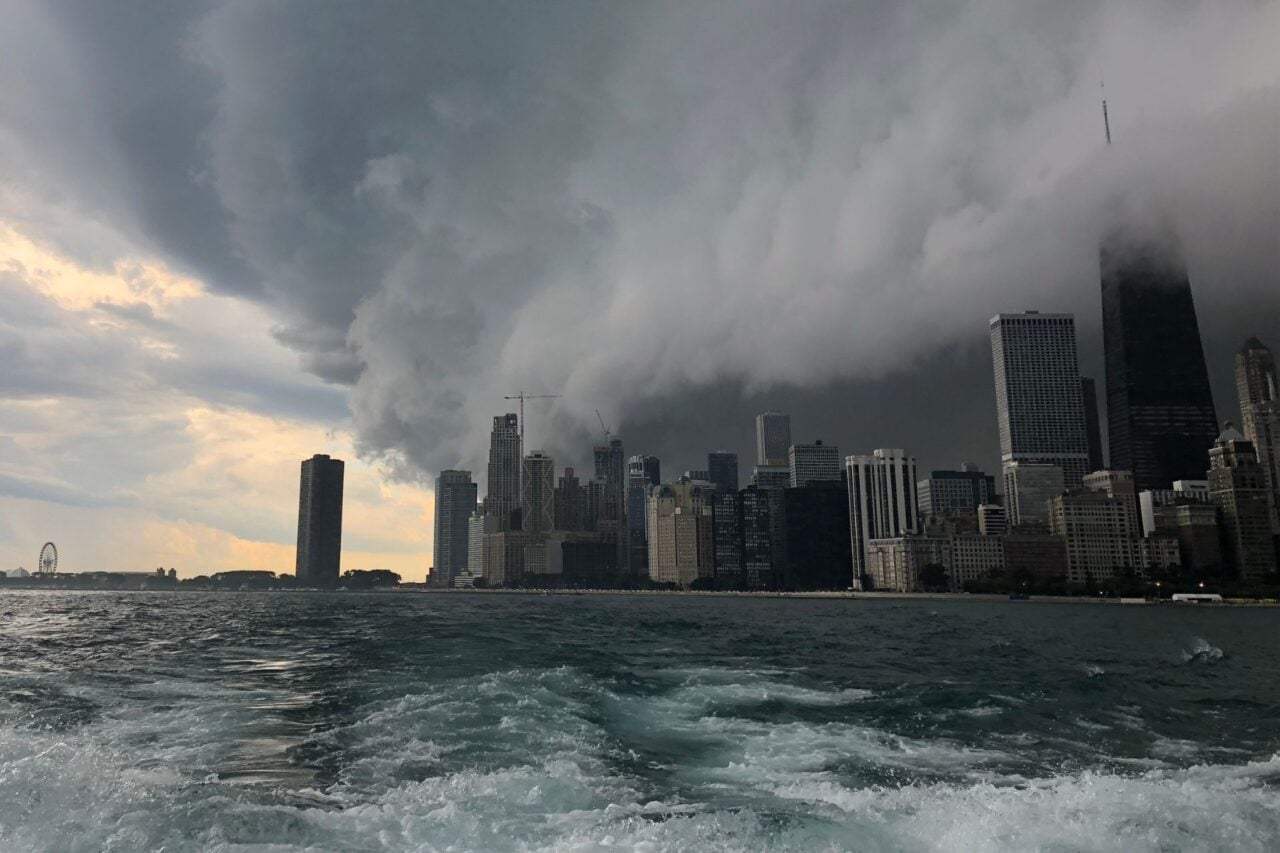
Supercell thunderstorms and tornadoes brought devastation to several central states earlier this week, and the danger is far from over.
The Eastern U.S. is finally enjoying some springlike warmth, but meteorologists say temperatures could plummet again in mid-to-late March.
Utilities warn that outages could be prolonged as snow and high winds are interfering with restoration efforts.
The first images from the European Space Agency’s MTG-S satellite offer an early look at how the mission will improve weather forecasting across Europe and Northern Africa.
Meteorologists are tracking another major storm system that could exacerbate lingering impacts from last weekend’s Winter Storm Fern.
It’s looking increasingly likely that a coastal storm could bring more snow to the East Coast this weekend—and potentially strengthen into a bomb cyclone.
The Eastern U.S. is bracing for widespread outages this weekend as heavy snow and ice pummel the region.
A warming Arctic set the stage for a massive winter storm expected to stretch 2,000 miles across the Eastern U.S. this weekend.
The storm will usher in frigid temperatures and spread heavy snow and ice across a 2,000-mile stretch of the country.
You won’t believe which state is completely unaffected.
The global ocean heat content increased yet again in 2025, further raising the risk of catastrophic storms, sea-level rise, and coral bleaching.
A bomb cyclone could dump 1 to 2 feet of snow on the upper Great Lakes, per the National Weather Service.
In some areas, the weather could feel more like May than late December.
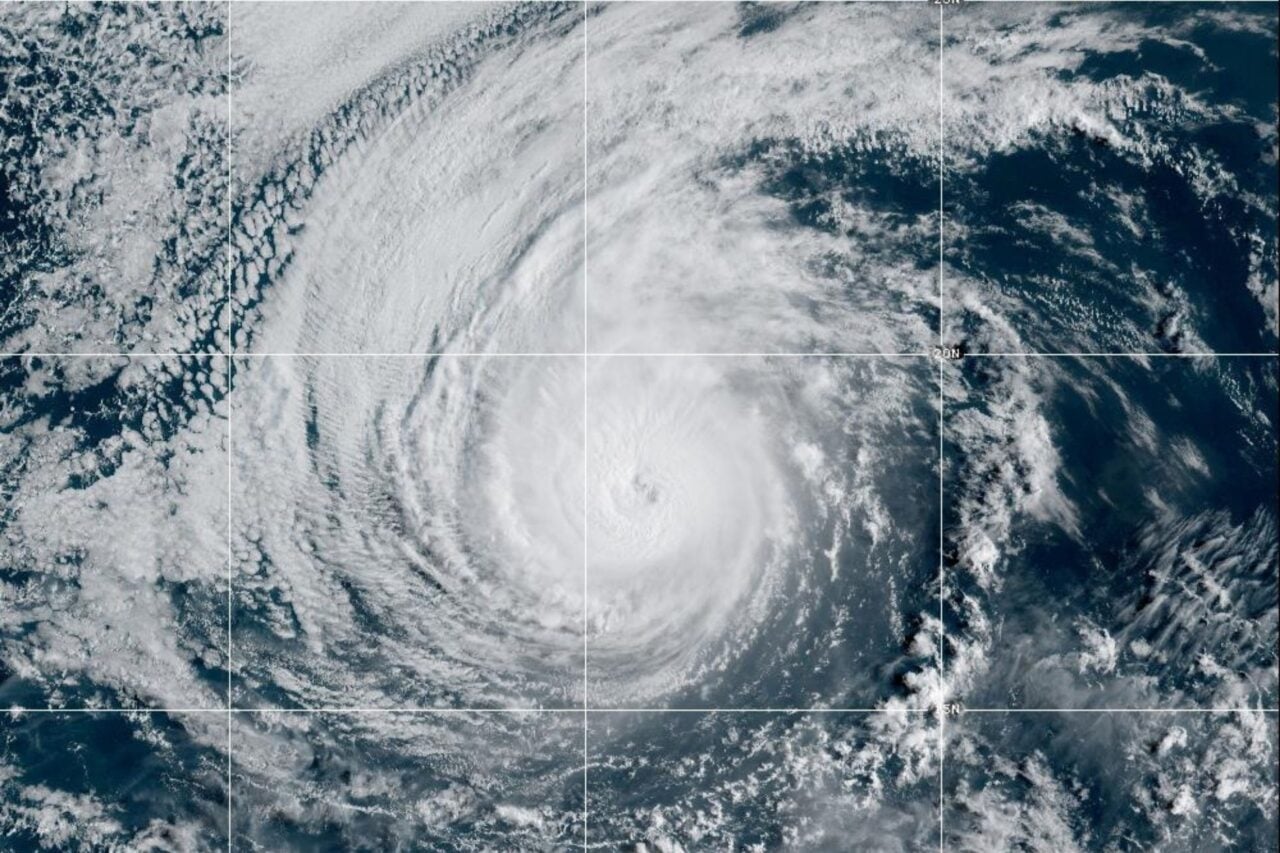
This process, driven by climate change, is increasing the risk of “Category 6” tropical cyclones making landfall in densely populated areas.
After a very cold and snowy start to December, temperatures will shift toward unseasonable warmth just in time for Christmas.
The moisture from this storm system will help two fast-moving winter storms spread snow across the eastern U.S., with another atmospheric river on its way.