I have a confession to make… I don’t like summer.
Sure, I can get down with the beach, ice cream, and other delights that are certainly more enjoyable when it’s warm and sunny out. But I remain steadfast in my conviction that it’s actually the worst season of the year—and it’s only getting more unbearable.
Before you come for me, let me just say that there’s real science to back me up. Here are 5 research-proven reasons why summer low-key sucks.
1. Bugs, obviously
If there’s one thing we can all probably agree on, it’s that mosquitoes and ticks are horrible. When the weather warms and these blood-sucking parasites emerge in droves, it’s more than just a nuisance—it’s a serious public health issue.
Rates of insect-borne diseases such as West Nile virus, Lyme disease, and dengue fever surge in the summer as higher temperatures and humidity accelerate the reproduction, metabolisms, and biting rates of ticks and mosquitoes. The Centers for Disease Control and Prevention (CDC) estimates that 476,000 people in the U.S. may be diagnosed and treated for Lyme disease each year, and most cases are reported in late spring and summer.
As climate change leads to longer, hotter, and (in some places) wetter summers, rates of insect-borne diseases are rising. West Nile virus only surfaced in the U.S. in 1999 but has since become the country’s most common mosquito-borne illness, affecting thousands of people each year. Cases of Lyme disease, anaplasmosis, and Powassan encephalitis have more than doubled throughout the U.S. over the past two decades.
2. Rampant extreme weather
Deadly heatwaves, severe thunderstorms, floods, tornadoes, hurricanes, wildfires—all these weather extremes are more common in the summer. In fact, the U.S. tends to experience most billion-dollar disasters from April through August. The reasons are complex, but they largely stem from a warmer atmosphere that holds more energy and moisture, intensifying storm systems while also amplifying heat stress at the surface.
Summer heatwaves can be particularly dangerous, and they’re becoming more frequent and severe as global temperatures rise. The combination of extreme heat and humidity is one of the leading weather-related killers in the country, as it can exacerbate underlying illnesses and cause heatstroke. At the same time, warmer temperatures increase evaporation from the landscape, leading to drought and heightened wildfire risk. Smoke from wildfires also reduces air quality, wreaking havoc on public health.
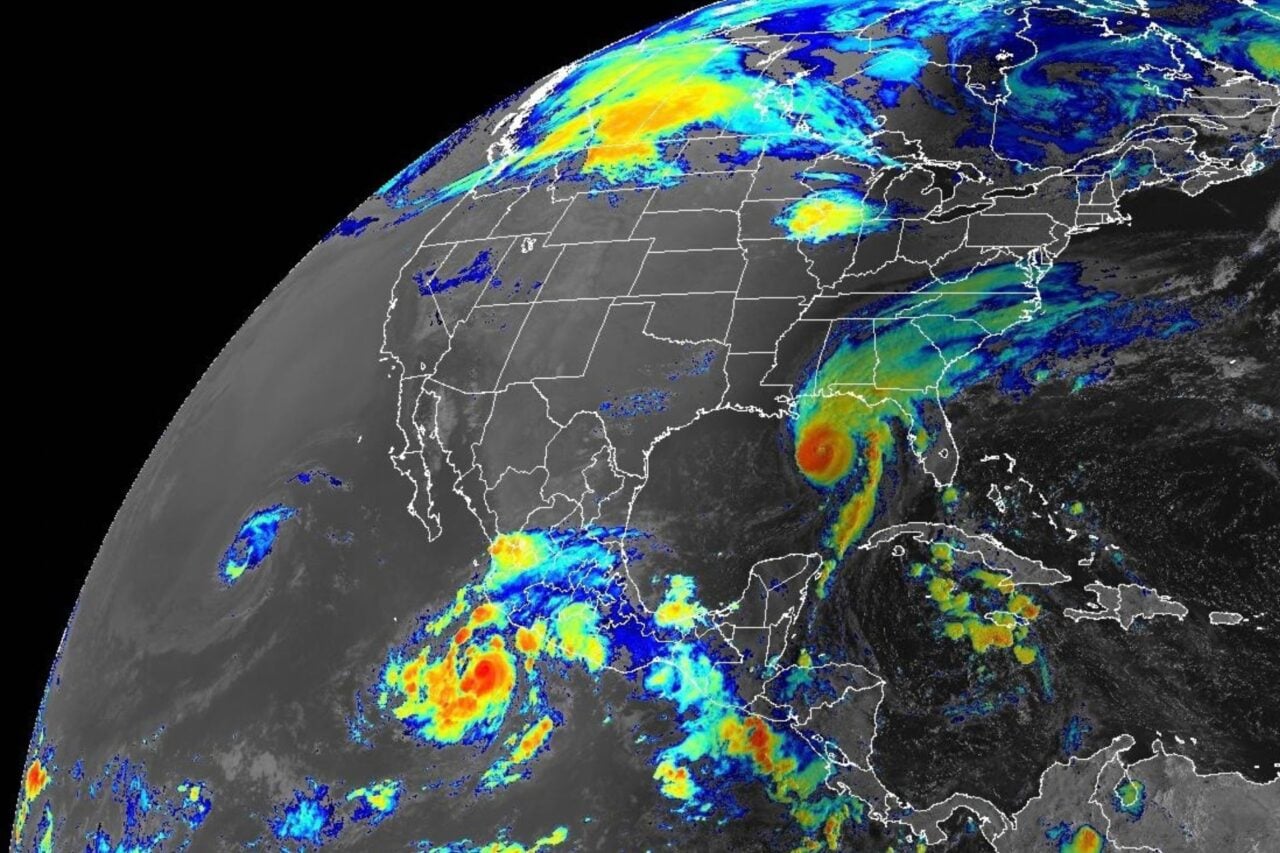
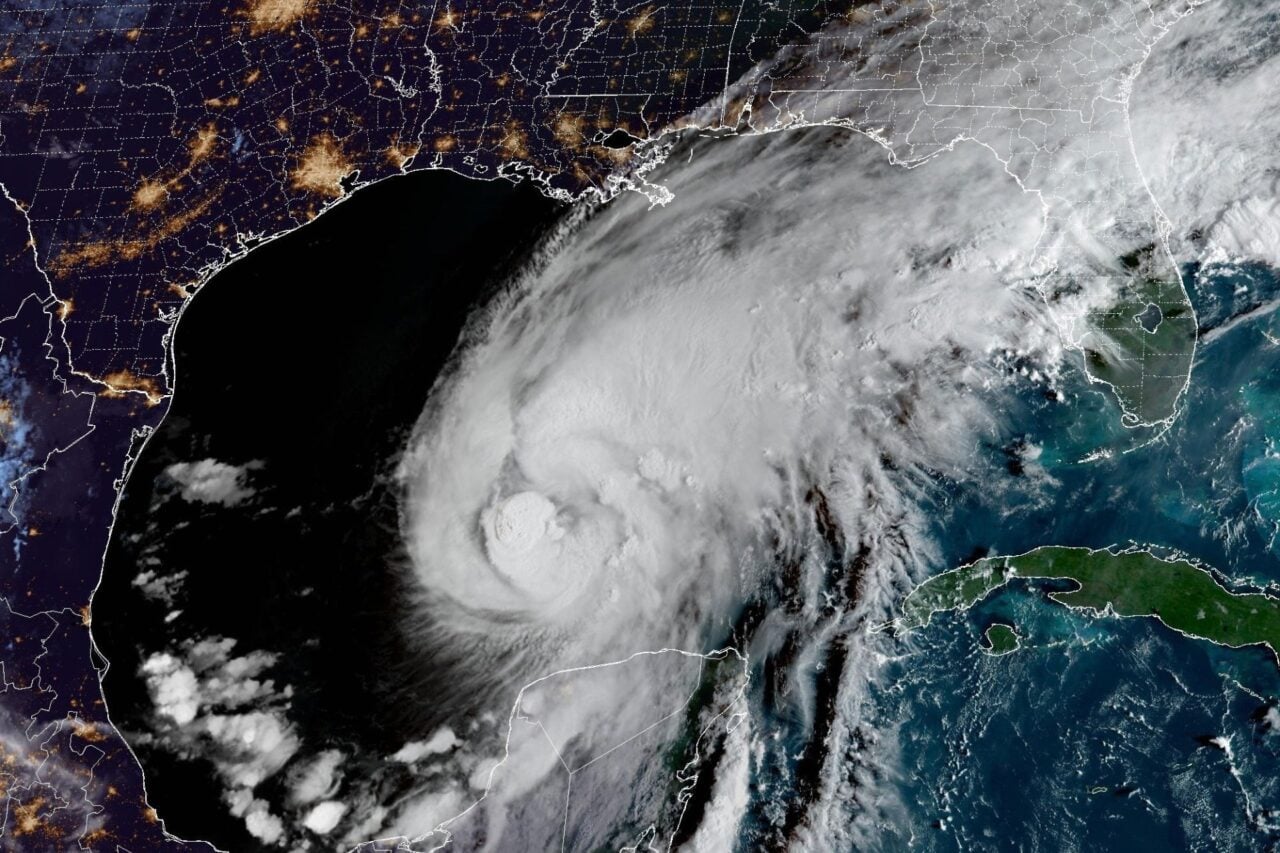
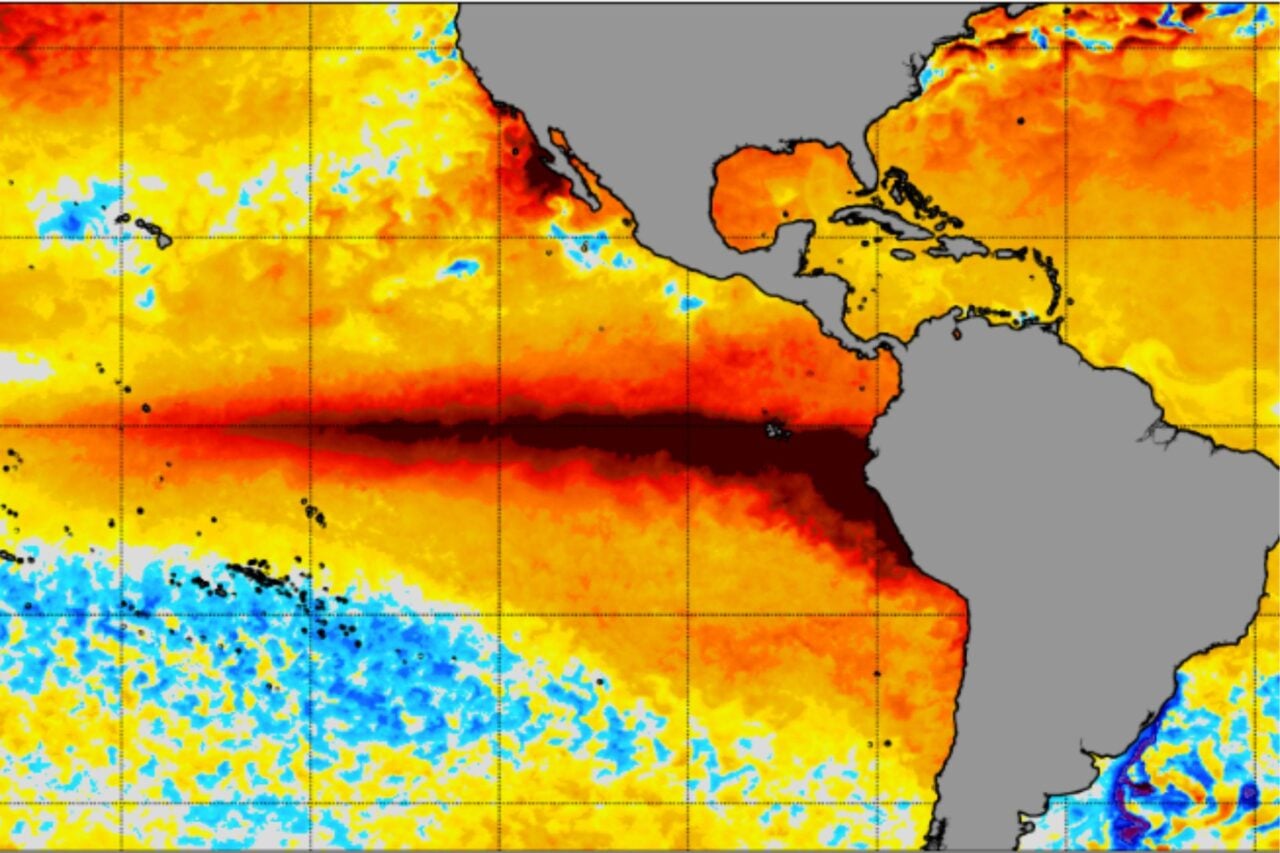
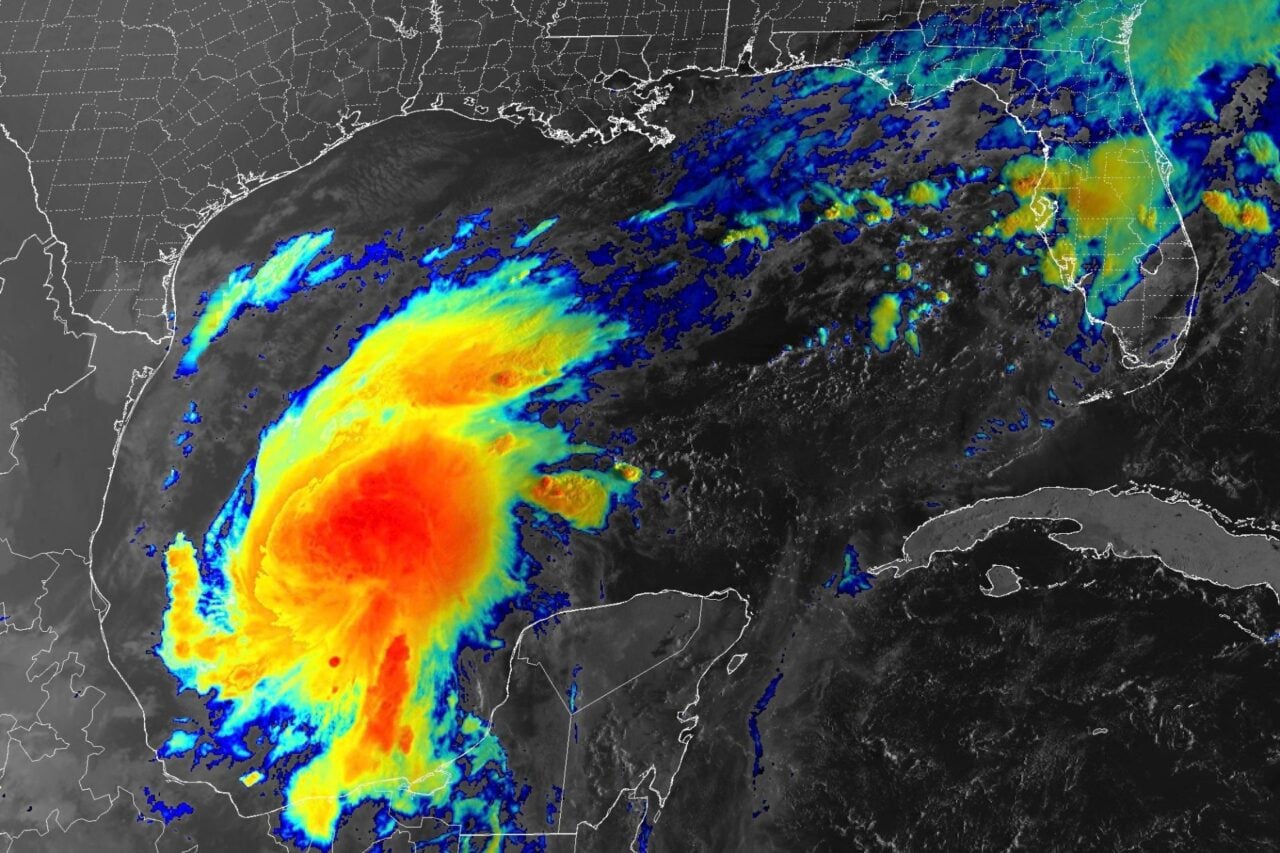
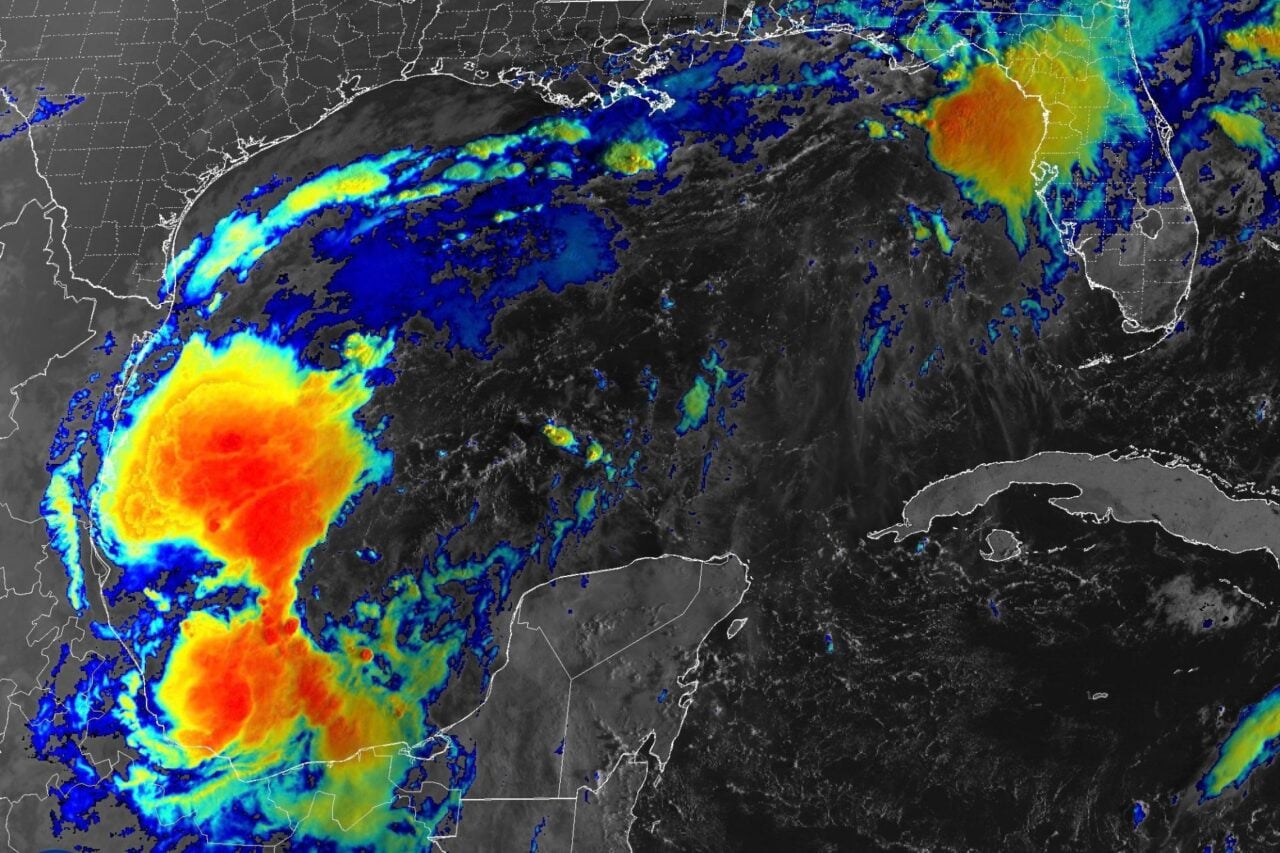
To make matters even worse, tropical cyclone activity ramps up during the summer—a result of warmer ocean waters, favorable wind shear patterns, and more atmospheric humidity and instability. These conditions also support severe thunderstorm development and contribute to tornado formation, particularly in the central United States.
3. Brutal utility bills
When that scorching summer heat sets in, utility costs skyrocket. That’s because households in most regions of the U.S. consume more electricity from July through August, when temperatures and cooling demand are at their peak. Nearly 90% of U.S. households cool their homes with air conditioning.
Thanks to climate change, it’s getting harder for air conditioning to beat the heat, and you’re paying the price. As global temperatures rise, people are running air conditioners more often and for longer periods of time. By 2050, the International Energy Agency expects to see a threefold increase in global air-conditioner-related energy demand, equivalent to adding 10 new units per second over the next three decades.
4. Killer UV radiation
Who doesn’t love slathering on greasy SPF every time they leave the house? Me, that’s who. I know we’re supposed to wear sunscreen all year round, but there’s no denying that the risk of UV exposure increases drastically in the summer—and some studies suggest it’s only getting worse.
Over the past five decades, incidence of malignant skin melanoma—the most aggressive skin cancer—has surged dramatically, with over 325,000 new cases reported worldwide in 2020. This increase has been linked to changes in UV radiation exposure driven by shifting atmospheric conditions, including cloud cover variability, aerosol concentrations, and surface reflectivity.
5. Increased violence
A growing body of evidence suggests that rates of violence and mass shootings increase during the summer, especially around the Fourth of July. According to PBS News, the Gun Violence Archive—a database that tracks mass shootings involving four or more people in the U.S.—shows that June, July, and August have had the highest total number of mass shootings over the past decade, while the lowest totals were from December through March.
On a global scale, rising temperatures have been linked to increases in homicides, assaults, sexual assaults, firearm violence, intimate partner violence, and violent suicides. This suggests that as summer heatwaves become more frequent and intense, incidents may occur more often.
There are several factors that could explain why the warmest months of the year have historically been the most violent. For one, people spend more time drinking and attending social events, which creates more opportunities for conflict, University of Miami criminologist Alex Piquero told PBS. Studies have also shown that heat can push people to a boiling point, resulting in heightened levels of stress and irritability.