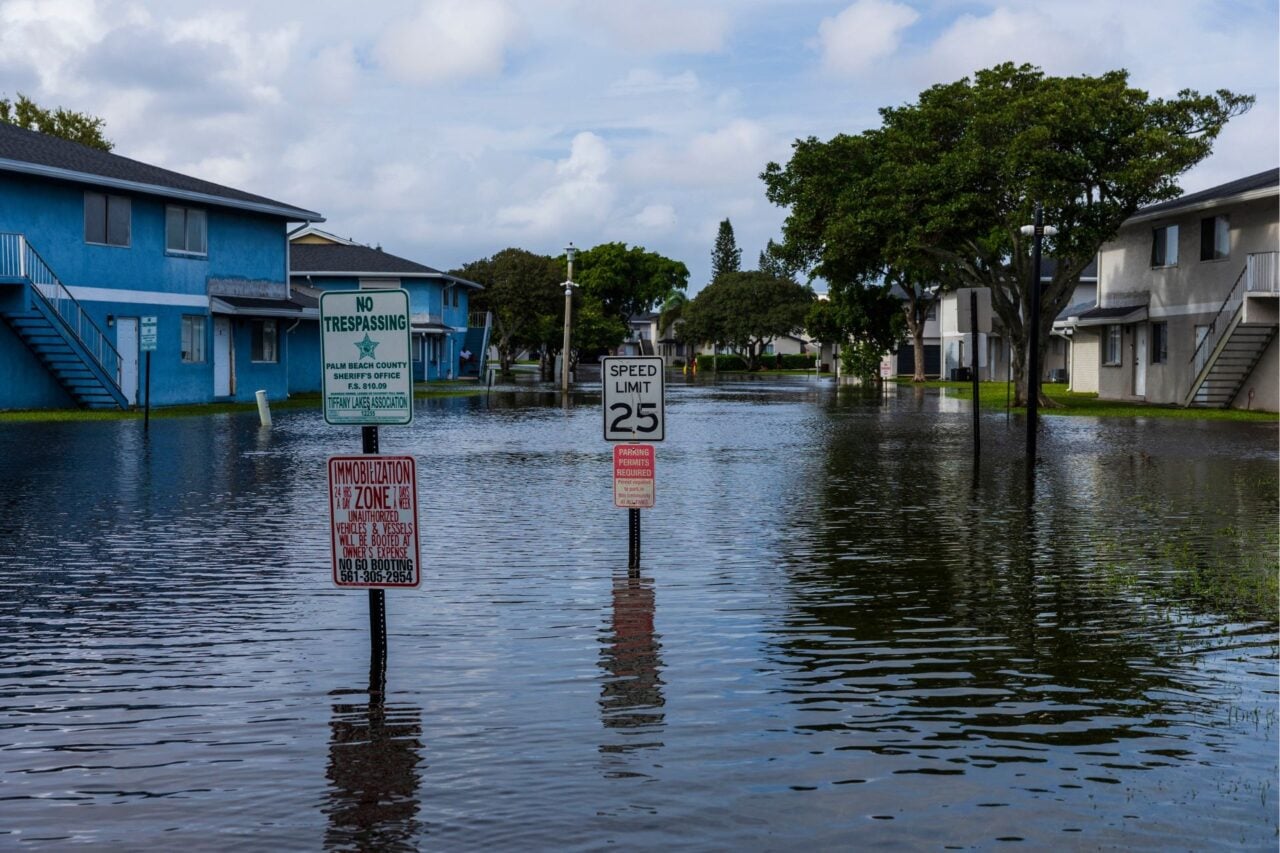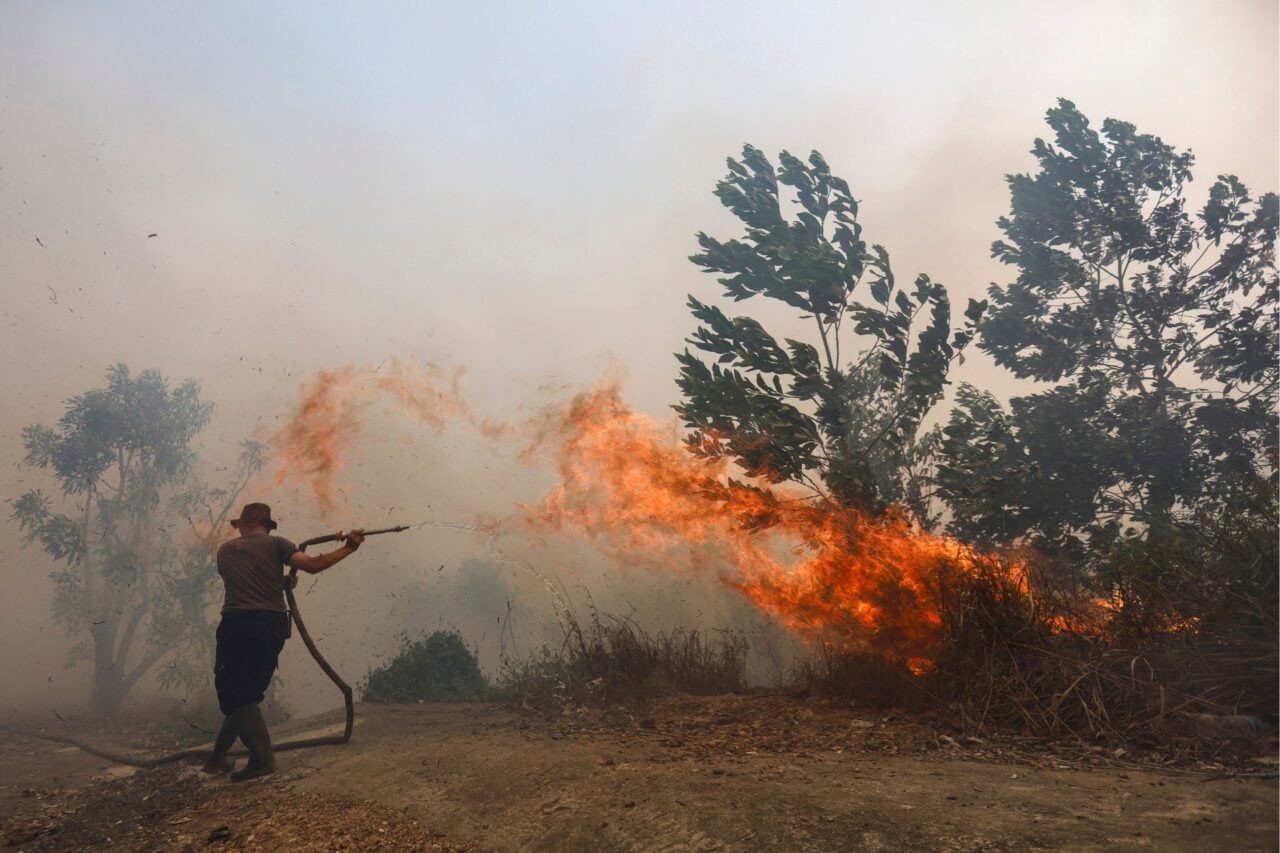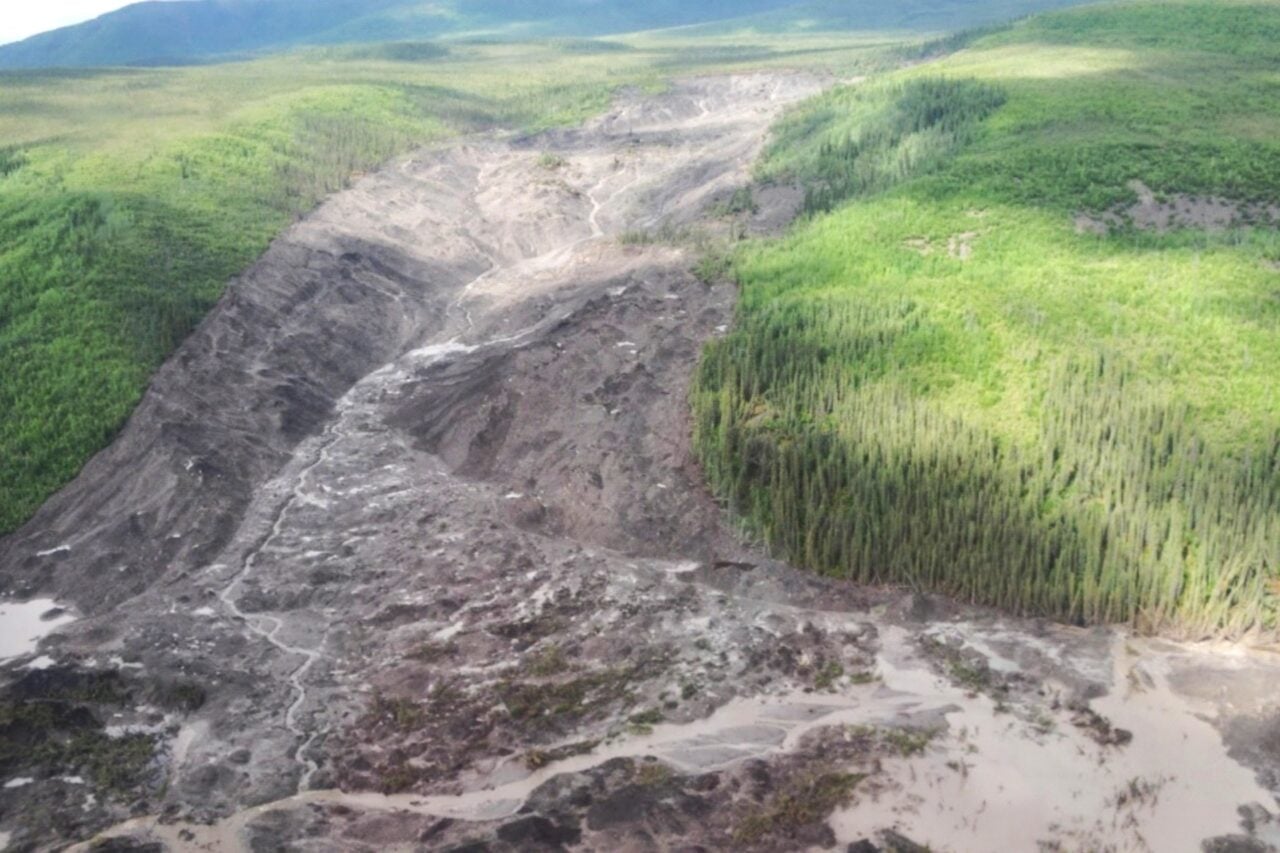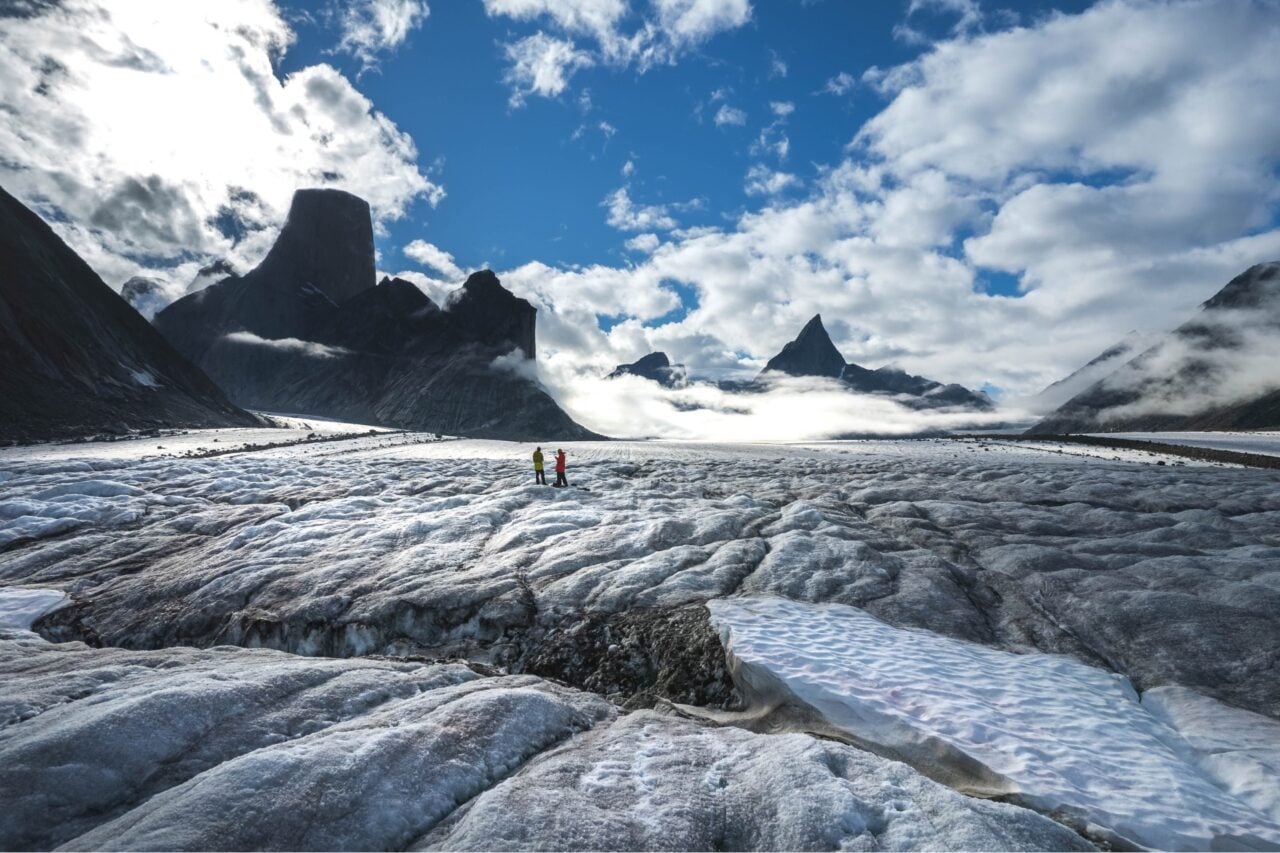
Global leaders are gathering in Antalya, Türkiye, this week for the 31st annual United Nations climate conference. After a year of devastating floods, fires, storms, and heatwaves, negotiators will chart a path to curb long-term global warming—ideally keeping it below 2.7 degrees Fahrenheit (1.5 degrees Celsius) above pre-industrial levels. New research suggests many regions are already living in that hotter world.
The findings, published today in the journal Nature Climate Change, show that while global temperatures have averaged 2.2 degrees F (1.2 degrees C) above pre-industrial levels over the past decade, regional warming reached up to 94% of the levels expected at 2.7 degrees F (1.5 degrees C) by 2025. The authors therefore conclude that current warming is “already indistinguishable from a 1.5-degree world,” underscoring the urgency of adaptation across all regions.
“Almost all regions have warmed faster than the global average,” lead author Francis Zwiers, scientist emeritus at the Pacific Climate Impacts Consortium at the University of Victoria, said during a Thursday press briefing. “Since pre-industrial times, warming has exceeded 2.5 degrees C [4.5 degrees F] in some high-latitude regions, and 2 degrees C [3.6 degrees F] in many others.”
Understanding overshoot
In the decade since nations signed the Paris Agreement, an international treaty aimed at limiting global warming to 2.7 degrees F (1.5 degrees C), temperatures have continued to rise at an accelerating pace. In a report published in September, UN scientists found that global temperature rise is set to overshoot the Paris Agreement target within the next few years.
That finding will loom large over this year’s UN climate conference, COP 31. Negotiators will work toward a new goal: preventing a permanent or catastrophic overshoot of the 2.7-degree F (1.5-degree C) target. According to the September report, the new best-case scenario is a multi-decadal “overshoot, peak, decline” pathway, which would see global temperature rise peak at 3.2 degrees F (1.8 degrees C) above pre-industrial levels and then fall back below 2.7 degrees F (1.5 degrees C).
Overshoot will lead to severe—and in some cases, irreversible—impacts across the world, and understanding how this level of warming manifests regionally will be critical to local adaptations and negotiations on loss and damage, according to Zwiers and his colleagues. Various degrees of global temperature rise translate to different degrees of warming from one region to another, and estimating these changes is particularly difficult in places where temperature records are sparse or nonexistent, such as parts of Africa, South America, and the polar regions.
To fill those gaps, the researchers combined historical observations of surface temperatures with simulations from multiple climate models. Across all 46 global regions recognized by the Intergovernmental Panel on Climate Change (IPCC), they estimated human-driven warming relative to 1850-1900 and compared it to regional temperatures expected at global warming levels of 2.7 degrees F (1.5 degrees C) and 3.6 degrees F (2 degrees C).
They found that these regions had experienced an estimated 90% to 94% of the warming expected at 2.7 degrees F (1.5 degrees C) of global warming and 65% to 76% of the warming expected at 3.6 degrees F (2 degrees C) of global warming.
The greatest warming has occurred at high northern latitudes. The Russian Arctic has warmed most dramatically, reaching 5.9 degrees F (3.3 degrees C) above baseline levels, while Northeast North America follows close behind at 4.7 degrees F (2.6 degrees C) above baseline. Those numbers are staggering, showing that these parts of the world have warmed much faster than the global average temperature and are already well above the Paris Agreement threshold. Meanwhile, ocean-dominated regions such as southern South America, Southeast Asia, and New Zealand have experienced the smallest amounts of warming.
“We found that out method performed well across almost all regions, with particularly high confidence in the topical regions, including much of Africa,” co-author Tong Li, a postdoctoral scientist at the University of Victoria, said during the briefing. “We believe these estimates can provide useful evidence for these regions to understand how the climate has already changed and also support their efforts to plan and adapt for the future.”
Rapidly adapting to a warmer world
During the briefing, Gizmodo asked the researchers what’s next for this work, and Zwiers reiterated that the data will help guide regional adaptation and infrastructure design—two matters of increasing urgency as the climate careens toward overshoot.
“We’ve been thinking very deeply about how we can reduce the uncertainty of climate change projections,” he said. “A place to start with that problem is to first make informed judgements—practical judgements—on which future emissions scenarios seem plausible to us as climate scientists.”
The data could also be incredibly useful to parties at COP 31 as nations discuss their current and projected climate impacts, resilience, and adaptation. These new findings suggest that in many places, the stakes of overshoot are higher than we thought, underscoring the urgency of global action to reduce greenhouse gas emissions.