



A trove of robotic floats is bringing our knowledge of the deep sea to new depths.
A report found methane emissions in the Permian Basin to be nearly four times higher than EPA estimates. A senator wants an explanation.
UCLA's Stop Methane Project ranked the 25 oil and gas sites with the largest methane emissions rates worldwide.
An analysis of coastal impact assessments revealed that the majority are not based on direct sea-level and land-elevation measurements—that's troubling.
It’s a comforting idea, but a new study did not find evidence to support it.
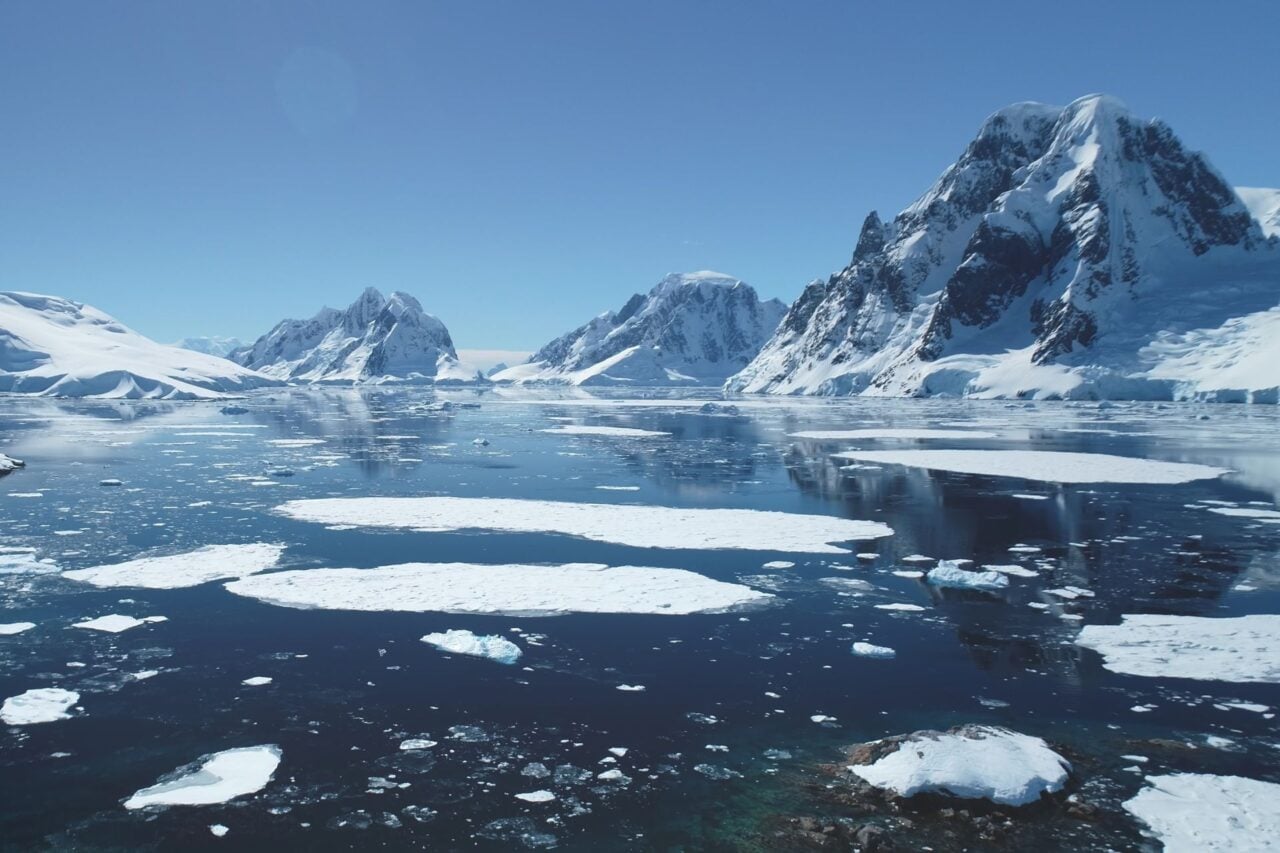
A new study lays out the best- and worst-case scenarios for a warming Antarctica. Which one becomes reality is entirely up to us.
Fortunately, emissions data is increasingly being used to hold these companies accountable.
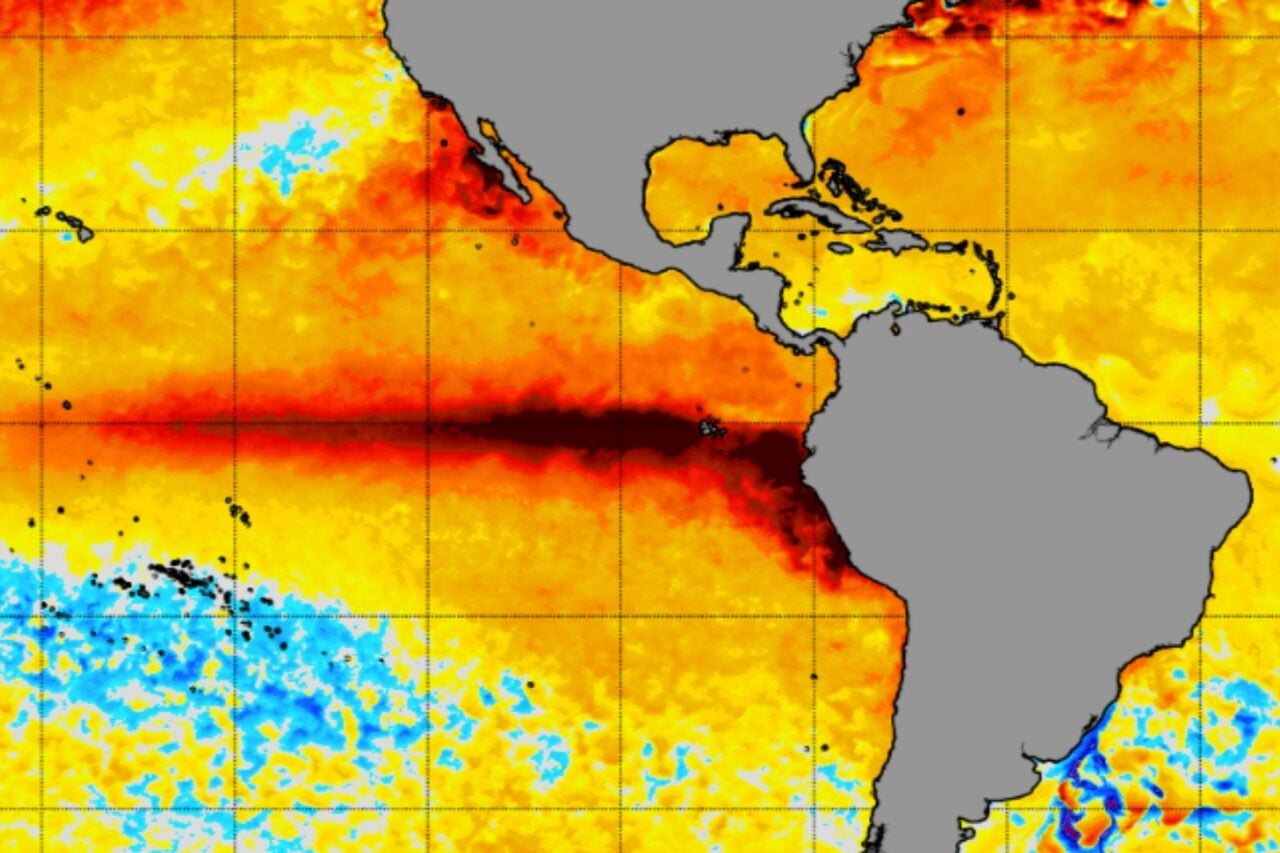
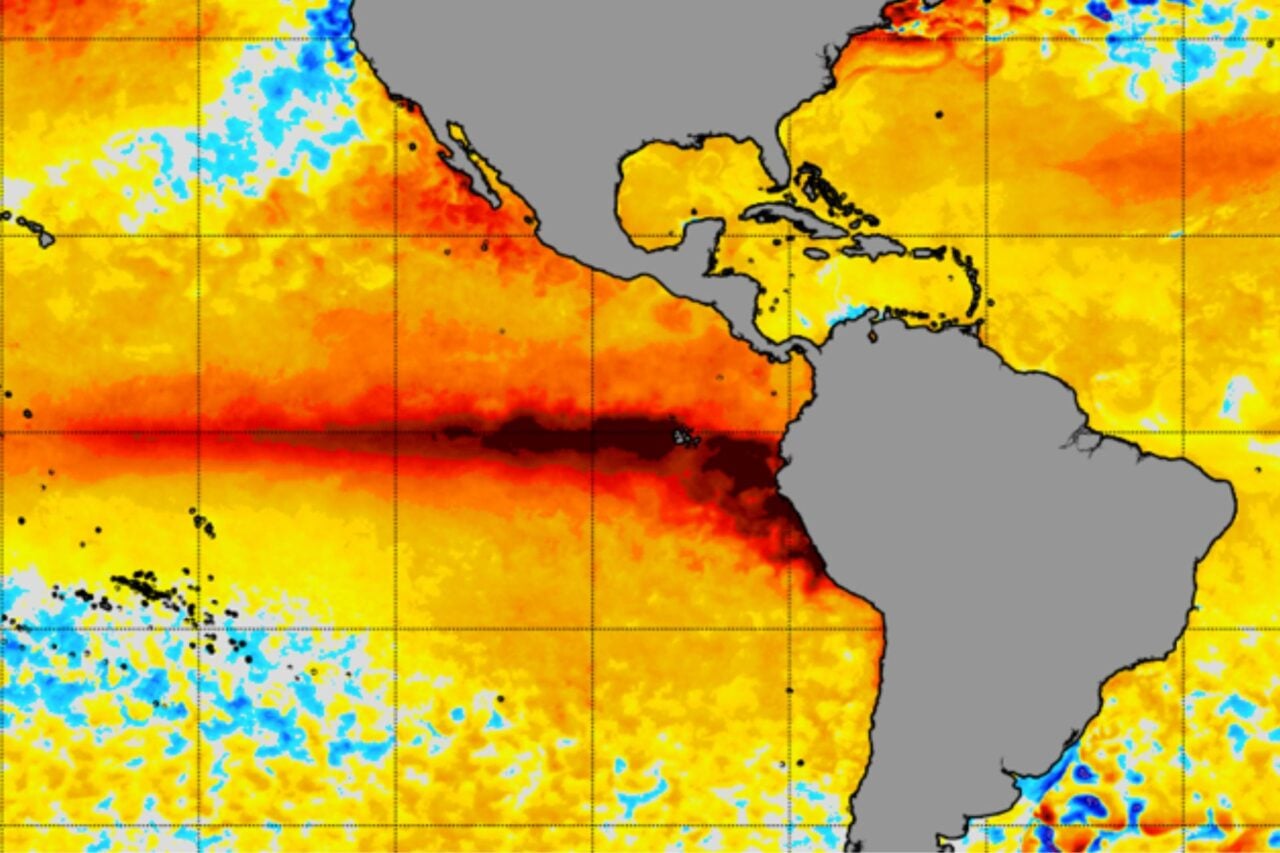
The global ocean heat content increased yet again in 2025, further raising the risk of catastrophic storms, sea-level rise, and coral bleaching.
On Wednesday, President Trump announced he was withdrawing the U.S. from the principal treaty for international cooperation on climate change.
“The U.S. taxpayers have a right to this data.”
“Against the enormity of such a wild region, this is an amazing story of the little float that could.”
Preliminary data on this year’s carbon emissions reinforces the fact that we need to act as fast as possible to avoid the worst impacts of climate change.
The CEO of the largest satellite company in the world just proposed a bold—and totally misguided—solution to the climate crisis.
Ahead of COP30, Gates calls for a shift in focus away from near-term emissions goals. Experts say that’s dangerously misguided.
As global temperatures rise, some scientists believe we need to do everything we can to prevent catastrophic warming—no matter how crazy some potential solutions may sound.
Scientists are seriously considering mimicking volcanic eruptions to mitigate global warming, but that comes with more than a few issues.
Now, Antarctica is the only place left on Earth untouched by these pests.
The 2025 Global Tipping Points Report finds that the world’s warm-water coral reefs have become the first Earth system to cross its thermal tipping point, putting them at dire risk.
As the Alsek Glacier melts, a small rocky mountain known as Prow Knob has transformed into a freestanding island.
The findings could have legal implications for oil, gas, and cement producers, experts said.