The combined impact of a strong El Niño and climate change has officially pushed ocean surface temperatures past the record set in 2024—the hottest year on record.
Two separate services under the European Union’s Copernicus Earth observation program independently confirmed the new record today, announcing that global sea surface temperatures overshot the 2024 peak for this time of year on June 21. That day, the Copernicus Climate Change Service (C3S) observed a global sea surface temperature of 69.55 degrees Fahrenheit (20.86 degrees Celsius), while the Copernicus Marine Service (CMEMS) measured temperatures reaching 69.8 degrees F (21 degrees C).
The record set in 2024 was 69.5 degrees F (20.83 degrees C). The temperatures observed last month are less than one degree higher, but Copernicus experts say the overshoot will have consequences for weather patterns, the global climate, and marine ecosystems.
“Current conditions could indicate the beginning of a new phase, leading, once more, to uncharted territory,” Carlo Buontempo, Copernicus Climate Change Service Director at the European Centre for Medium-Range Weather Forecasts (ECMWF), said in a statement. “With ocean temperatures at these levels and El Niño on the horizon, we are likely to see more temperature records fall in the coming months.”
A warming double-whammy
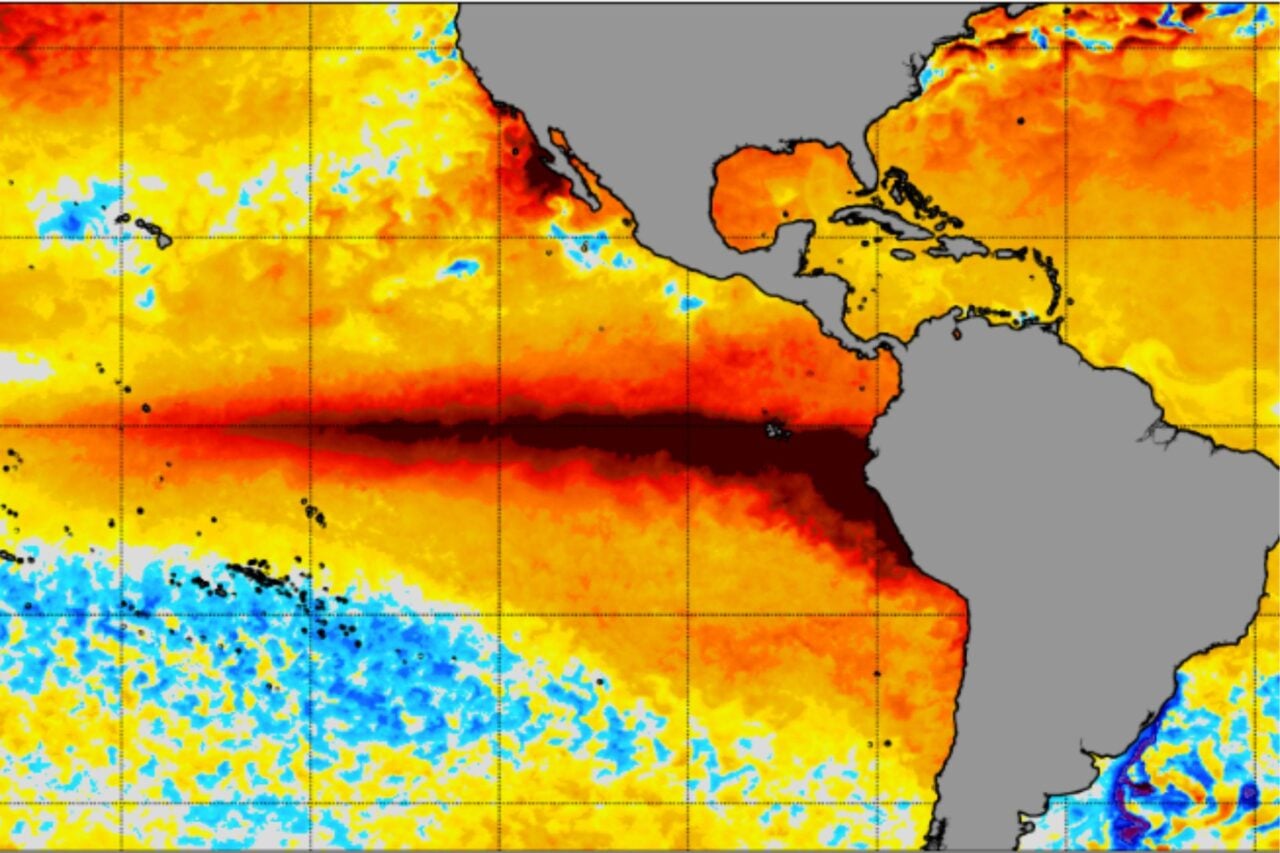
After tracking rising Pacific temperatures for months, the National Oceanic and Atmospheric Administration (NOAA) officially declared El Niño on June 11. This is the warm phase of the El Niño-Southern Oscillation (ENSO), a periodic fluctuation in sea surface temperatures in the equatorial Pacific Ocean. ENSO is the biggest driver of year-to-year climate variability on the planet.
During El Niño, equatorial Pacific sea surface temperatures rise above average, boosting global temperatures and altering weather patterns. We’re still in the early stages, but this El Niño is shaping up to be one of the strongest on record, with sea surface temperatures projected to rise up to 6.8 degrees F (3.8 degrees C) above average by December. Indeed, C3S forecast models suggest this event is likely to reach levels “not seen in decades.”
Given these circumstances, Copernicus experts were not surprised to see a global sea surface temperatures set a new record in June. While this event is significant, it’s consistent with the onset of El Niño and with the record sea surface temperatures observed in the northern Pacific in previous months, the agency said.
However, El Niño alone cannot explain the record-high global sea surface temperatures. Human-driven climate change is also playing a key role. According to NASA, Earth’s oceans have absorbed roughly 90% of the excess heat from global warming over the past century, significantly raising baseline sea surface temperatures. Now, when El Niño arrives, it easily tips the scale toward record-warm waters.
Hottest year on the horizon
As a particularly strong El Niño unfolds against the backdrop of global warming, experts believe 2026 could dethrone 2024 as the hottest year on record. If it does, it probably won’t hold onto that title for long; as El Niño reach its peak late in the year, and temperatures continue to rise in the months thereafter, 2027 is likely to be even hotter.
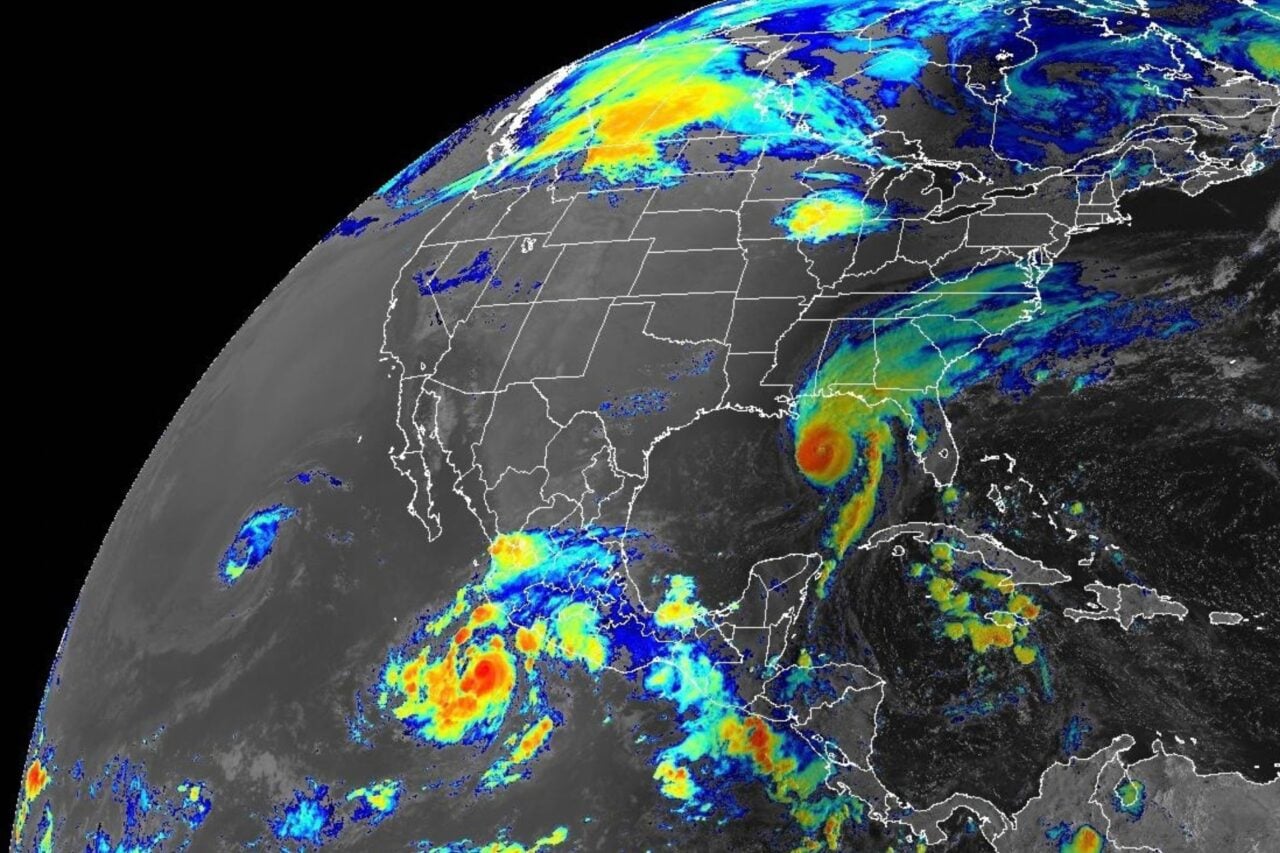
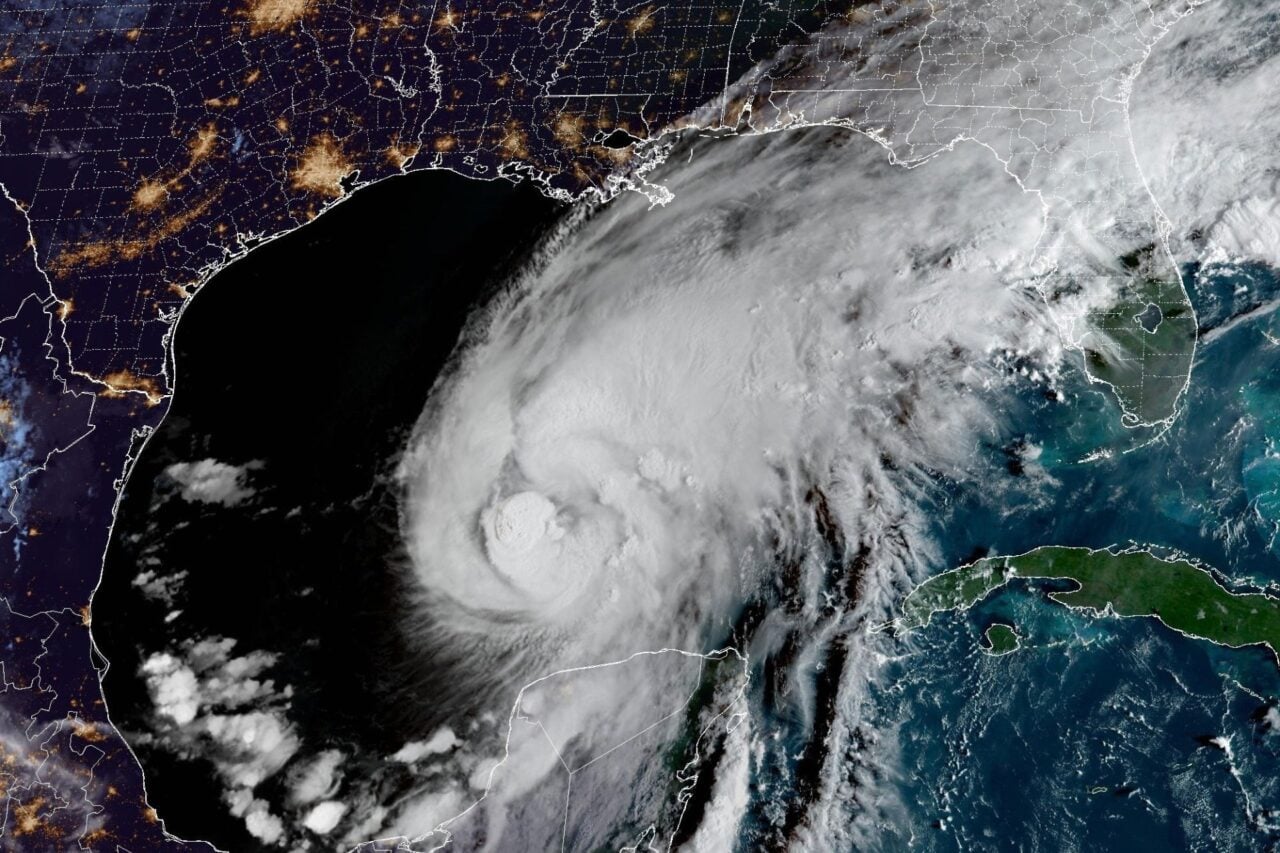
In addition to boosting global temperatures, warmer ocean waters provide extra energy to storms and increase evaporation, raising the risk of hurricanes, extreme rainfall, and flooding, according to Copernicus. Ocean warming also contributes to ice melt, sea level rise, and marine heatwaves, all of which can impact coastal communities and ocean ecosystems.
It’s possible that June’s record-high sea surface temperatures are a temporary overshoot, but the combined influence of El Niño and climate change suggests they could be more than a short-lived anomaly. As we enter a new era of sustained ocean warmth, today’s records are becoming tomorrow’s baseline.