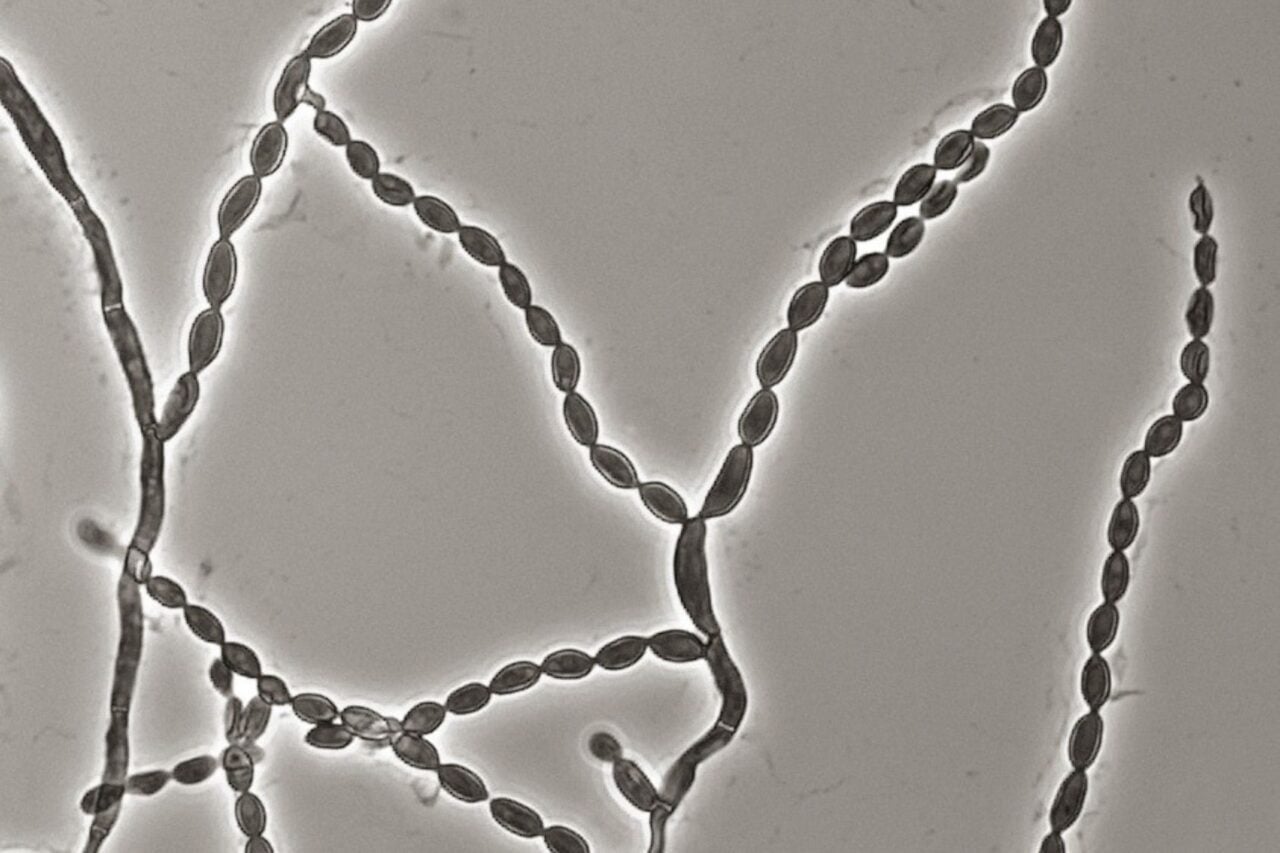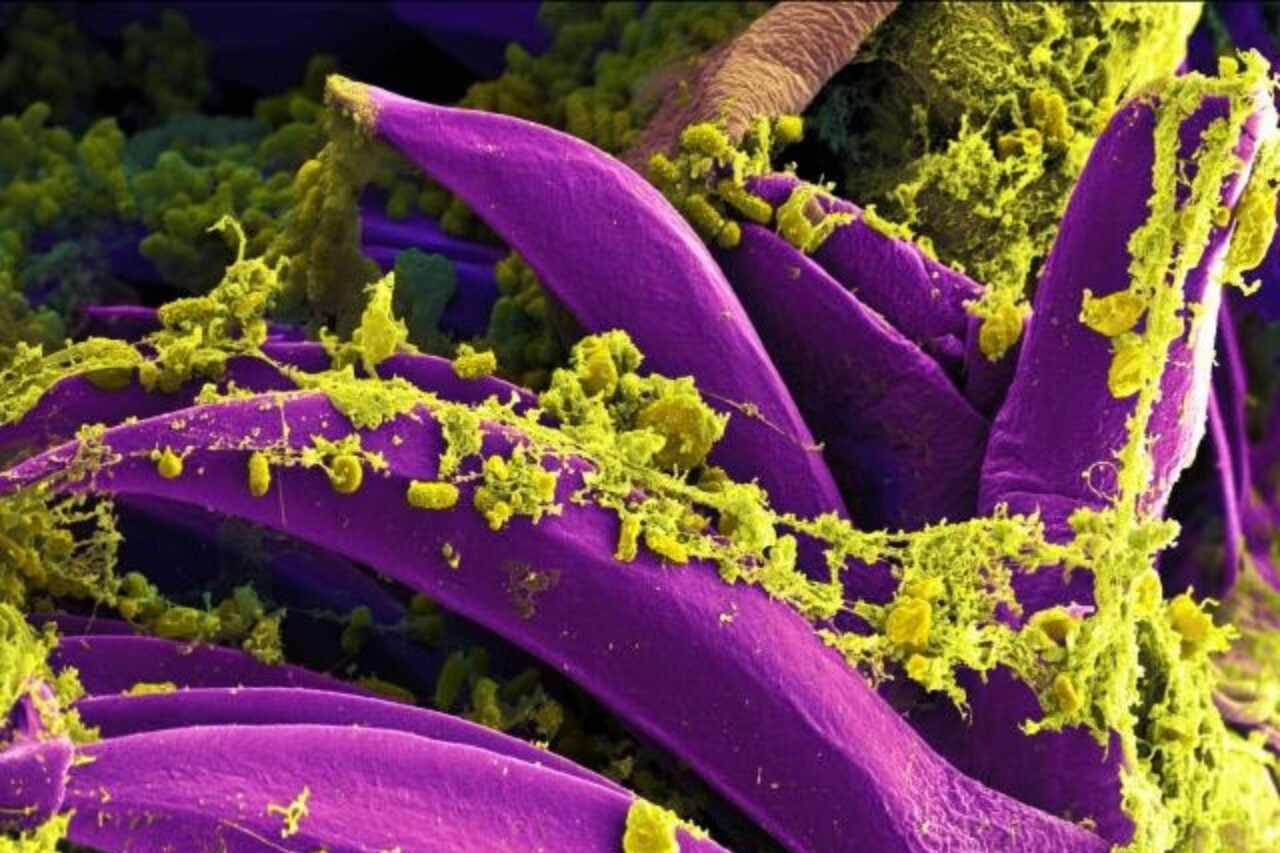
The fungus Candida auris is one of the scarier emerging diseases out there, but scientists may have just uncovered a key secret to its survival that could allow us to fight back.
Researchers at the University of California-San Francisco studied how the fungal pathogen behaved on the skin of mice. Compared to other related fungi, C. auris triggered a distinct response from the skin’s immune cells, they found—one that enabled it to easily hunker down in hair follicles. The discovery could lead to new treatments that can clear the fungus from our skin before it becomes a life-threatening problem, the researchers say.
“These results suggest that C. auris exploits a distinctive immune axis to persist,” the researchers wrote in their paper, published last week in the journal Science.
The resistant, deadly fungus
Doctors in Japan first discovered C. auris inside a person’s ear in 2009. Since then, it’s become one of the most urgent superbug threats in the world, according to the Centers for Disease Control and Prevention.
The fungus is uniquely adept at evolving resistance to the most common medications used to treat fungal infections; some strains have even been pan-resistant to every type of antifungal we have available today. Another insidious feature of C. auris is its ability to easily colonize the skin of healthy people, something that isn’t normally seen with other Candida species.
Though most people carrying C. auris on the skin will never fall ill as a result, the fungus can cause problematic and often life-threatening bloodstream infections when a person’s immune system weakens. Carriers can also spread the fungus within hospitals or other places occuped by medically vulnerable individuals, such as nursing homes (this can happen through direct contact or even just shared medical equipment and room surfaces).
The UCSF researchers were hoping to find out how and why C. auris can survive so well on skin, so they conducted experiments in the lab and with mice. They compared C. auris to its cousin Candida albicans, a species that can also cause human fungal infections but isn’t quite talented at persisting on skin.
For starters, they found that C. auris loves to colonize hair follicles in particular. What’s more, these two fungi generated two very different kinds of immune responses from the mice. C. albicans tended to trigger higher levels of interleukin-17 (IL-17), a protein known for its role in tamping down fungal infections. C. auris, however, triggered the release of interferon gamma, which is typically used to help fight off viral infections.
This wayward response not only blocked the release of IL-17, but it also appeared to slow down the replacement of hair follicle cells, both of which allowed C. auris to make itself nice and cozy in its hiding spot. Further experiments found evidence that C. auris triggers interferon gamma by changing its outer cell walls to expose more chitin, a tough sugar-based molecule commonly seen in fungi as well as the shells of insects and other invertebrates.
“Our study helps explain why, once C. auris colonizes the skin, it can be so difficult to eliminate: the fungus senses cues from the skin environment and responds by remodeling itself in ways that favor survival, including reshaping the local immune response to promote its persistence within the skin and hair follicles,” lead study author Dean Merrill, a dermatologist and professor at UCSF, told Gizmodo.
How this might help fight the superbug
Merill is careful to note that C. auris poses little threat to the vast majority of people carrying it on their skin. That said, though still rare in general, annual C. auris infections have steadily climbed. This year so far, there have been more than 3,400 cases reported in the U.S., putting it on pace to surpass last year’s total.
Should the team’s research be further validated (including studies in people), it could provide some important insights into the hardy fungus. While many scientists are actively working to develop new antifungals and vaccines that can treat or prevent invasive infections from C. auris and other fungi, we need all the help we can get. So the UCSF team is hopeful their work can eventually spur research into other strategies for fending off these superbugs.
“Understanding these adaptations gives us new potential targets for developing better ways to clear C. auris from the skin and prevent its spread,” said Merill.
It might be possible to develop proactive interventions that can nudge our skin’s defense toward the right immune response, for instance, or to otherwise prevent C. auris from tricking the immune system. And simply studying C. auris more might help us learn how to suppress its transformation from a harmless skin passenger to a killer drug-resistant germ, the researchers say.