Drug-resistant bacteria and other microbes are a serious and growing public health threat. Data out today from the Centers for Disease Control and Prevention quantifies the annual toll of these superbugs, and it’s not looking good.
On Tuesday, the CDC released the latest version of its Antimicrobial Resistance (AR) Threats Report. The agency estimates that roughly 10 million infections and more than 50,000 deaths in the United States are now caused by drug-resistant bacteria and fungi every year—estimates well above the previous figures released in 2019. Though there has been some success at curbing certain drug-resistant infections, substantially more progress is needed to prevent the approaching antimicrobial apocalypse, outside experts say.
“These numbers are alarming by any measure but are particularly sobering when infectious diseases physicians connect real patients with these statistics in their everyday experience,” said Wendy Armstrong, a clinician and president of the Infectious Diseases Society of America, in a statement provided to Gizmodo.
A growing toll
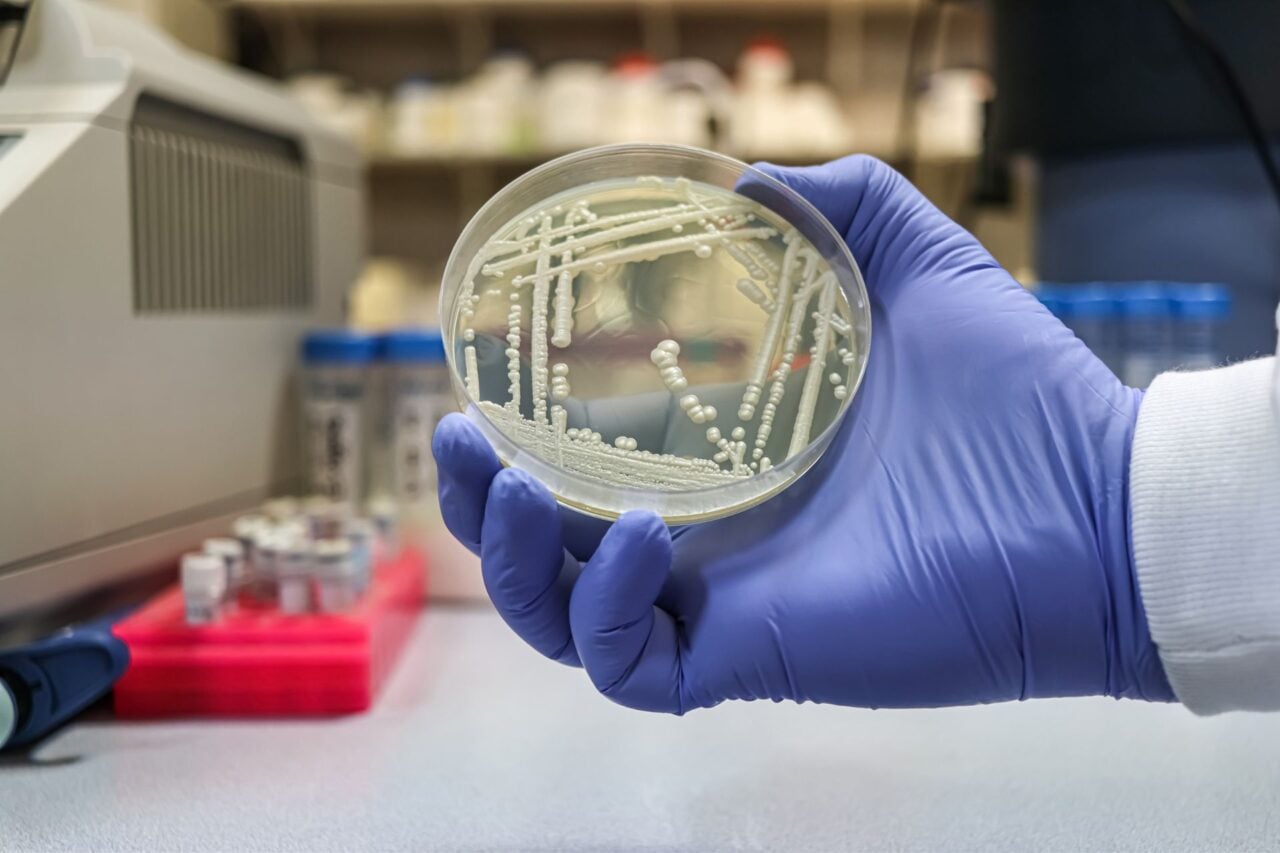
The CDC released its first iteration of the AR Threats Report in 2013. In 2019, it released a more extensive tally focusing on 18 drug-resistant microbes that were especially urgent or serious, including the emerging fungus Candida auris (since renamed Candidozyma auris). That report estimated around 2.8 million infections and 35,000 deaths were caused by drug-resistant germs every year. In 2024, the CDC published another report that singled out drug-resistant germs commonly found in healthcare settings, but this newest report is the most comprehensive released since 2019.
Based on data from 2023, drug-resistant bacteria and fungi now account for 9.7 million infections and 50,800 deaths in the U.S. annually, the CDC found. Roughly 40,000 of these deaths are linked to health care-associated infections; these infections also led to almost $12 billion in health care costs.
The list of the most worrying superbugs is now at 19, separated into four urgent threats, 13 serious threats, and two concerning threats; six other germs are on a watch list. The newest addition is drug-resistant Neisseria meningitidis, which has been classified as a serious threat.
There are some encouraging signs. Rates of drug-resistant Clostridioides difficile, a common source of hospital-related infections, began to lower in 2018 and have remained stable since 2020. As such, the bacterial disease was downgraded from an urgent to a serious threat. That suggests that policies to reduce infection and resistance spread in hospitals are working to an extent.
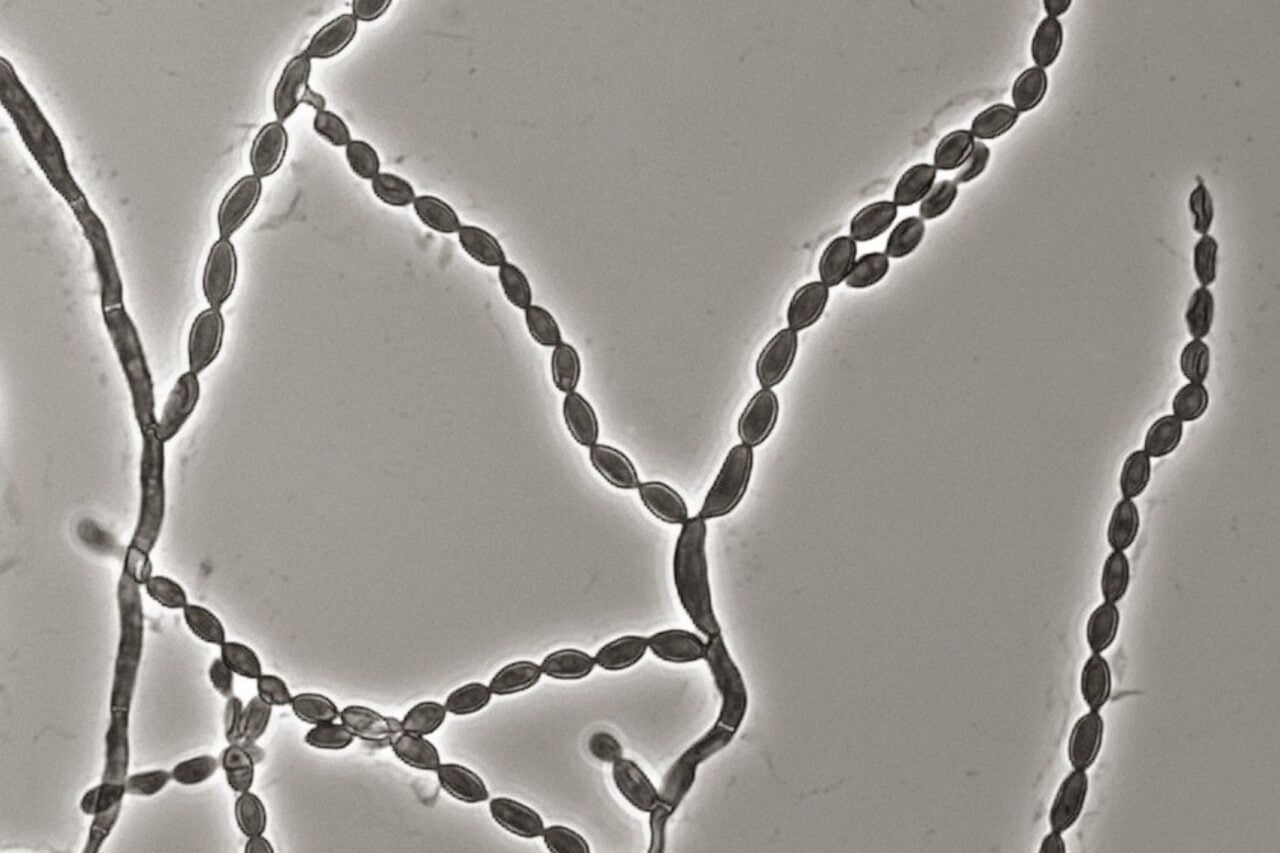
At the same time, infections caused by C. auris, while still rare overall, have surged tenfold since 2019, and some strains have displayed resistance to practically all available antifungals. The report also highlights that certain genes conferring resistance to our most precious antibiotics are spreading widely between bacteria.
“It’s frequent that I will see a patient who has a pathogen, and then we will get our susceptibility report from the lab. And that entire panel will be resistant, where there is not an identified drug that can actually effectively treat their pathogen,” Armstrong, who is also head of the Division of Infectious Diseases at the University of Colorado School of Medicine, told Gizmodo over the phone. “And that’s honestly terrifying.”
What needs to be done
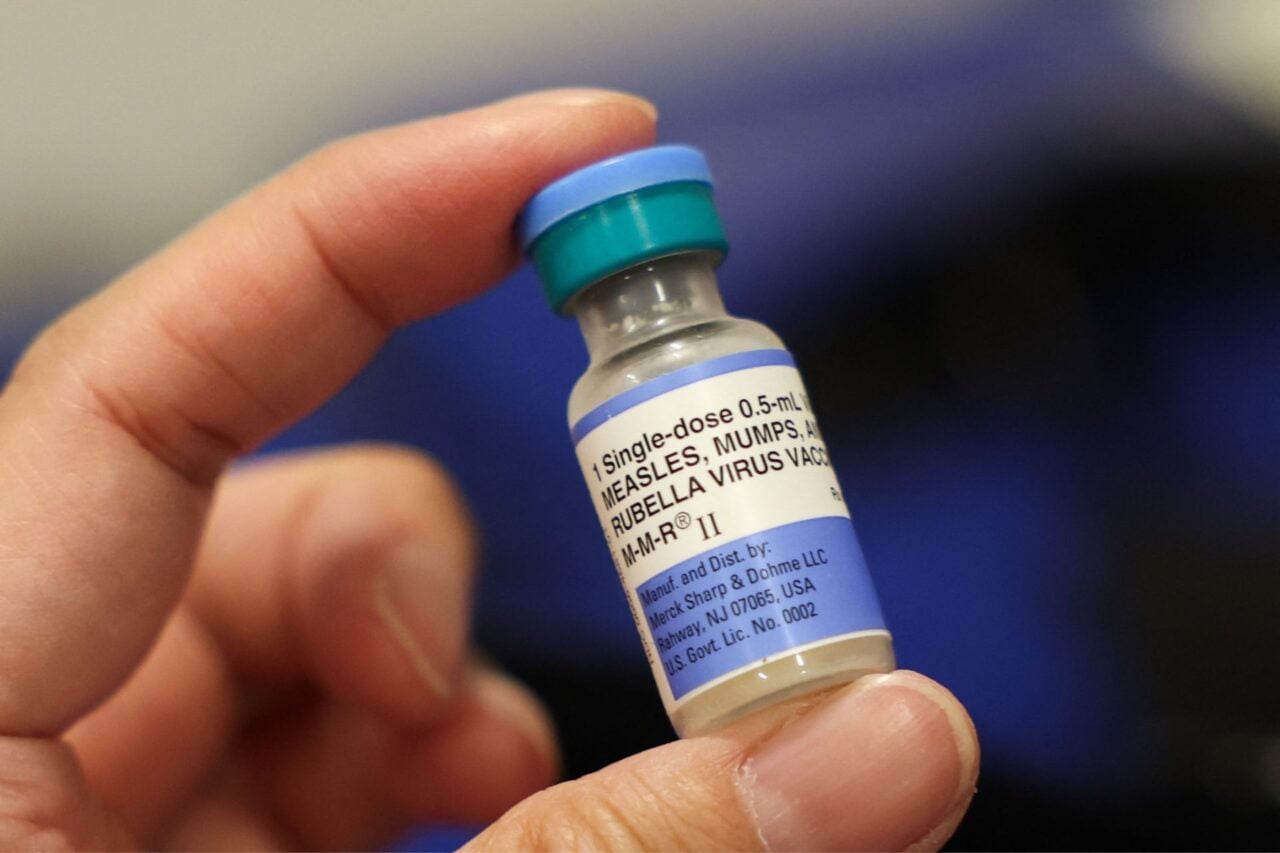
Scientists are working on novel strategies to tackle some of these superbugs before they can be a problem, such as vaccines for drug-resistant infections like gonorrhea, diarrhea-causing Shigella, and C. auris. But we will always need a steady supply of antimicrobials to handle these ever-evolving infections. Unfortunately, the pipeline of new antibiotics and antifungals has steadily dried up over the years.
This shortage has been worsened by the fact that newly developed antimicrobials have to be used as sparingly as possible to maintain their effectiveness. This scarcity means that pharmaceuticals typically can’t profit from them as well as they can from other drugs, and many companies have simply abandoned the field altogether citing high R&D costs.
There are organizations and countries that have tried to motivate Big Pharma to reenter antimicrobial development in different ways. An increasingly popular idea calls for a “Netflix subscription” model, where governments negotiate a consistent flat payment for a company’s drug regardless of how it’s often used. This strategy and others are part of the Pasteur Act, a bipartisan bill intended to further speed up the drug pipeline in the U.S. And the IDSA and other organizations are aggressively pushing for its passage.
“The Pasteur Act is a way to turn the incentives in favor of developing innovative antibiotics of significant public health importance, particularly for these antimicrobial-resistant organisms,” Armstrong said. “We’ve seen places where this model works, and we’ve seen that what we’re doing now totally doesn’t work.”
Without real progress, drug-resistant infections threaten to cause substantially more harm and death in the near future. According to a 2014 report from the UK government, these infections could cause 10 million deaths worldwide annually by 2050, which would approach the current death toll from cancer.
More than that, such infections would affect our health even more than they do today. Everything from pregnancies to chemotherapy to routine surgeries are reliant on the safety net provided by antimicrobials. Without that net, the world will become a more dangerous place, much like it was prior to the antibiotic era.
The article has been updated with additional comments from Wendy Armstrong.