I’ve been using smart home products for something like a decade, ever since I bought my first house and discovered it had some very inconveniently placed light switches. Rather than reroute the wiring for those switches, I went the comparatively cheaper route of buying a handful of Philips Hue bulbs—the simple white ones, I ain’t rich—and a smart speaker to control them. I didn’t know at the time that this would turn into a hobby, but here I am.
2026 has proven to be one of the best years yet for that hobby. Mostly because of Matter, the universal smart home standard that lets smart home device makers create products that work with any smart home platform without having to worry about the disparate requirements of each. More accurately, it’s because these days, it’s weirder for a new device to hit the market that doesn’t support Matter than one that does.
As such, this is a fairly Matter-heavy list. Not everything here adheres to that standard, mostly because this is also the year I started really looking in earnest at home backup battery systems and robotic lawnmowers. Neither of those categories actually supports that standard; otherwise, you can bet I’d be hooking them up to Apple Home, which has been my ecosystem of choice for years because I prefer its presentation and, for better or worse, Apple’s outward devotion to privacy. Nearly everything you’ll read about below is something that I reviewed, but some are just devices I’ve either used extensively in my home or have gotten to look at during events.
(Product prices were accurate at the time of publishing.)
10. SwitchBot Standing Circulator Fan

SwitchBot’s Standing Circulator Fan saved my butt this summer when I needed to move air from my single window AC unit around my otherwise un-air-conditioned apartment. It’s battery-powered, making it very easily portable, and it can oscillate up and down and left and right. It has an LED night light ring in the back. You can also set it to three heights, letting you use it as a traditional standing fan or as a tabletop one, although switching between is a bit of a pain, since you have to unscrew and remove segments of its stand.
The Circulator Fan is Matter-compatible to boot, so I could use and automate it with Apple Home instead of needing to keep track of multiple apps. Unlike a lot of SwitchBot products, you don’t need to pair this fan with one of the company’s hubs before adding it to a third-party ecosystem. And if you don’t want any of that, it has touch buttons and a teeny tiny remote control that both work just as well.
See Standing Circulator Fan at SwitchBot
9. Aqara Smart Lock U400
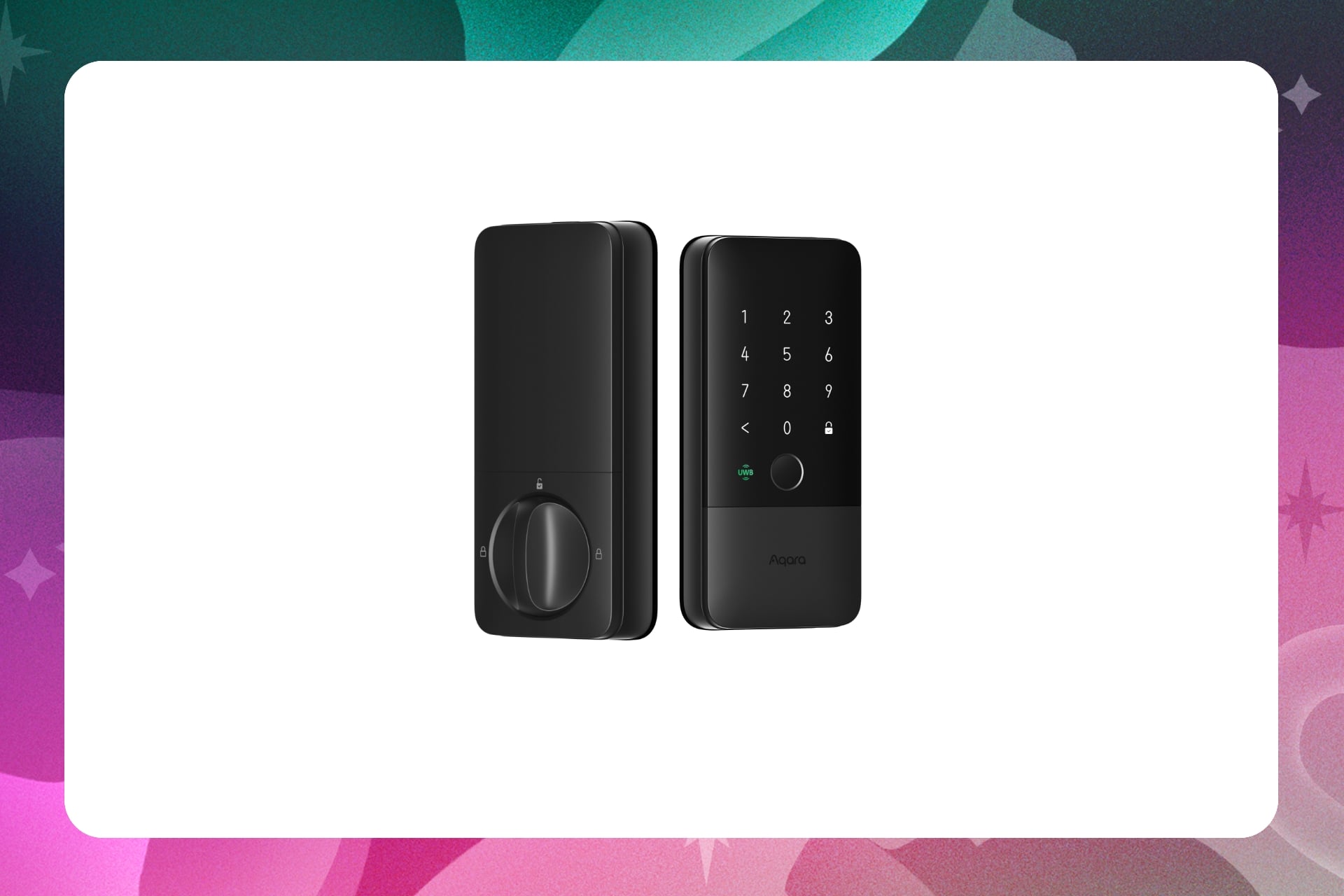
The Smart Lock U400 was the first smart lock to emerge with full-on support for Aliro, the universal smart lock standard that allows any Aliro-supporting smartphone or smartwatch to serve as a digital key, either via NFC or ultra-wide band (UWB). Those benefitting from that the most are Apple users, as iPhones and Apple Watches were the only devices that actually had support for UWB at launch, which has meant that those users can unlock the U400 just by approaching their door with those devices on them. Supposedly, UWB-based hands-free unlocking is supported by Samsung, too, although as of this writing, I’ve seen no evidence that this is enabled for Samsung users in the U.S., yet.
The U400 has plenty of other benefits. It’s a decent-looking smart lock, with a minimalist, rectangular body with a matte black finish. It features a USB-C-rechargeable battery, so you’re never hunting for AAs, and it has both a keypad and fingerprint sensor, each of which worked well when I reviewed the device earlier this year. I said it then, and I’ll say it now: I never want to go back to non-UWB smart locks again.
8. Govee Outdoor Chromatic String Lights
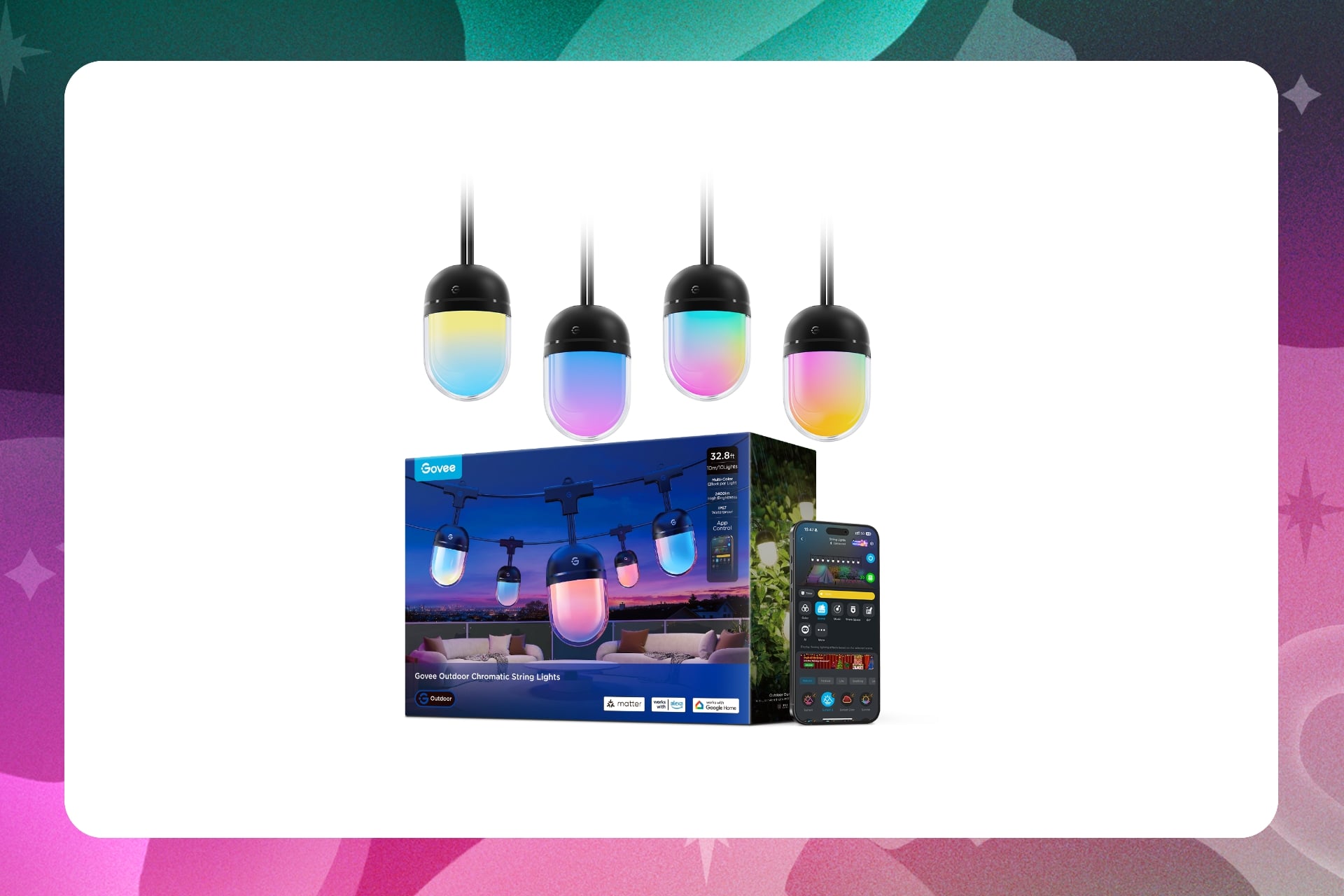
Govee’s outdoor lighting is impressive in general, but the Chromatic String Lights were an easy favorite. Each of the pill-shaped bulbs that come on a string (I tested a two-string version) can do gradients all on their own, and with the Govee app, these devices get a ton of cool effects. That includes a reactive music one that makes the lights blink or shift in response to noises around them. I used this feature to great effect during a backyard show, flipping it on near the last band’s performance after it had gotten dark.
Besides the cool effects, these lights are Matter-compatible and work within any smart home ecosystem you like. But, like any fancy, effects-driven smart lighting, you’ll need the manufacturer’s app to actually do anything besides very basic lighting controls like turning the whole string of bulbs on and off, changing overall color, or adjusting brightness.
See Chromatic String Lights at Amazon
See Chromatic String Lights at Govee
7. Anker Solix E10
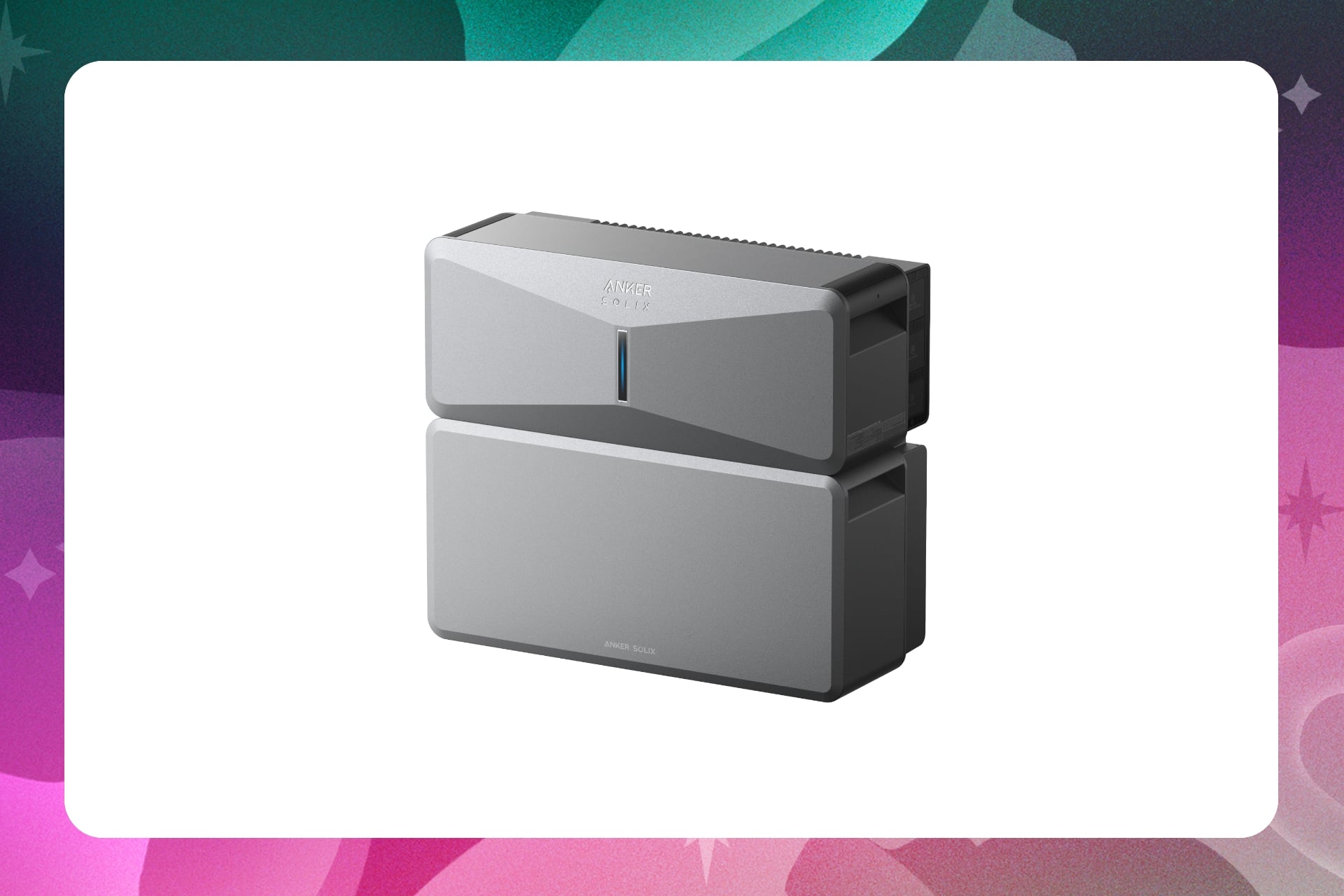
The Anker Solix E10 was my first experience with a home backup battery system, which also made it my first real taste of independence from the energy grid. I tested a two-battery stack alongside Anker’s Power Dock, which can replace your circuit breaker box with smart circuits that let you monitor the current wattage of each circuit and flip them on and off at will.
The 12kWh stack proved enough to power my home for much of the day, and the system has nice features, such as the ability to have it automatically recharge ahead of a thunderstorm, something I got to test directly as storms came through that I confirmed briefly knocked out power to my home while I was reviewing the E10. I didn’t notice a thing. This system doesn’t come cheap—as of this writing, my tested configuration goes for $7,800 on Anker’s website—and I don’t think it’s worth it for anyone who doesn’t have solar power. For those who do, it’s worth considering, especially if you live in a place that’s prone to blackouts.
6. Segway Navimow X4
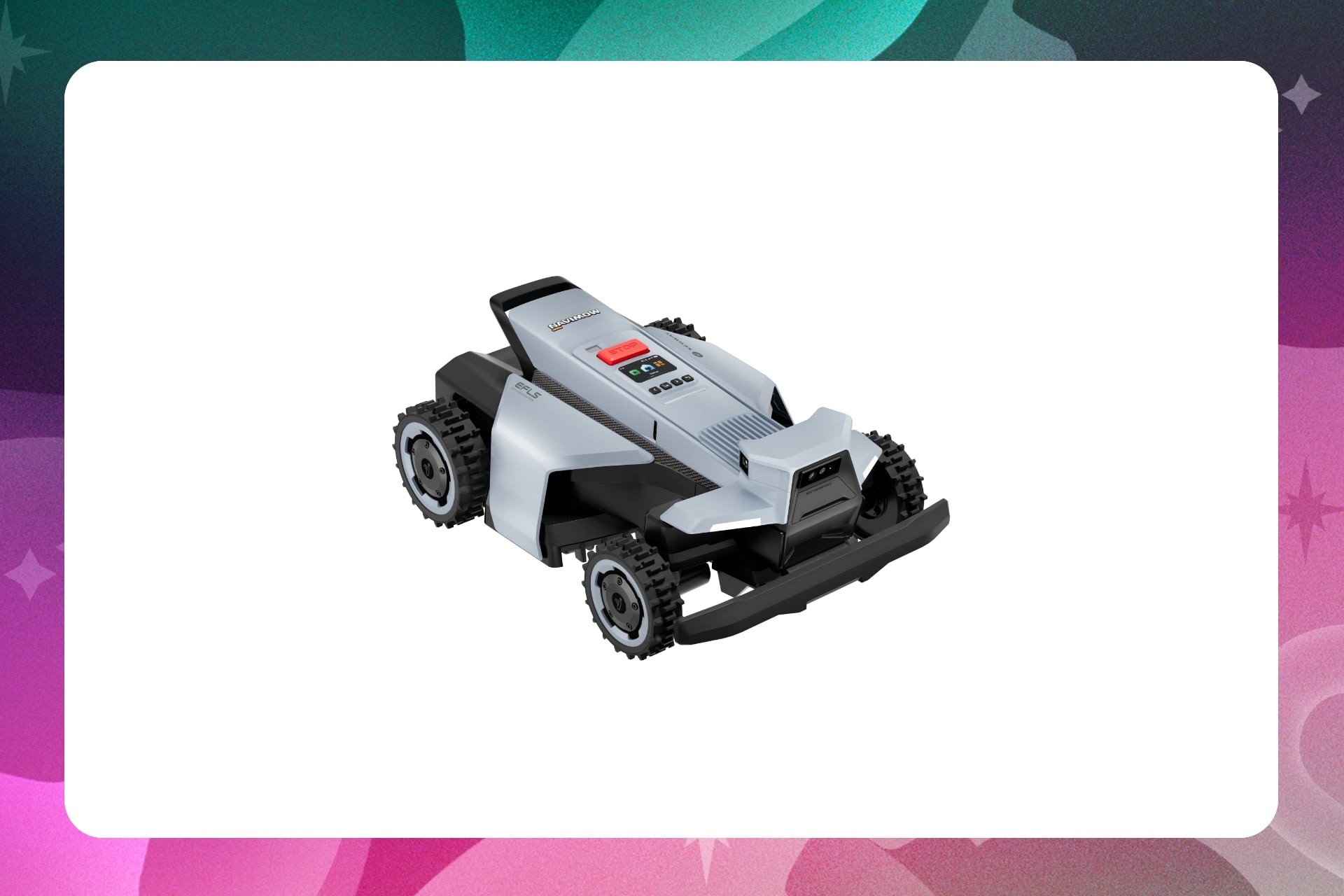
Another first for me this year was testing robotic lawnmowers, starting with the Segway Navimow X4 (or, specifically, the X430). This ended up being my favorite of the bunch I reviewed over the summer, thanks to its smart design, quiet operation, and ability to cover my lawn without setting up a separate antenna for satellite connectivity (though it does come with one in case you need it).
There are real limitations to consider, like the X4’s sometimes-iffy obstacle avoidance or the fact that its reliance on satellites means it won’t work with every yard. I saw that firsthand when I tried it in a friend’s tree-covered yard, and it repeatedly lost connectivity, even when operated from under the canopy. But on my own lawn, the X4 did a great job keeping the grass trimmed over many runs and never faltered due to the terrain, including the steep hill at the very front of it (although it did struggle to notice and avoid a wire garden fence and had a hard time navigating through the gate between my back and front yards).
This $2,500 lawn-bot is too much for many yards, but Segway says it can handle up to an acre in one day, so if you’ve got the space, it has the ability. The X4 could stay the best in the business for a while, unfortunately, because while the robot lawnmower world is rapidly improving, the U.S. ban on foreign-made robotics means it’s extremely unclear when we’ll actually get to benefit from those improvements.
See X4 Robotic Lawn Mower at Amazon
See X4 Robotic Lawn Mower at Segway
5. Philips Hue Liane 360° Rope Light

The Philips Hue Liane 360-degree Rope Light is a ridiculous piece of excess, and I love it anyway. It’s a long, snakey, gradient-filled smart light that you can bend into wiggly shapes in your home. I only got to look at it during a Philips Hue event in Berlin, Germany, during IFA 2026, but I came away impressed with its brightness, the smoothness of its gradients, and its color, which was gloriously vibrant without being obnoxious.
See Liane 360° Rope Light at Philips Hue
4. Eufy Omni E35 Robot Vacuum
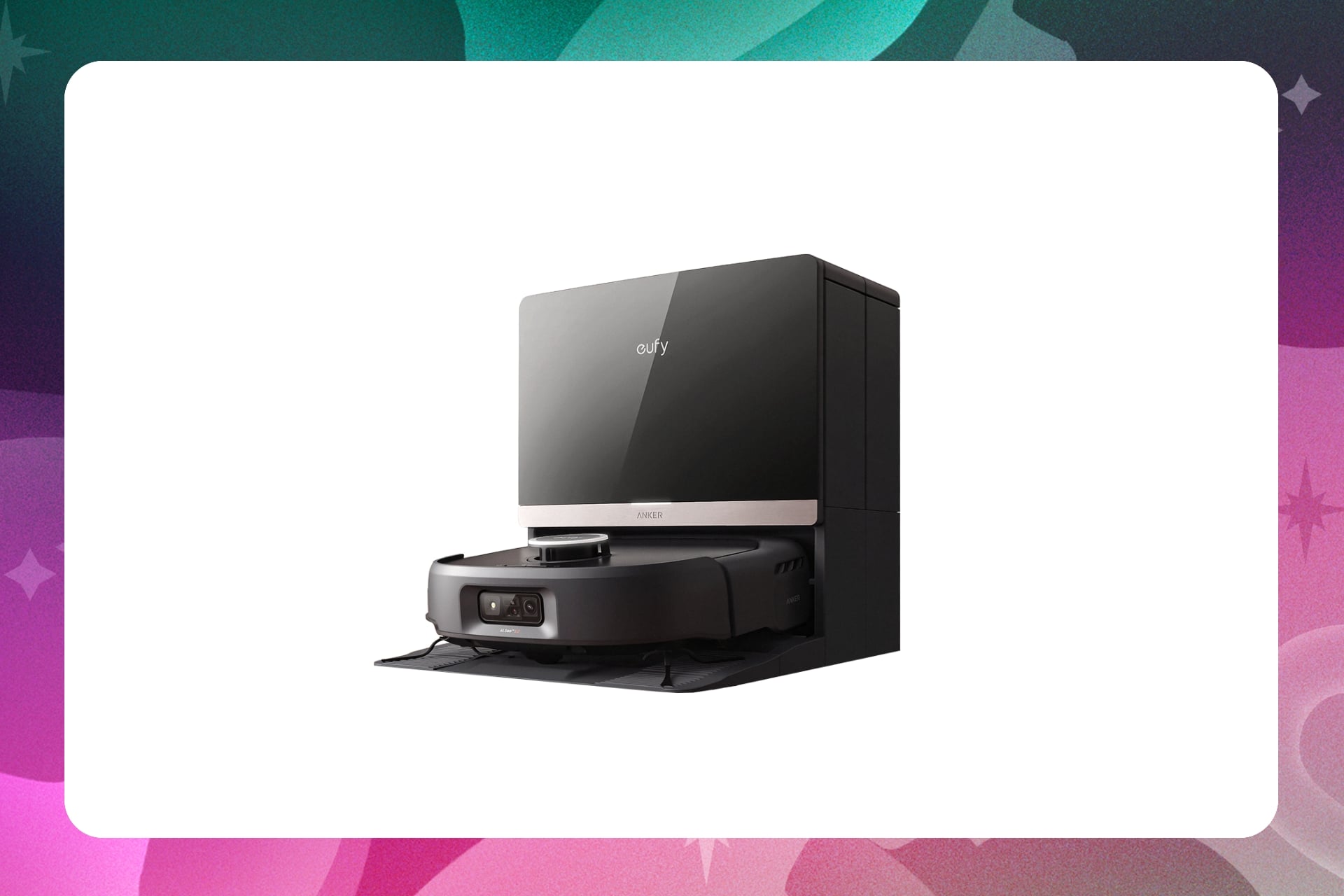
The Eufy Omni E35 isn’t my favorite robot vacuum—that honor goes to the Matic robot vacuum I reviewed last year—but of all the floor bots that were released in 2026, it’s the only one that even came close. The E35 did a great job at both vacuuming and mopping, and its dock is mercifully small and quiet. (That’s a huge step up from the Omni E28’s dock, which sounds like a jet engine every time it empties the dustbin of its associated robot.)
The E35 is also fast, works with third-party smart home ecosystems via Matter, and has the best battery life of any robot vacuum I’ve tried. It also features a unique design that earned it the first-ever Asthma and Allergy Friendly Certification from the Asthma & Allergy Foundation of America, meaning it captures the kinds of allergens that most other robot vacuums tend to spew up into the air. That’s partly thanks to a cyclonic separator built into the surprisingly clog-resistant dustbin of the robot itself.
See Omni E35 Robot Vacuum at Eufy
3. Ikea Timmerflotte temperature/humidity sensor
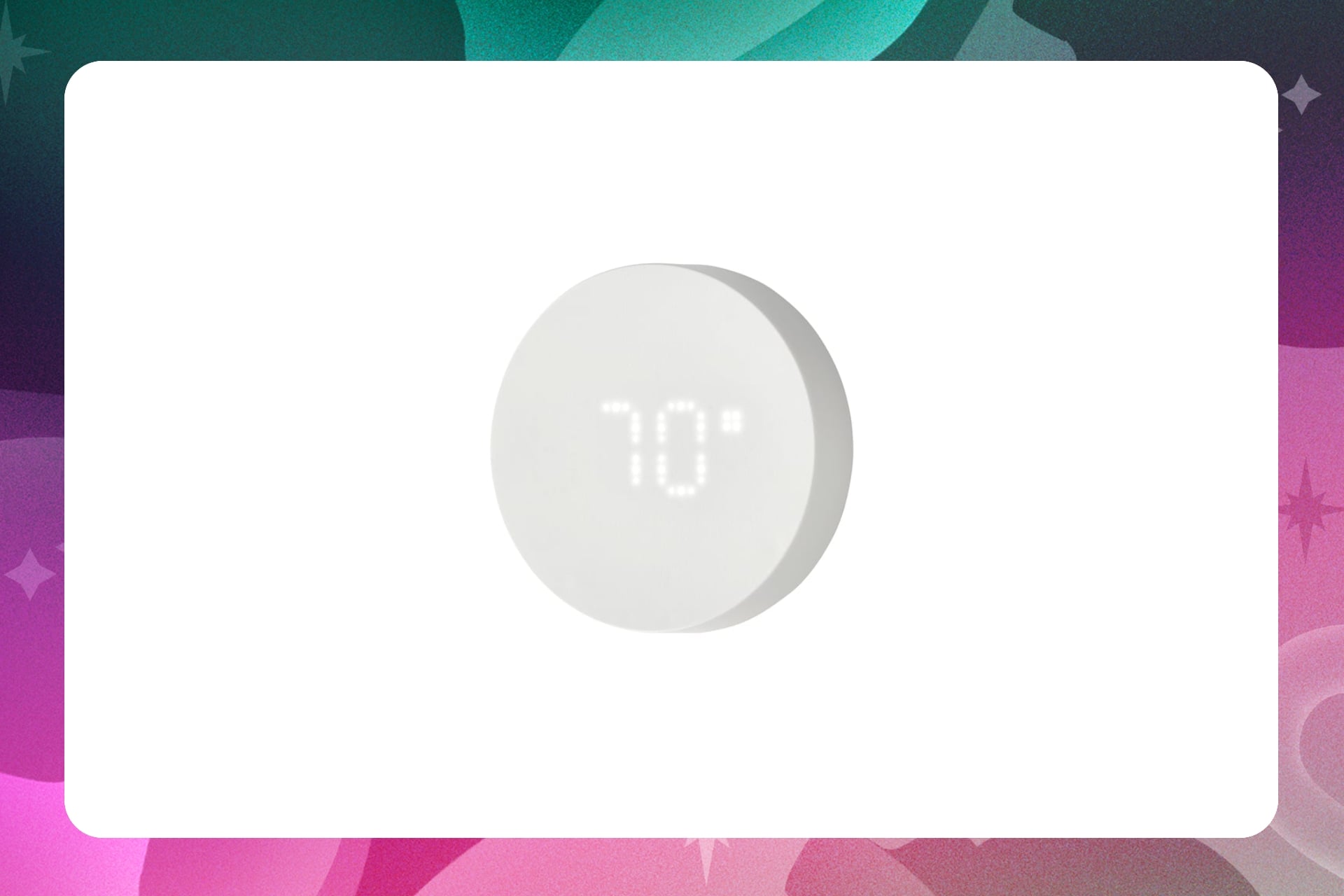
Ikea announced a bunch of super-cheap Matter-over-Thread devices at CES 2026, and my favorite among them has been the Timmerflotte, a little white puck of a temperature and humidity sensor that’s been stuck to the front of one of my desk’s legs all year long. Unlike most such products, this little guy has a display, but it’s not always on. Instead, you press on the face of it, and a little digital display lights up, showing you first the temperature and then the humidity. And that’s it!
In testing, I used the Timmerflotte partially to quickly check the temperature in my office, as well as to trigger an automation in Apple Home. Whenever the Timmerflotte recorded the humidity going above 50%, a nearby Eve smart plug that I own would turn on, activating a small, cheap dehumidifier behind me. And when it dropped under 45%, the plug switched off. The fan in my dehumidifier failed halfway through the summer, but until then, the Timmerflotte never failed to trigger this automation. Plus, you can get it for a cool $12.
See Timmerflotte temperature/humidity sensor at Ikea
2. Lifx Smart Mirror
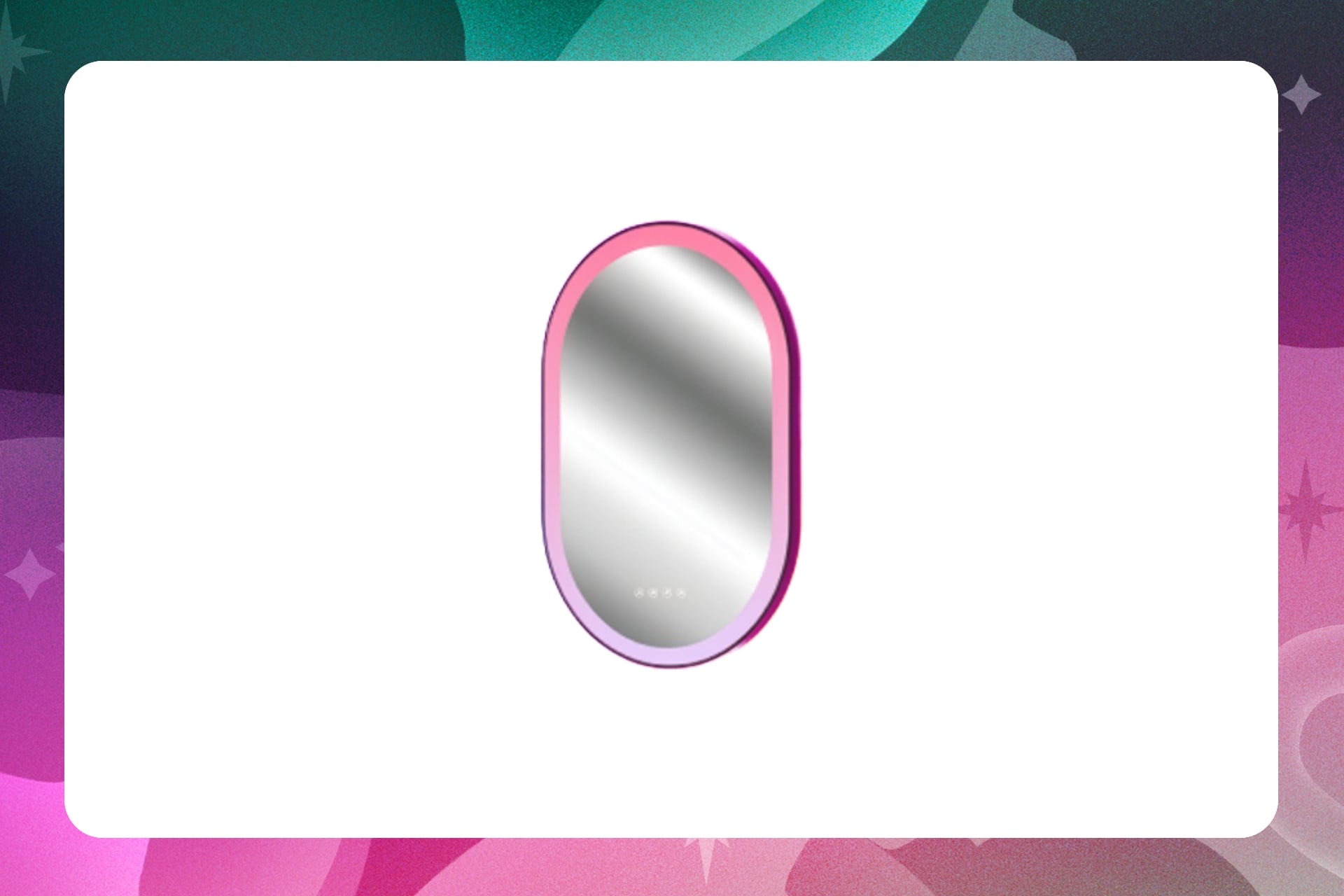
The Lifx Smart Mirror kind of falls into the same category as the Liane—ridiculous, excessive, and fun. It’s not a smart mirror in the way you might be thinking, as it has no built-in display or anything like that. Instead, it has an LED ring around its outside edge, front and back, as well as four touch-sensitive buttons on the front. These buttons have functions by default, like turning the light on, adjusting its brightness, or sending it into a make-up check mode that lets you see what your face might look like in a variety of lighting conditions. And they’re also assignable, so you can use them to control other smart home devices, including in third-party ecosystems you’ve connected the mirror to via Matter.
The Smart Mirror’s LED lighting makes it unique among light-up mirrors, particularly when you start using its effects, including one that sees light bouncing around in reaction to noises nearby (using the microphone on your smartphone, rather than the Smart Mirror itself). It also has a built-in heating element that lets you defog the mirror by tapping its fourth, non-configurable button. Most of all, though, I was charmed by this roundish, pill-shaped mirror because it let me approximate all-time great first person puzzler Portal’s orange and blue rifts in spacetime.
1. Anker Solix S2000
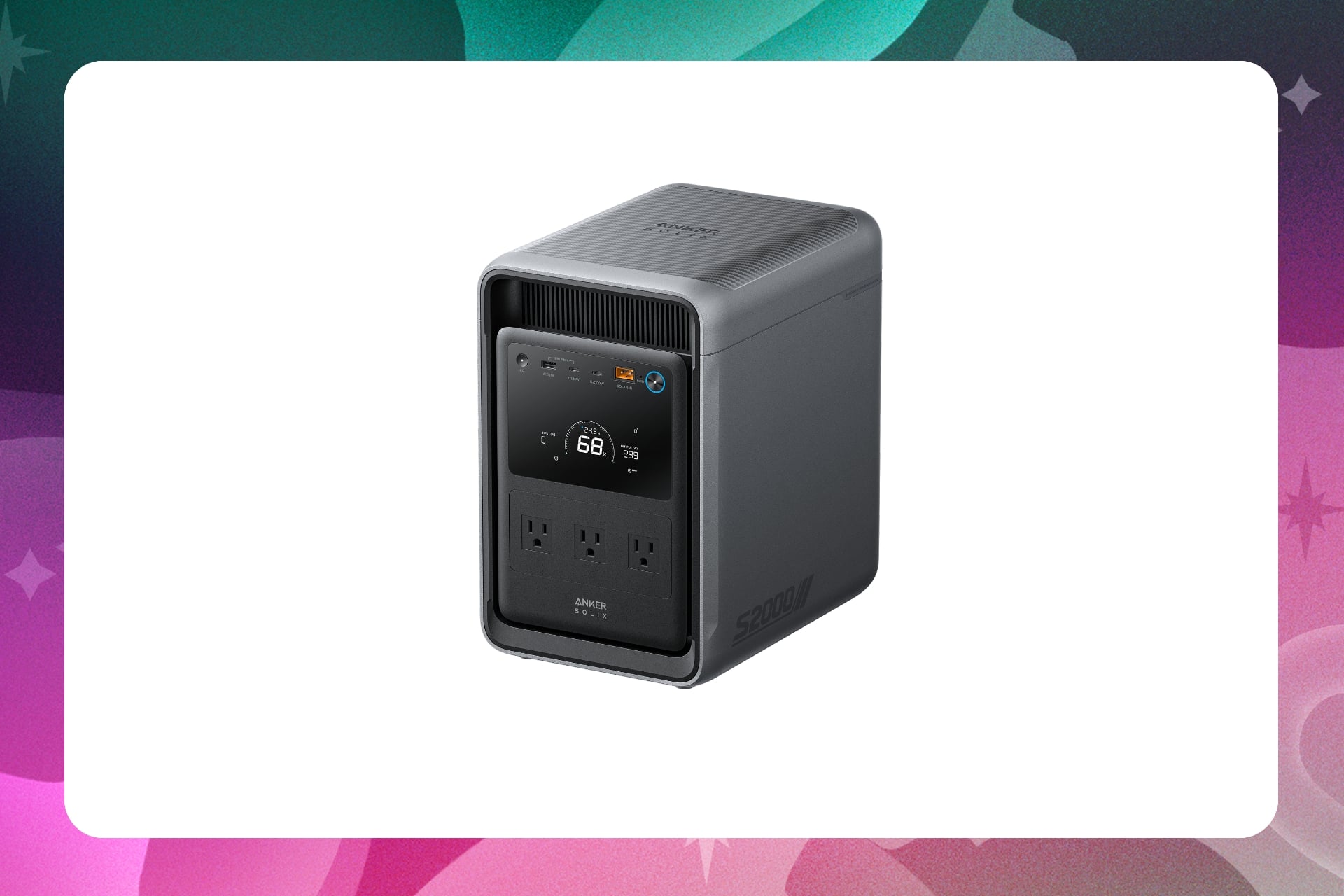
The other Anker backup battery I tested this year, the Solix S2000, is a much smaller, portable power station. It’s a 2kWh battery with five AC outlets, as well as two USB-C ports and a USB-A port for juicing up your smaller devices. I especially like the S2000 for its form factor and versatility. While it holds about 2kWh of juice, it’s lighter and more compact than other such devices, like the DJI Power 2000 I looked at last year. It’s more configurable than that battery, and I really liked the fact that Anker put AC outlets on the front and back.
The Solix S2000 can only dole out as much as 1,500W continuously. But it’s more a way to keep your home appliances or your PC going in an outage. To that end, it’s also a fairly quiet device, and its app lets you set things up like a time-of-use schedule, letting you bank power when energy is cheap and dispense it when it’s pricey, if you’ve signed up for that kind of plan through your utility company.