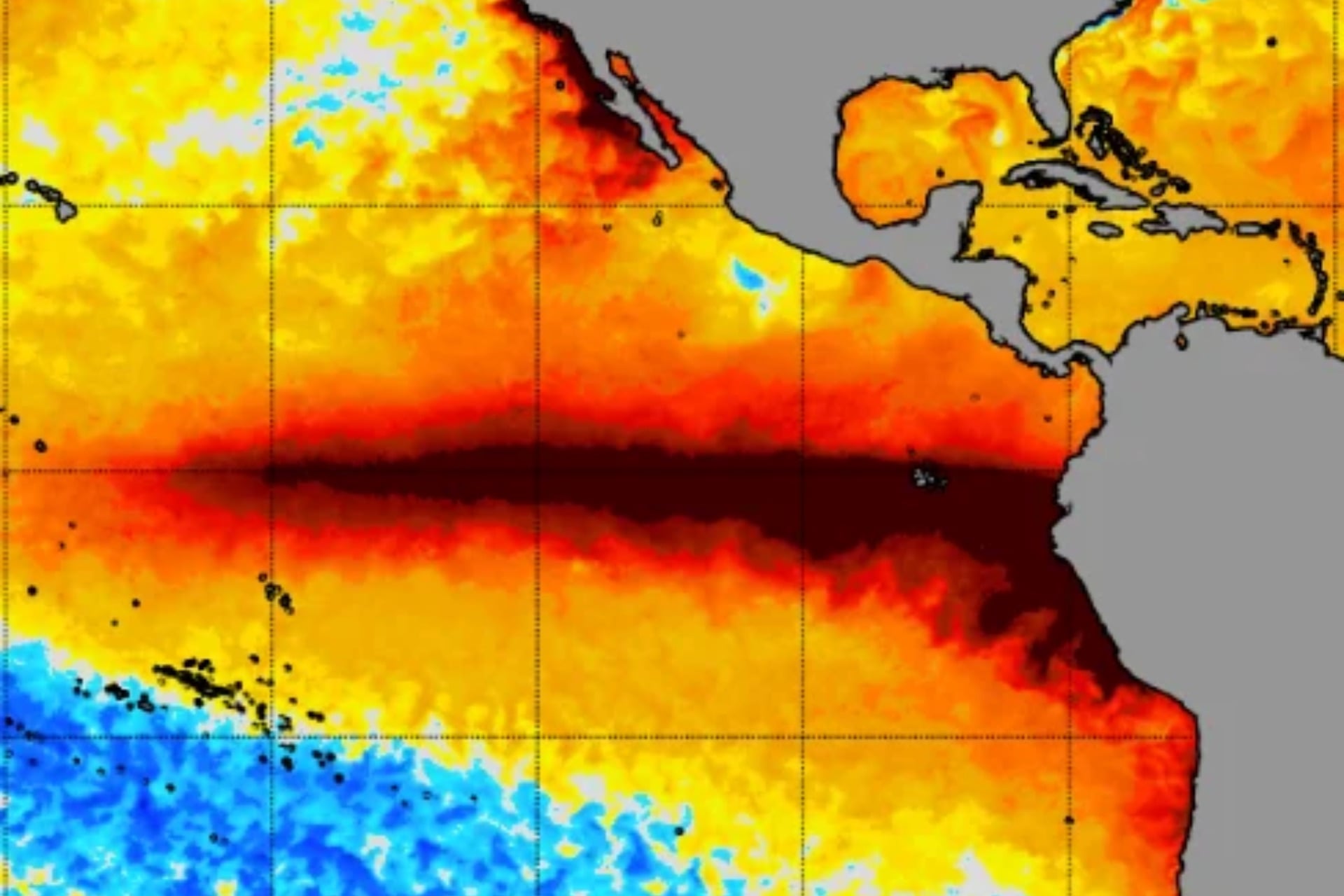
El Niño is looming large over the 31st annual United Nations climate conference (COP31) this week. Scientists have been warning for months that this record-strong event will exacerbate the impacts of an already warming climate, and a recent decision by the World Health Organization underscores the potential consequences for global health.
According to the World Meteorological Organization’s 2026 State of the Climate Report, released on the first day of COP31 negotiations, the WHO has classified the anticipated health impacts of El Niño as a health emergency. This is the first time the UN agency has done so for an El Niño.
“The current El Niño is expected to act as a risk multiplier for health,” the WMO report states. “Increased heat, drought and heavy rainfall can contribute to heat-related illness and mortality, wildfire smoke and poor air quality, malnutrition and food insecurity, injuries, and changing risks of water- and vector-borne diseases such as cholera, malaria and dengue.”
Last week, the WHO published its Strategic Preparedness and Response Plan for this event. The agency will pursue a Grade 3 response, meaning that the 2026-2027 El Niño will require “major to maximal” efforts to reduce preventable morbidity, mortality, and disruption of essential health services.
“In fragile, conflict-affected and vulnerable settings, El Niño-related climatic shocks may further aggravate already severe humanitarian conditions characterized by protracted conflict, forced displacement, food insecurity, recurrent disease outbreaks, weakened health systems and restricted humanitarian access,” the plan states.
El Niño: a global health crisis
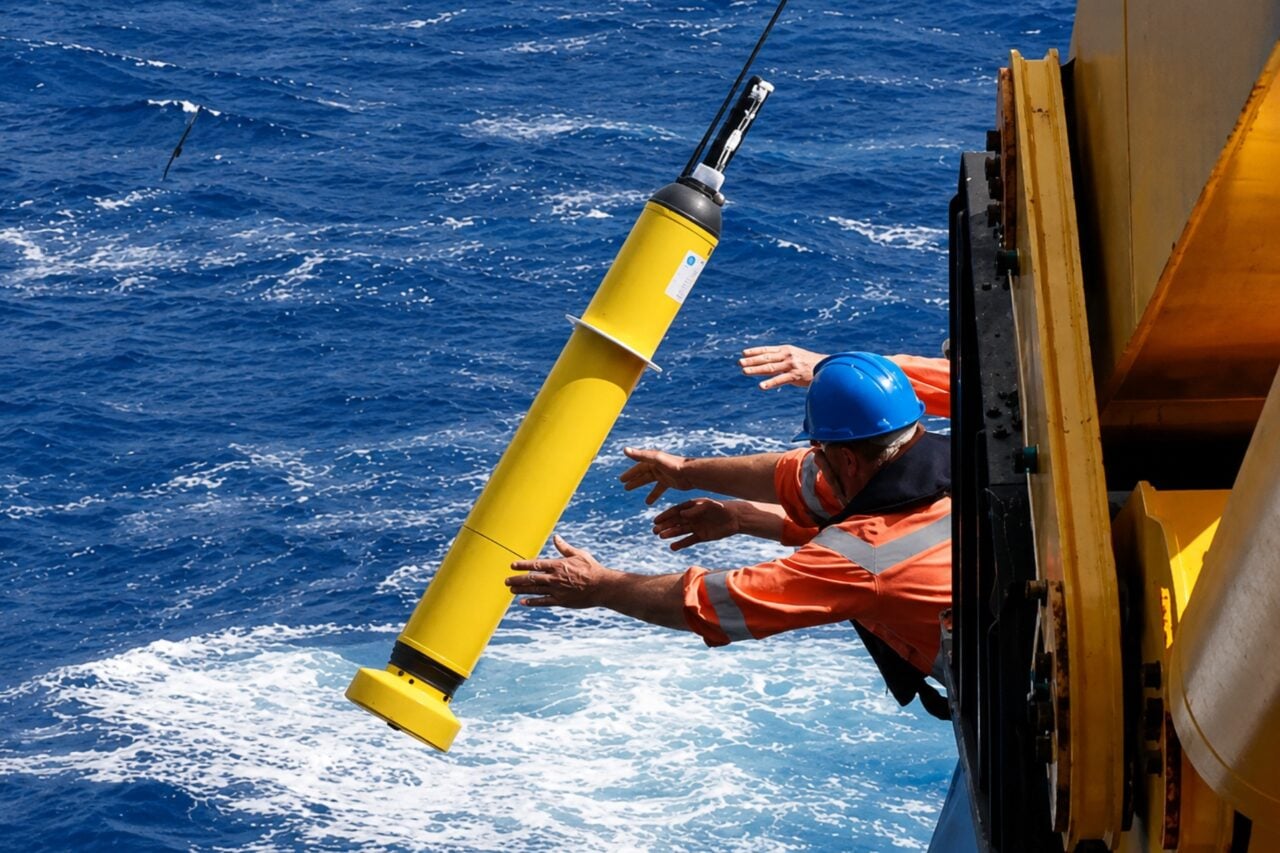
Since May, sea surface temperatures in the central and eastern tropical Pacific Ocean have been rising with unprecedented speed. The WMO declared the onset of El Niño in early June and now believes this event is on track to become the strongest on record by December.
This event will unfold against the backdrop of human-driven warming, amplifying the extreme, anomalous weather we are already observing across the globe. The State of the Climate report predicts that 2026 will be one of the four warmest years on record, and scientists are growing increasingly confident that 2027 will be the warmest on record.
“El Niño and indeed the state of the global climate in 2026 gives new meaning to the phrase off the charts,” WMO Secretary-General Celeste Saulo said in a statement. “El Niño doesn’t add new heat to the planet. It releases heat from the ocean, which is the warmest ever measured. There is simply more heat available to release.”
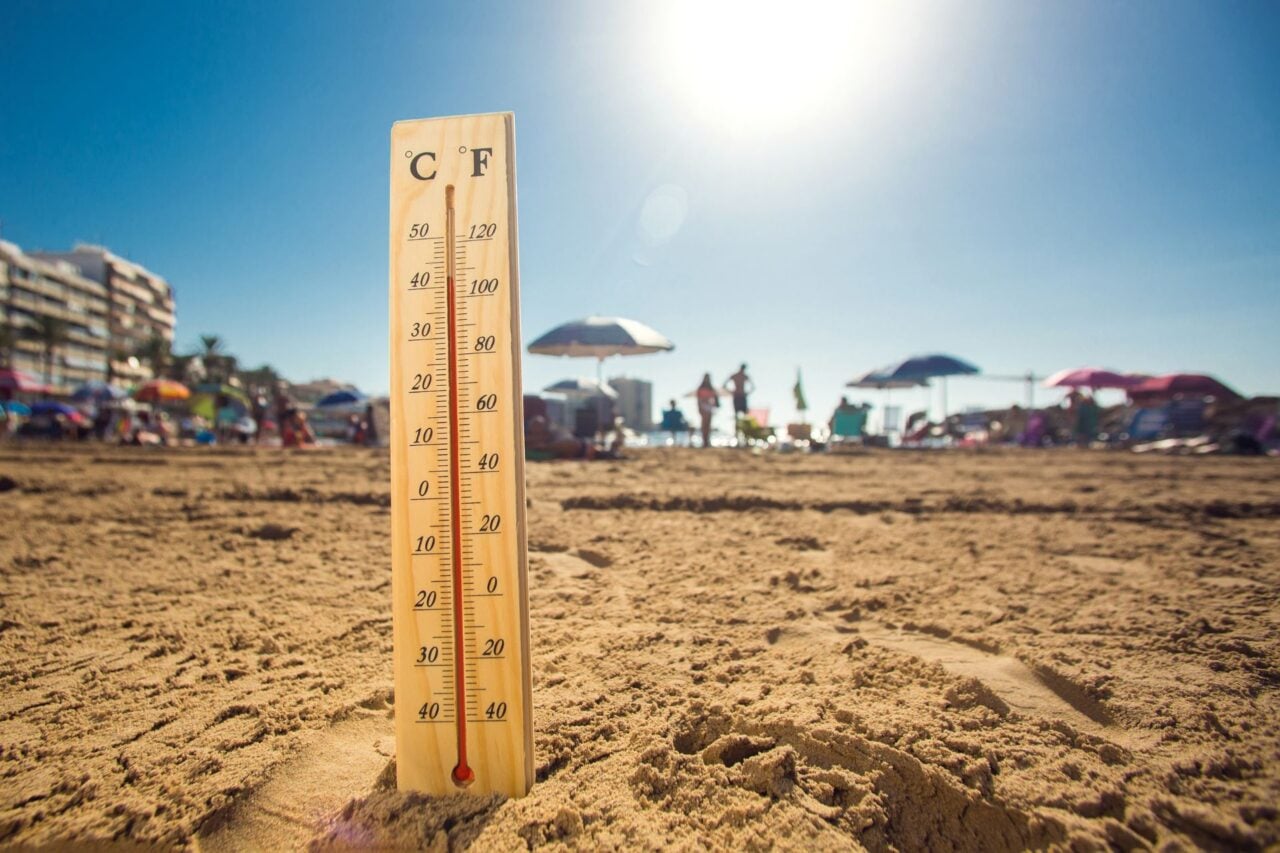
Already this year, there have been numerous examples of how devastating extreme weather can be to human health and safety. Extreme heat, one of the deadliest weather hazards worldwide, killed an estimated 50,000 people in European cities this summer. This threat is only growing as carbon emissions continue to heat the planet, and a study published just last week found that super El Niños can lead to more than 100,000 excess heat-related deaths globally.
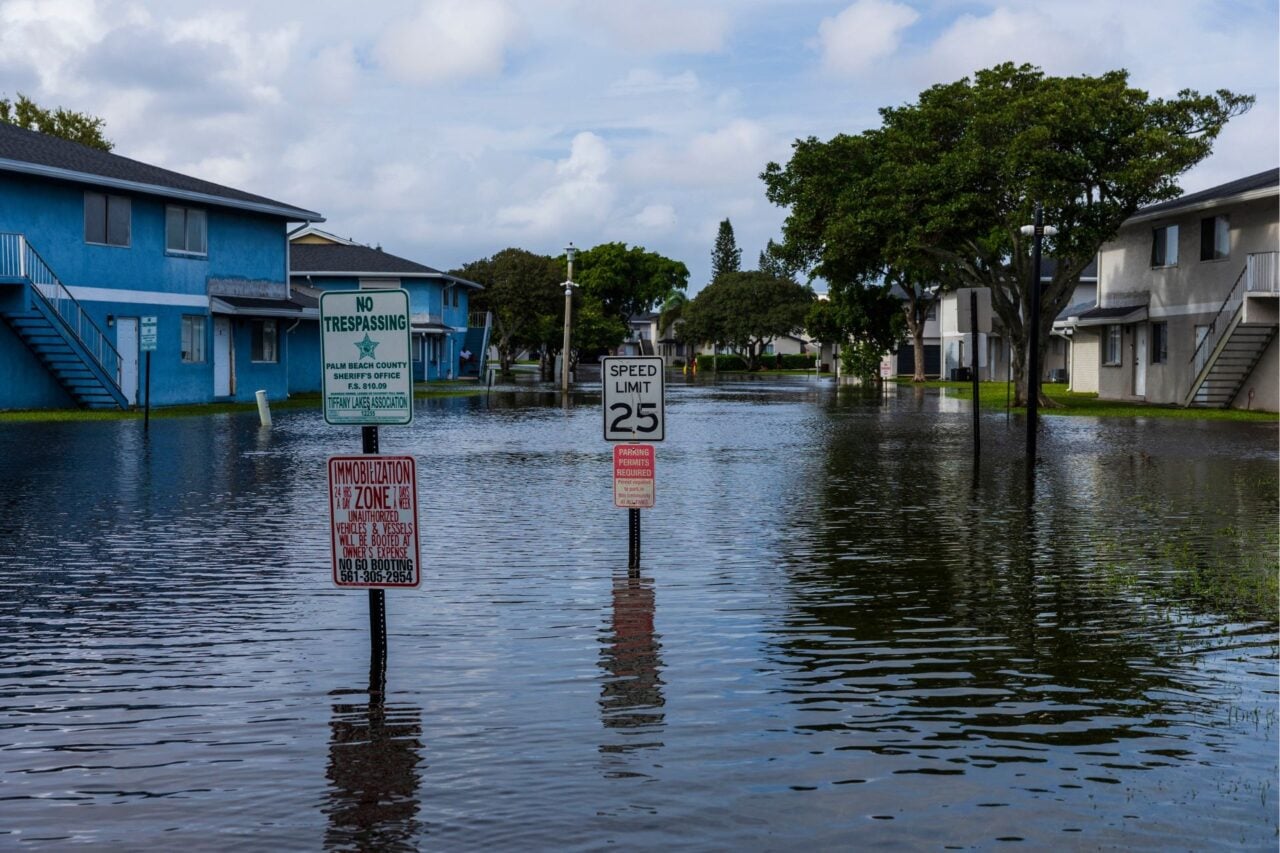
El Niño will also amplify the already heightened risk of floods, storms, drought, wildfire, air pollution, and other weather hazards in various regions. As the WHO’s Strategic Preparedness and Response Plan states, its impact will be most acutely felt in places already experiencing humanitarian crises. New research published in The Lancet shows that “Africa stands on the cusp of an El Niño-driven public health emergency, superimposed on an increasingly unpredictable and extreme climate.”
The authors predict that the number of heat-related deaths in Africa over the coming months will dwarf those that occurred in the northern hemisphere during the particularly deadly summer of 2026. They also express concern about the heightened risk of flooding in the Greater Town and Central Africa, drought in Southern Africa, and rainfall anomalies across the Sahel.
“Compounding hazards converge around water insecurity, wildfires, infectious disease outbreaks, and disrupted health care,” the study states. “Cholera outbreaks linked to cross-border travel show that outbreak risks do not respect national borders. Africa bears little responsibility for this crisis but faces vastly disproportionate harms.”
The authors call on the WHO to declare a Public Health Emergency of International Concern (PHEIC), the highest level of alarm the agency can declare under international law. This designation is reserved for extraordinary events that pose a public health risk across borders.
Africa is far from the only place that could face severe consequences from this El Niño. Another recent study published by the Pan American Health Organization warns of overlapping public health and humanitarian risks across the Americas.
In Central America, the Caribbean, northern South America, and the Amazon Basin, El Niño may increase the risk of drought, water scarcity, food insecurity, wildfires, heat stress, respiratory illness, and insect-borne illness. Meanwhile, in parts of Ecuador, northern Peru, western Colombia, southern Brazil, Paraguay, Argentina, and the southern United States, wetter conditions may increase the risk of flooding, landslides, displacement, infrastructure damage, and outbreaks of water-borne and insect-borne illness.
These are mere snapshots of the global impact El Niño is expected to have on human health. As COP31 negotiations get underway, the urgent need to curb the baseline warming that stacks the deck for severe El Niño impacts is more apparent than ever before.