I am coming clean: I am addicted to my phone.
This is a situation with which I assume many people can relate. My phone grabs my attention with its constant buzzing, then my fingers automatically find Instagram or TikTok, and the algorithm easily sucks me into an hours-long mindless scrolling session. The doom-scrolling leaves me in a haze, far from the state of relaxation my brain was seeking out by grabbing the phone in the first place.
There is a reason for that feeling. A lot of what dominates social media feeds tends to be stress-inducing: news of tragedies, everyday injustices, or even straight-up rage-bait specifically tailored to get a reaction out of you. Researchers have linked compulsive consumption of negative online content to increased stress, anxiety, depression, and diminished psychological well-being.
For me, personally, things got to a point where I felt like a 20-something iPad baby, and that’s when I knew I needed change.
What’s somewhat ironic is that buying more gadgets helped me spend less time looking at my phone. Part of the problem with smartphones is that something as innocent as checking the weather or putting on a song can turn into 30 minutes of scrolling through social media. There’s something liberating about using a device that does one thing and gets out of your way.
Whether you’re shopping for someone who’s chronically online, a family member who’s been talking about a digital detox, or yourself, here are some gadgets that might help.
Brick ($59)
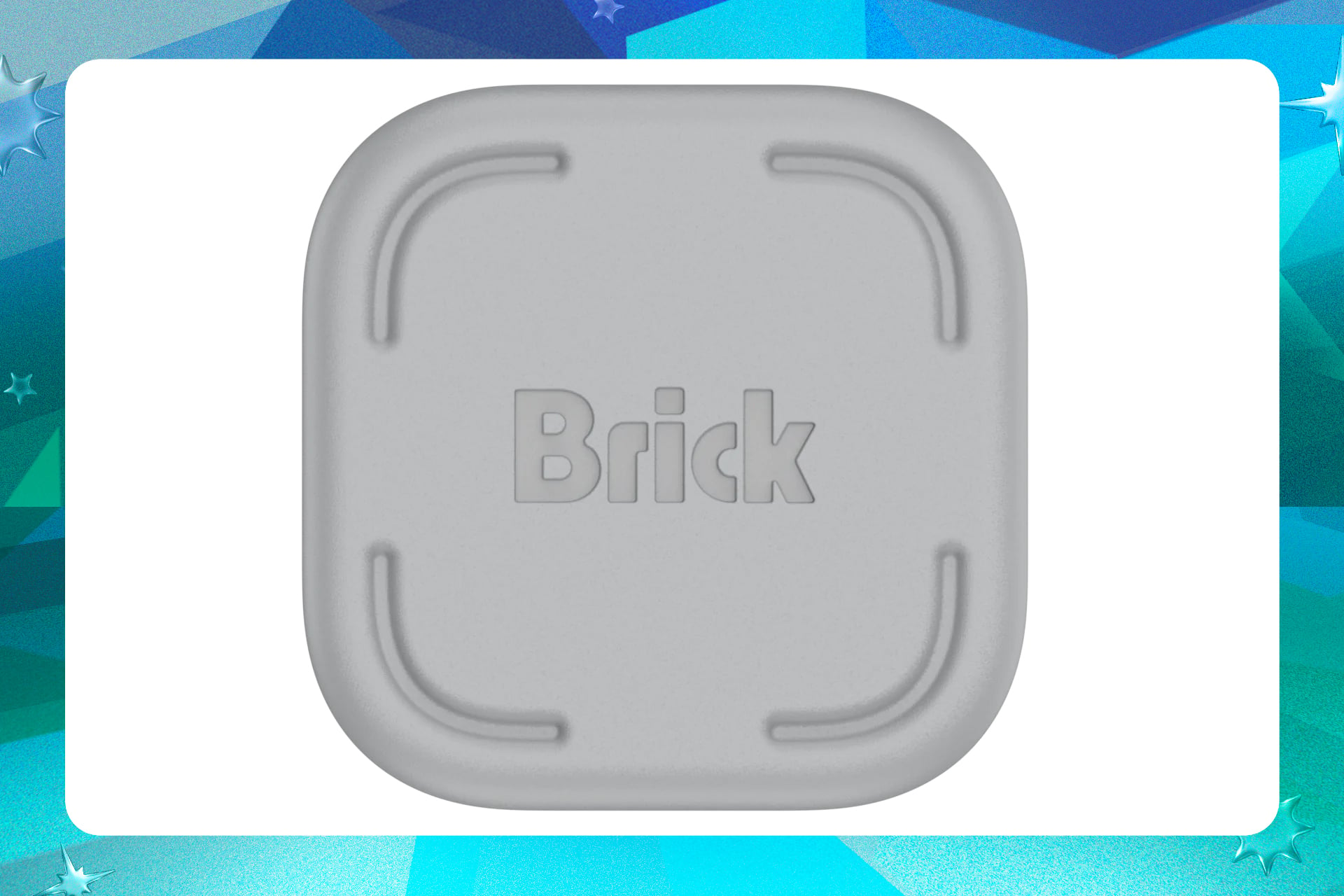
This is my tried-and-true top recommendation.
I tried all sorts of apps to cut down my screen time, but they just didn’t work for me. Maybe I am particularly weak when it comes to self-control, but if I can take down the restrictions with a couple of clicks on my phone, I often do so. So, if you are as weak as I am, this is a good option. A Brick is a magnetic device, often placed on the fridge, that pairs with an app on your phone and, with a click, restricts your access to specific apps or websites you choose ahead of time. Under normal circumstances, you have to tap your phone on the Brick to regain full access, though the app provides five emergency overrides. You can start Brick sessions spontaneously or designate recurring sessions. I have my phone Brick’ed during work hours and also have a recurring session every night before I go to bed so that I don’t accidentally spend hours doomscrolling on TikTok instead of sleeping.
I’ve personally found the physical barrier to be incredibly helpful. It immediately eliminates the mindless clicking. Especially before I go to bed, I can’t be bothered to get up out of bed and go to the kitchen to unbrick my phone. Back in September, I went on vacation and forgot to cancel my recurring Brick session during work hours, but found it to be a blessing in disguise as I felt much more present on my vacation than I would have. I loved the feeling so much that I kept my scheduled sessions active the entire trip, even after realizing it on the first day.
The price was my only deterrent, but I found it to be worth it. The company is also currently having a sale where one Brick is 15% off, two Bricks are 25% off, and three or more Bricks are 33% off. So if you are looking to snatch one for yourself along with the gift, now might be a perfect time.
Freewrite Traveler ($549)
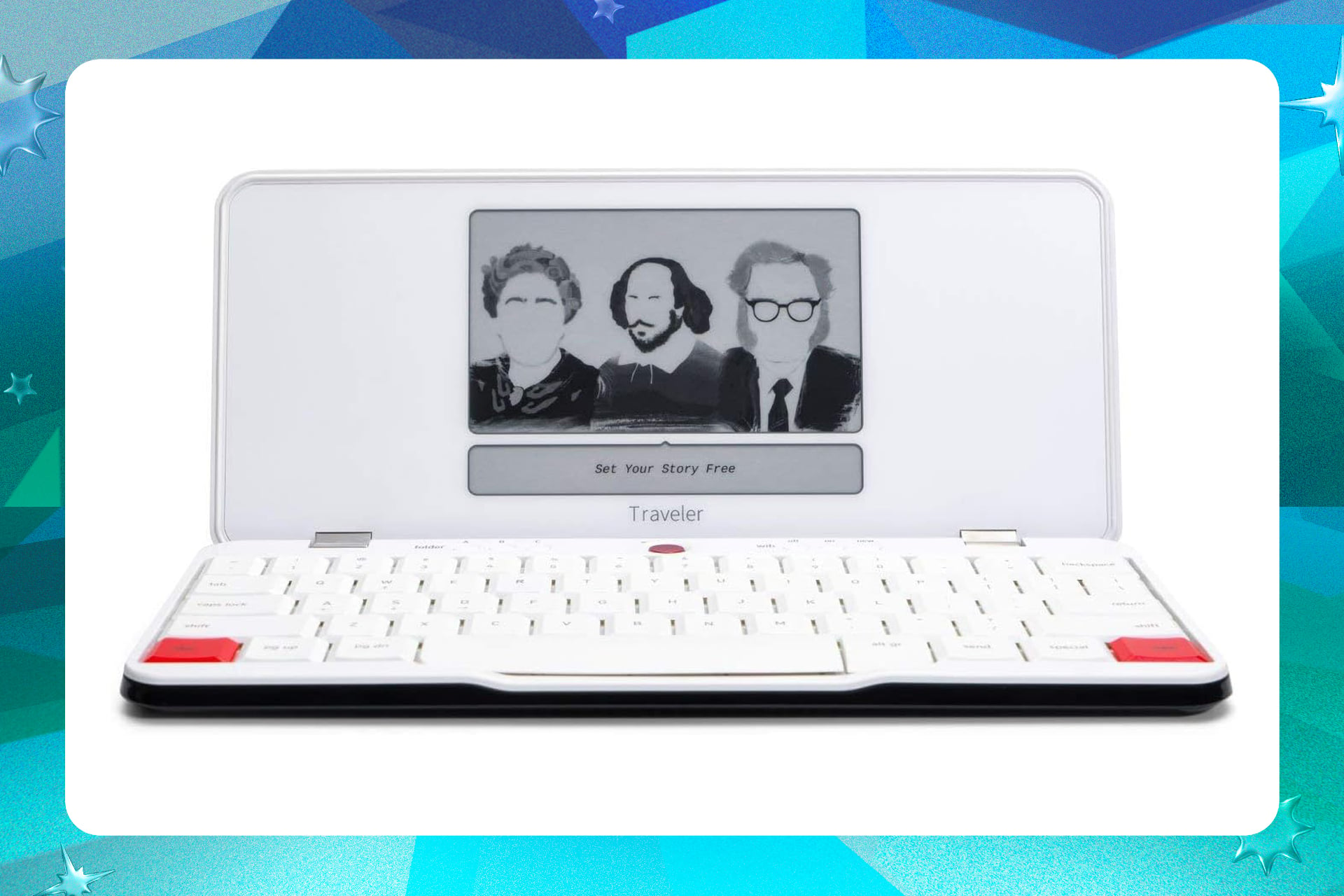
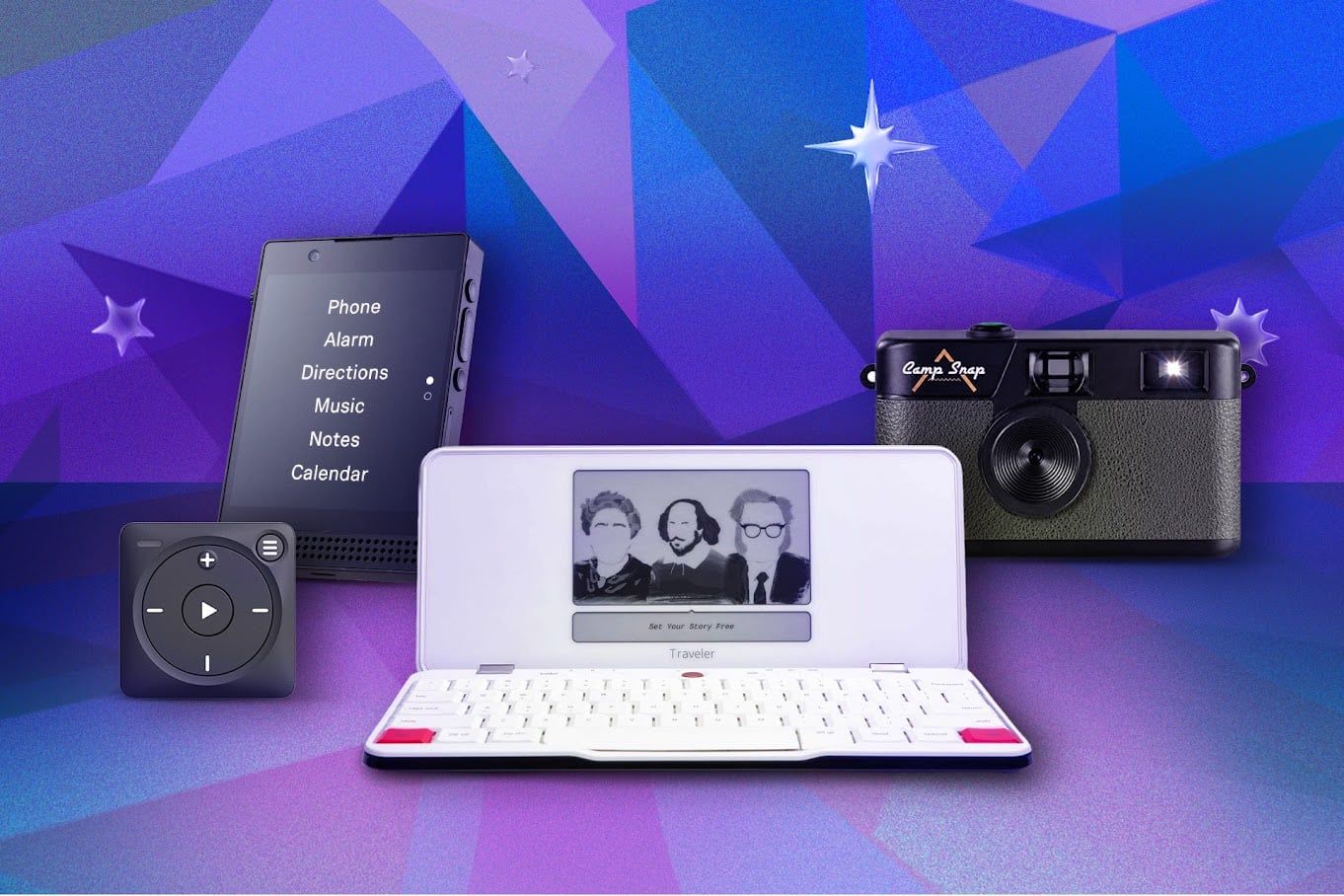
This one is a great gift if you are looking to splurge for the writer in your life. One of the challenges of writing on a computer is that the machine you rely on to get your work done is also home to practically every distraction imaginable. The Freewrite Traveler aims to separate the process of writing from everything else you do on a computer. It’s a portable digital typewriter of sorts, and claims to be “light enough to take everywhere and half the footprint of a laptop.” The thing that makes it more desirable than a regular typewriter, at least in my humble opinion, is that it automatically saves your work to the cloud whenever you are connected to Wi-Fi. That means when you are done drafting and ready to start editing or share your work with an editor, you can access your drafts on an actual computer via Freewrite’s web application, and even sync to your Google Drive, OneDrive, Evernote, or Dropbox. If you don’t have a wireless connection, you can also transfer drafts to your computer via a USB cable.
Daylight DC-1 Computer ($729)
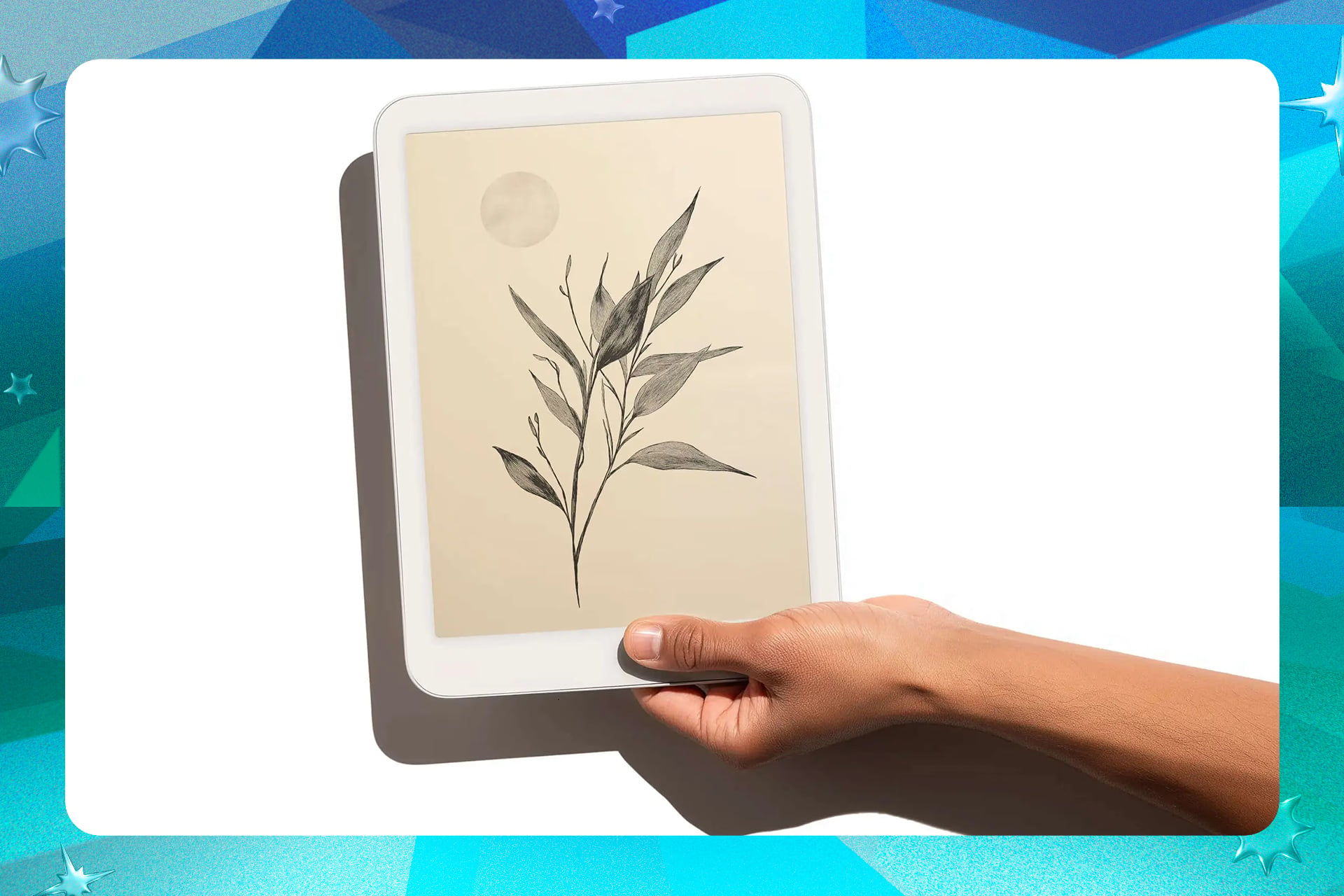
If your laptop is more of a distraction than your phone, a slightly dumbed-down, intentionally boring tablet might be the solution. Enter the Daylight DC-1 computer: “the world’s first human-friendly computer,” according to the company.
You can access pretty much all your essentials on this tablet, from Spotify and Excel to Google Chrome and Slack. You can edit documents, browse the internet, respond to emails, read e-books, open PDFs, and take meetings with your camera off (since the tablet does not have a built-in camera). The computer runs on a modified version of Android.
But the paper-like display and warm amber backlight are designed to be easier on the eyes. You can even watch YouTube videos on the app, but the display deliberately lacks color to make your browsing experience less addictive and more boring.
Unlike some of the other gadgets on this list, the Daylight doesn’t necessarily prevent you from indulging your worst digital habits. You can still spend hours scrolling through social media if you want to. The idea is to make doing so a little less enticing.
One con is that at the hefty price tag, it still doesn’t come with a keyboard, though you can connect one you already own via Bluetooth. Instead of a keyboard, the computer comes with a Stylus pen.
Tin Can Wi-Fi Landline ($100)
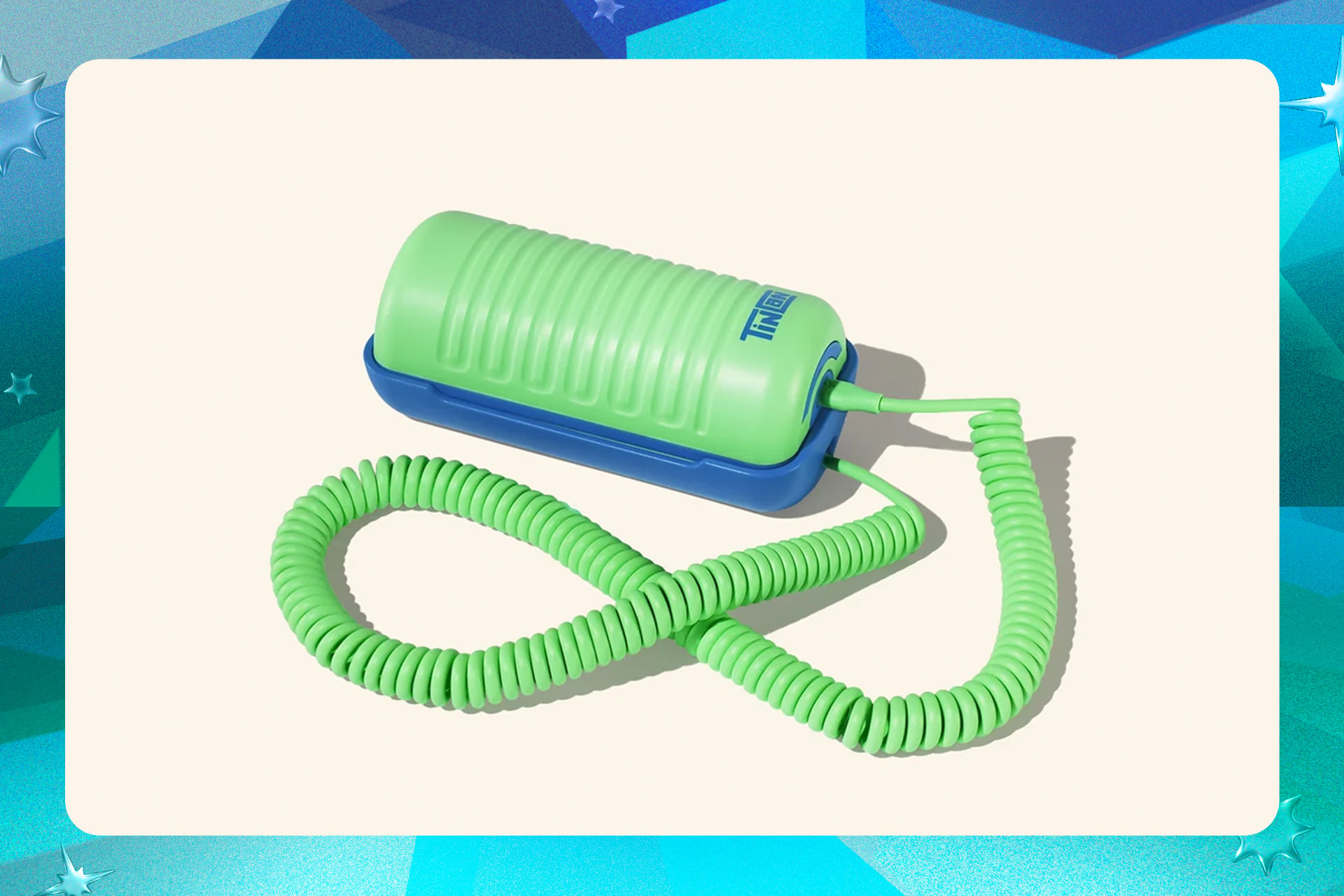
For parents who want their kids to be able to call their friends without giving them access to the entire internet, perhaps it’s time to bring back the household landline. The Tin Can is a modern take on a piece of technology that gave previous generations of kids a little independence without requiring them to carry a screen everywhere.
The Tin Can looks like a regular landline: it is corded, physical, and screen-free. But it works wirelessly, so you don’t need a phone jack. The phone can also be put on speaker.
This could be a particularly good gift for an entire friend group or perhaps your family, as it doesn’t require a subscription to call from one Tin Can to another. But if you are looking to buy for just one household, then your giftee would need a $9.99-a-month subscription to call and accept calls from everyone, as long as they put the number on an approved list in the companion app. Emergency calls do not require a paid subscription, though the phone may not be able to reach 911 during power or internet outages.
The Light Phone ($899)
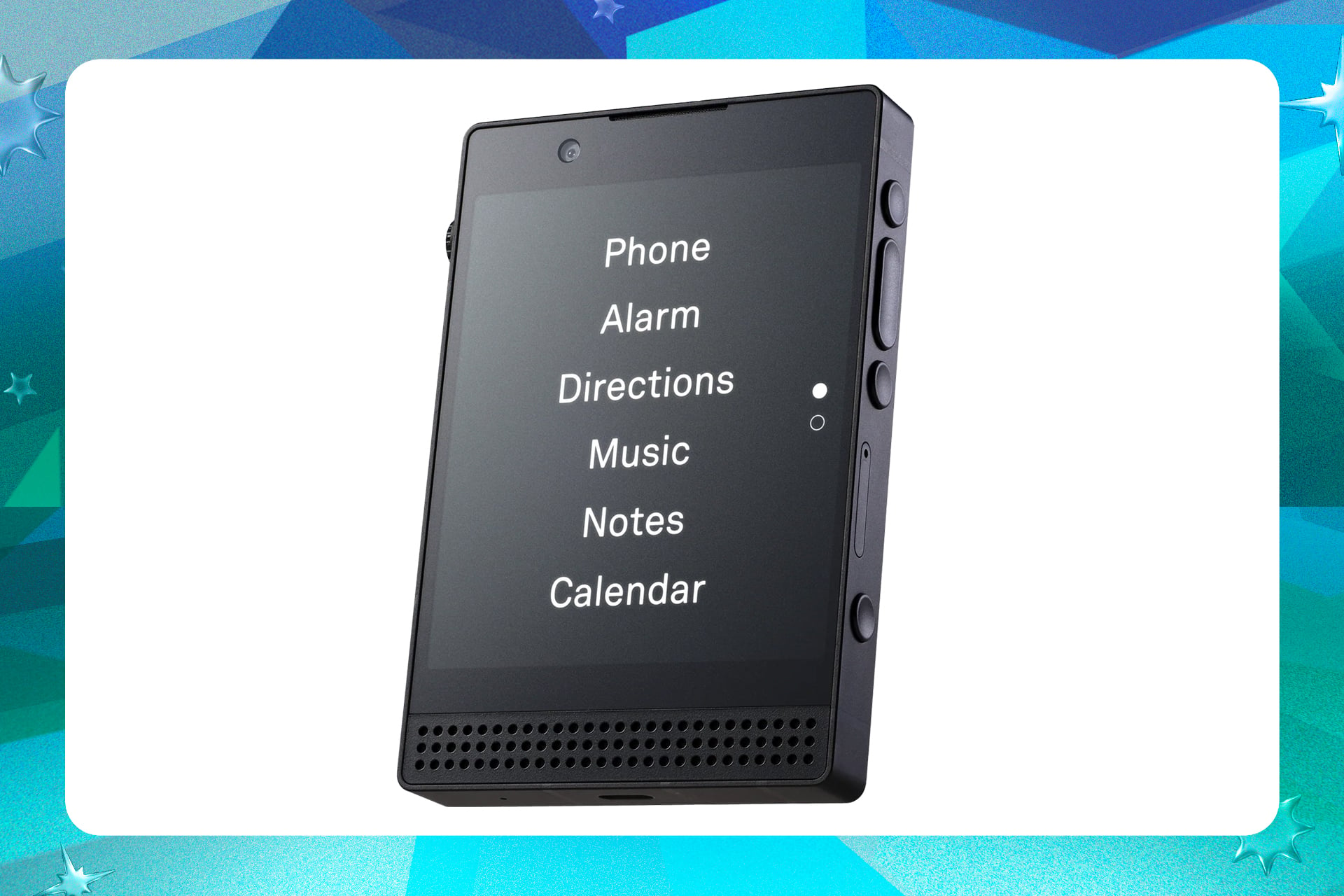
Instead of apps to restrict your existing smartphone, you can also just opt for a dumb phone.
The Light Phone III promises a simplistic, black-and-white interface and a break from infinite feeds. The phone has only the bare-bones apps and features you might need, with no access to social media, email, or web browsing. The list of tools is customizable, with options including an alarm, calculator, calendar, GPS, personal hotspot, notes app, rideshare apps like Lyft and Uber, weather app, two-factor authenticator, and timer. The alarm, camera, and photo album come preinstalled. It doesn’t support music streaming platforms like Spotify, though it does have a basic music and podcast player. You also can’t download WhatsApp or Signal right now.
The Light Phone also has Bluetooth, supports voice-to-text, and has a camera that mimics point-and-shoot cameras and will let you shoot in color even though the rest of the display is in black and white. While there are no video calls and digital wallet, the company says the phone has the hardware to support both features, so they could be enabled with future software updates.
Paying $899 for a phone that does considerably less than the one you already own might seem ridiculous. And it probably is for most people. But for someone who’s genuinely committed to ditching their smartphone without giving up all of its practical conveniences, the Light Phone III is an option.
The company promises that its phones are “made to last,” so you won’t have to upgrade every few years. The phone is currently available for preorder, with delivery expected in late December, so you might be cutting it close if you’re planning to give it as a Christmas gift.
Mighty 3 Speaker ($69.99)
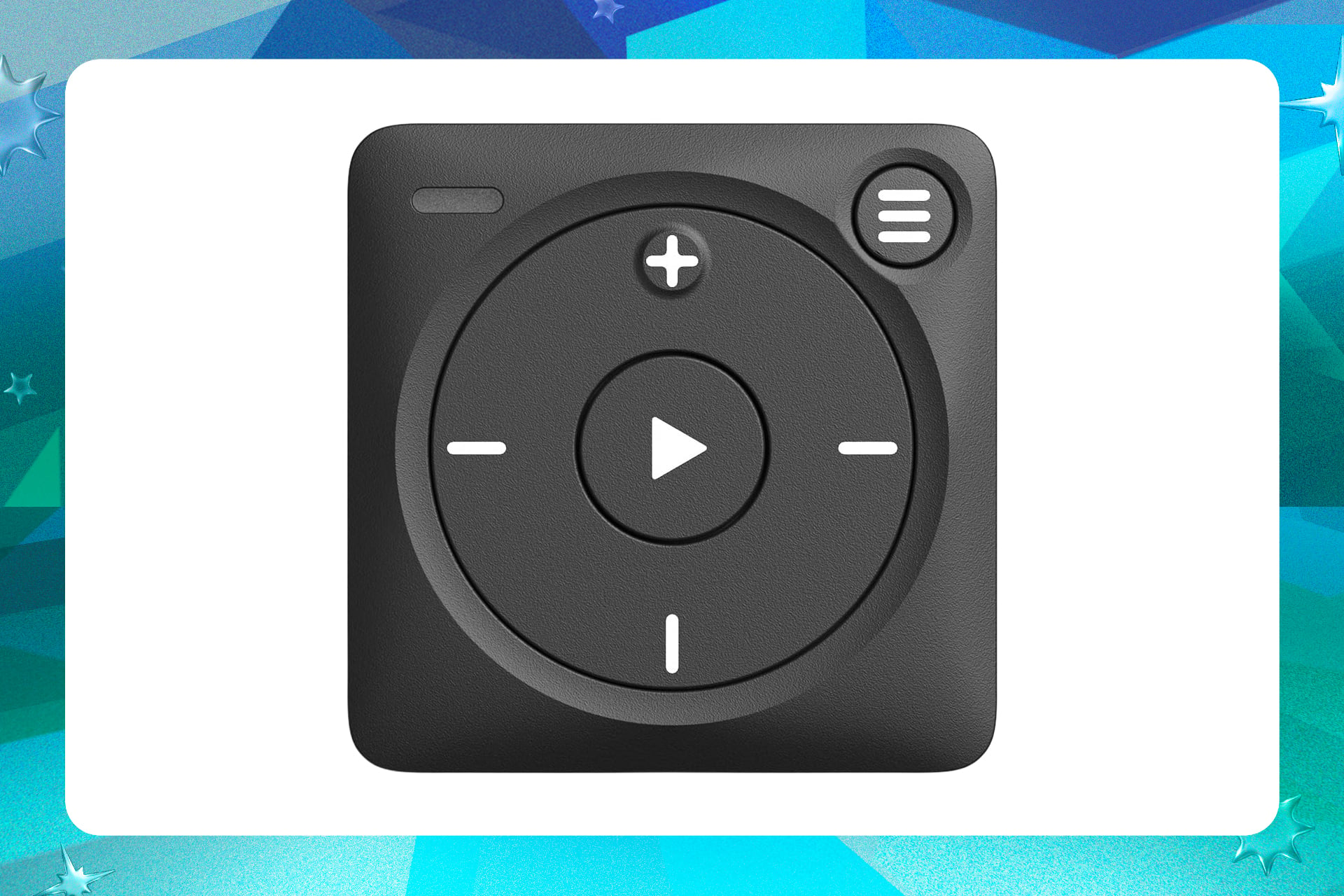
Sometimes all you want to do is listen to music, but pulling out your phone to put on a song can easily lead to checking your notifications. The Mighty 3 is a tiny, screen-free music player that lets you listen to your favorite playlists without reaching for your phone or connecting to the internet.
The Mighty 3 music player connects to your Amazon Music or Spotify account. You only need your phone to sync your playlists to the device via a companion app; then you are good to listen whenever you want. The company only requires you to reconnect your player to your app once every 30 days, so that artists can receive credit for your streams. The device supports wired and Bluetooth headphones.
The music player normally sells for $89.99, but Amazon’s sale has it down to $69.99. Two caveats, though. First, it has limited memory. It can store more than 1,000 songs. The second caveat is that you need an Amazon Music Unlimited subscription to download your own custom playlists from Amazon Music. Amazon Prime members are limited to 15 curated playlists, and the device doesn’t support downloading your own MP3 files.
If the person you’re shopping for is a devoted Spotify user, however, I’d skip this one. The Mighty is scheduled to lose Spotify support on April 21, 2027. A more expensive but considerably more versatile alternative is the FiiO JM21, a well-reviewed portable music player that runs Android and supports Spotify, Apple Music, and your own music files. It’s not screen-free, but reviewers have praised its sound quality, particularly for the price. Think of it as a modern-day iPod for the streaming era.
Camp Snap 2 Screen-Free Digital Camera ($59.99)
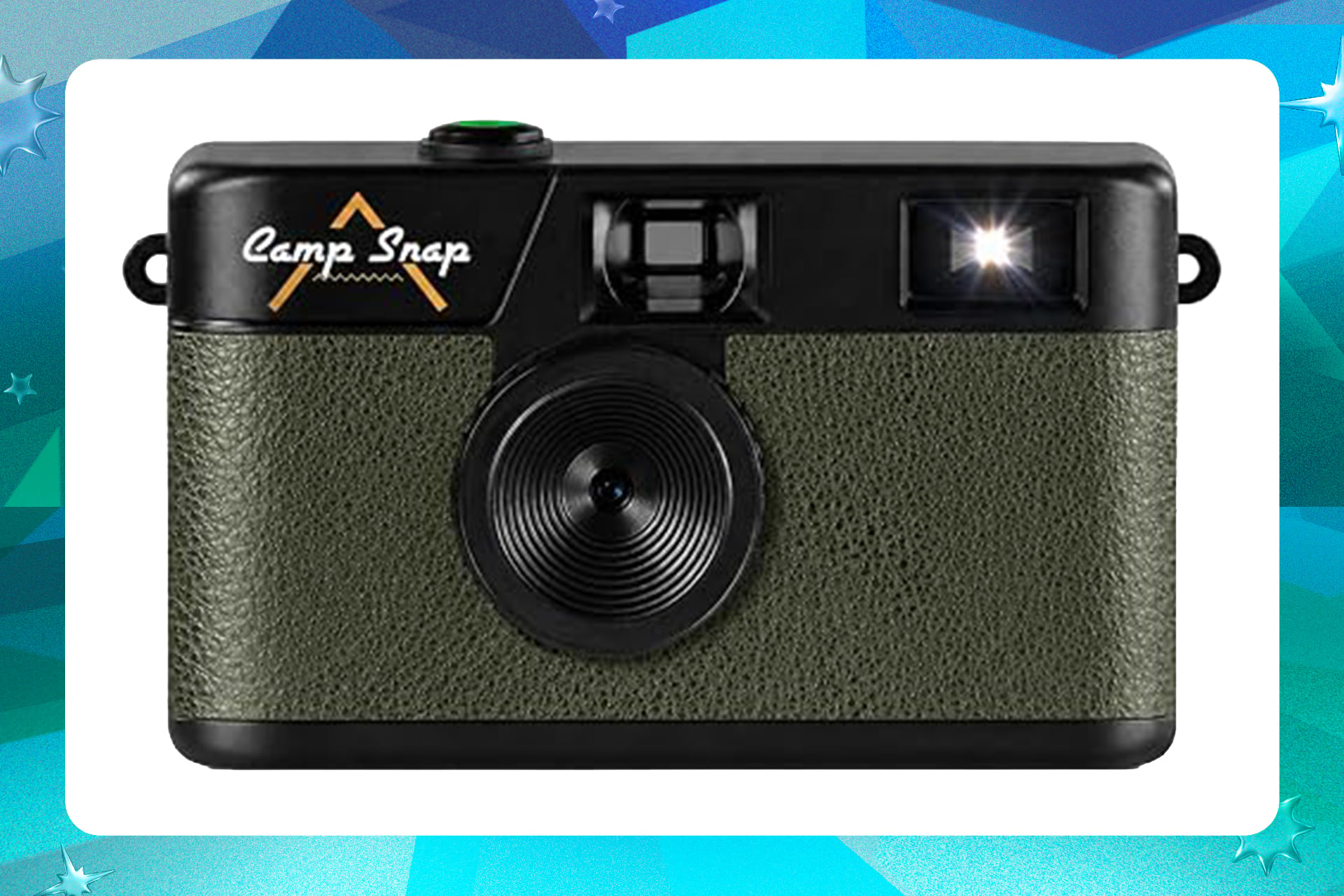
One of the nice things about a dedicated camera is that you can take a picture without immediately being tempted to post it. The Camp Snap takes things a step further by getting rid of the screen altogether, so you can actually enjoy whatever it is you’re photographing instead of spending the next five minutes reviewing your shots. Like with a film camera, you get the delayed gratification of flipping through the photos you took later. The camera connects to your phone or laptop via USB-C, and it doesn’t require a companion app to download.
But unlike analog film cameras, you don’t need to buy and install rolls of film. The camera is rechargeable, and each charge grants around 500 shots. You can also choose from six different filters, including true-to-life color, black and white, and a couple of vintage-inspired filters.
The camera normally goes for $69.99, but it is currently on sale and down to $59.99.
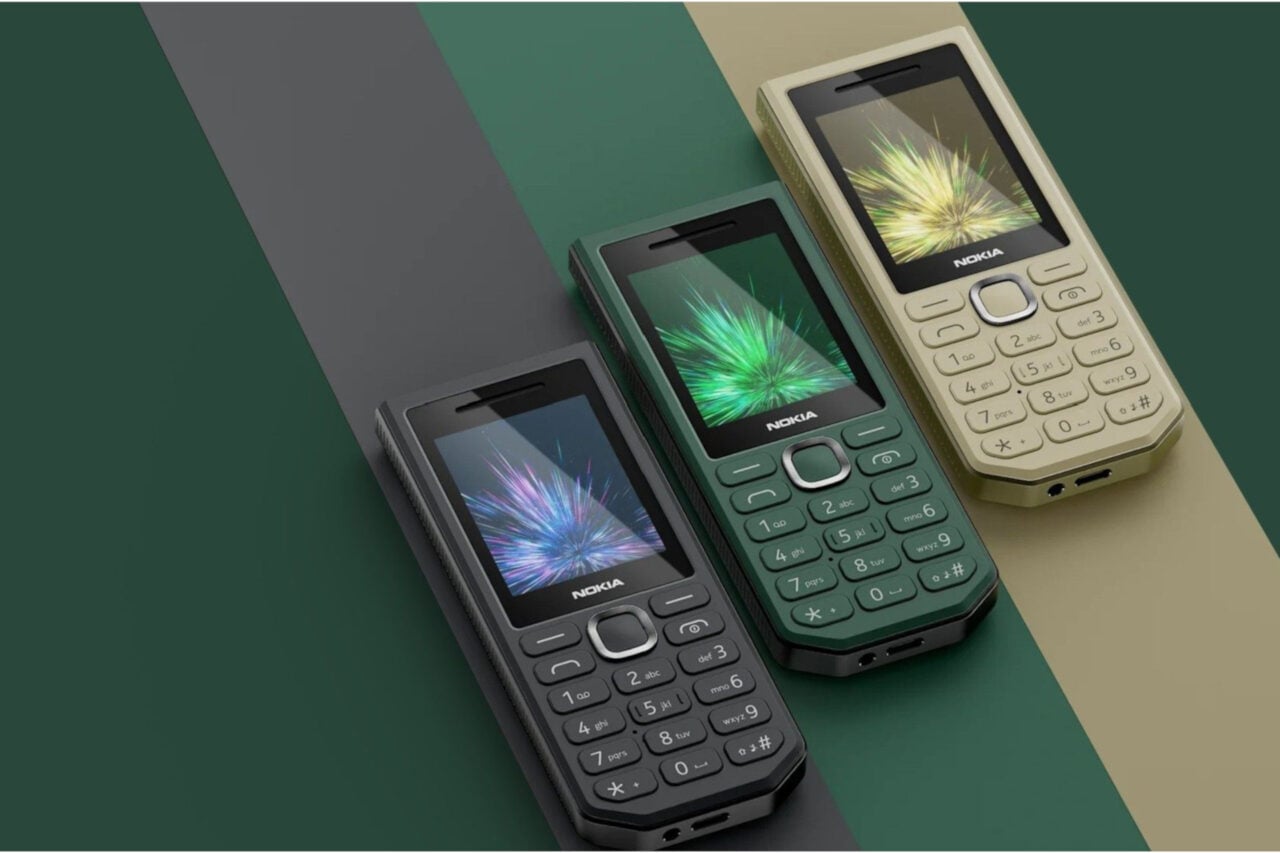
Dumbphone 2 ($20)
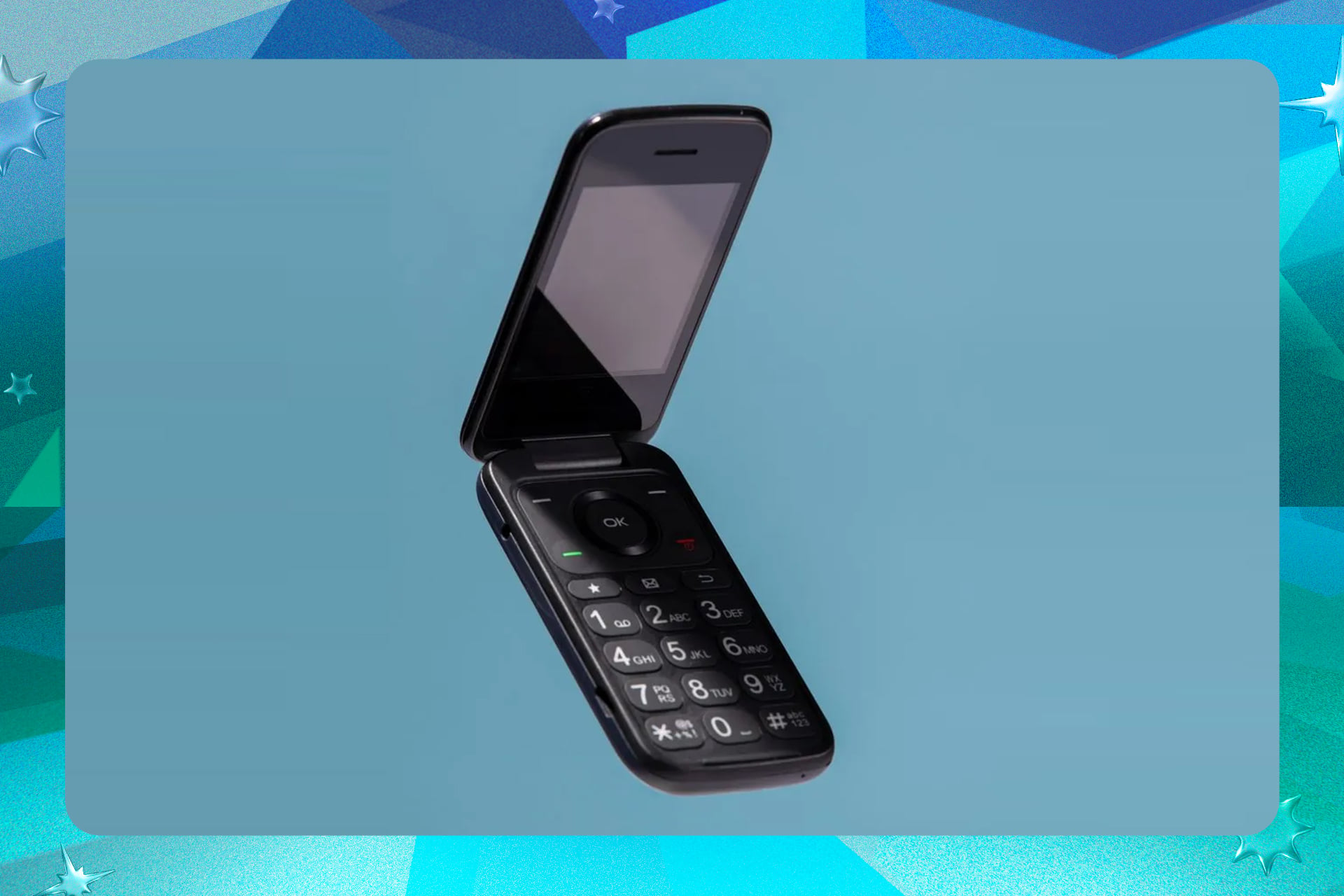
If you’re not quite ready to give up your smartphone entirely but want to leave it at home without becoming unreachable, a relatively inexpensive second phone could be the answer. At just $20, the Dumbphone 2 is remarkably affordable, though it requires a minimum four-month commitment to one of the company’s cellular plans and does not support third-party SIM cards. The basic plan costs $15.99 per month plus tax and includes unlimited calls and texts, 1 gigabyte of data, hotspot functionality, rideshare apps, Bluetooth, maps, an MP3 player, an alarm clock, a camera, a recorder, a weather app, and two-factor authentication. The next tier costs $20.99 per month plus tax and adds WhatsApp and Signal. It also allows you to sync your texts and contacts with your smartphone and forward incoming calls to the dumb phone, though outgoing calls will still display the dumb phone’s own number. The highest tier, at $25.99 per month plus tax, allows users to connect the dumb phone to music streaming platforms like Spotify and Apple Music.