This year’s especially strong El Niño is likely to exact a large death toll in some regions.
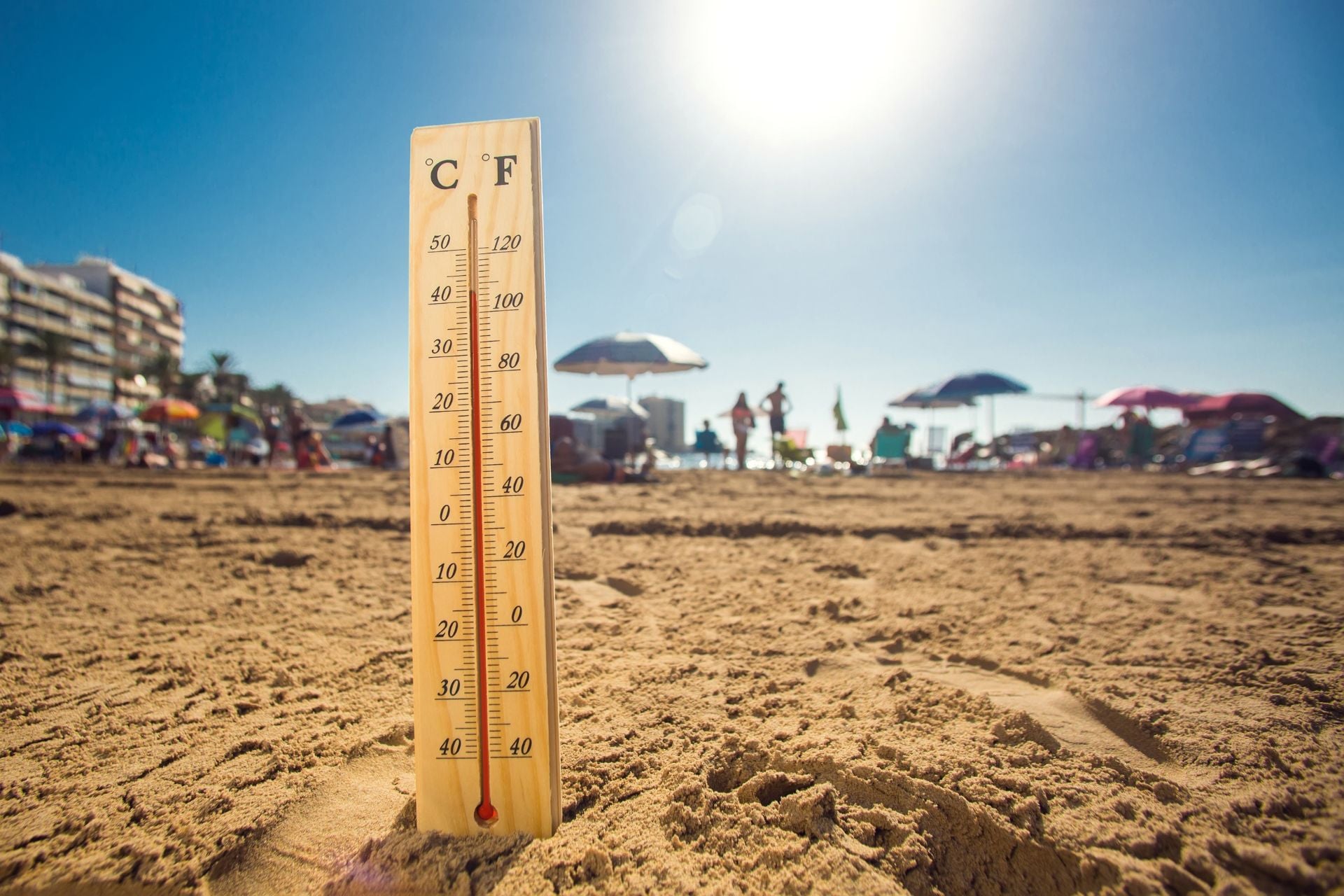
Scientists in Spain examined the historical impact of El Niño seasons on mortality. Compared to the baseline, very strong seasons were associated with more than 100,000 extra heat-related deaths worldwide, though they were also offset by a similar reduction in cold-related deaths, they found. Given climate change trends, however, severe bouts of El Niño will probably cause even more death and destruction from now on, the researchers say.
“In a context of continuously warming temperatures, our results indicate that forthcoming El Niño events have the potential to represent new public health challenges,” they wrote in their paper, published last week in Nature Medicine.
Spiking heat deaths
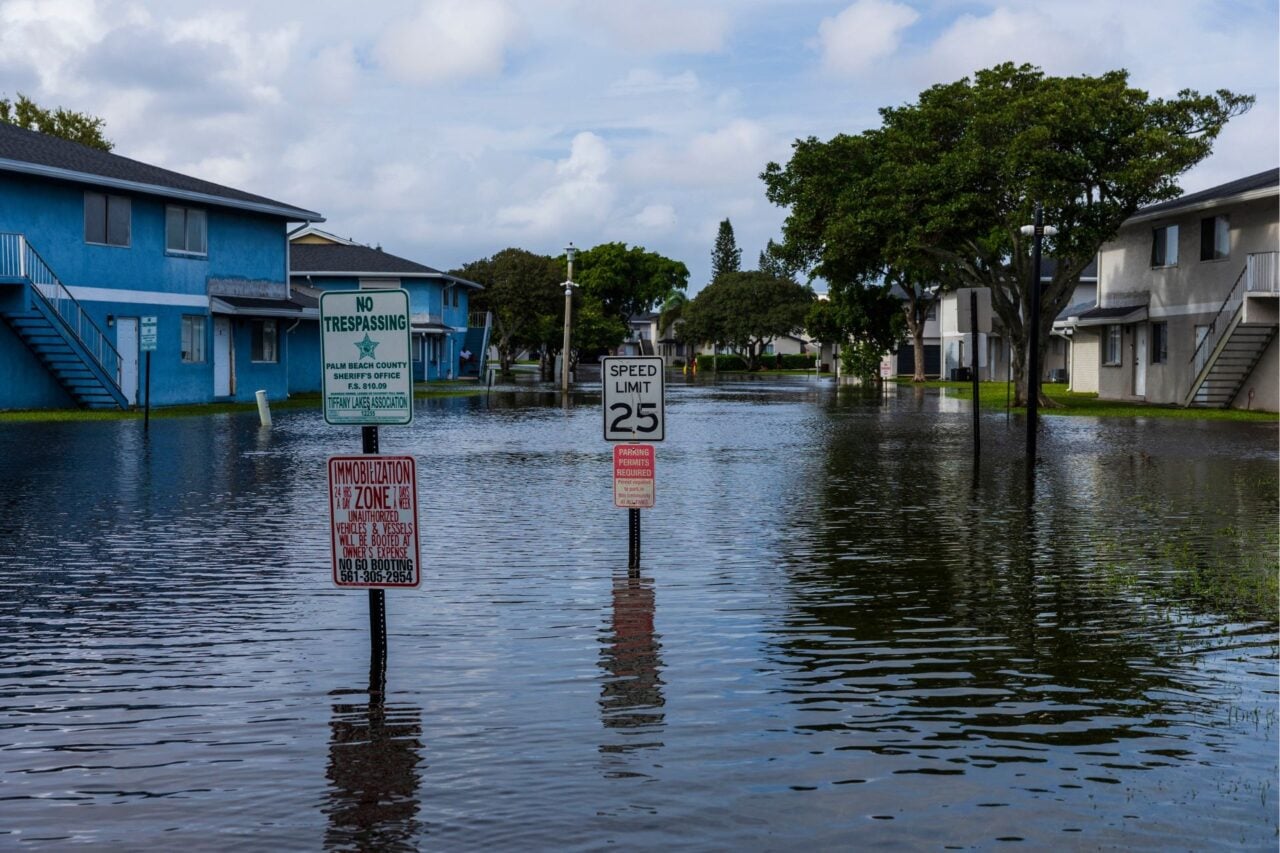
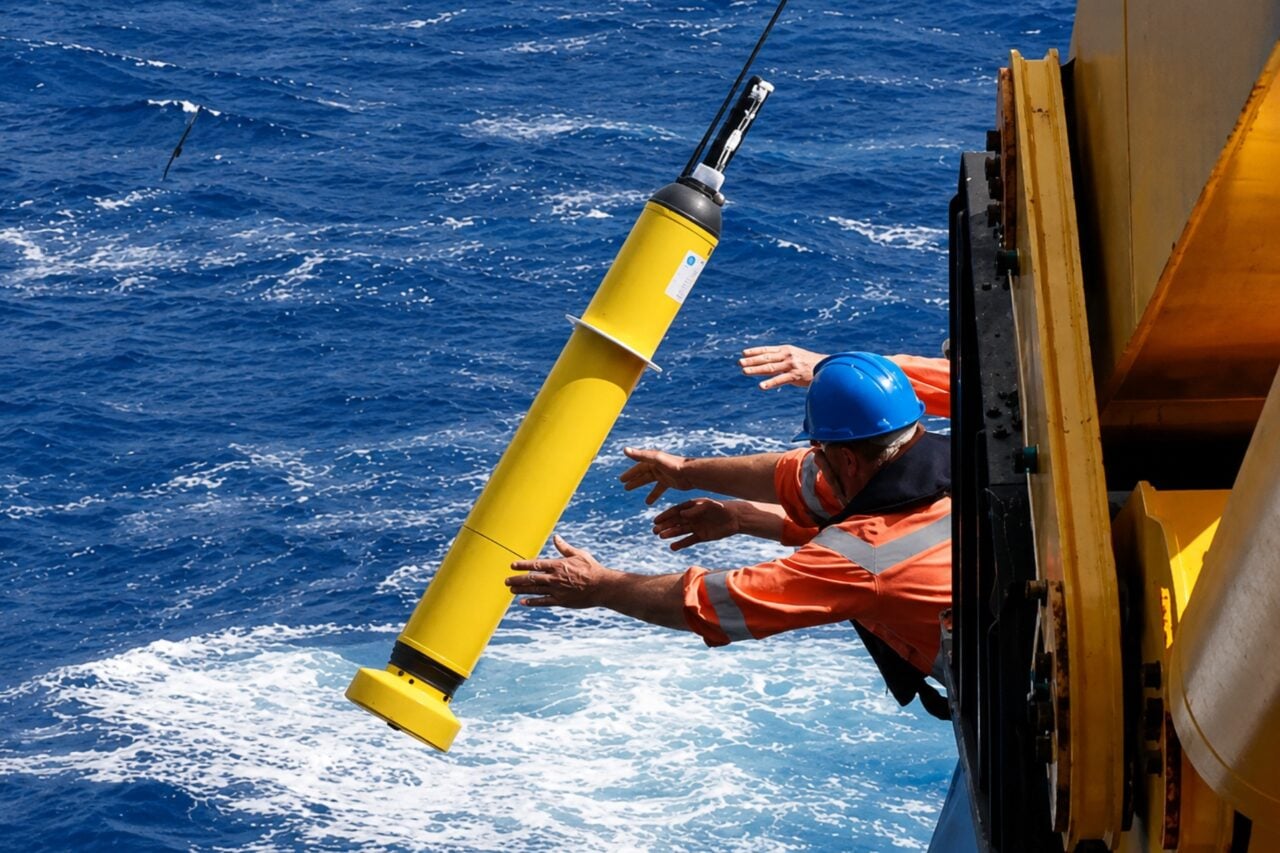
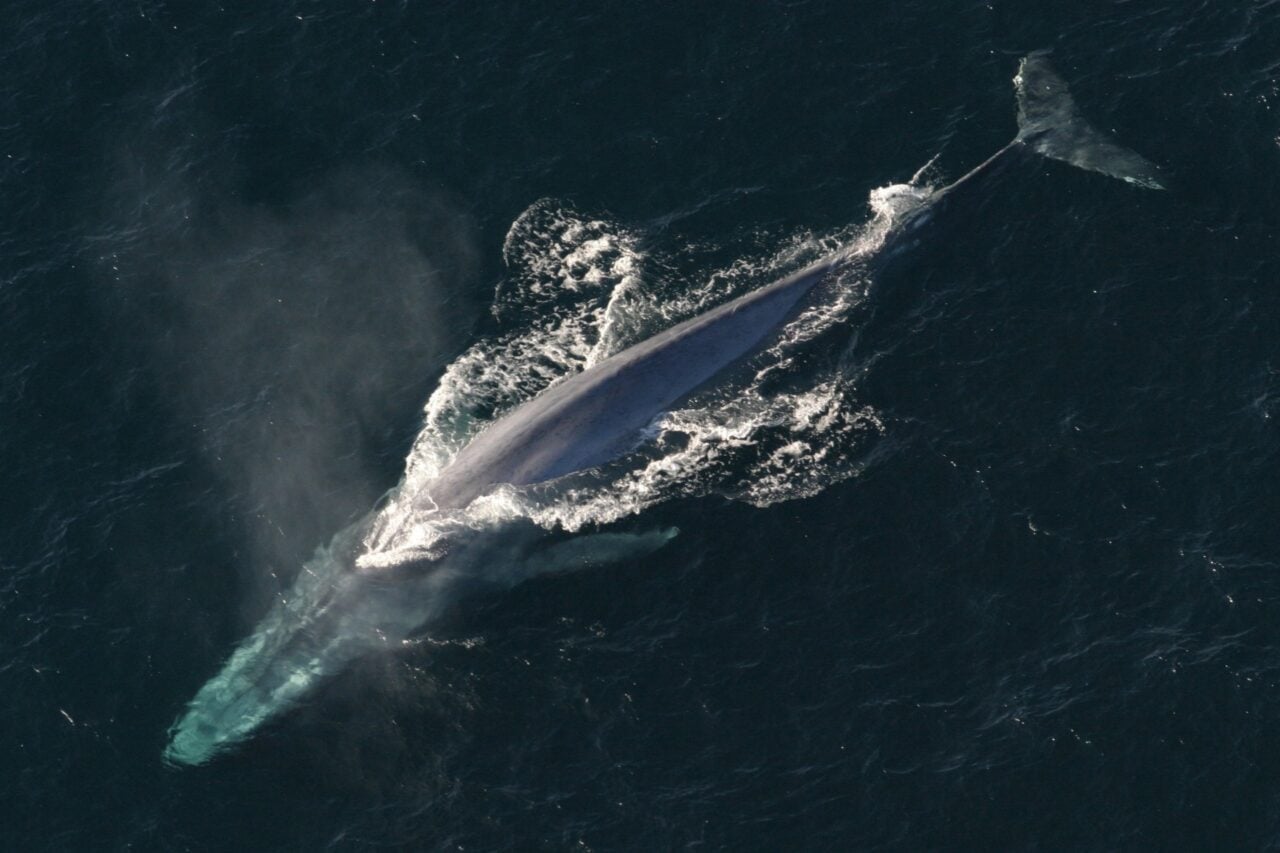
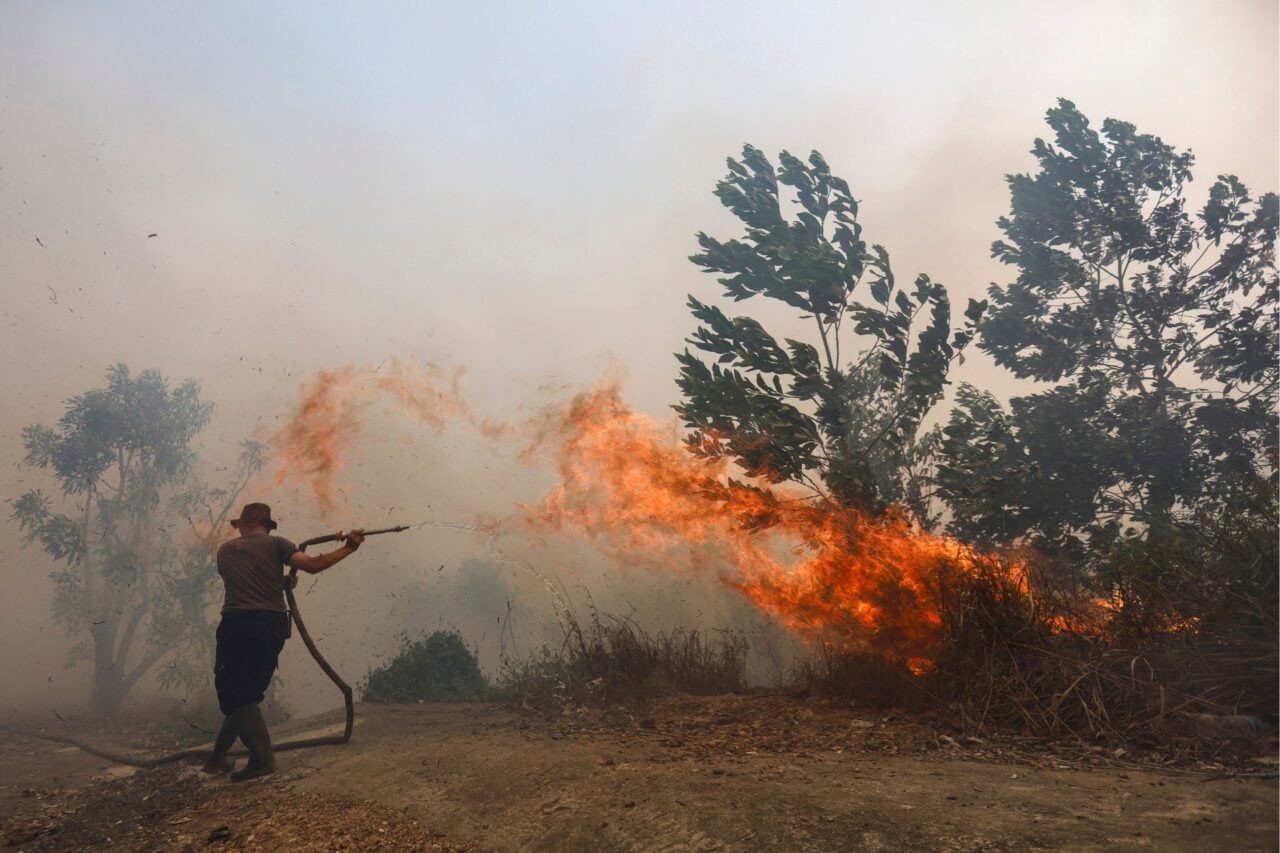
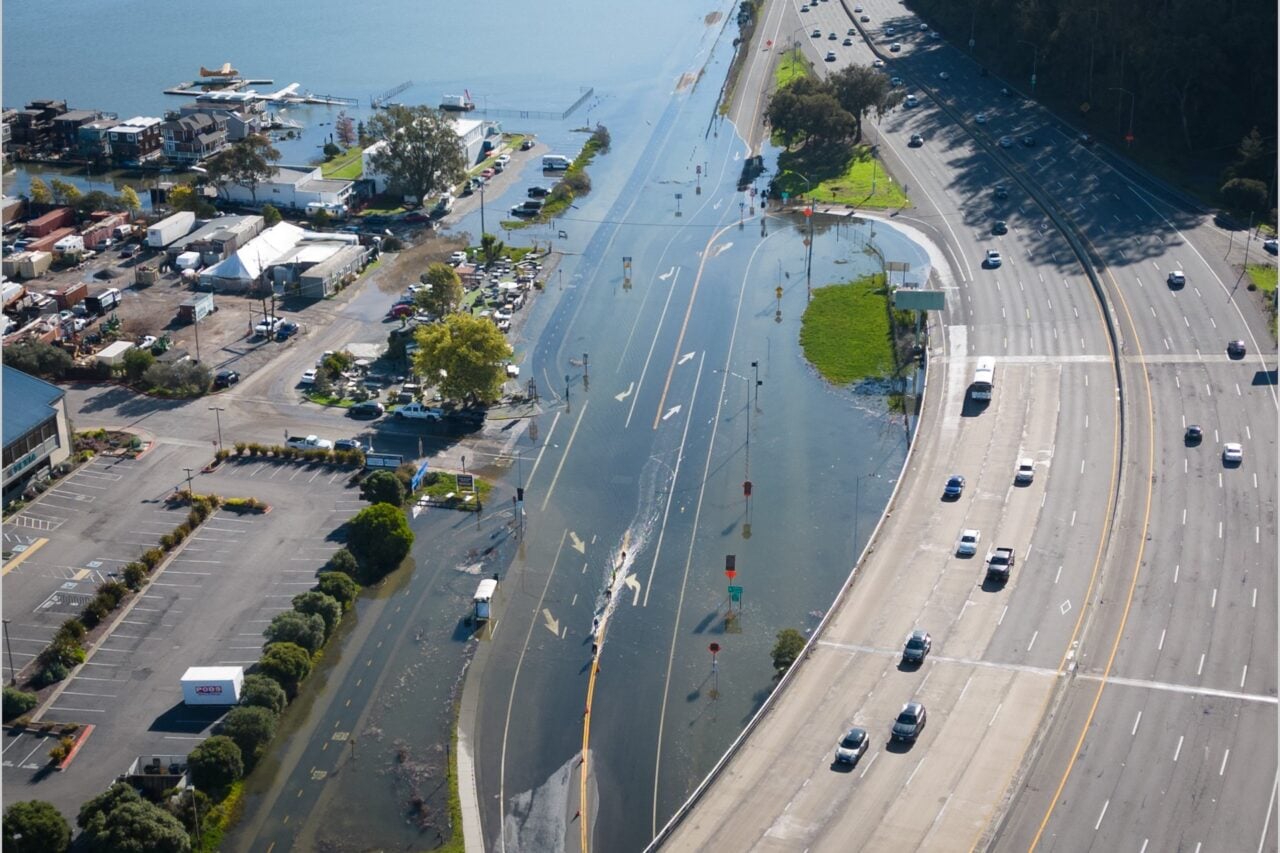
El Niño is the warming phase of the El Niño–Southern Oscillation, a natural climate phenomenon that affects sea surface temperatures in the tropical areas of the Pacific Ocean. This season’s El Niño is the strongest ever documented in modern history and is likely a once-in-a-millennium event. While this El Niño will not reach its expected peak until December, we’re already starting to see its drastic effects on marine wildlife, weather events like rain and floods, and natural disasters like wildfires.
El Niño is well known to raise the risk of extreme and dangerous weather events. But the study researchers, affiliated with the Barcelona Institute for Global Health, say that its effects on temperature-related deaths haven’t been quantified on a global level. For this new study, they examined climate and mortality data from over 100 countries stretching back more than 40 years, between 1980 and 2023. These years included several severe El Niño seasons, including the previous largest peak in warming temperatures seen during the 2015-2016 season.
Overall, compared to neutral conditions, the team calculated that very strong El Niño years were linked to an added 107,035 annual deaths from too much heat. Conversely, though, these years were also tied to a reduction of 112,681 annual deaths from the cold. The greatest increase in heat-related deaths was seen among countries in tropical regions, particularly countries that were relatively less well-off than others.
While the corresponding changes in heat- and cold-related deaths might seem fortunate, the researchers argue otherwise.
“The fact that these two changes largely offset each other globally does not mean that El Niño is beneficial to health. Combined heat- and cold-related mortality increases in countries with fewer resources and, in an increasingly warm climate, future episodes could exacerbate these inequalities,” said lead author Natalia Shartova in a statement from the Barcelona Institute for Global Health. “Furthermore, El Niño’s effects extend beyond temperature anomalies to include extreme weather events, such as floods and periods of drought.”
The added burden of the super El Niño
The researchers note that these findings can’t be used to directly predict what will happen during this year’s super El Niño.
Other research, however, has suggested that this year’s season will be especially deadly. In a report published in September from the University of Chicago’s Climate Impact Lab project, the researchers projected that El Niño will cause an extra 451,000 deaths globally between September 2026 and February 2027; this includes more than 3,500 deaths in the U.S.
All that said, climate phenomena like El Niño can have complex effects. And as this latest study itself shows, not all of its effects are necessarily negative. Scientists will also learn a lot about how severe spikes in warming temperatures can affect the oceans and atmosphere.
Unfortunately, though, this knowledge will almost certainly come with a heavy cost.