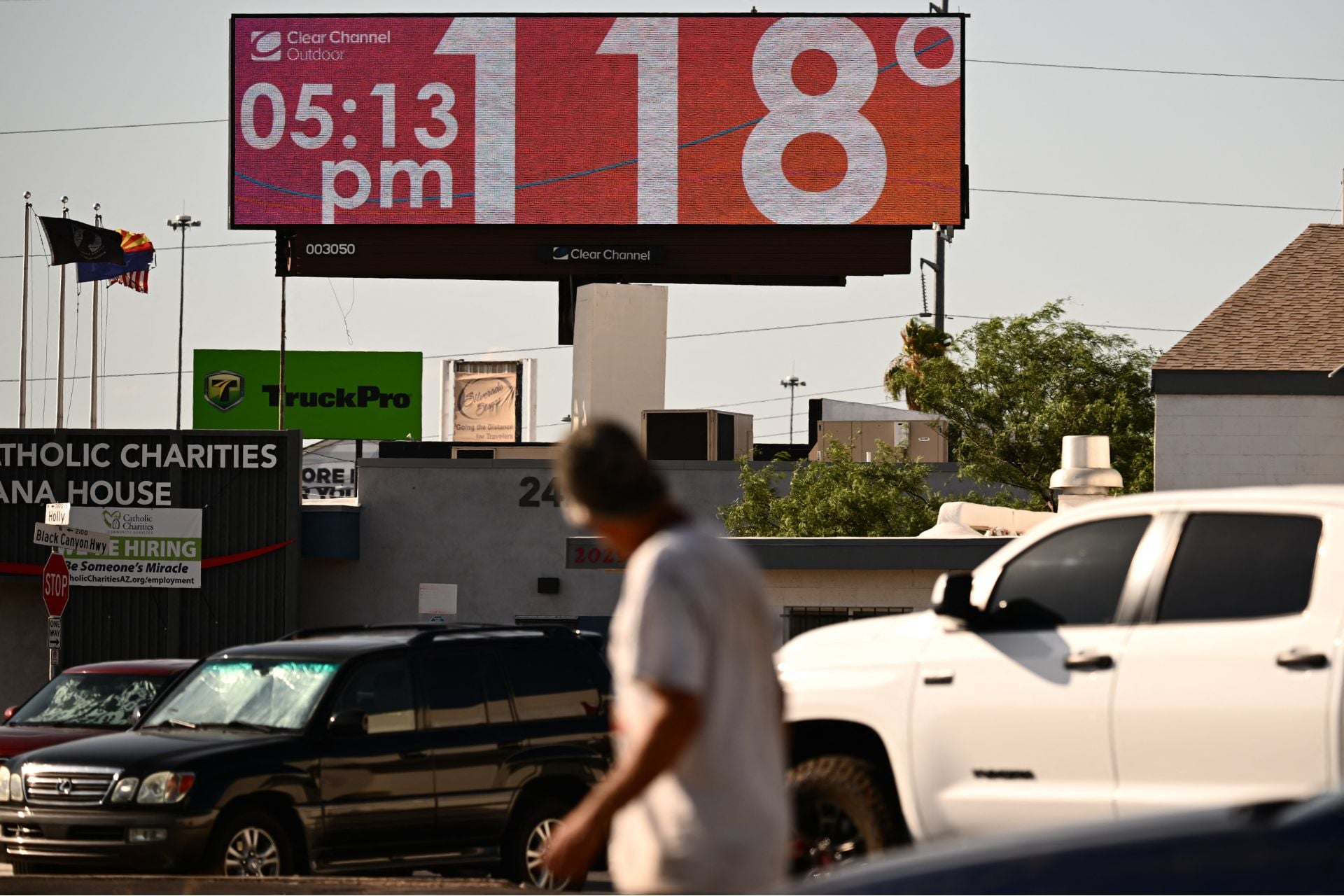
Extreme heat brought about by this year’s “super” El Niño could result in the deaths of more than 450,000 people across the world in the next six months, a new report warns.
Researchers with the University of Chicago’s Climate Impact Lab project that global temperatures will be 2.1 degrees Fahrenheit (1.2 Celsius) above normal in the coming months, leading to a 44% increase in extremely hot days compared to normal years. As a result, the researchers estimate an increase in heat-related deaths from September to February 2027, according to the report.
The estimated death toll from the additional heat associated with the super El Niño comes on top of premature deaths already caused by high temperatures driven by the climate crisis.
Dangerously hot
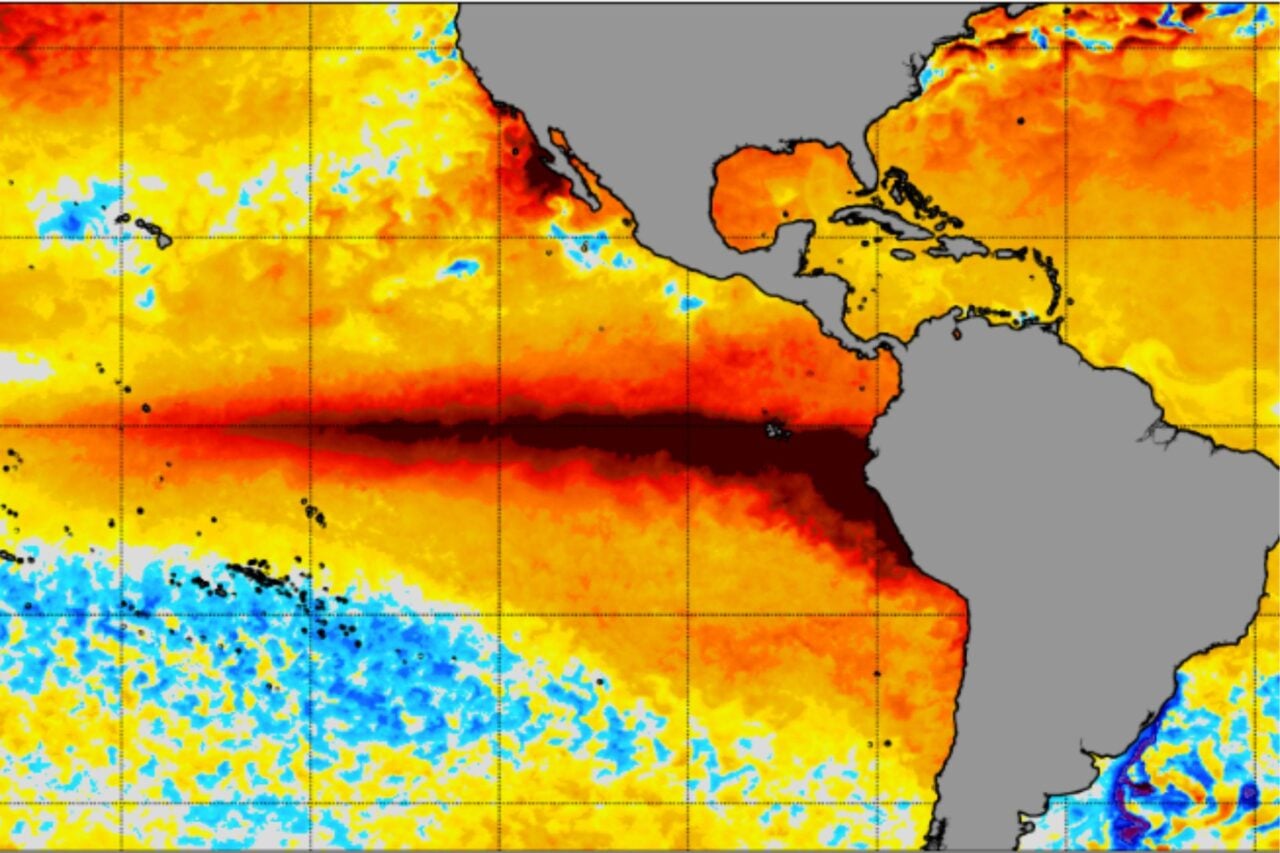
The current El Niño is already breaking records—and it has not yet reached its projected peak. Sea-surface temperatures in the central tropical Pacific have climbed 5.4 degrees Fahrenheit (3 degrees Celsius) above average.
As unusually warm ocean waters release additional heat into the atmosphere, global temperatures can rise, increasing the likelihood of extreme heat in many parts of the world. The heat from El Niño is also arriving on top of a climate system that has already been warmed by decades of human greenhouse-gas emissions.
The country most likely to suffer the most excess heat-related fatalities is Nigeria, with a projected 31,400 deaths, followed by Indonesia with 19,300 and Sudan with 17,600, according to the report. The United States falls in the top 20 countries impacted by extreme heat-related deaths, with 3,500 projected additional fatalities in the next six months.
The researchers anticipate that these numbers could climb even higher if El Niño extends further into 2027, possibly until June or July.
Postcard from the future
The report describes this year’s El Niño as a “postcard from the future,” pushing temperatures to unusually high levels that could become increasingly commonplace in the coming decades as the climate crisis intensifies.
“Mortality projections for the near term provide a signal of where we are headed if new adaptation investments do not materialize,” the report reads. “The difference with climate change is that there is more time to undertake adaptations to save lives.”
Within the next coming months, the researchers urge that emergency response efforts focus on high-priority regions to reduce heat-related deaths. “With these timelines in mind, there is time to reduce the numbers of lives lost by tens of thousands with targeted action,” the report advises. “We give decision makers at every level the clarity and specificity to act before, not after, the deaths occur.”