



Independent researchers in the U.S. have confirmed that China has managed to create a new carbon sink out of portions of Earth’s second-largest ‘mobile desert.’
xAI can power data centers at the cost of greenhouse gas pollution. Elon Musk used to speak out against this sort of thing.
The Congo Basin’s peatlands have stored carbon for millennia, but new research suggests much of it is now escaping.
When these trees burn, they release massive amounts of carbon, intensifying the very climate crisis fueling these wildfires.
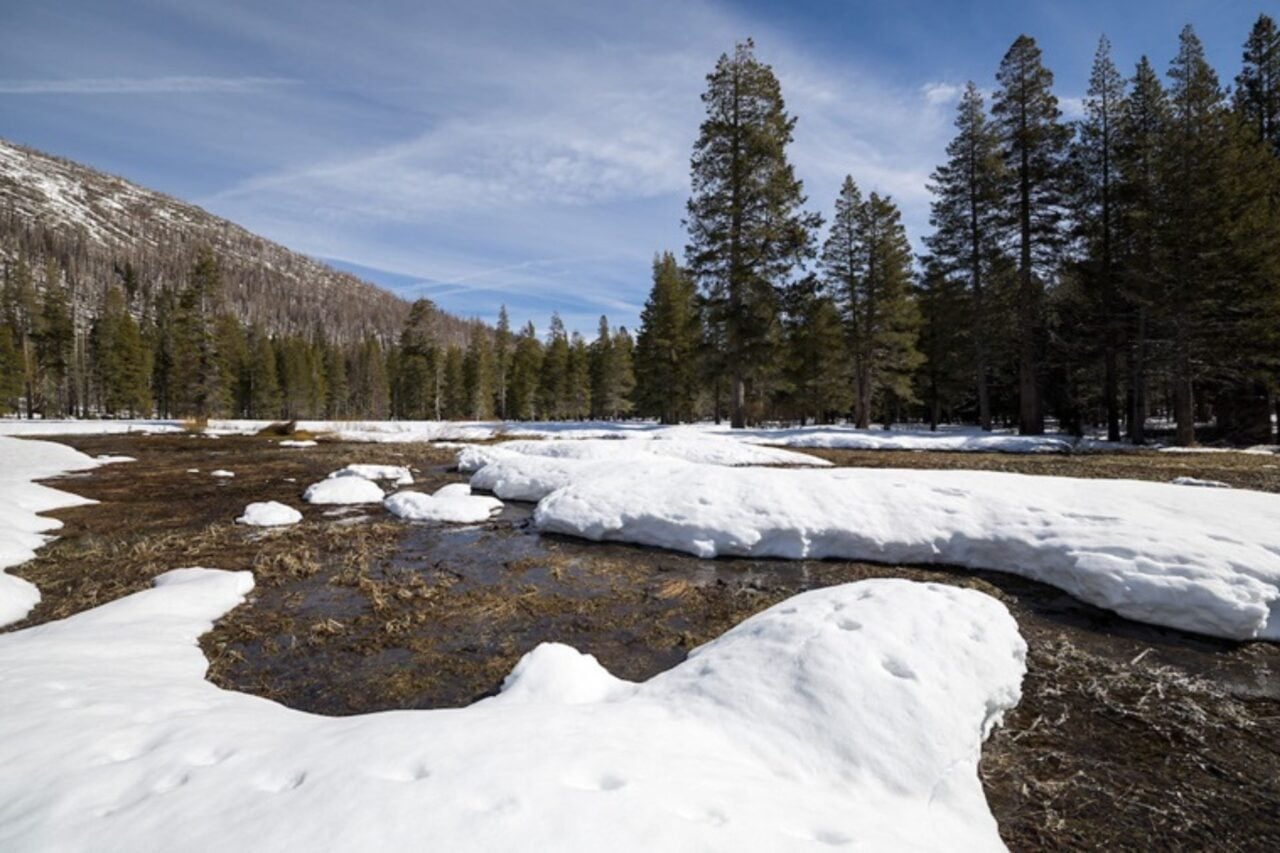
Major snowpack deficits could set the stage for widespread water scarcity and heightened wildfire risk across the American West this summer.
Can’t remember the last time you heard good news about this threatened species? Well, here you go.
Scientists say it's a rare natural phenomenon driven by pollution and—yep—climate change.
A warming Arctic set the stage for a massive winter storm expected to stretch 2,000 miles across the Eastern U.S. this weekend.
You won’t believe which state is completely unaffected.
Densely populated river deltas are sinking faster than sea levels are rising, according to new research.
In some areas, the weather could feel more like May than late December.
This process, driven by climate change, is increasing the risk of “Category 6” tropical cyclones making landfall in densely populated areas.
There's never been a giant dam failure in the US modern era, and a team of researchers is looking to keep it that way.
A new study predicts that by 2100, the Amazon rainforest could experience up to 150 days of hot drought conditions each year, causing mass tree die-offs.
When ice freezes and melts, it creates vortices that drag warmer waters from the depths to the surface, where they eat away at the continent's rapidly degrading ice shelves.
Snow in Hawaii isn't as unusual as you might think, but some northern U.S. cities are seeing significant delays to the start of their winter season.
Hurricane Melissa weakened slightly as it crawled over Jamaica, but not enough to save Cuba from devastating impacts.
The shift could lead to different weather patterns and alter the planet's climate.
50% beef, 50% plant, 100% chance of failure.
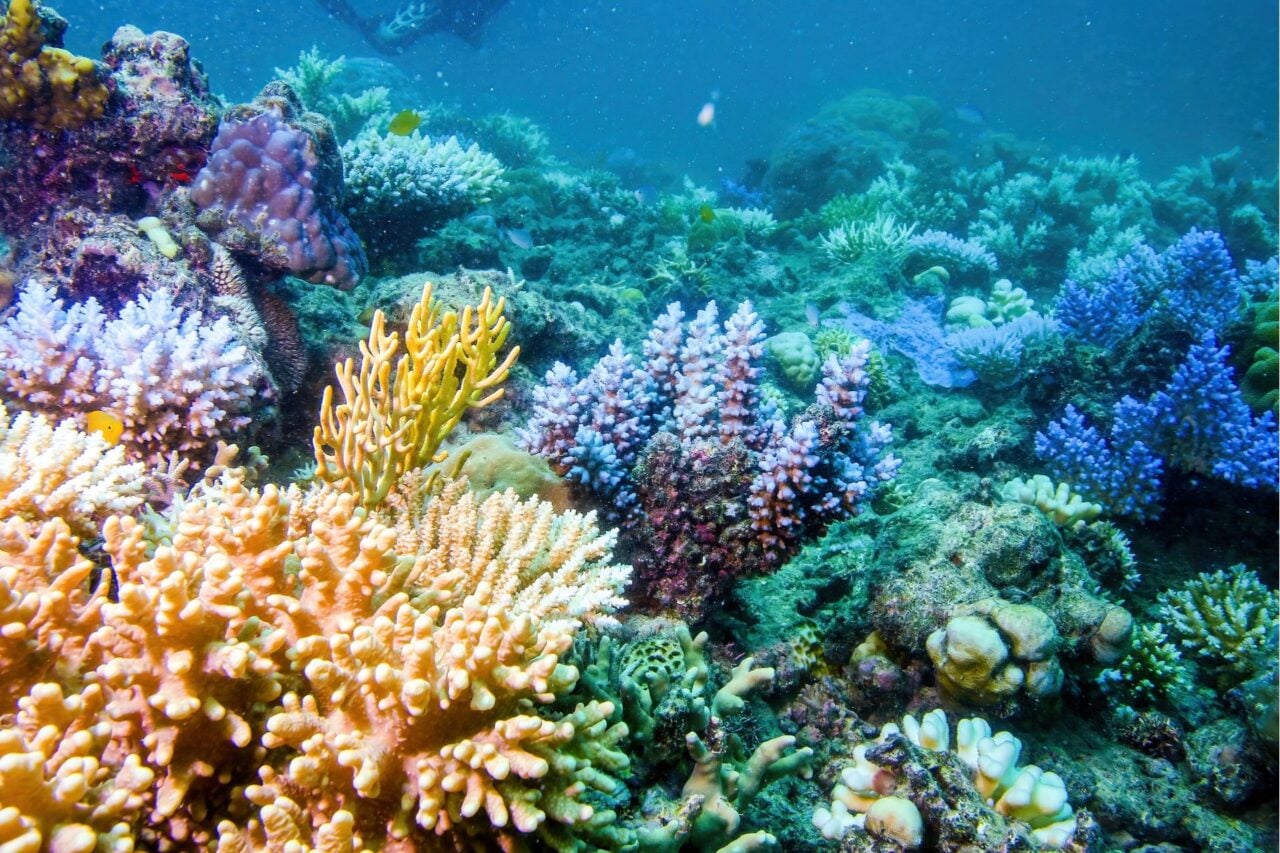
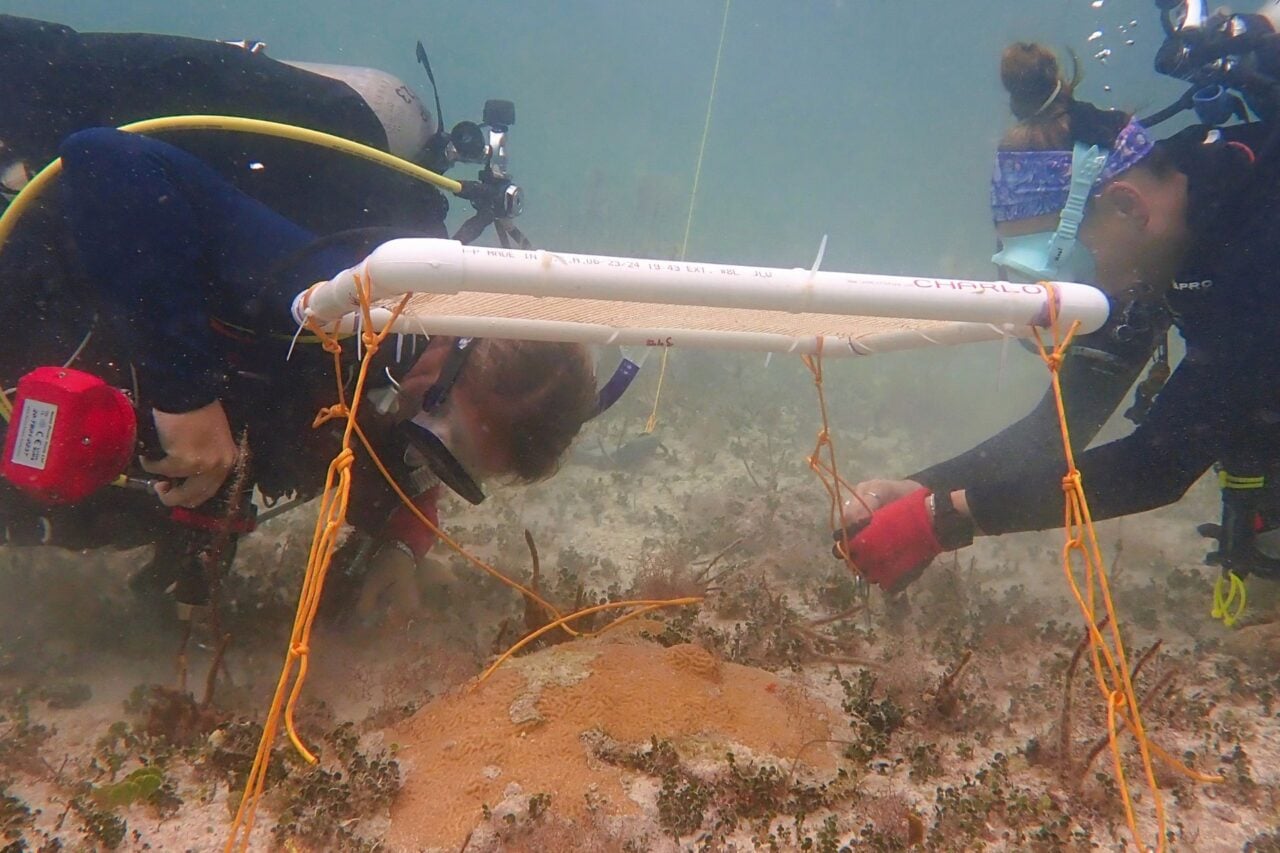
The 2025 Global Tipping Points Report finds that the world’s warm-water coral reefs have become the first Earth system to cross its thermal tipping point, putting them at dire risk.