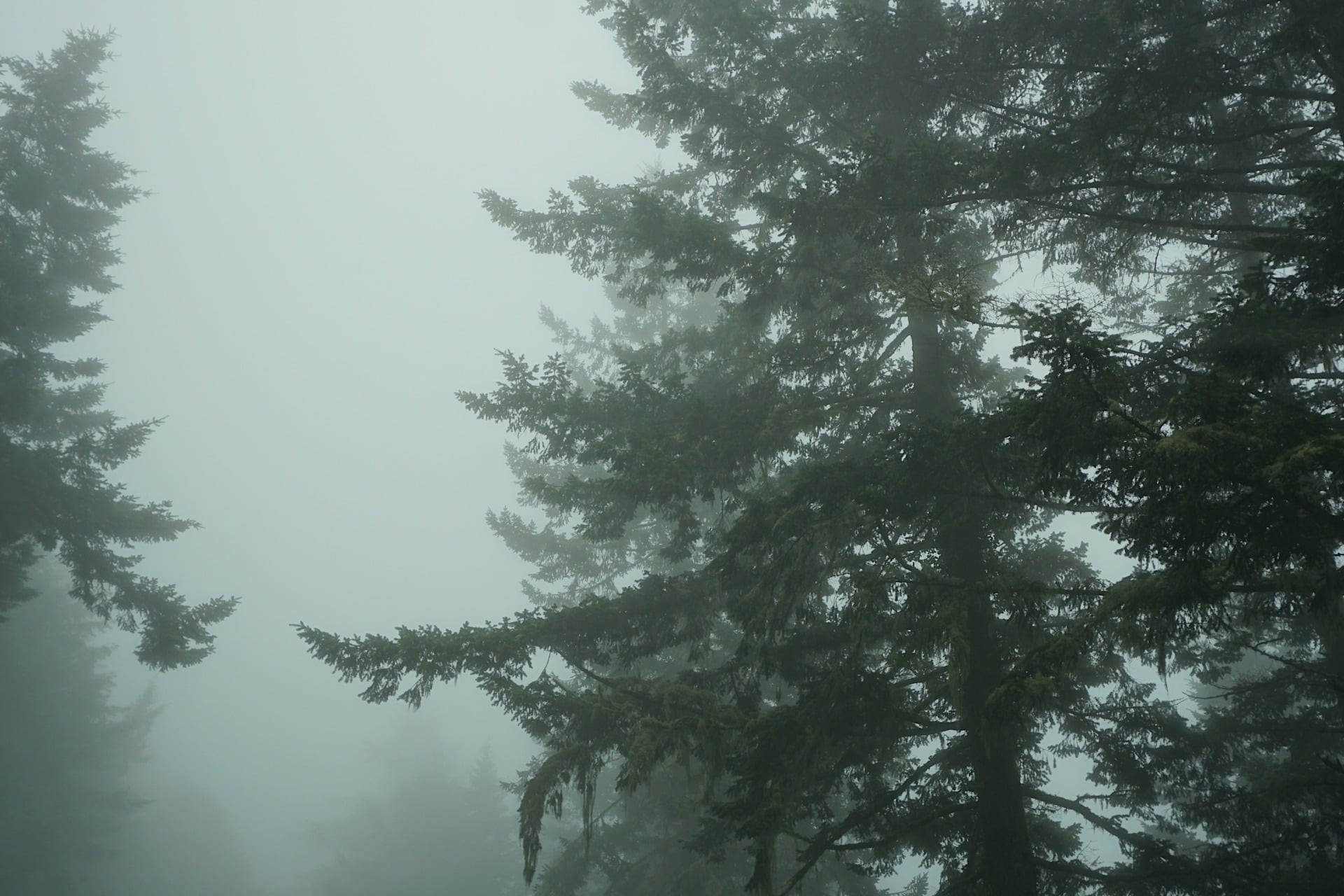
Clouds, fluffy clouds, have long bedeviled climate scientists trying to model our atmosphere’s response to rising greenhouse gases. But they know even less about fog, which—true to its literary connotations—has maintained an even greater air of mystery.
Fog is important. This cloud-like, low-lying mist provides as much as 40% of the summer water supply to California’s giant redwood forests, for example, as well as nourishment to local farmland in a region responsible for roughly one quarter of all U.S. strawberries. And yet, there really hasn’t been enough resources to dig into how fog works, or where it seems to be going. Until now.
A new $3.65 million initiative, dubbed the Pacific Coastal Fog Research (PCFR) project, launched its first fieldwork trip this month, part of a five-year plan to systematically investigate coastal fog chemistry, fog’s role in the local ecosystems, and just how exactly fog’s been impacted by global warming.
“It’s the first time we have been funded to carry out interdisciplinary research at a scale that really allows us to answer fundamental questions regarding coastal fog dynamics and impacts on ecosystems,” Sara Baguskas, a biogeographer at San Francisco State University, told the San Jose Mercury News in January. “I would say it’s not a simple story.”
Fog is disappearing
We may not know a lot about fog, but there’s one thing we do know: fog is disappearing. One 2010 study found that climate change may have already burned off 33% of the California redwoods’ annual fog cover since 1951. That’s bad news for humans and the environment, according to a 2024 study, with consequences that include more wildfires, shrinking forests, drought, and steep declines in regional food production.
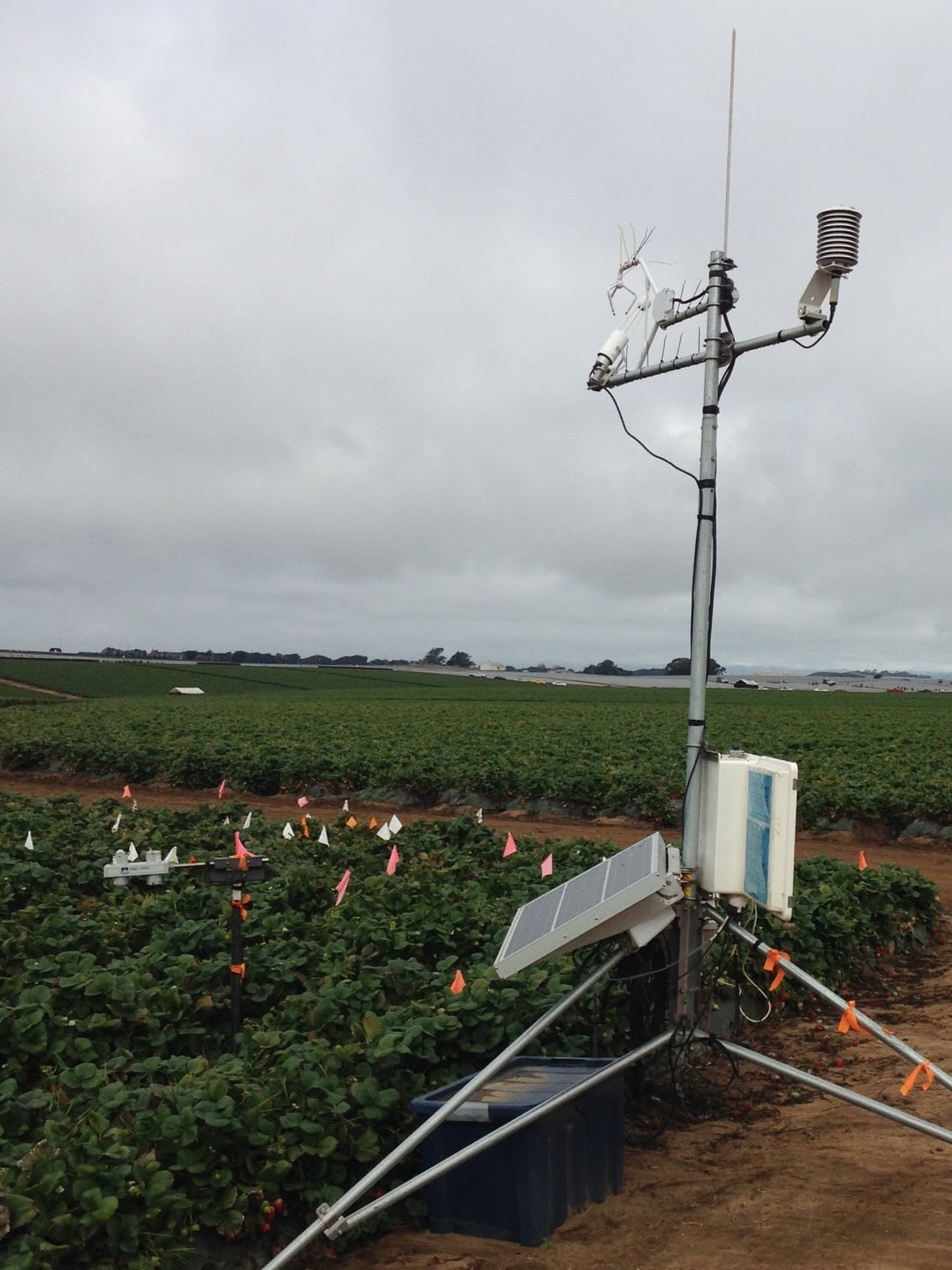
One way the PCFR project aims to change that is by literally collecting fog. To do this, researchers have brought vertiginously tall, tree-sized fog collectors to 15 sites across the California coast, armed with sensors to collect not only fog itself, but temperature, wind, humidity and solar radiation data.
Prior to the new project, meteorological ground station data on fog had been very limited. The standard top-down weather satellite imagery has been insufficient too, unable to readily differentiate fog from mere low-altitude clouds. To make matters more confusing, the mechanism by which fog appears is dependent on a temperature contrast between ocean surfaces and dry land, requiring more data and updated climate models.
The group’s 15 fog collectors have been positioned at a variety of carefully scouted sites across California, including cities, grasslands, forests, and marshes. A fine mesh draped between the poles of each device collects fog condensate and siphons these samples for later analysis in the lab, where it will be compared to atmospheric carbon and humidity measurements the team has also recorded.
What’s hiding in the fog
To rigorously double-check their conclusions, scientists plan to employ integrated global and local climate simulations backwards and forwards through time. The high-resolution models will analyze whether climate change really has played a role in the declining fog, as well as try to predict what future warming might do to the fog next.
PCFR researchers also intend to look at how fog interacts with pollutants and natural toxins. In cities, past evidence has suggested that the reactive moisture in fog can carry off noxious compounds like nitric and sulfuric acid, as well as dangerous particulates, like soot and trace metals. Lastly, they’ll be tracking an alleged uptick in methylmercury, a hazardous chemical naturally produced by some ocean bacteria, which appears to accumulate in coastal ecosystems due to fog.
“Historically, fog research has been hard to fund because it is often construed as highly regionally or globally unimportant,” J.P. O’Brien, a science program officer at the Heising-Simons Foundation, which is funding the PCFR project, said last October. “Nothing could be further from the truth.”