At the start of 2014, Google announced an initiative that, if successful, seemed destined to position Silicon Valley as a major force in the healthcare space.
In a blog post, the company disclosed that it had begun developing a smart contact lens prototype that could measure glucose levels in tears via a miniaturized sensor nestled inside its layers. The prototypes could reportedly generate a reading once every second.
If the technology had proved successful, it would have done two big things. First, it would have been a game-changer for the roughly 830 million people living with diabetes worldwide, as it would have provided a far easier means for frequent glucose monitoring, which is tied to better long-term health outcomes. But it would have also been a breakthrough for consumer wearables. A successful smart lens would have proven that a major tech company could solve a core biomedical problem and would have allowed Google to compete with traditional medical-device companies and make it a legitimate player within the healthcare space.
But it didn’t happen.
Despite the fanfare and anticipation surrounding the announcement, just two years into the venture, reporting, including a 2016 STAT investigation, showed that the project was littered with setbacks. The main issue was one of basic science: tears were simply an unreliable fluid for measuring levels of blood glucose. On a larger scale it also revealed a few other issues surrounding the merger of consumer tech and healthcare. For one, miniaturizing hardware is not always enough, as human biology is noisy and messy. And second, medical devices require extremely accurate, reliable data. A device that estimates daily step count can, for obvious reasons, be good enough, but one that measures blood glucose readings in people with diabetes? Good enough won’t cut it.
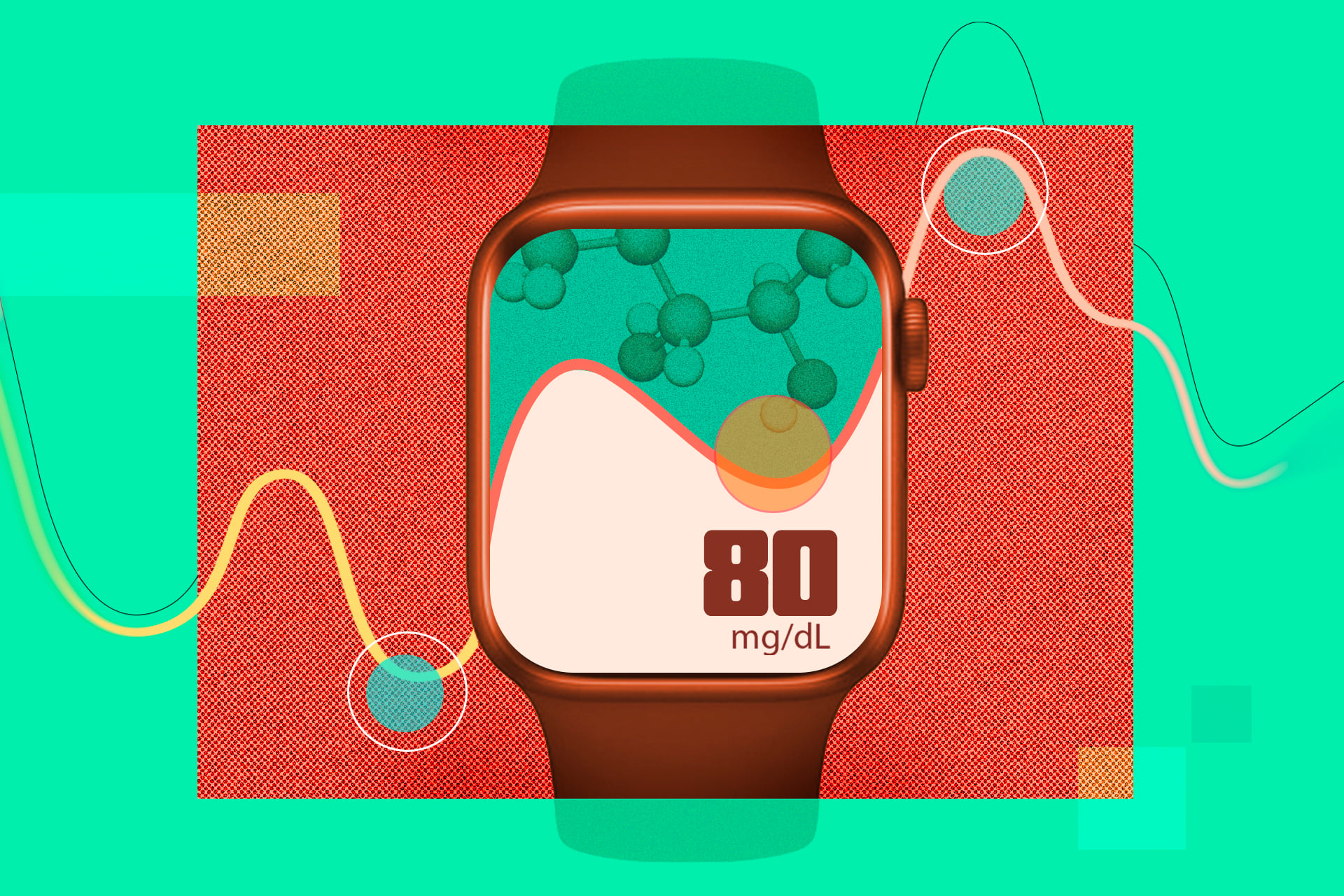
Today, scientists are still working on nailing down what remains to be one of the holy grails of wearables: truly noninvasive glucose monitoring. Unlike smart contact lenses, these devices wouldn’t contact bodily fluids. Instead, they would detect glucose’s unique molecular signature through the skin, and then use that signal to estimate blood glucose levels indirectly. This remains one of the most challenging problems in biomedical engineering. But researchers are slowly chipping away at the physics, chemistry, and materials science needed to reach this goal—and they are closer than ever.
Signal to noise
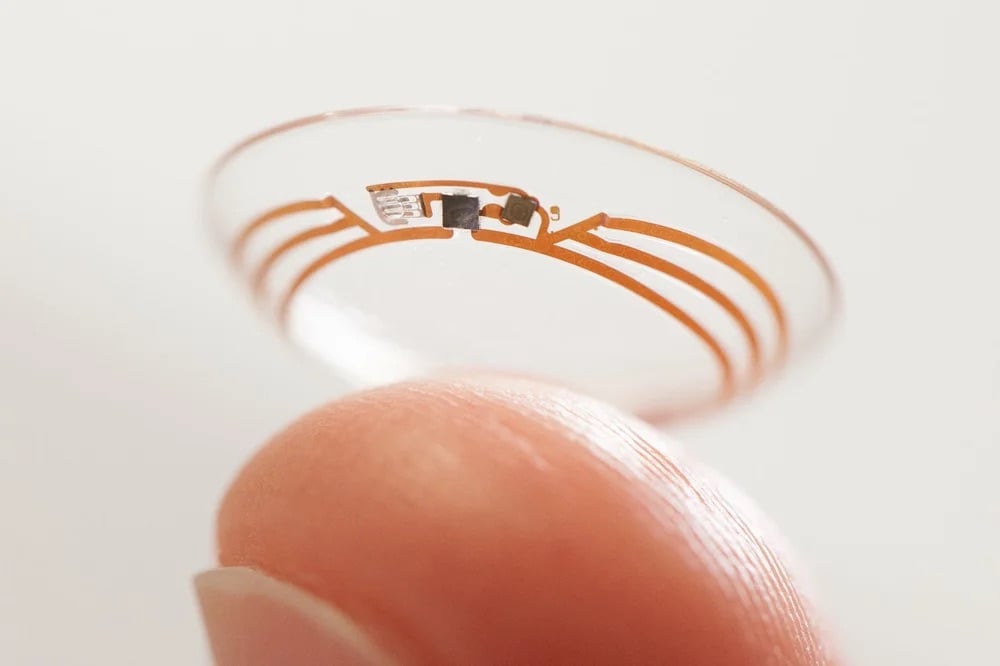
Google’s smart contact lenses failed because of a key biological issue: our body has a bunch of stuff floating around inside of it, and glucose is just one extremely small component.
When someone pricks their finger to measure their glucose levels, they place a tiny drop of blood on a disposable test strip. Those test strips contain an enzyme that reacts specifically with the glucose contained in that drop of blood. During the reaction, glucose is oxidized and releases electrons, which are transferred through mediator chemicals to tiny electrodes in the strip. The glucose meter measures the resulting electrical current, and because more glucose produces more electron flow, the meter can calculate the blood glucose concentration. Continuous glucose monitors (CGMs) work using similar chemistry, but instead of testing a blood drop, they continuously measure glucose in the interstitial fluid just under the skin.
One of the main reasons these devices work so well is that the chemistry is highly specific and controlled. The enzymes involved in the reaction almost exclusively react with glucose, which it comes into direct contact with either in the blood or in the interstitial fluid. And, importantly, the glucose levels in both interstitial fluid and in blood fluctuate similarly.
But things get wonky when you use tears. Glucose concentration in tears is already lower, and it fluctuates in ways that aren’t always an accurate representation of blood glucose levels. Things get even wonkier when you aren’t in contact with any fluid at all.
The concept of noninvasive monitoring is nothing new. When a smart device, like an Apple Watch or a Fitbit, measures heart rate, it does so by tracking changes in the blood volume in the tiny blood vessels near the skin. The device shines a light into your skin and blood absorbs that light more than the surrounding tissue. As your heart beats, blood volume increases and decreases. This shift is recorded in how much light is reflected back to the sensor. By detecting this repeating pattern over time, the device calculates how many heartbeats occur per minute. With this technology, wearables today are incredibly accurate when it comes to heart rate.
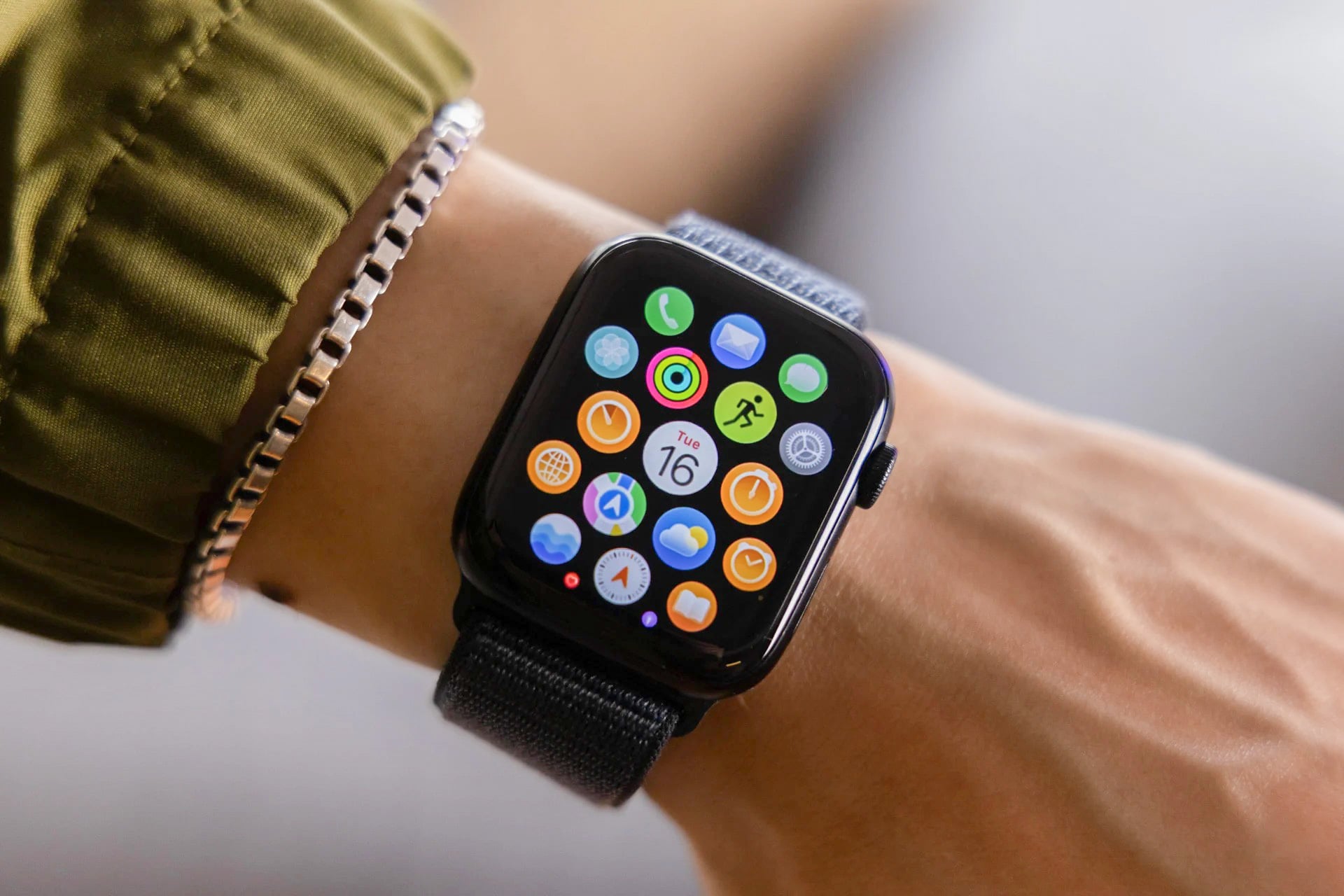
So why is glucose so different? Heart rate focuses on shifts in total blood volume, which doesn’t really work for glucose. Blood is made up of a mixture of various cells, proteins, water, and other substances, and glucose is just a tiny fraction of that, says Judith Su, an associate professor of optical sciences and biomedical engineering at the University of Arizona. To detect glucose within all these components of blood, you basically have to find a way to distinguish glucose from all these other things.
“The main challenge is signal to noise,” Su tells Gizmodo. “In the laboratory you can easily distinguish glucose, but what makes it so difficult is the fact that the human body is quite complex.”
“Glucose produces this very small signal, and it’s present at very low concentrations compared to everything else in the body, particularly water, which dominates the signal in most measurement techniques. The second thing is it doesn’t necessarily have a very strong unique signature, so when you measure something, it tends to overlap with signals from other molecules, and then the third is it gets distorted by your tissue,” Su says.
Because of glucose’s finicky nature, researchers needed a tool that would be able to identify something inside the sugar molecule that was unique to it. That need for specificity drew scientists to Raman spectroscopy.
One photon in a million
Raman spectroscopy works by shining a laser onto a sample and measuring how a tiny fraction of that light changes after interacting with certain molecules, says Arianna Bresci, an optical engineer and postdoctoral associate at MIT’s Laser Biomedical Research Center.
With Raman spectroscopy, a device sends a single-color laser beam into a material, such as skin. Most of that light—99.999% of it—bounces back unchanged. But a very small fraction of those protons interact with the molecules and cause them to vibrate. That interaction results in those photons reflecting back in a slightly but distinctly different way than the other 99.999% of the photons. Because different molecules, such as glucose, have different bond structures, they shift light in distinct patterns. From these distinct patterns, researchers can create what’s called a Raman spectrum.
In perfect practice, a very sensitive sensor measures the weak Raman-shifted light and filters out the original laser light. Then, a computer system compares the measured spectrum of light to known reference spectra. Once it matches the patterns, it can identify the molecule. Finally, the intensity of the characteristic peaks reflects how much glucose is present. So, a small peak would mean a lower glucose reading and a larger peak would mean a higher glucose reading. It sounds simple, but it’s proven incredibly difficult.
“Among all the noninvasive optical techniques, Raman is an elite one because you can track a specific molecule,” Bresci says. “But the drawback is that the Raman signal is very low in intensity…for every one million photons that get in, just one is a Raman photon.”
Proof of concept

At MIT, Jeon Woong Kang, a research scientist at the university who studies biomedical optics, is leading the noninvasive glucose monitoring project, which Bresci is a part of. Back in 2020, the team proved that they could accurately measure glucose Raman signals directly from the skin. Part of the reason for this breakthrough was that they found they could filter out the unwanted “noise” from other components in body tissue by shining near-infrared light onto the skin at a different angle from the angle they collected the Raman signal.
This was a huge breakthrough, but it required a device the size of a desktop printer. Since that time, his team has been working on making the system smaller. In December of 2025, the MIT team published a study showing that they had successfully created a working device the size of a shoebox, and they tested it against traditional glucose monitors.
Ideally, it would eventually make its way into a wearable device as small as an Apple Watch or even an Oura smart ring. But that’s still a long way off. Because Raman signals are extremely weak, the system to capture them requires large, highly sensitive optical components like a powerful laser, lenses and filters, and a spectrometer. For glucose sensing specifically, that challenge is multiplied because the glucose signal in skin is tiny compared to other substances around it. The smaller the device, the less light it collects, typically, making it harder to spot glucose (the signal) from all the other noise.
Another part of the problem goes back to one reason why Google’s smart contacts failed. To create a device that measures blood glucose, you need to be incredibly accurate or don’t even bother trying.
Now that the MIT team has a working prototype, their next goals are to continue to make the device even smaller and test it in clinical trials to ensure it is as good as the current gold standard: the finger prick. They’ve turned this part of the development over to a startup company, Apollon, which Kang is a member of.
“Our industry partner, Apollon, has a plan to release the product into the market in the year of 2029 or 2030,” says Kang. “So that’s their timeline, because we need to go through the FDA clearance before selling it in the market.”
The future of noninvasive glucose monitoring depends on whether researchers can shrink an entire laboratory room’s worth of optics into a wearable device.