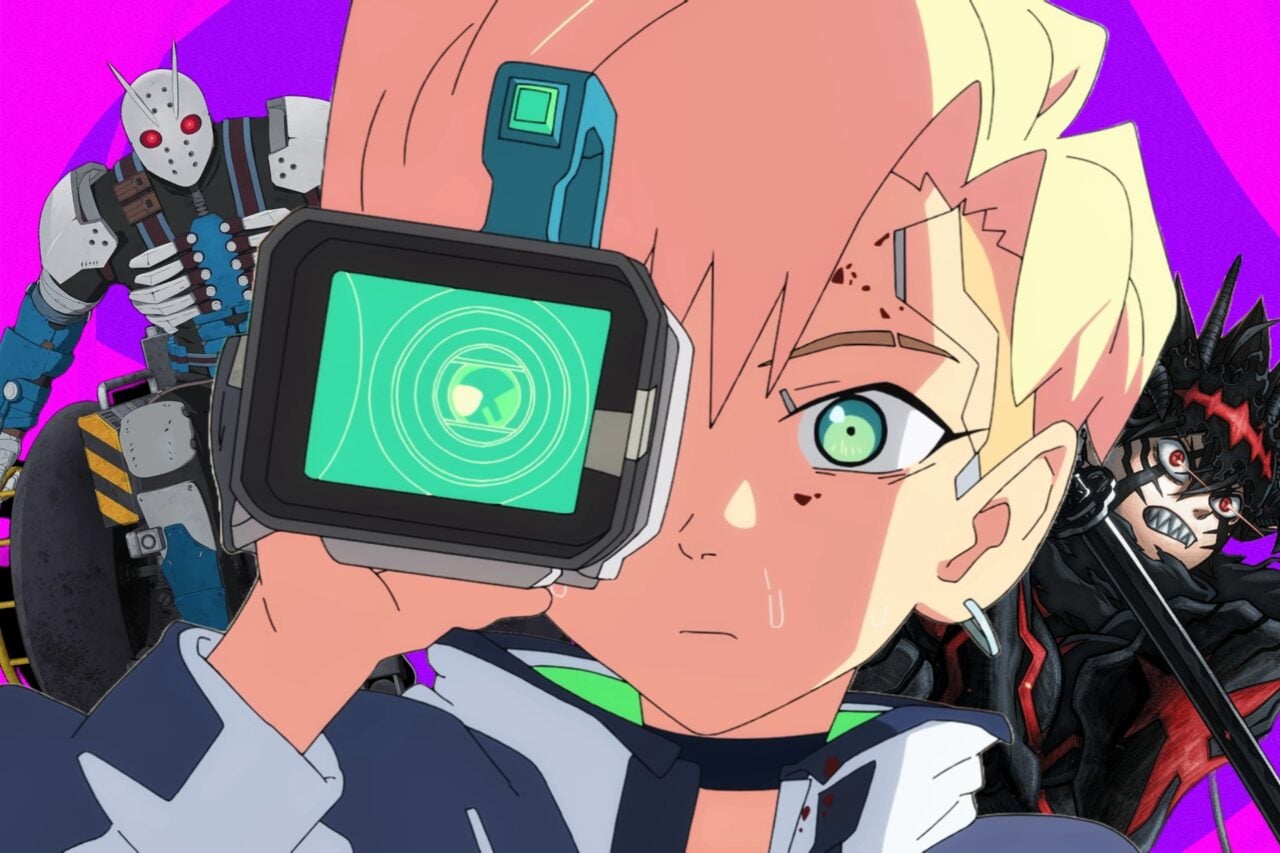
For roughly six years after its 2020 premiere, anime fans were resigned to the fact that MAPPA (Jujutsu Kaisen, Chainsaw Man, and the final season of Attack on Titan), arguably the busiest and most highly acclaimed anime studio in the business, had seemingly forgotten about the second season of Dorohedoro. But not only did the show come back in 2026 with a second season streaming on more platforms than its first, it exceeded every possible expectation and has emerged as an early frontrunner for anime of the year.
Dorohedoro is set in a world made up of three realms: Hell, where devils reside; the Hole, a grimy, industrial cityscape where humans live in squalor; and the World of Sorcerers, a prosperous, fantastical realm where smoke-wielding magic users live. Sorcerers cross over into the human world to experiment on them and bampf out using doors they can abracadabra out of black smoke. And that’s just the tip of the iceberg of Dorohedoro‘s in-depth world-building.
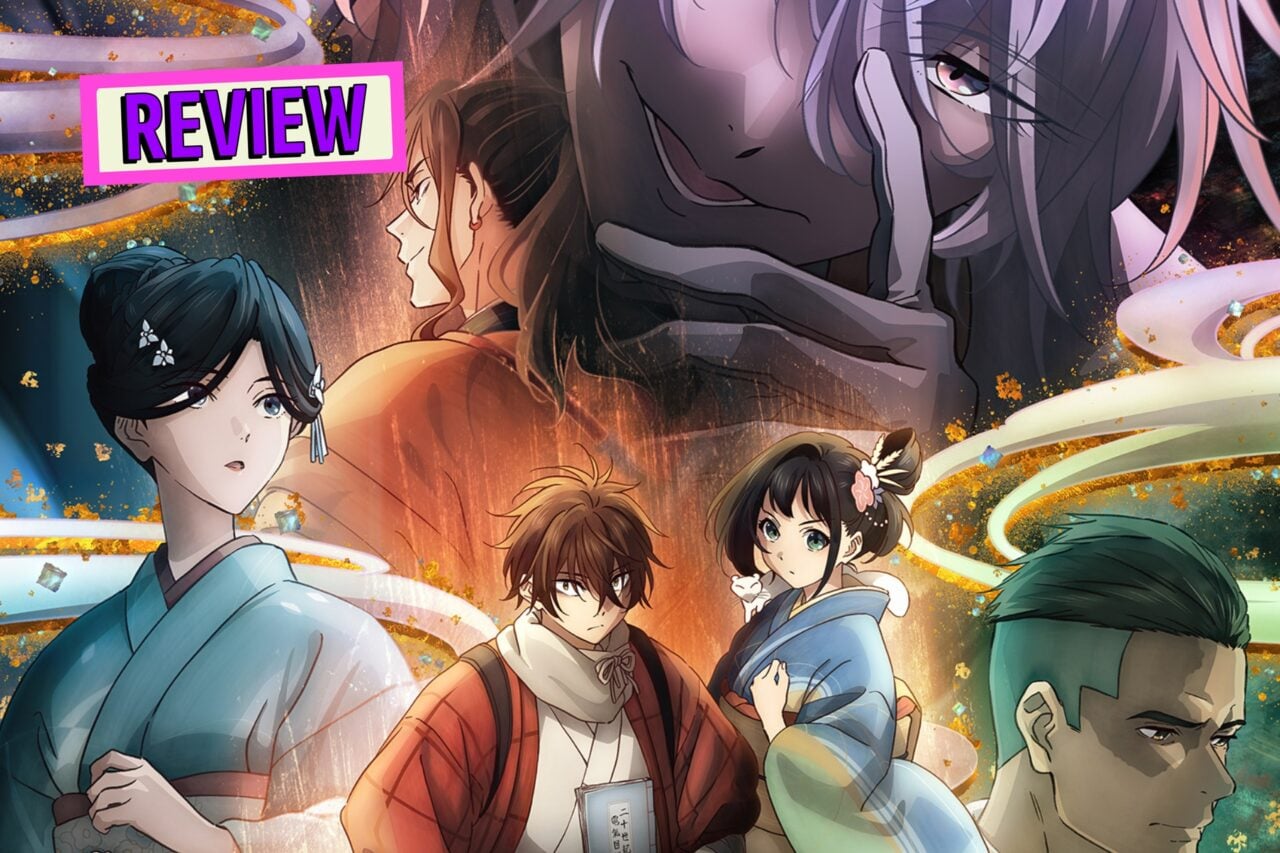
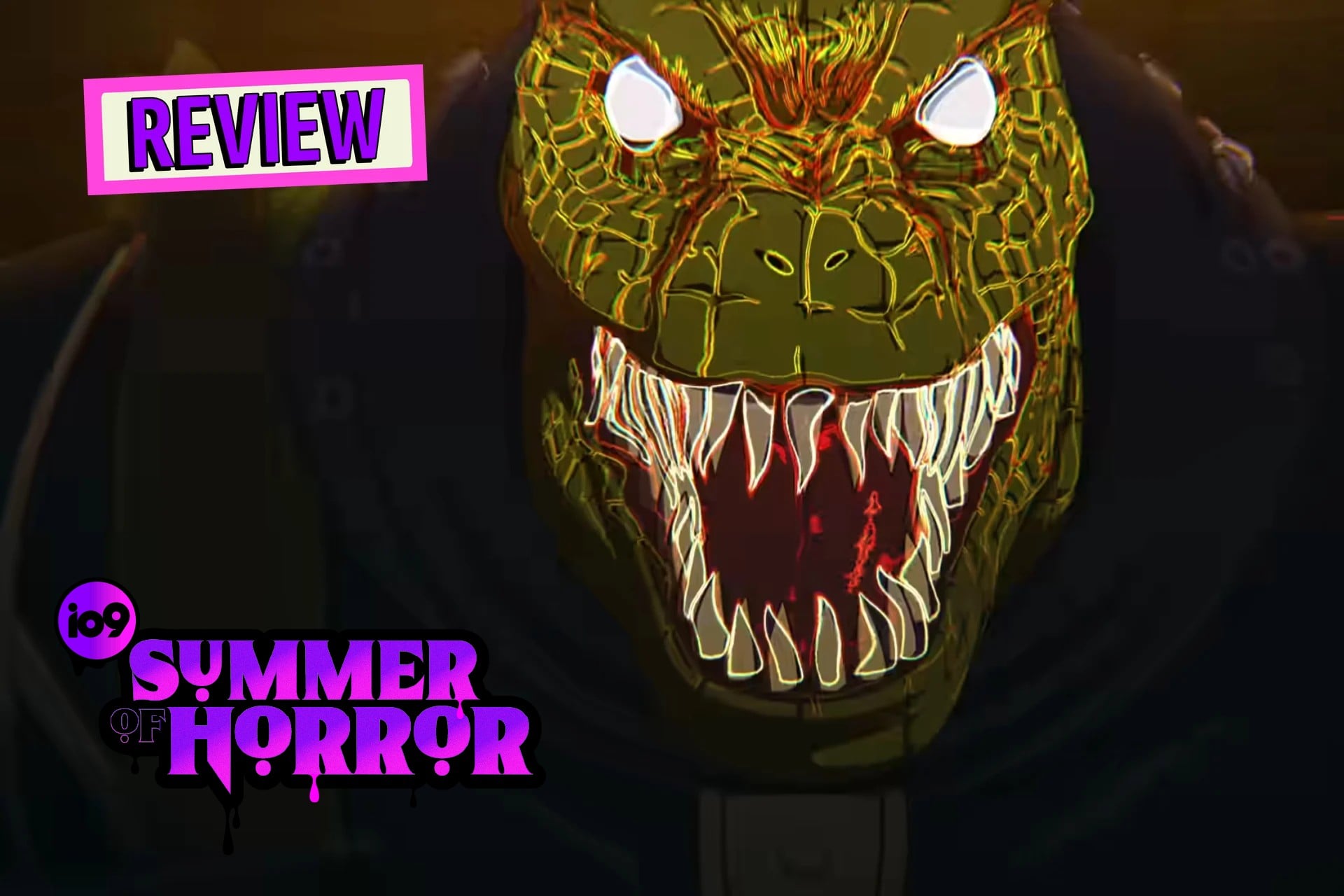
Season two’s story sees best friends Nikaido (Reba Buhr) and Caiman (Aleks Le) finally reunite. But their reunion is only a brief reprieve from the storm encircling them from all sides. One threat on their horizon is En (Keith Silverstein), the eccentric, mushroom-loving sorcerer yakuza don, and his Pulp Fiction-esque enforcers, Noi (Cherami Leigh) and Shin (Griffin Burns), who are hunting Nikaido for her time-wielding magic. Joining the fray this season are the Cross-Eyes, a rival gang of humans who kill sorcerers and with whom Caiman shares a mysterious connection. Granted, Caiman’s connection to them and to the reanimated corpse of their former member, Risu (Alejandro Saab), is murky at best, given his bouts of amnesia about the man he was before his head was turned into a giant lizard.
Nevertheless, Nikaido and Caiman’s bond is tested as they follow a trail of breadcrumbs fashioned from blood and viscera that leads them toward the truth about Caiman’s past. All the while, the ensuing war between sorcerers and humans reaches a boiling point.
As you might guess from the word jumble above, Dorohedoro is a lot, and its 11-episode second season only gets stranger the longer it goes on. Despite being as esoteric as anime gets, what Dorohedoro does so well is something that is becoming more prominent across all mediums in the West. Dorohedoro rides the razor-thin line between horror and comedy, a line that comedians-turned-directors like Jordan Peele, Zach Cregger, and Curry Barker have become masters at manipulating. While Dorohedoro‘s first season winked toward its own tightrope-walking of that line in adapting Q Hayashida’s manga, its limited 3DCG animation (paired with a sense that it was self-censoring its source material’s incessant gore) kept the show from being anime’s prototypical example of the phenomenon of horror and comedy blurring together. Season two doesn’t just see Dorohedoro enter a flow state as its mixture of horror and comedy finally starts to gel; it sets the anime at the apex of what an anime take on horror comedy should look like.
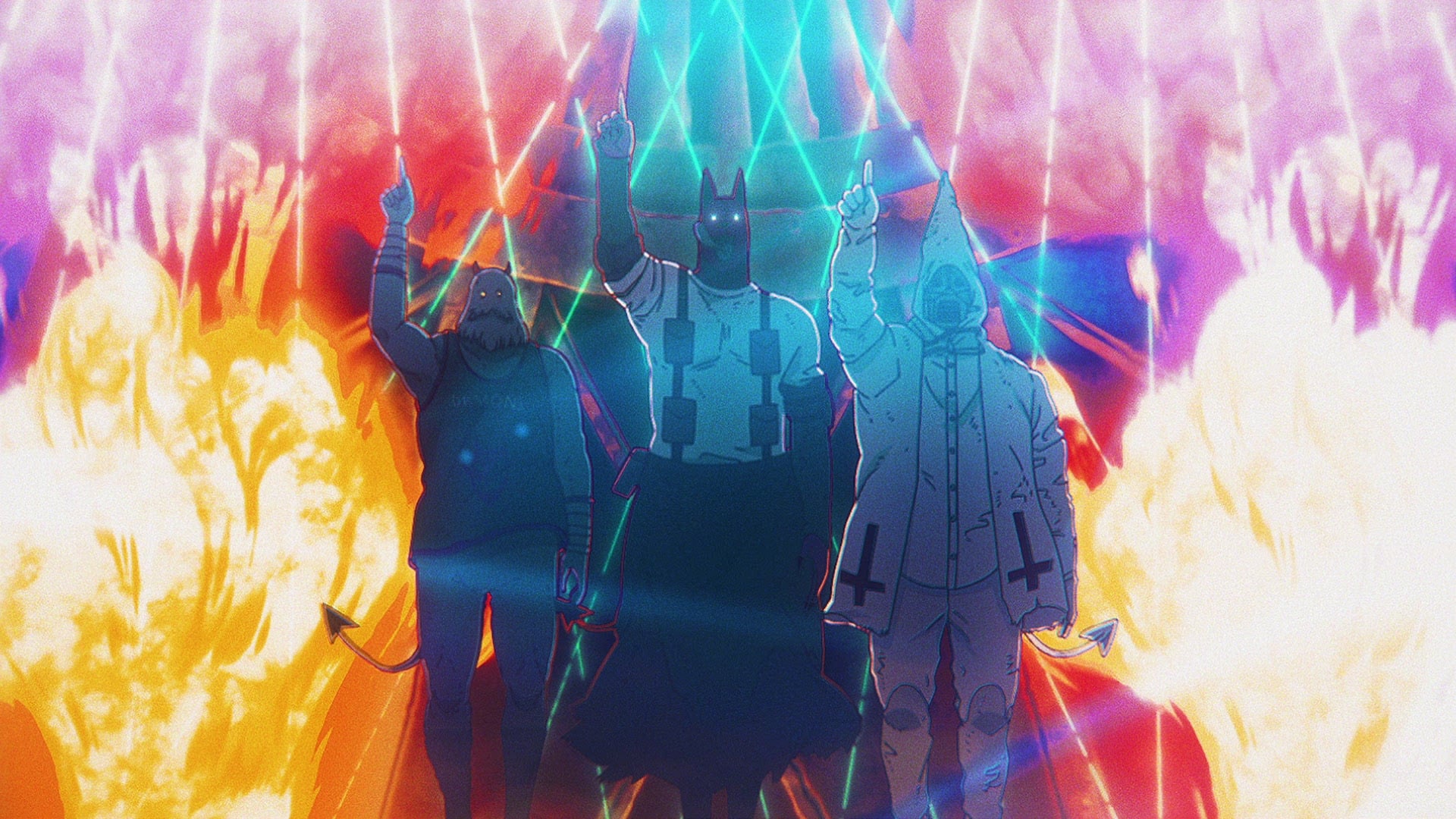
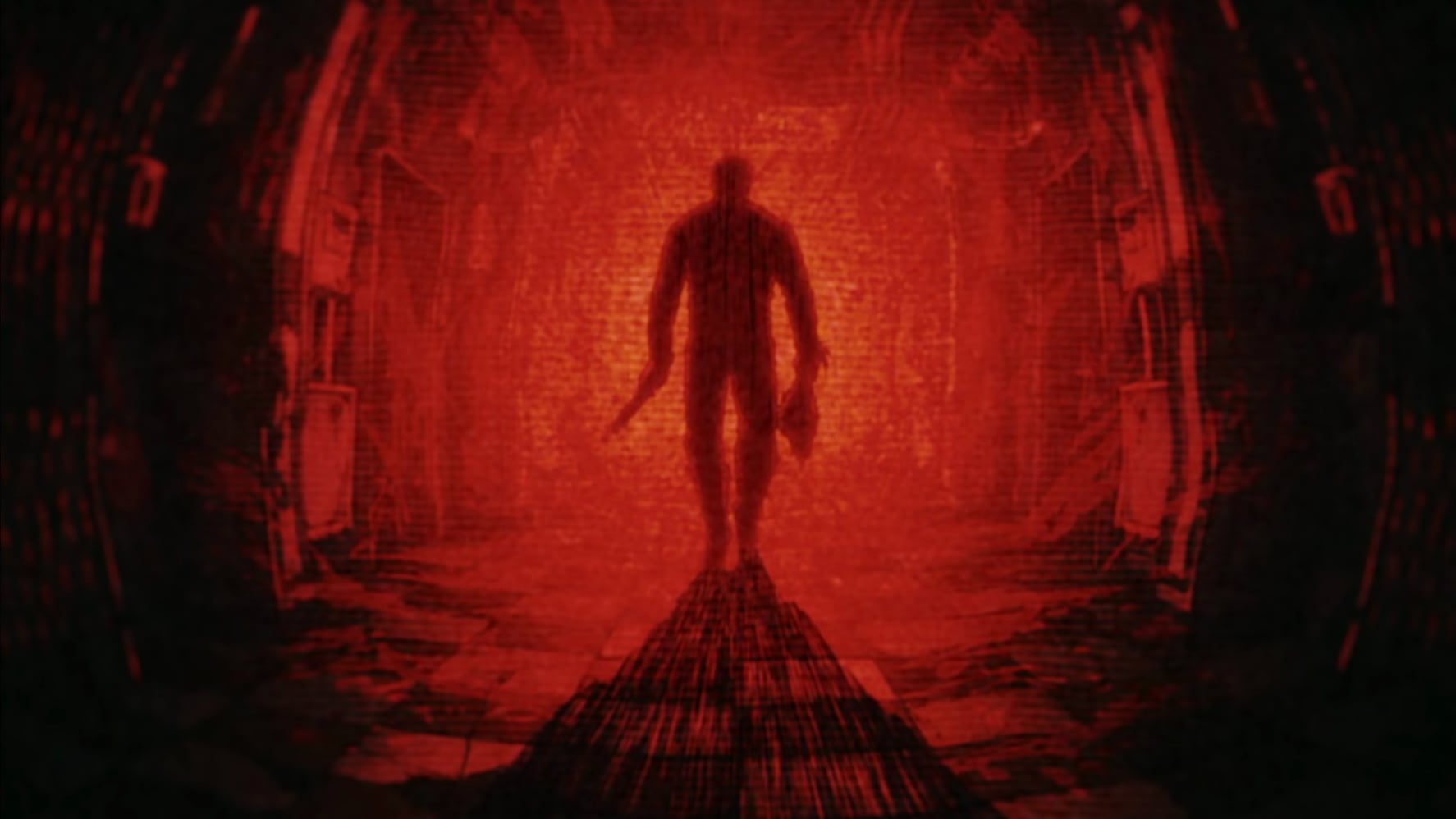
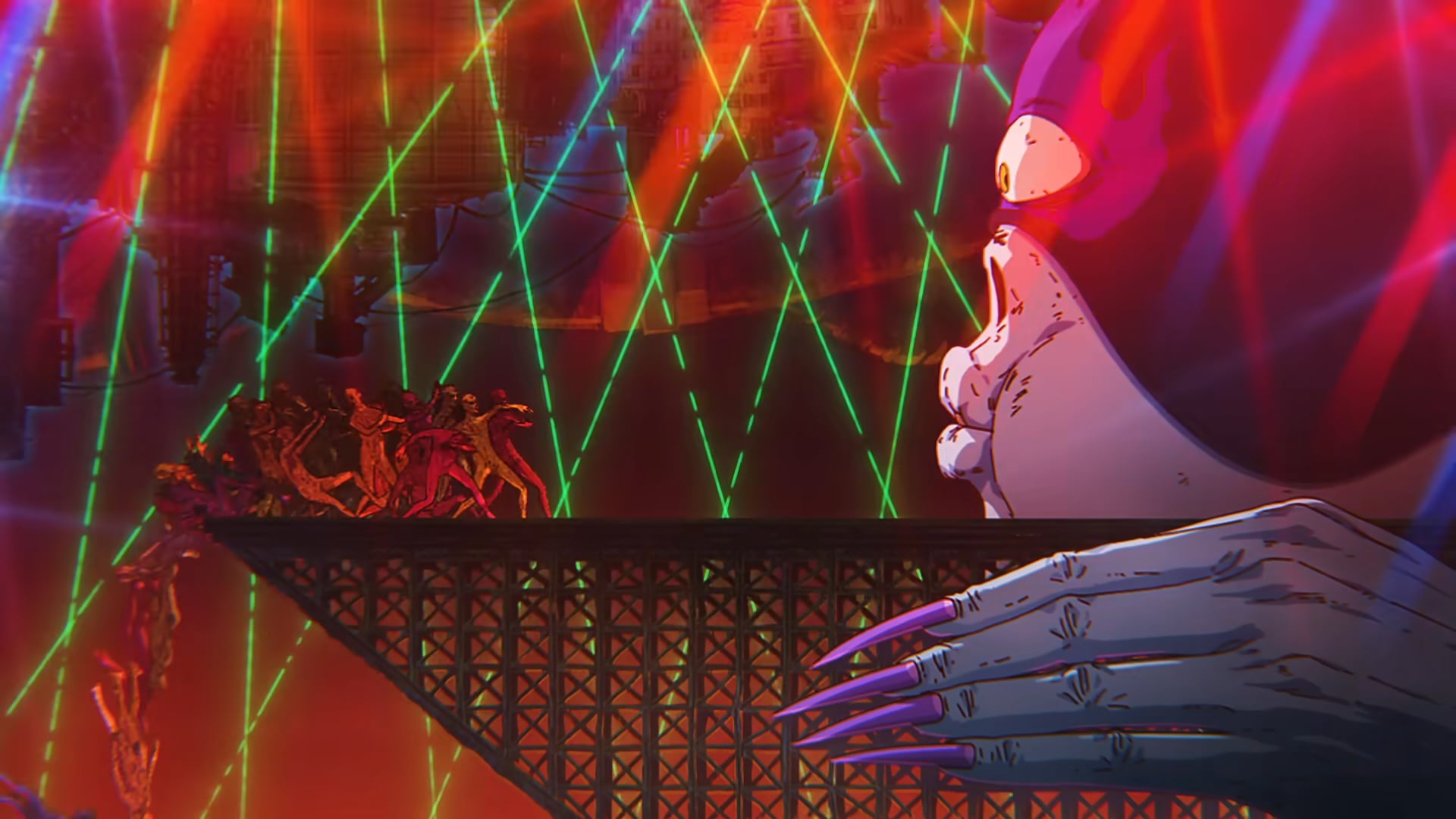
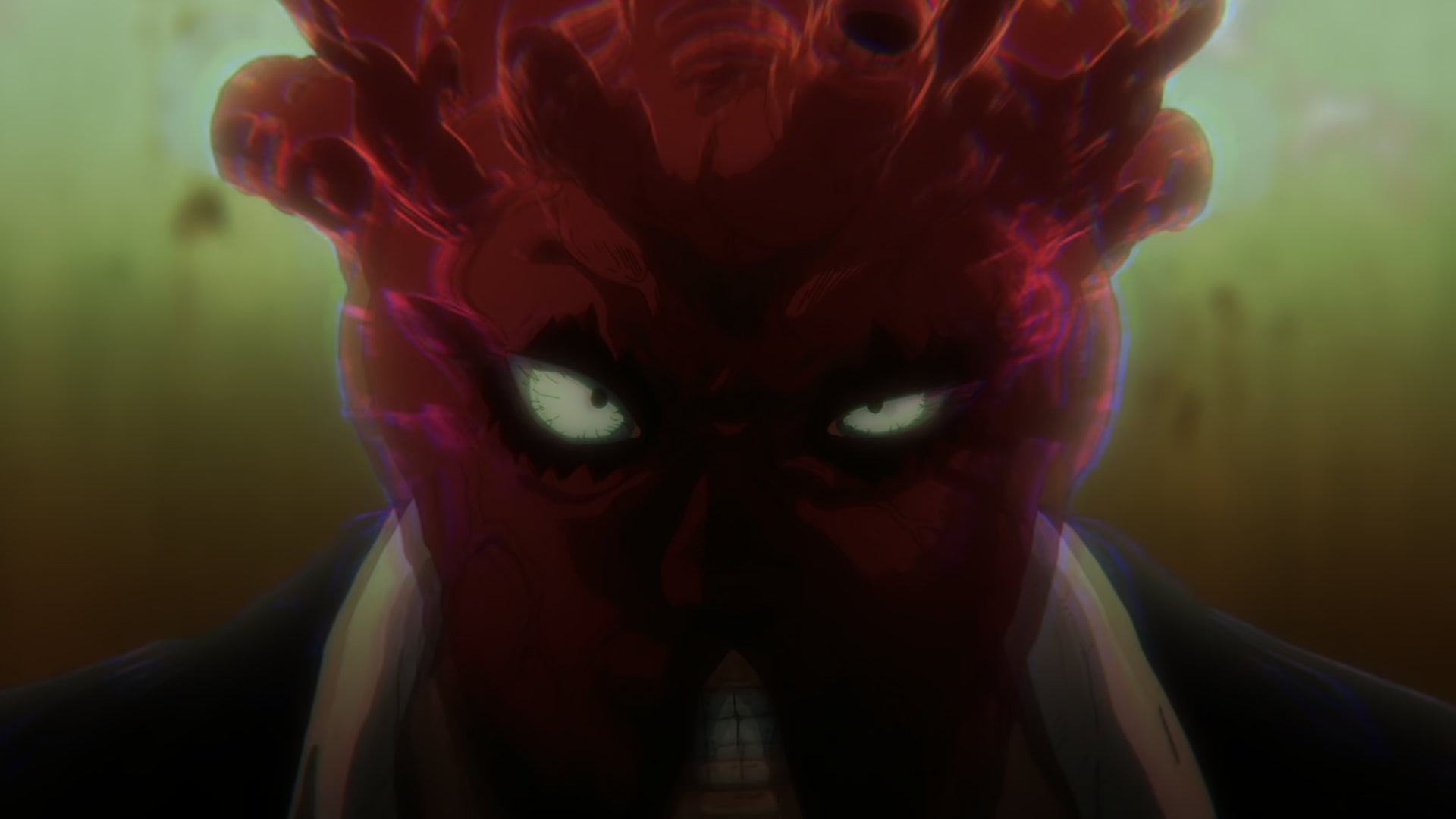
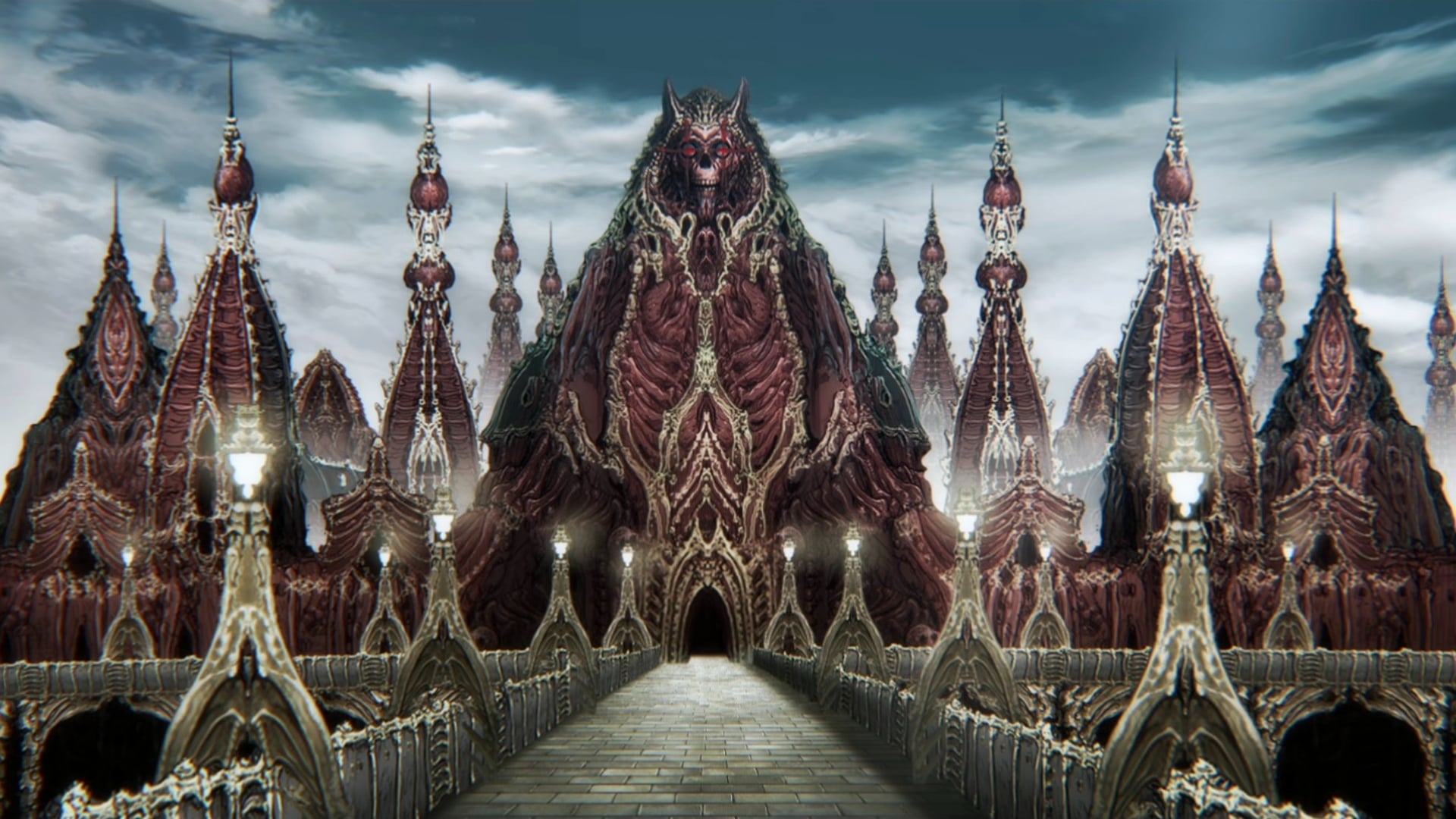
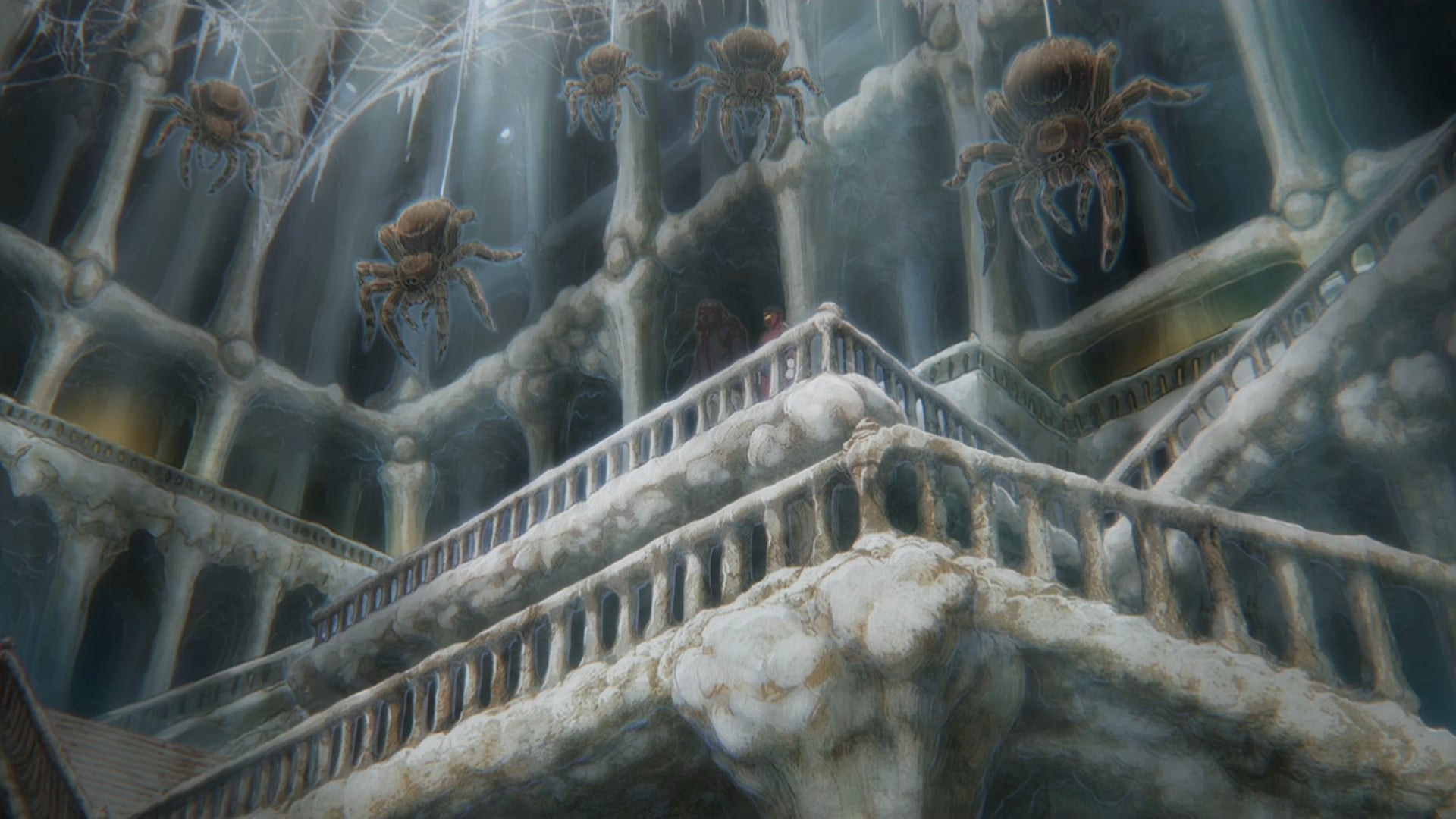
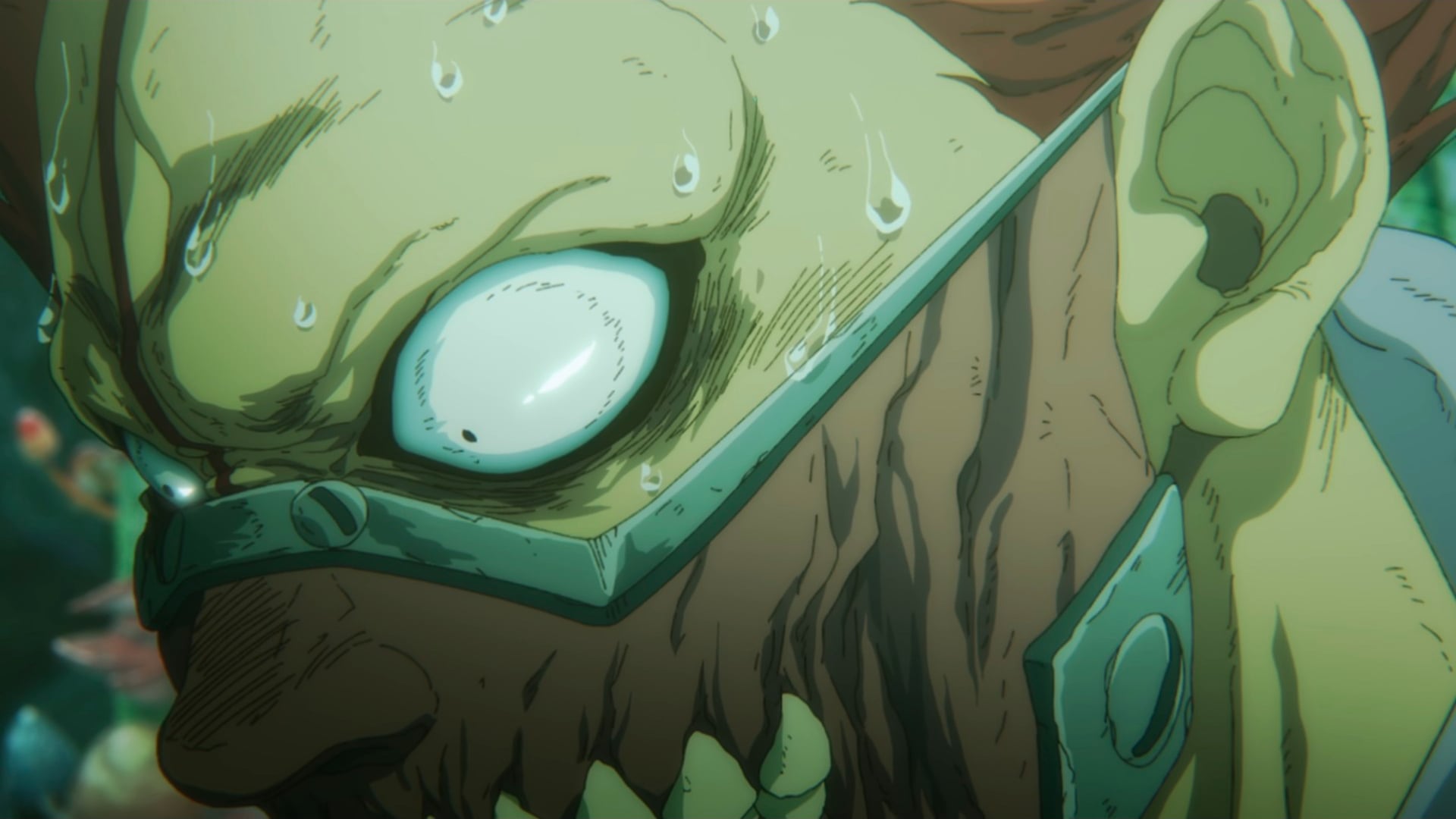
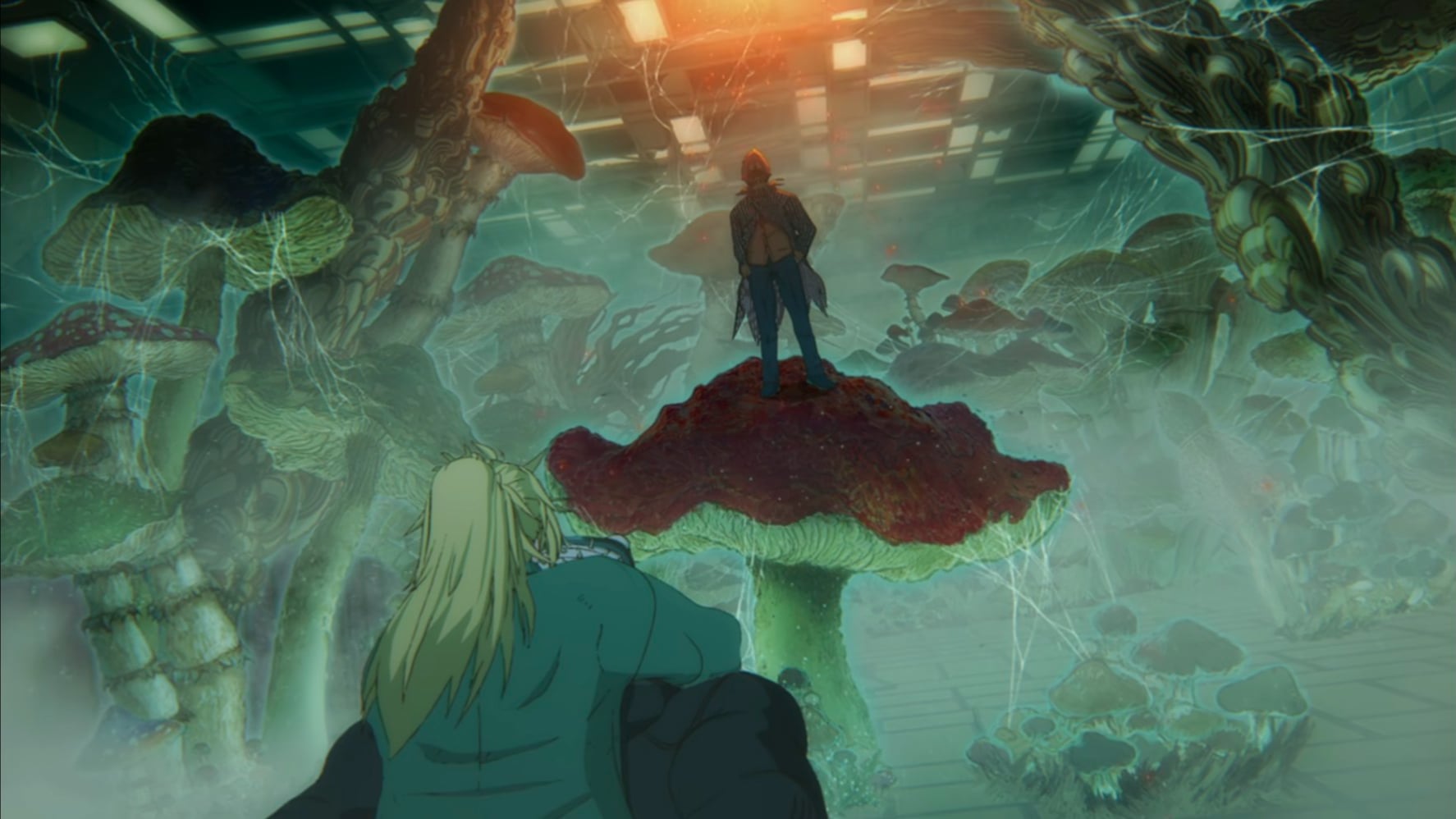
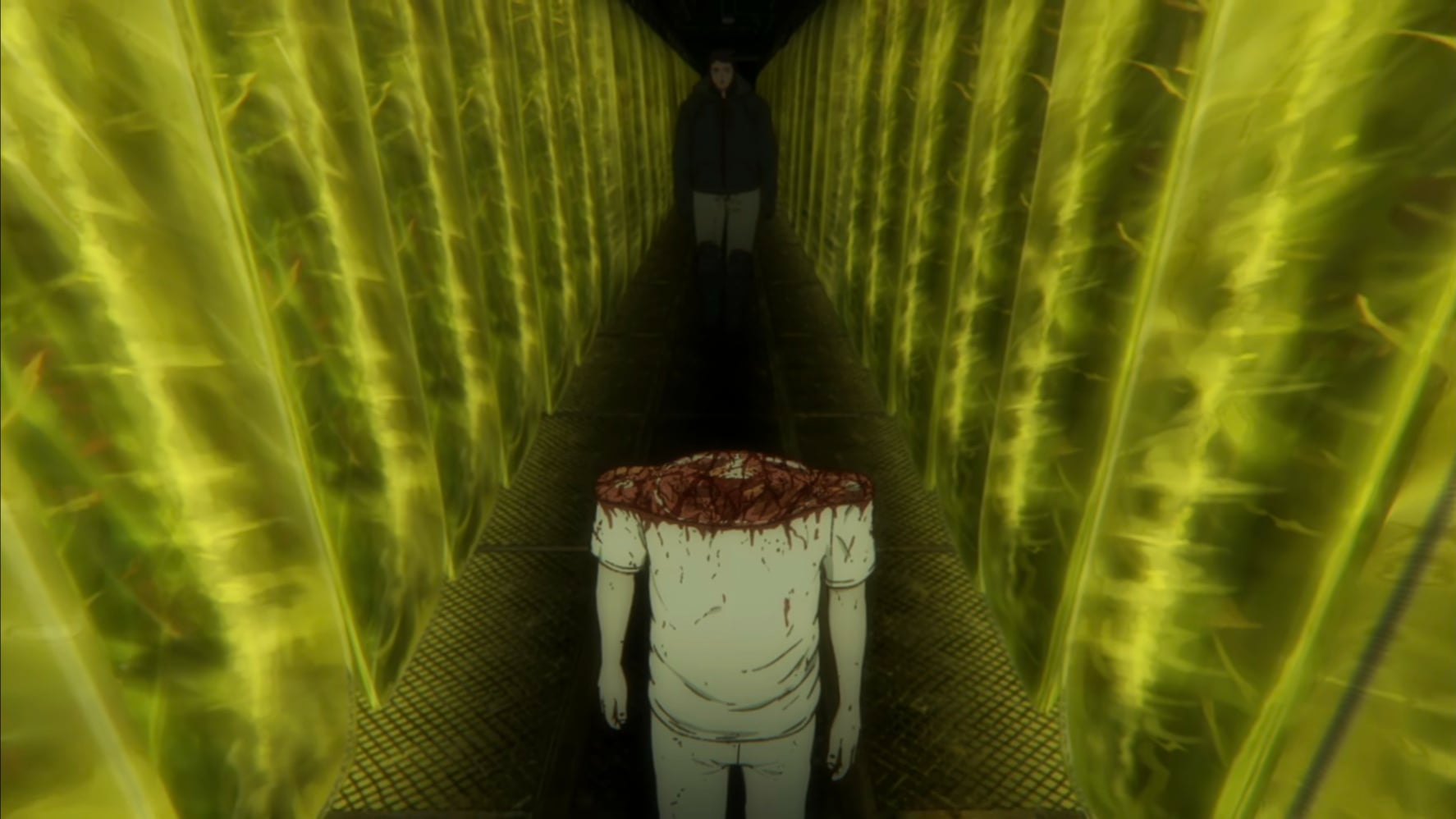
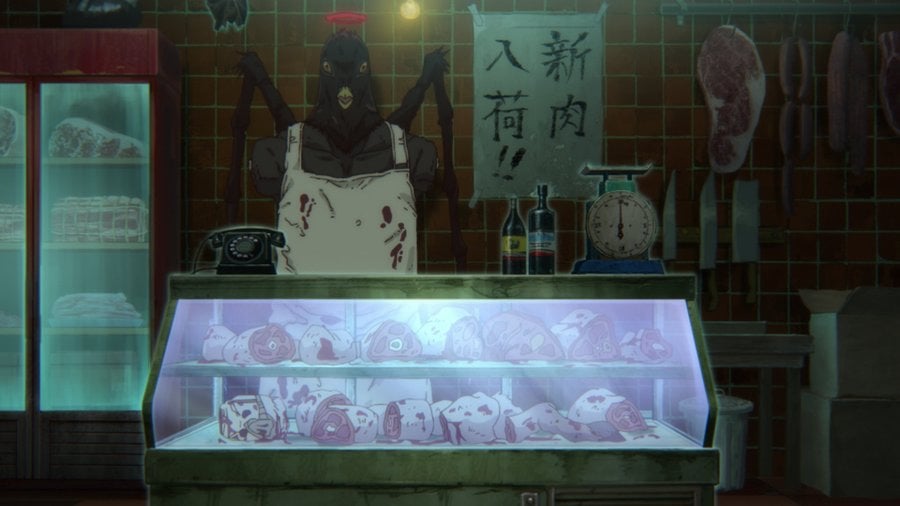
One of the most striking qualities of Dorohedoro‘s second season is how much the show’s animation has improved from its first season. Its blend of hand-drawn 2D animation and 3D character models becomes hard to distinguish. What’s easy to parse is how crisp and expressive its ensemble is compared with the previous season. Likewise, MAPPA holds nothing back when it comes to the carnage and violence of Dorohedoro season two—gore that at times exceeds even Hayashida’s own distinct artistry.
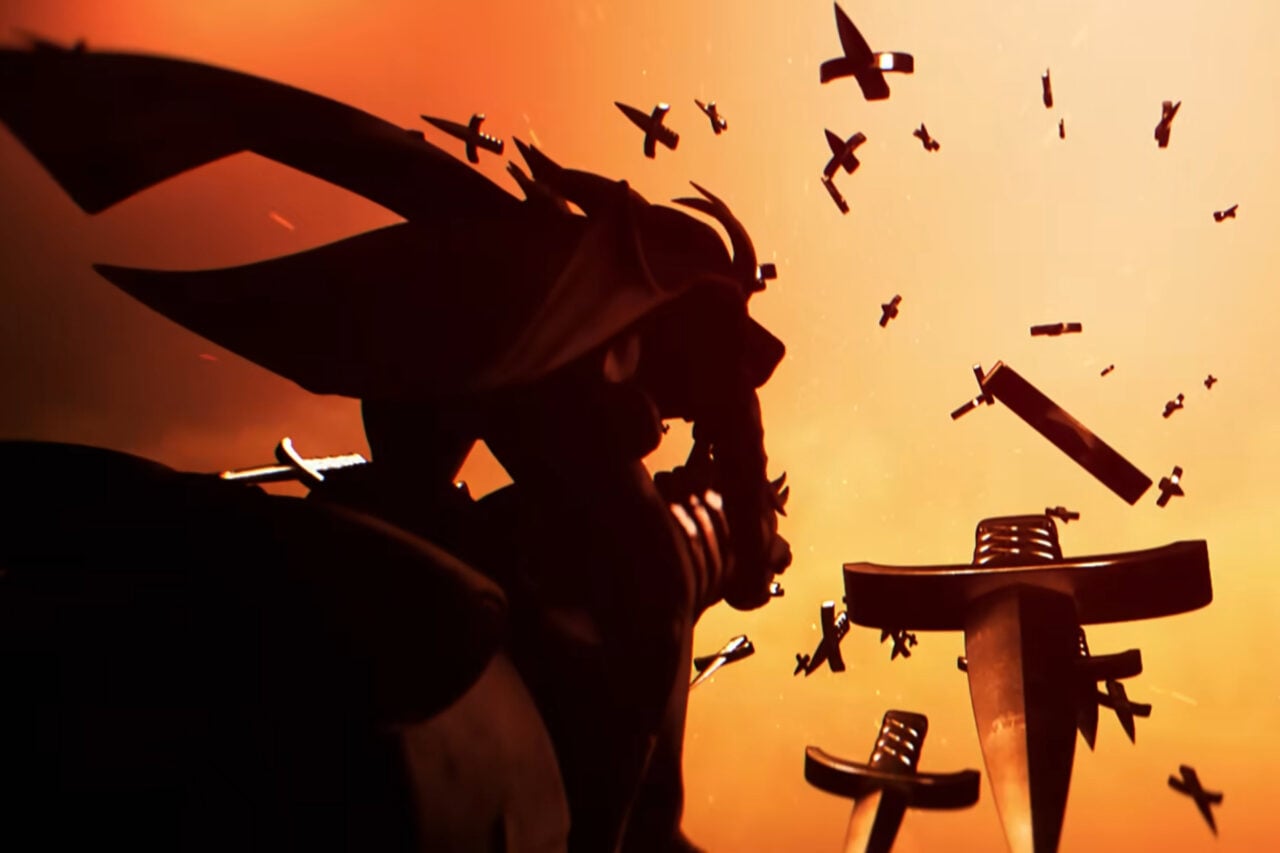
Director Yuichiro Hayashi is deep in his bag, delivering a cavalcade of unnerving psychological horror, blisteringly dynamic action sequences set in dense, lived-in backdrops, and some of the gnarliest glimpses of body horror in anime since the days of old. But what makes Dorohedoro so brilliant is its shots of towering atrocities draped in darkness and gruesome imagery, tinged with stark neon lights, and the show’s uncanny ability to snap from being this year’s most violent to one of its most hilarious, using the same visual tools for its horror to sell its physical and situational comedy.
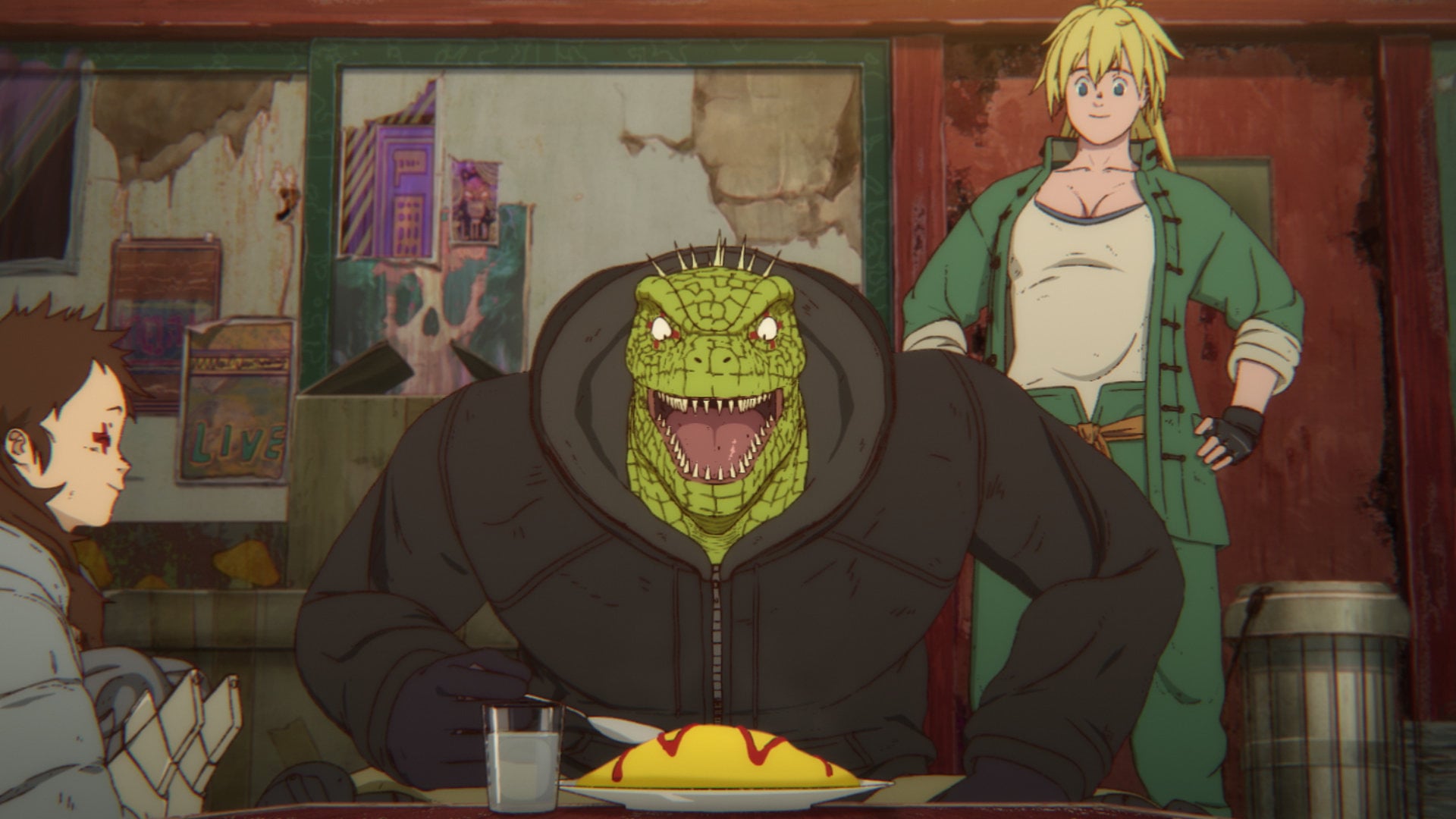
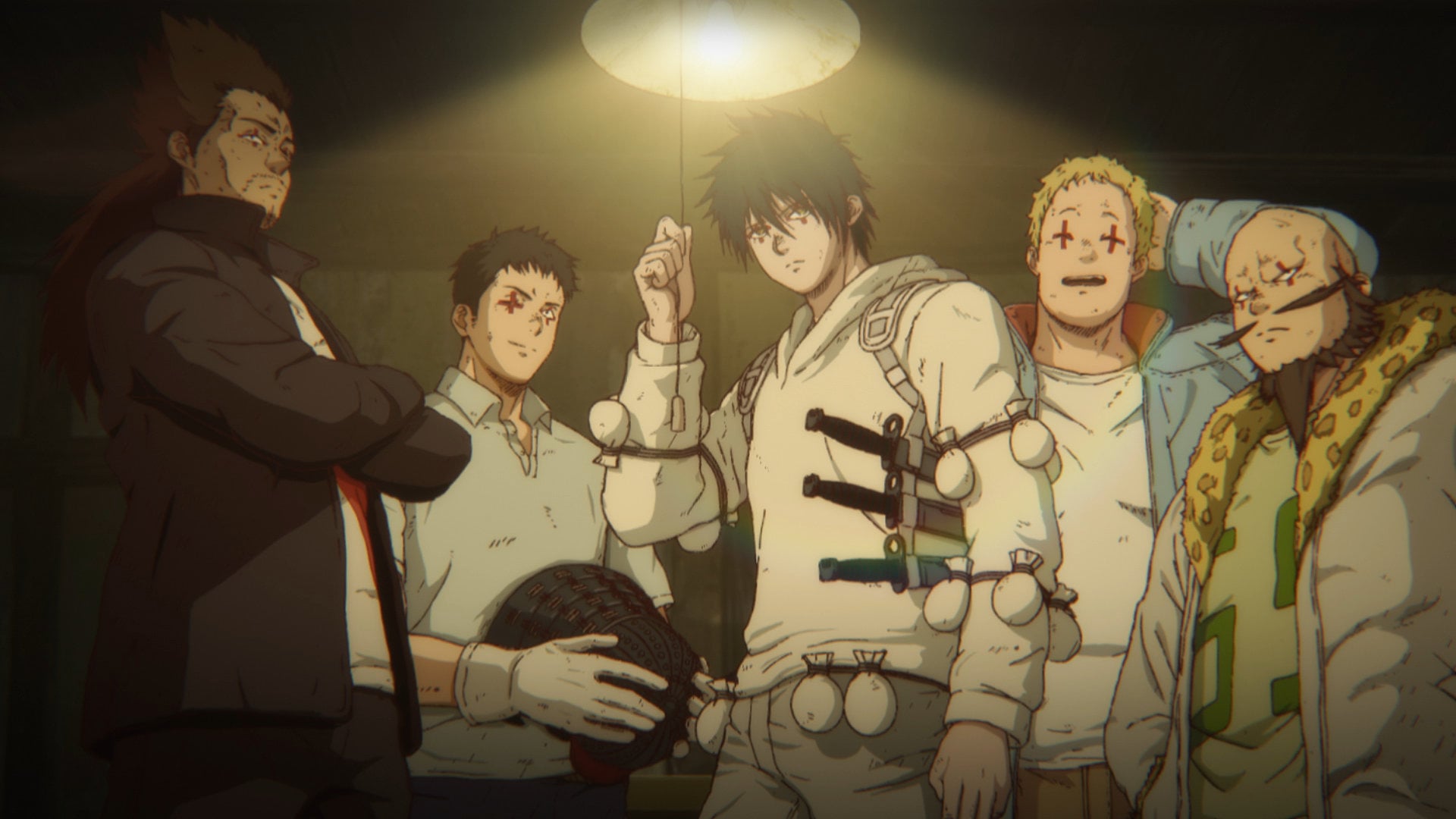
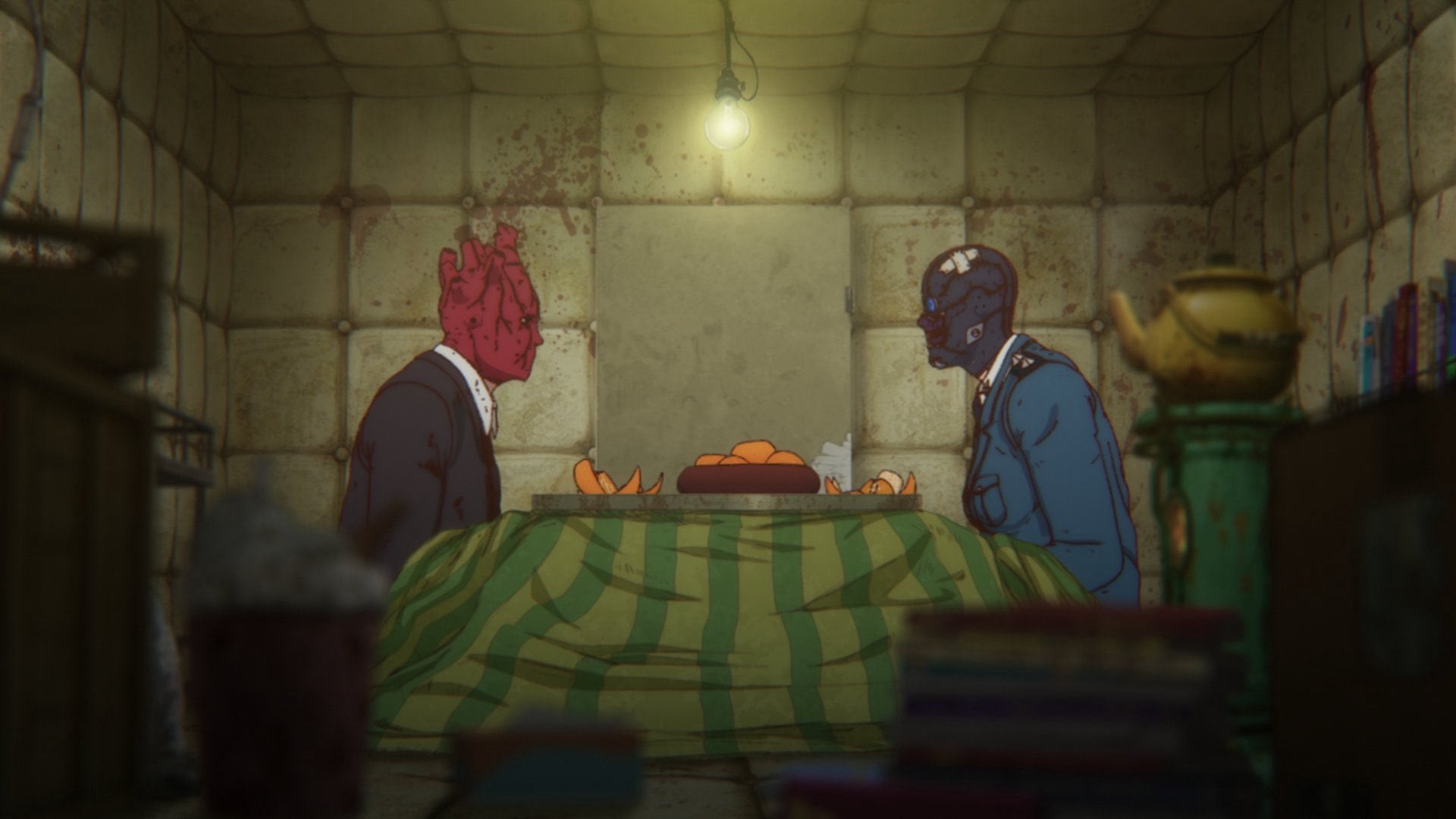
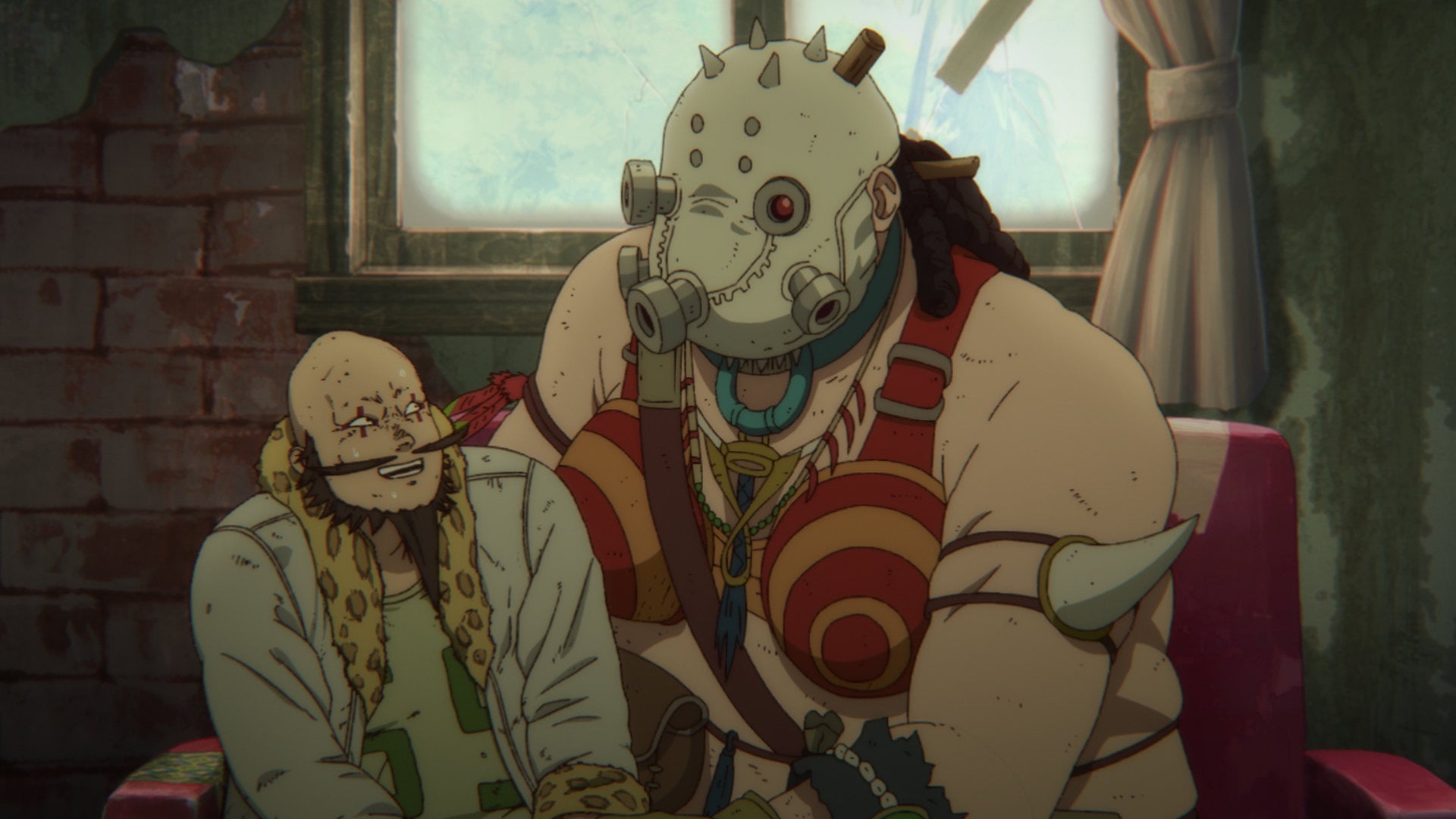
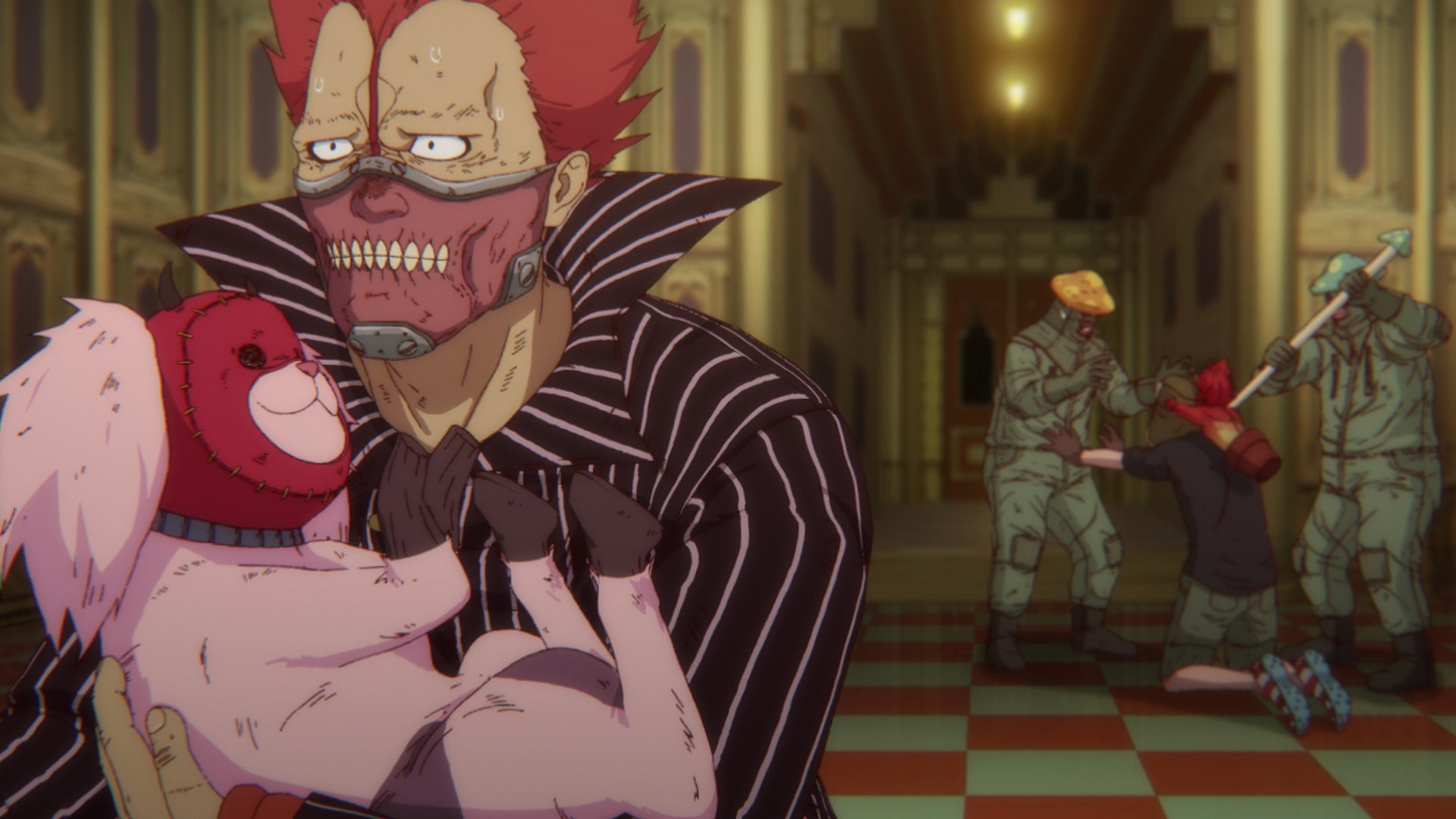
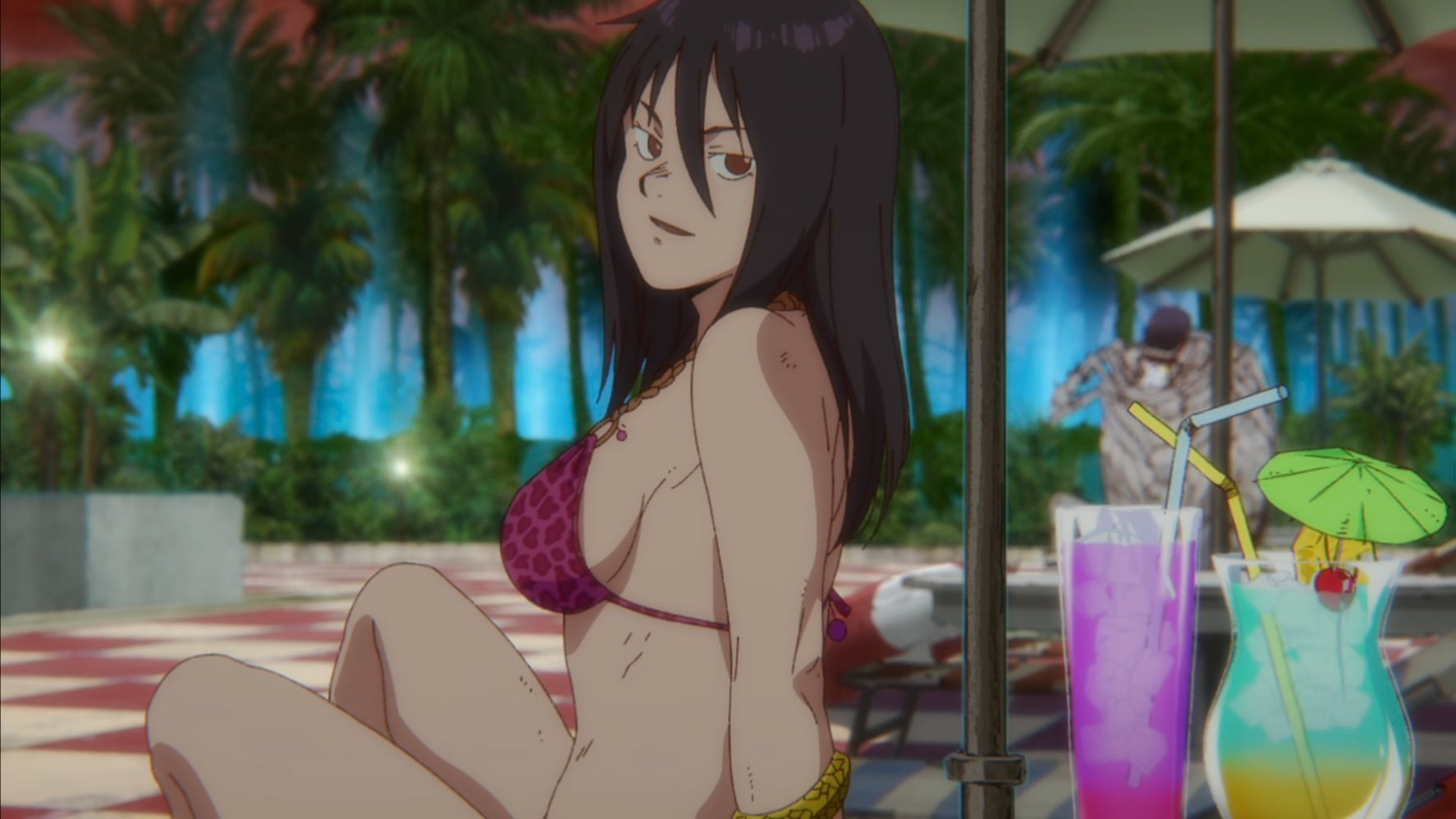
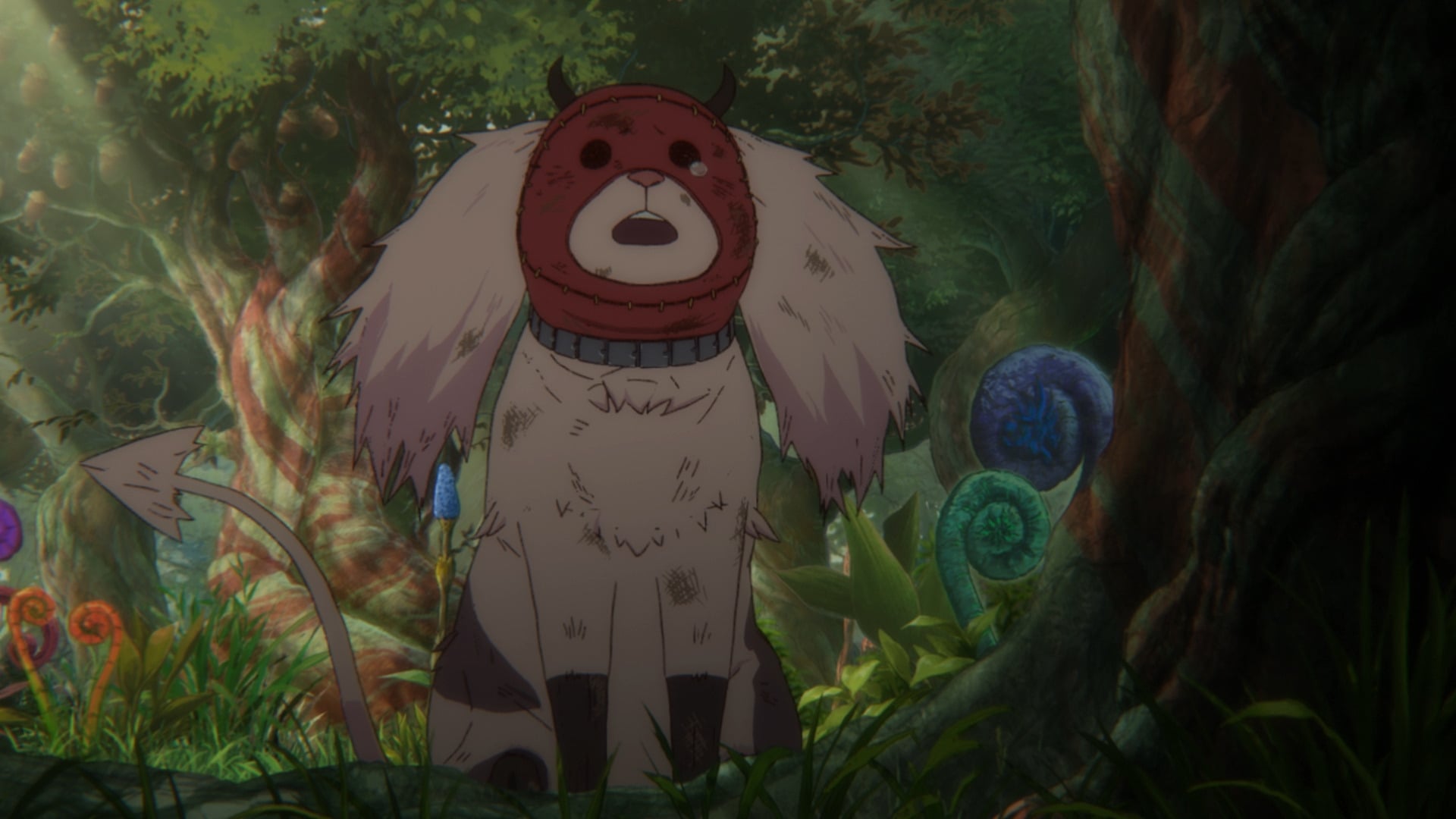
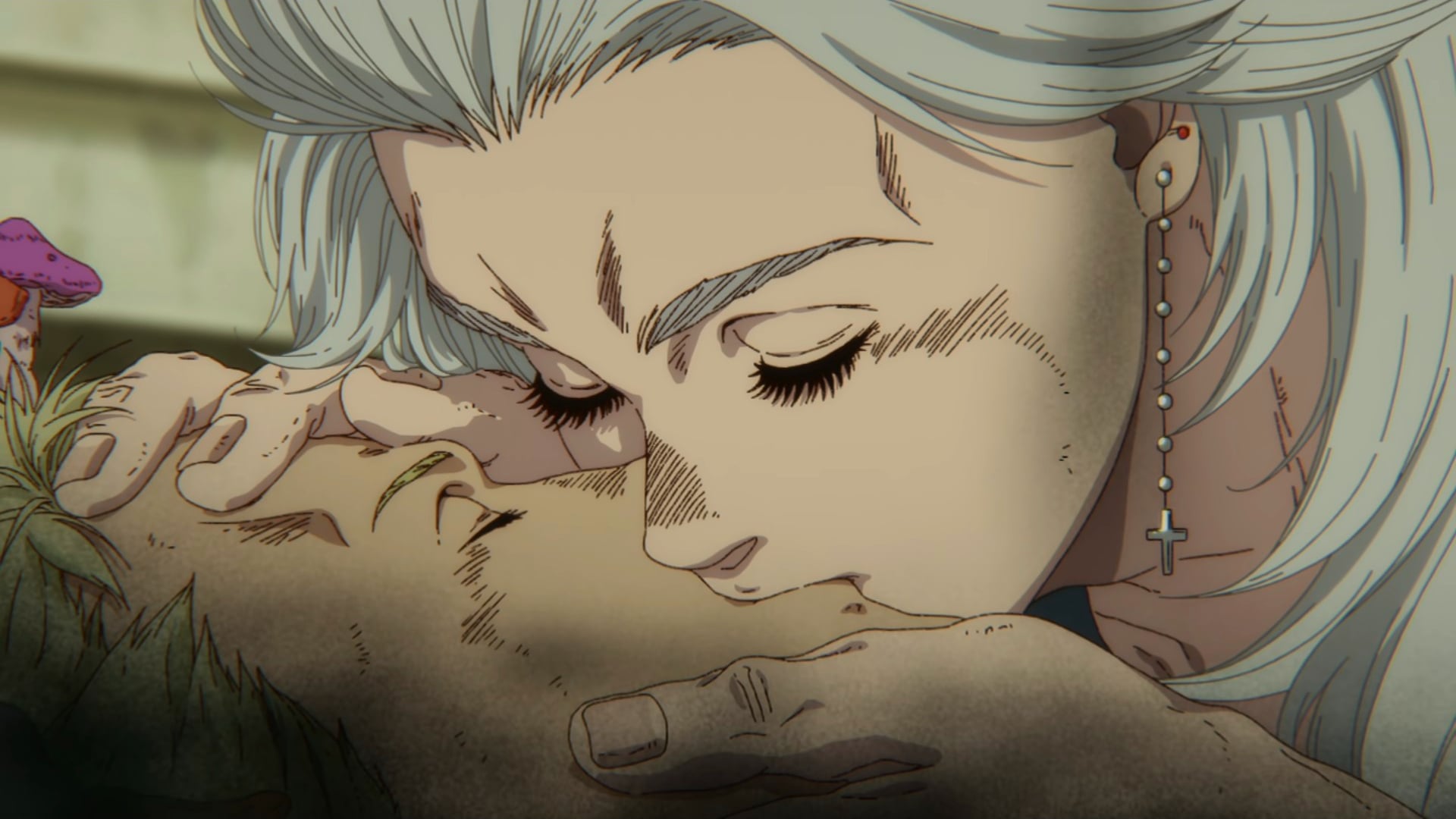
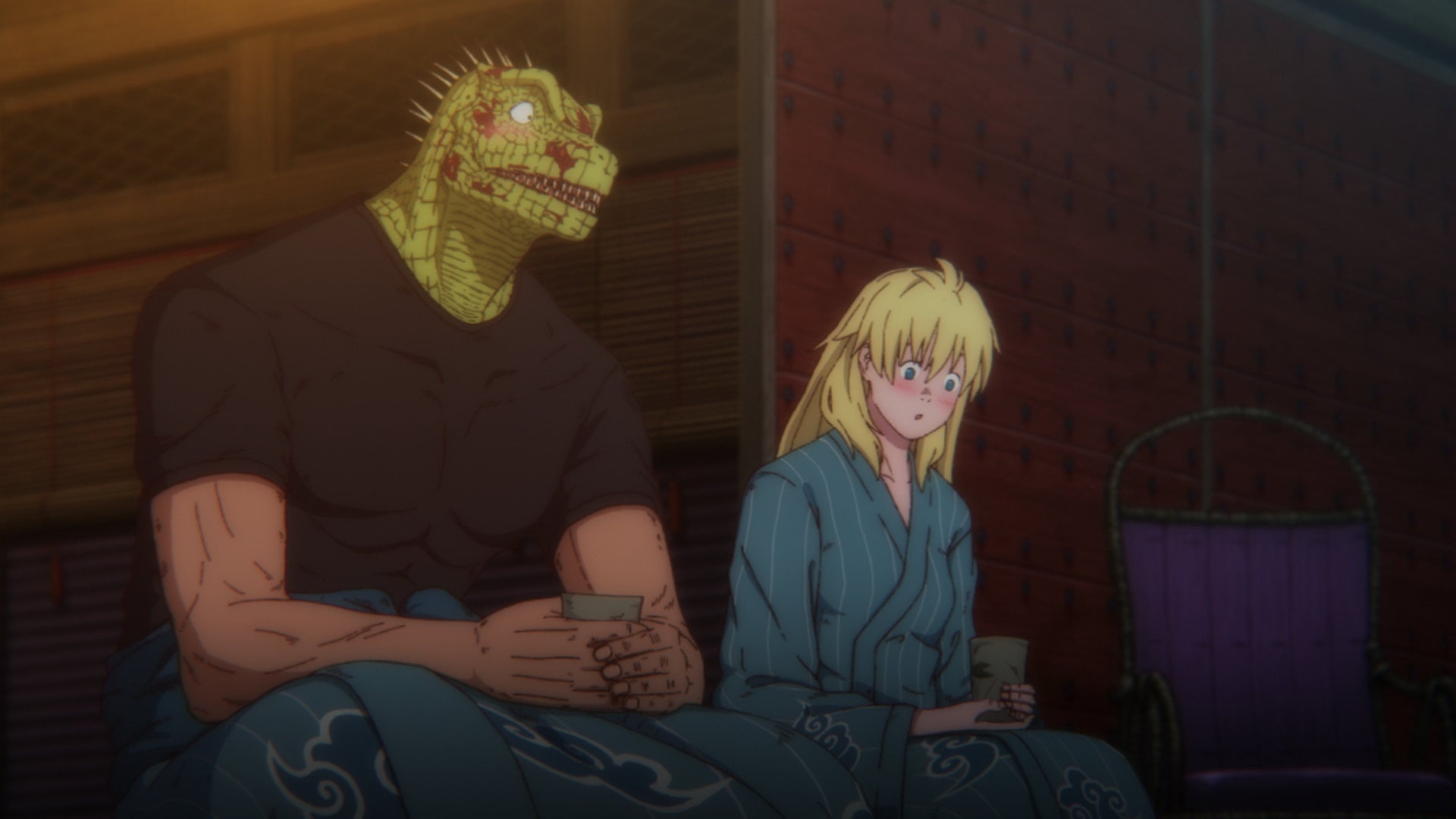
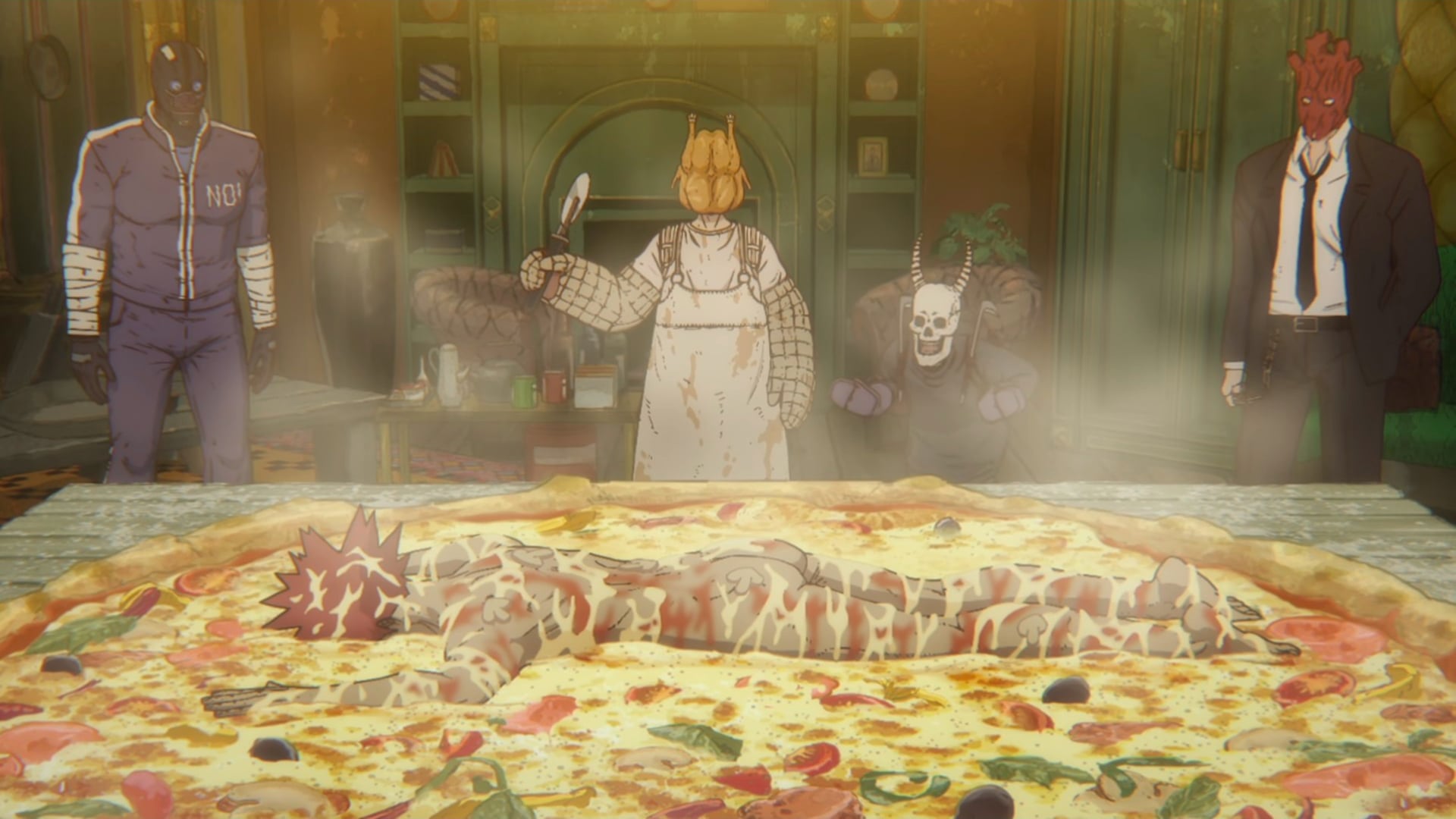
Dorohedoro is the only anime where you can witness a brutal beheading used as both a sight gag and a shocking reveal. And like its imagery, its cast contains multitudes, shifting from purveyors of violence to a bunch of bumble kings lampooning their way through life. And like in its previous season, you can’t help but root for each character who’s got their own maze to crawl out of. The entire cast is goofy as hell. Whenever they aren’t giving a second thought to unaliving their foes in the bloodiest way possible, they’re slumming it to earn toilet paper, chowing down on gyoza, or chilling at a strip club. But when their paths intersect, the initial rush of excitement to see how their dynamics will mesh is immediately replaced by a burst of fear at the real possibility of your favs from either warring camp eviscerating each other. And this time around, Dorohedoro has no qualms about killing its darlings.
Every moment spent watching Dorohedoro feels like an acid trip, oscillating between the funniest shit you’ve ever seen and the most gruesome showcase of ruthless aggression. The tried-and-true themes of the power of friendship and unspoken bonds that go deeper than romantic love serve as its connective tissue and the setup for the vertigo that’s soon to follow as things go from bad to worse for its ensemble. All the while, the show is scored wondrously by the returning band (K)NoW_NAME, whose eclectic sound continues to be a match made in heaven with MAPPA’s impeccable artistry.
Although much of Dorohedoro‘s unfolding mystery remains lost in chaos, that doesn’t keep MAPPA’s second season from being any less deserving of the distinction of being the apotheosis of horror and comedy, and an easy frontrunner for anime of the year.
Dorohedoro season two is streaming on Crunchyroll and Netflix, and season three is in production.
Want more io9 news? Check out the best movies and TV shows to stream this month and all the upcoming sci-fi, fantasy, and horror books that should be on your radar.