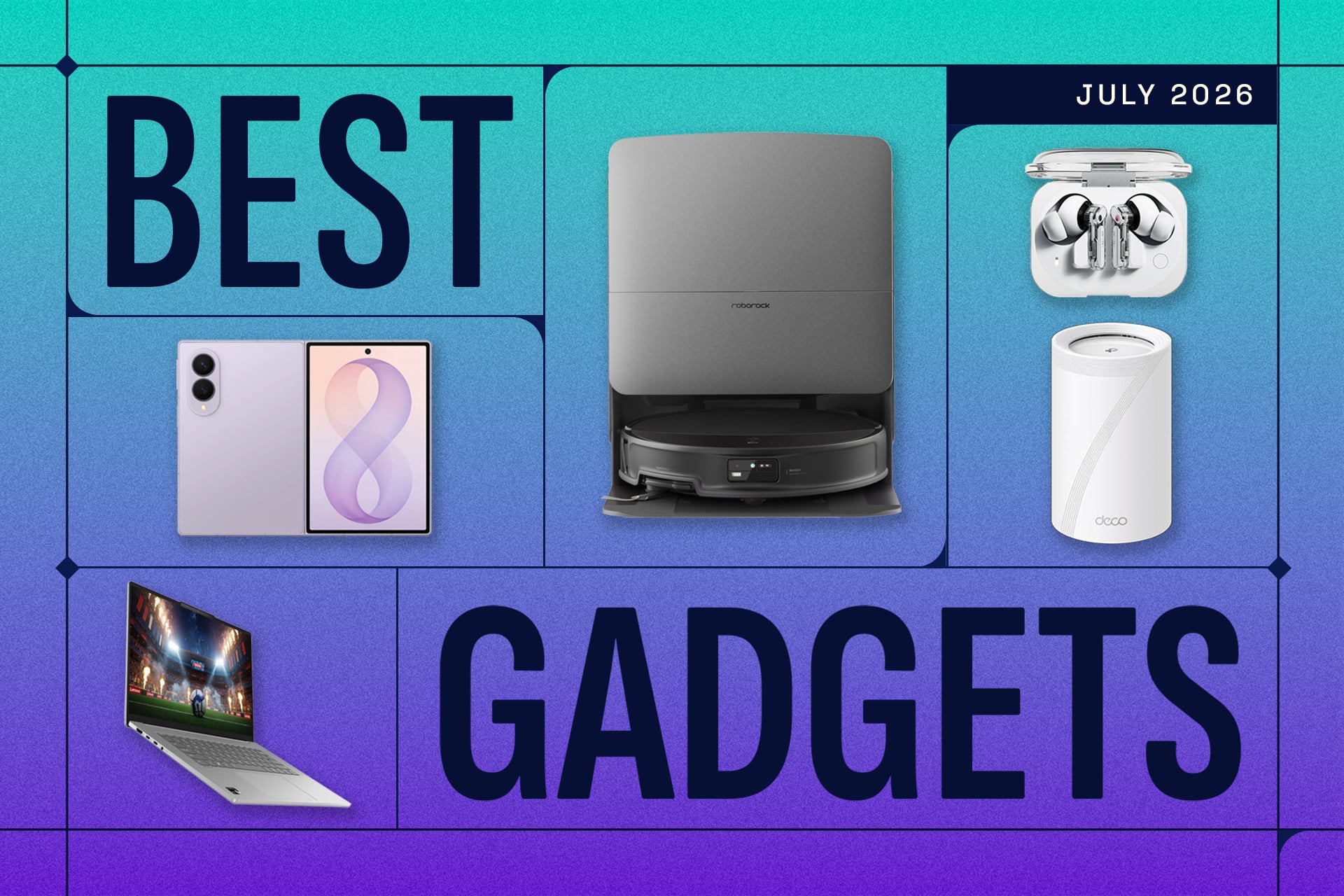
The Gizmodo consumer tech team tried out so many incredible gadgets this month that narrowing down this list took some real deftness. We finally got our hands on a quality laptop that somehow manages to be just $900 despite RAMageddon and a gaming laptop that’s truly portable. That’s not to even mention the robovac with main character energy.
The month’s product announcements were overwhelming, too, especially given how many exciting phones came out of Samsung’s Unpacked event in London (we covered every second of it here, by the way.) We also got a first look at a premium dumbphone option and a tiny e-reader that could change how the industry thinks about E Ink devices.
With prices of pretty much every gadget on the rise, we made sure to find the ones that are actually worth the cash. Check them out below.
Oura Ring 5
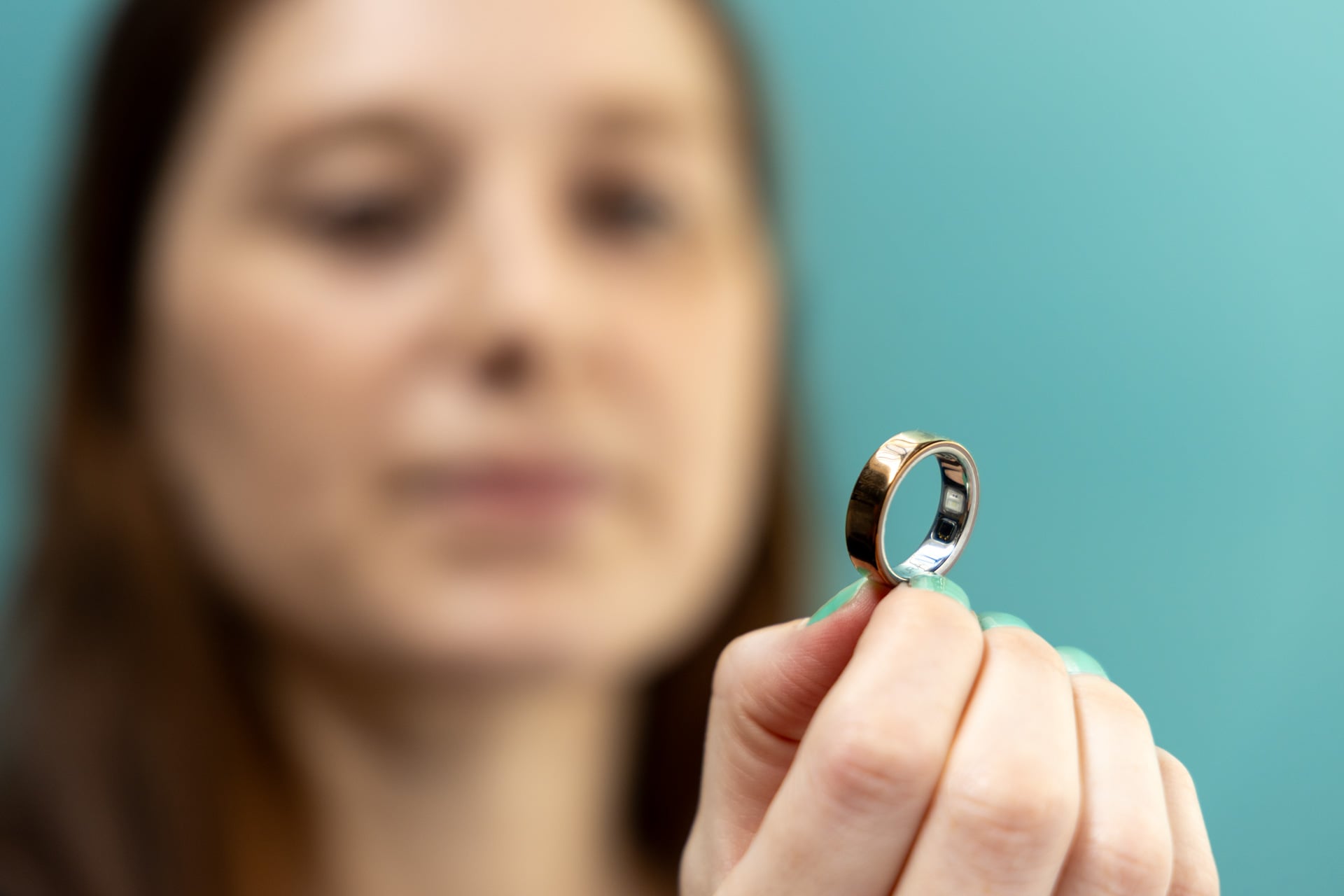
Smart rings, once seen as somewhat gimmicky, are now packed with enough features to make them worth actually checking out. The Oura Ring 5 is a premium smart device by any measure, and reviewer Claire Maldarelli says it’s the best smart ring on the market—full stop. Oura shrank its latest ring by 40% over the last model, so it’s finally small enough to actually forget you’re wearing it. You’ll only need to recharge it every 6 to 9 days, and it has plenty of new features like a blood pressure monitor. The wearable comfort is the big win here.
Dell XPS 13 (2026)
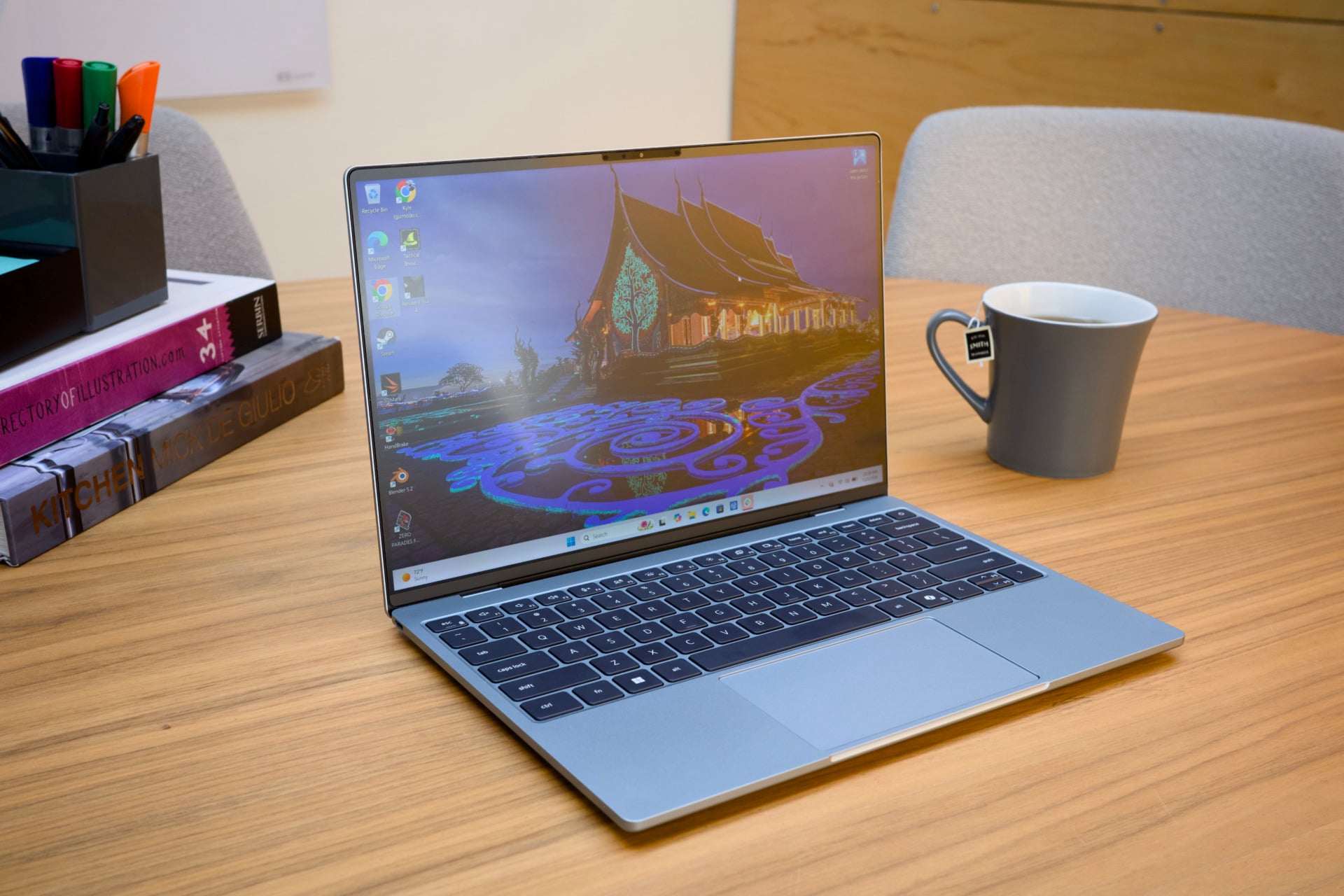
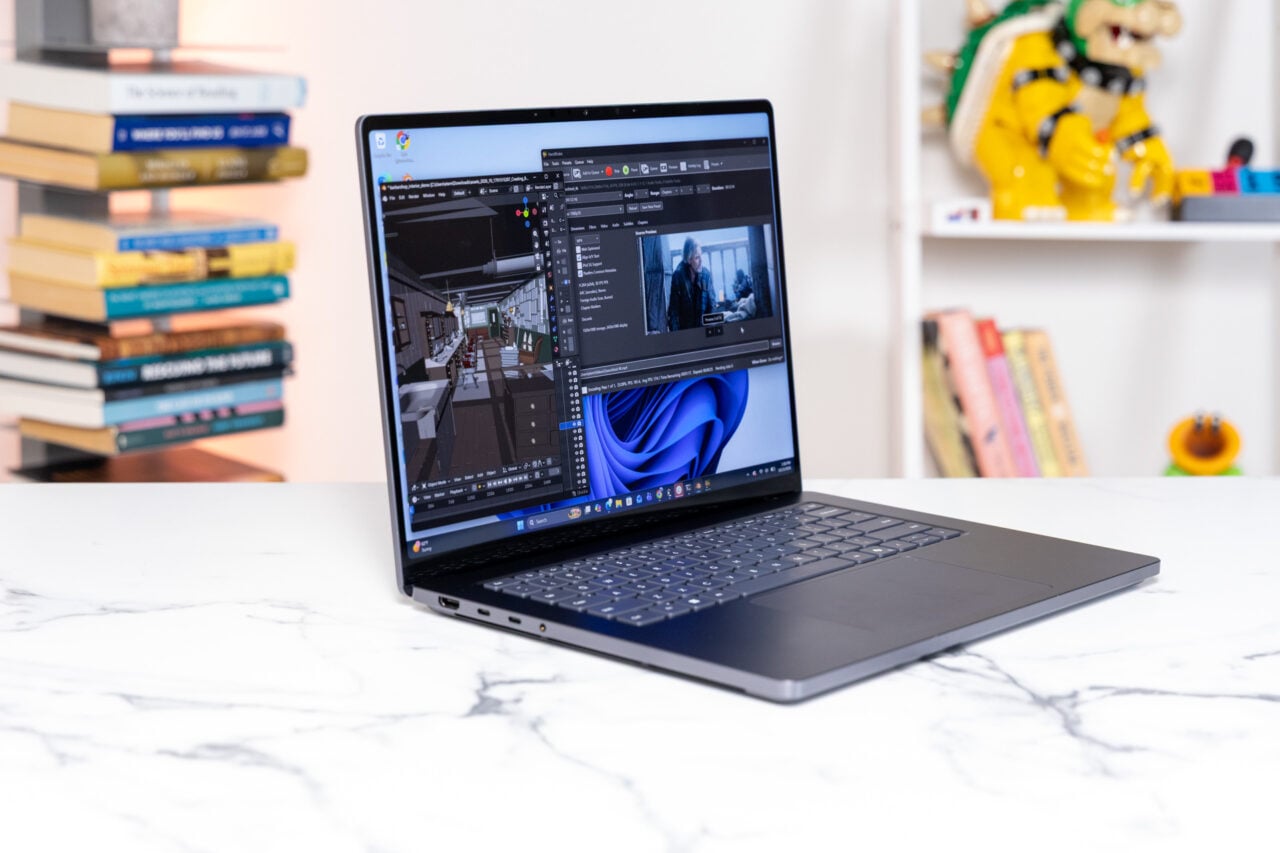
Laptops are only going to keep getting more expensive, but Dell’s managed the near-impossible here by creating an incredibly usable laptop that still stays under $1,000. While a bit more expensive than the comparable MacBook Neo, reviewer Kyle Barr came away from his testing impressed Dell was able to keep its new laptop somewhat affordable without it feeling like “plastic crap.” What the new XPS 13 lacks in graphics performance and trackpad feel it makes up for with its full aluminum construction, great keyboard, and speakers that pack a punch.
Light Flip
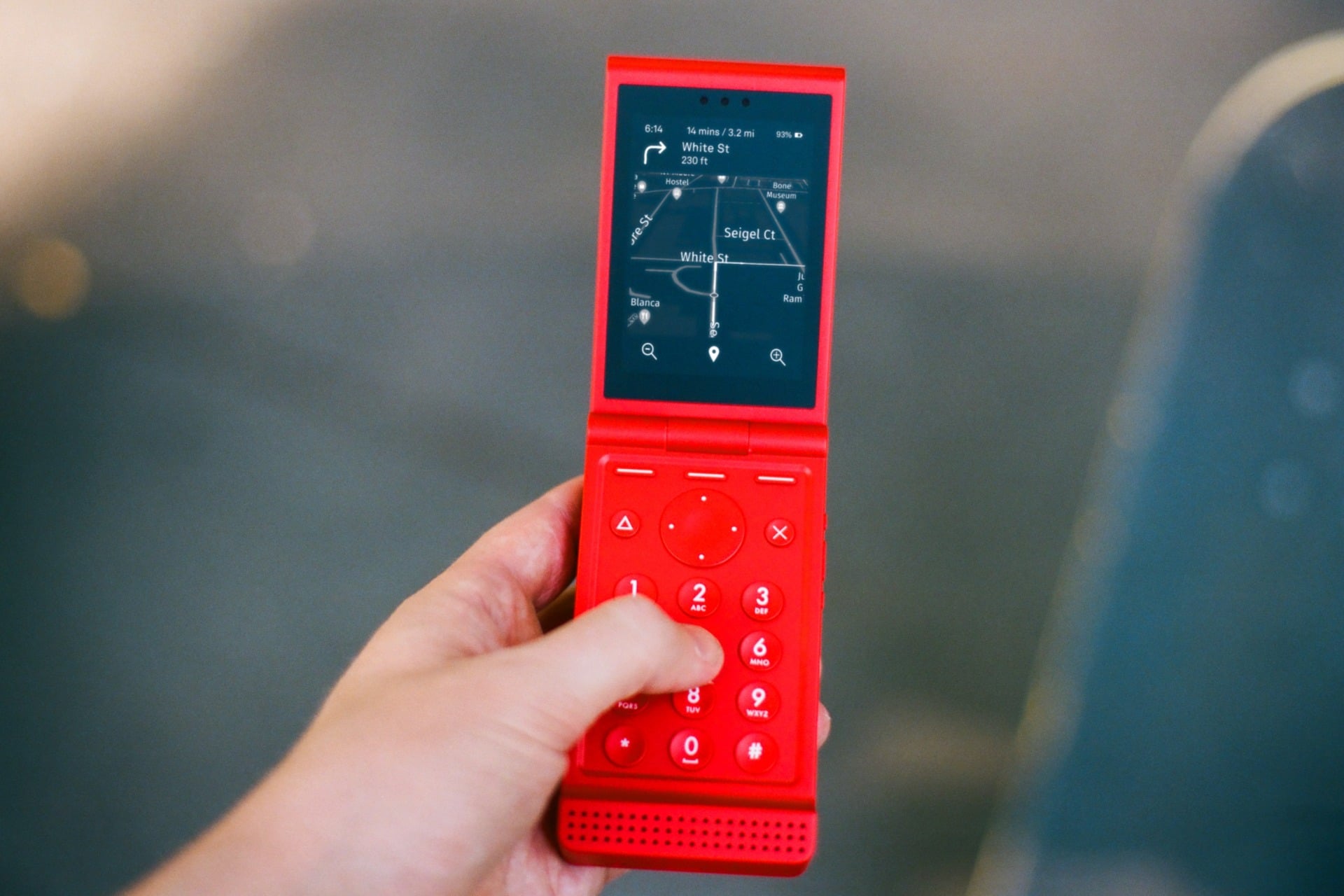
With digital minimalism on the rise, an increasing number of consumers are turning to “dumbphones” to keep their screen time to a minimum. Light has been a leader in this market, and its new Flip is an exciting evolution of what it’s already released. It’s a clamshell flip phone running a stripped-down version of Android with no touchscreen—it’s got a classic D-pad and dial pad instead. Still, it manages to keep a few modern conveniences like USB-C charging, a headphone jack, and SIM support. Did I mention it’s also highly repairable?
Roborock Saros 20
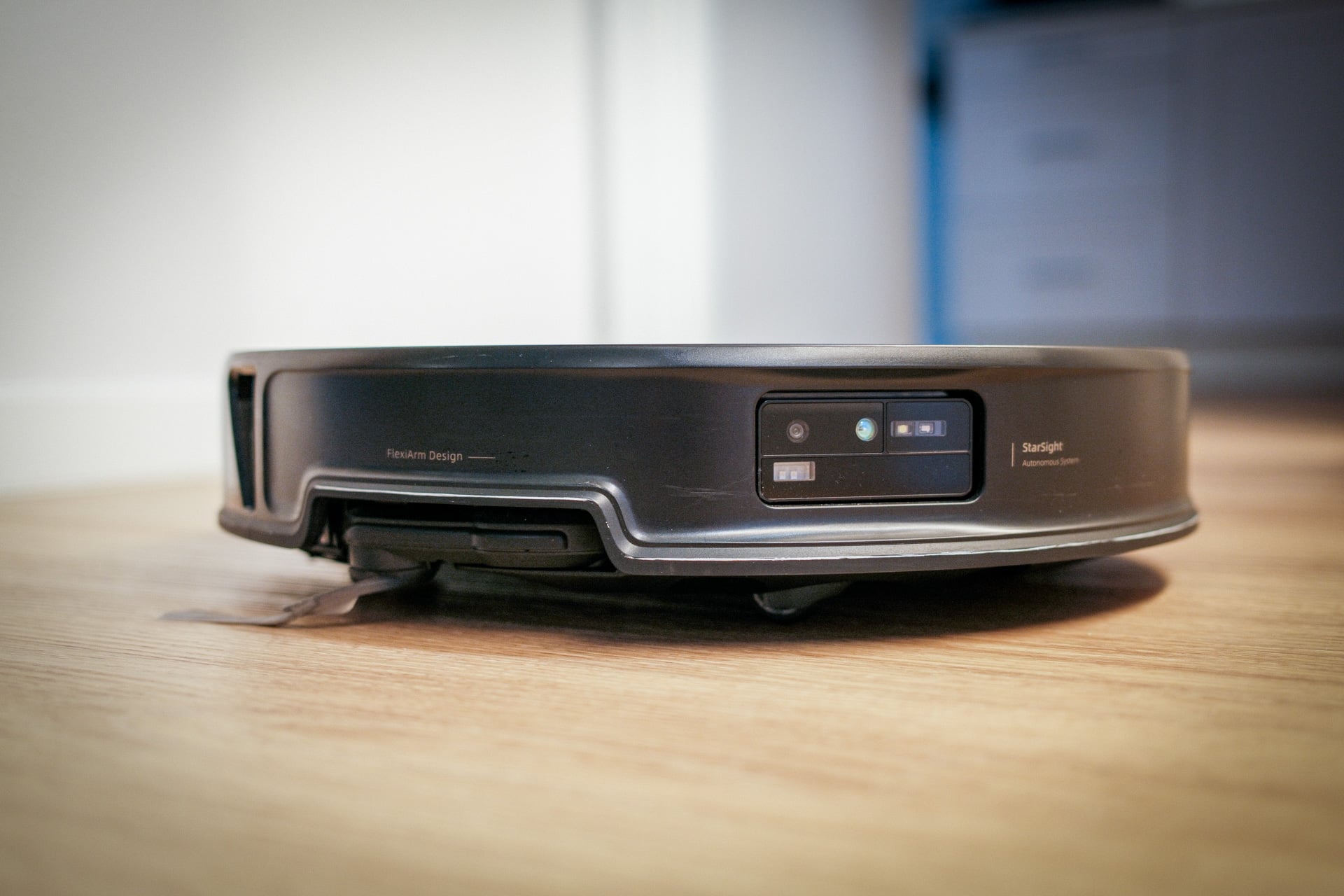
Robot vacuums are a dime a dozen these days, with so many options on the market it can be difficult to find any that stand out from the crowd. Roborock’s Saros 20 does just that; reviewer Brent Rose says it’s the best robovac he’s tested. The Saros 20 has serious suction, genuinely useful object navigation, and edge-to-edge mopping that’s truly edge-to-edge. Details like boiling-temp water for pad cleaning and a chassis that can actually help the robot navigate over obstacles make it one of the least frustrating robot vacuums available today.
Razer Blade 16
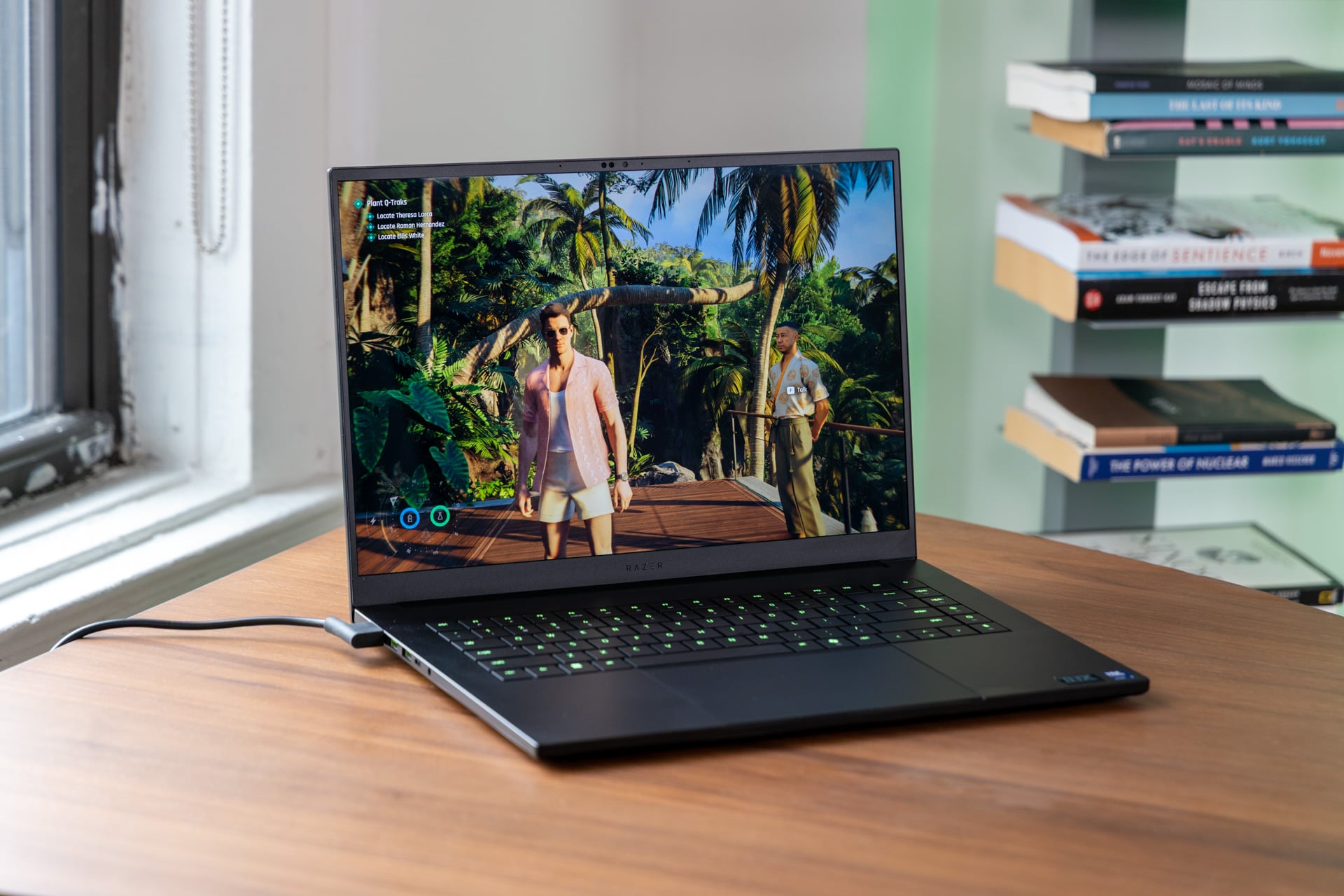
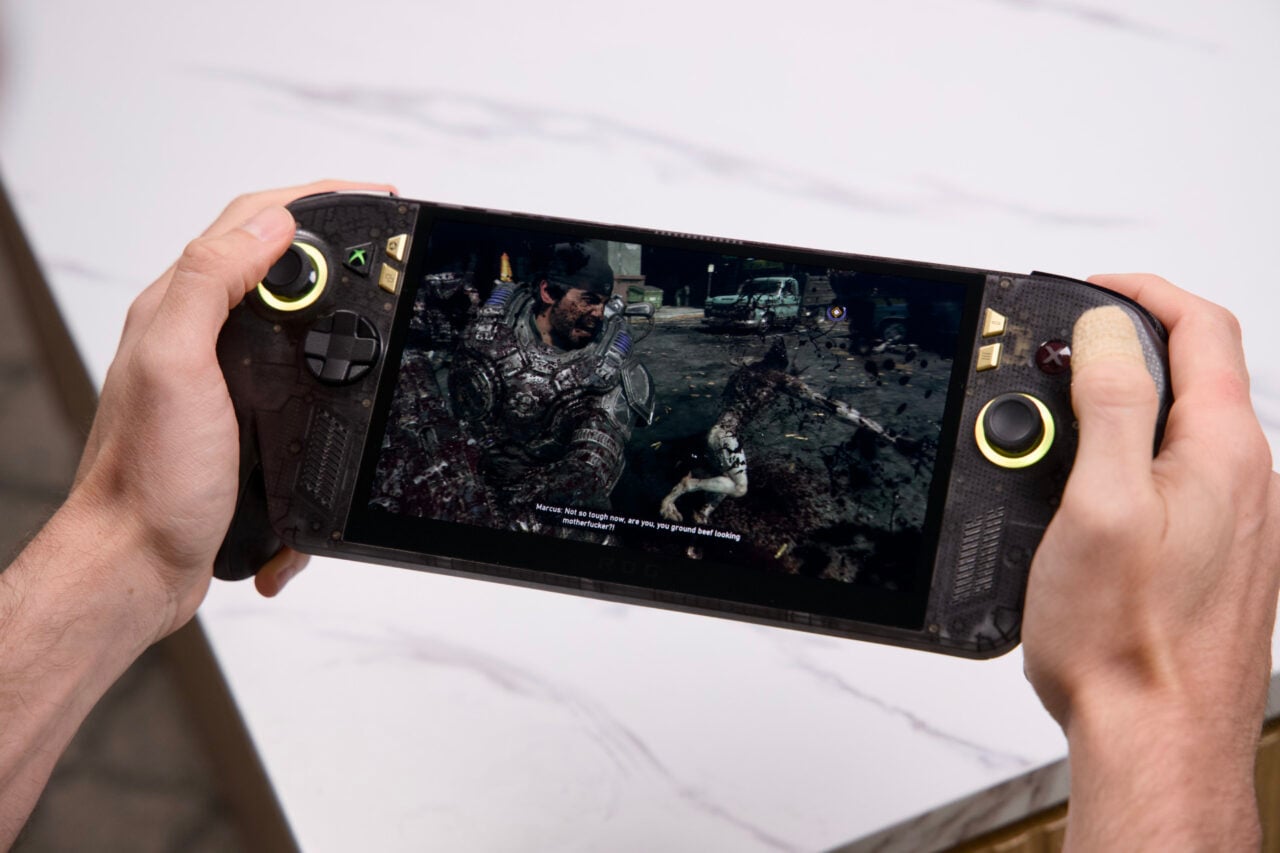
Gaming on a laptop can be tricky, given how they have to balance graphical performance with battery life and portability. Razer has managed to juggle all of this on the Blade 16, which reviewer Kyle Barr found lasted him nearly an entire workday. The Blade 16 has a slim chassis that makes it actually possible to cart around with you for gaming on the go, unlike many gaming laptops on the market. Its graphical performance rivals other, more premium gaming laptops, and its 240Hz OLED panel is vivid and sharp. It’s pricey, sure, but worth the price if what you’re looking for is a solid portable gaming experience.
Nothing Ear 3A
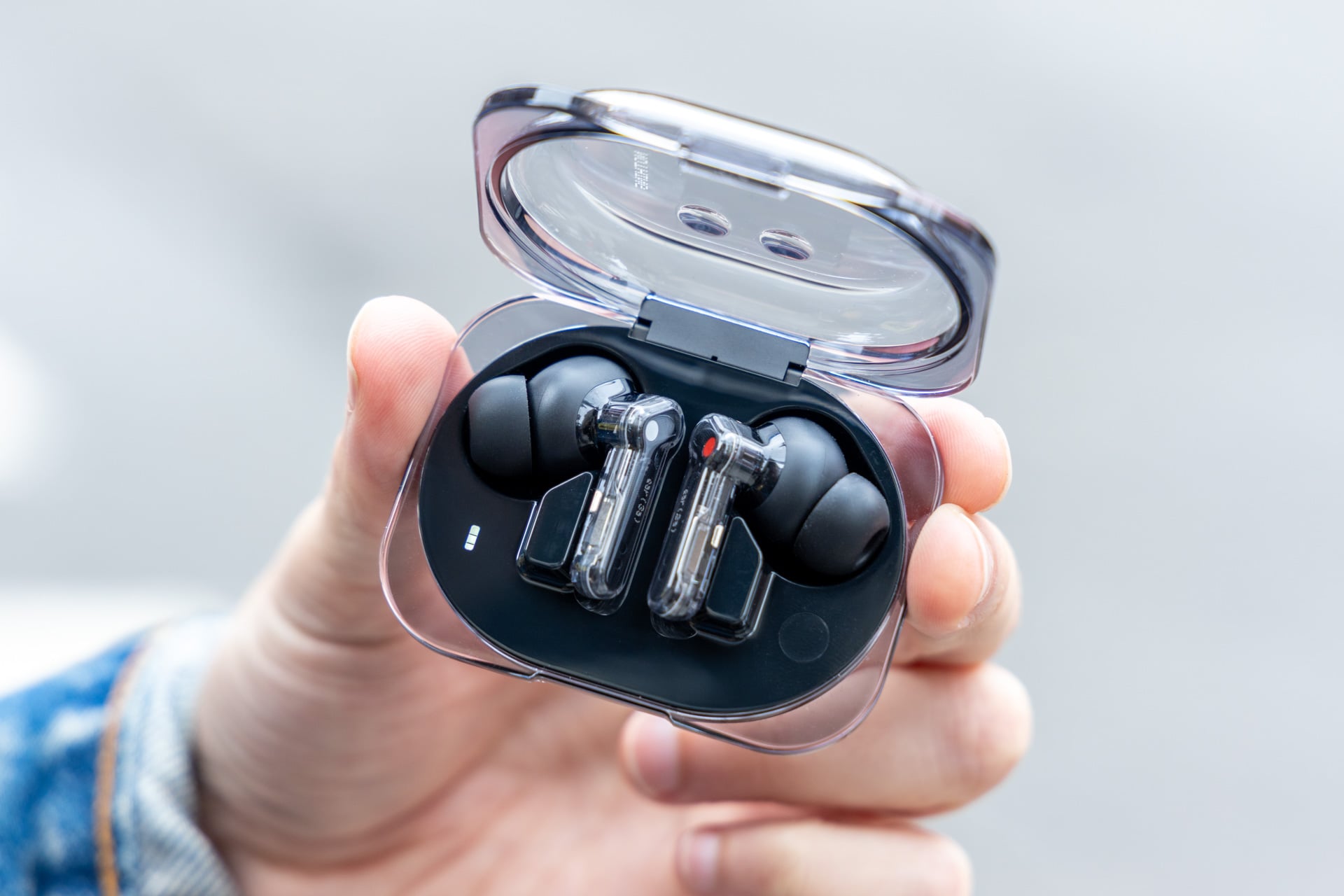
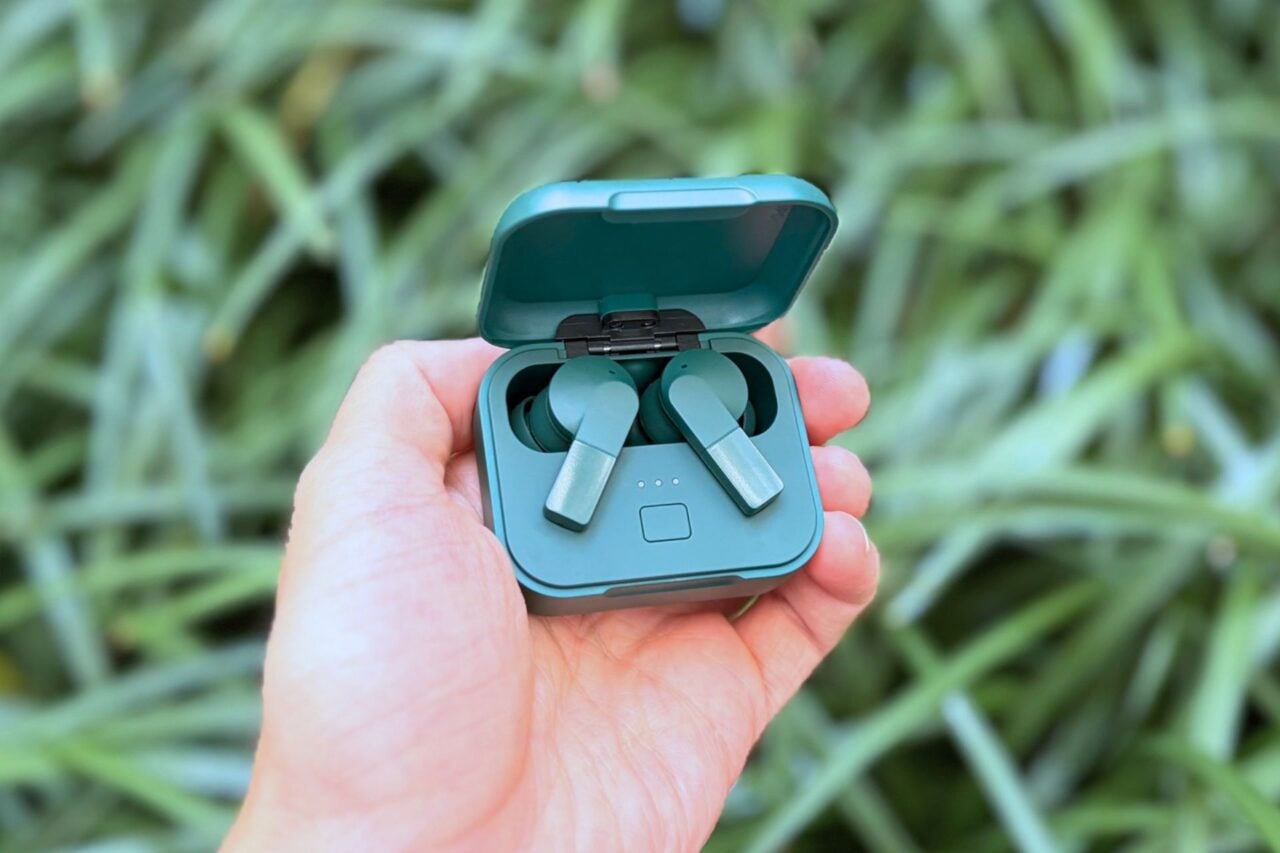
Nothing’s latest pair of budget wireless earbuds is so good you can actually skip the flagship. That’s what reviewer James Pero found in his testing: the Ear 3a sound just as good as the more expensive Ear 3, thanks in no small part to an upgraded driver that adds better bass. The Ear 3a come with some unique features, too, like Audio Snapshot (to record snippets of music you’re currently listening to) and call recording. The ANC is just fine, but it’s worth dealing with that for the $99 price tag.
TP-Link Deco BE77
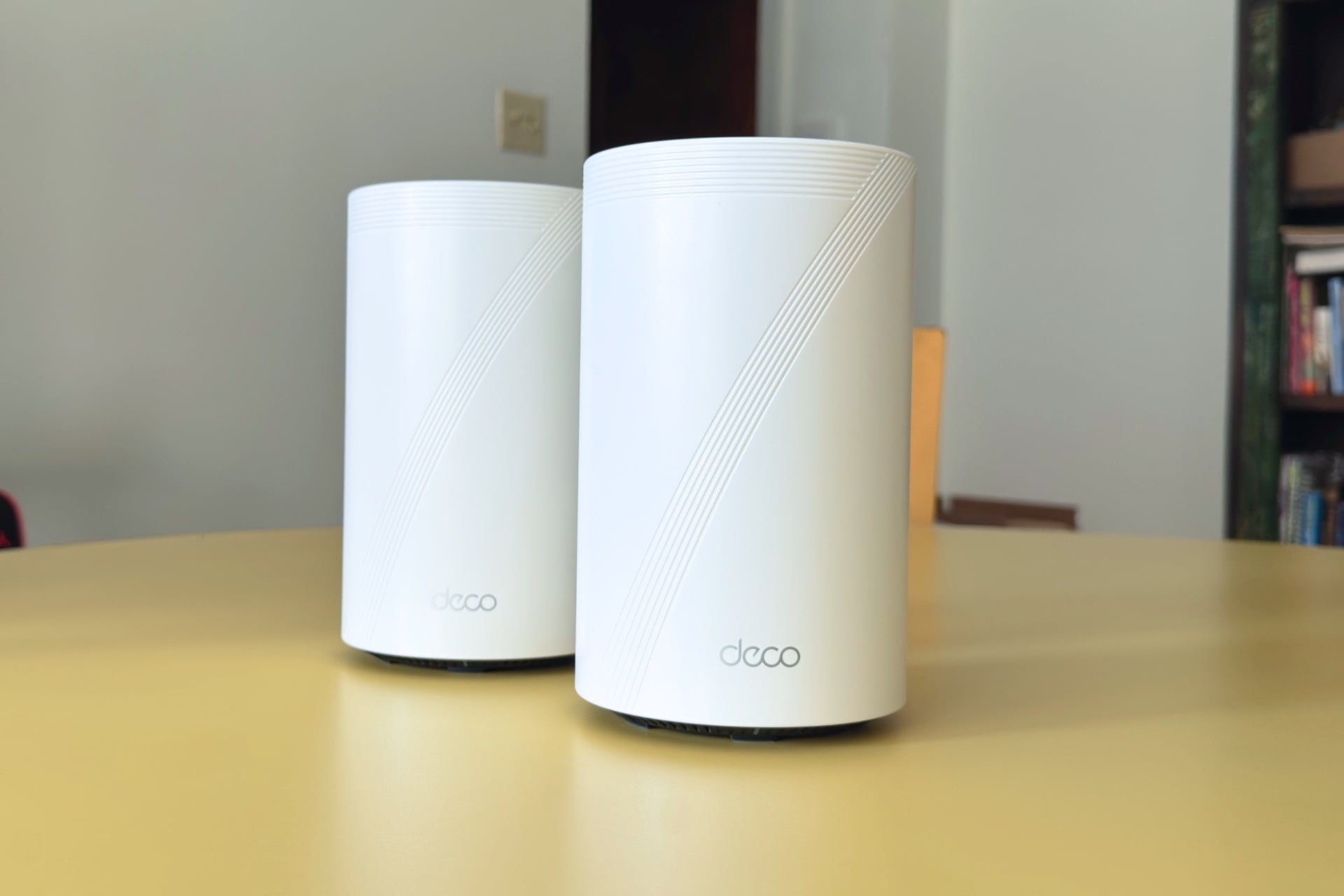
Mesh router systems can be daunting to those new to the technology, but the TP-Link Deco BE77 works without a hitch. Reviewer Wes Davis found the Deco BE77 system to be incredibly fast and stable, even beating the popular Eero Pro 7 in throughput testing and handling complex tasks like multi-room AirPlay. TP-Link offers some pretty deep network controls, like per-device band steering and static IP assignments, even if it is a bit bulky.
See TP-Link Deco BE77 at Amazon
Shokz OpenDots 2
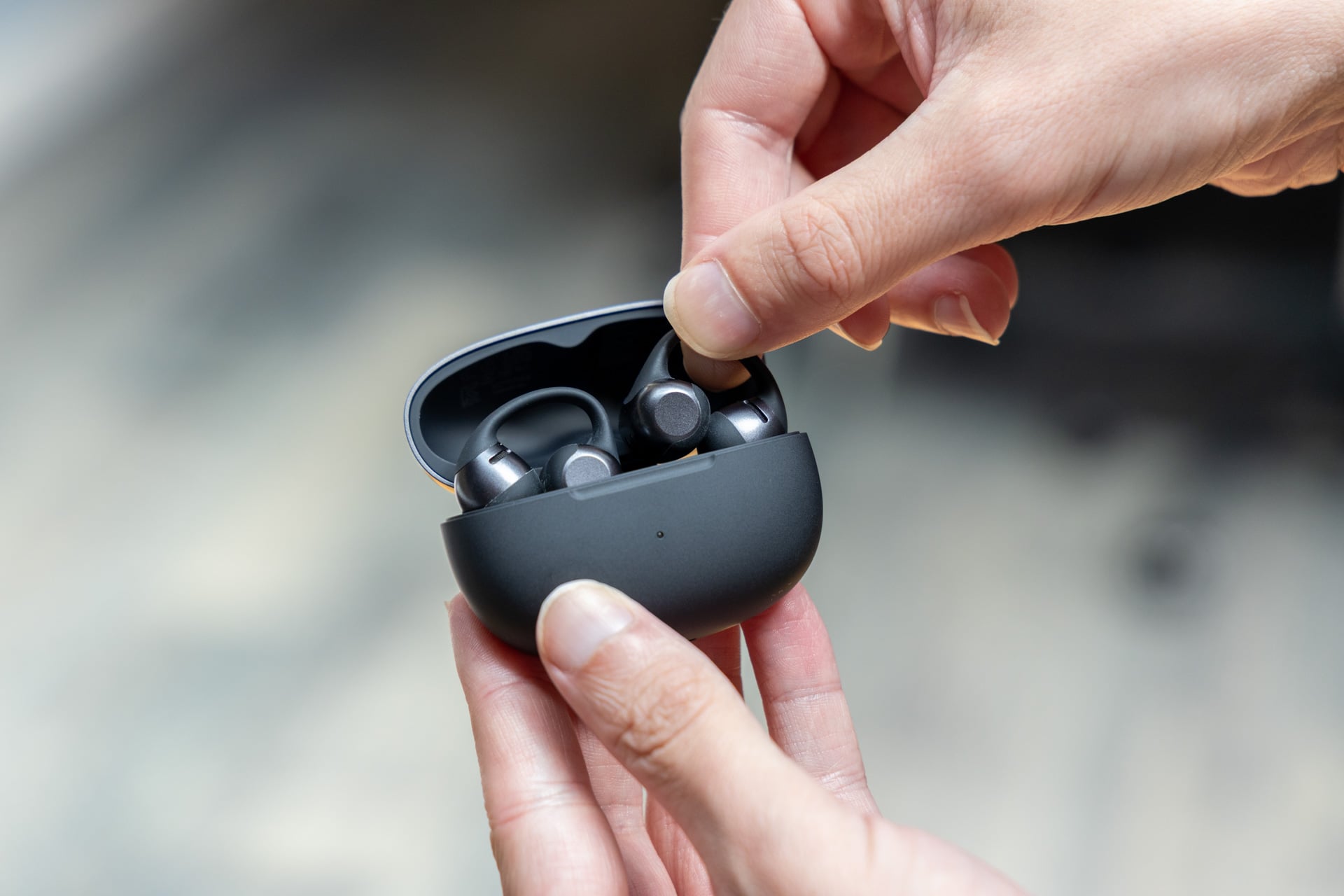
Clip-style earbuds aren’t for everyone. Their unique clip-on design can be difficult to get used to for someone who’s been wearing AirPods or other in-ear headphones for many years. Reviewer James Pero says these are some of the best on the market, if you’re interested in going for clip-ons, with an impressive dual-driver Bassphere 2.0 system that will let you forget the earbuds don’t have active noise cancellation. A Dolby Audio toggle widens this soundstage noticeably, too. The number of clip-style wireless earbuds is going up fast, and the OpenDots 2 have earned their spot at the top of the category.
Lenovo Legion Pro 27UD-10
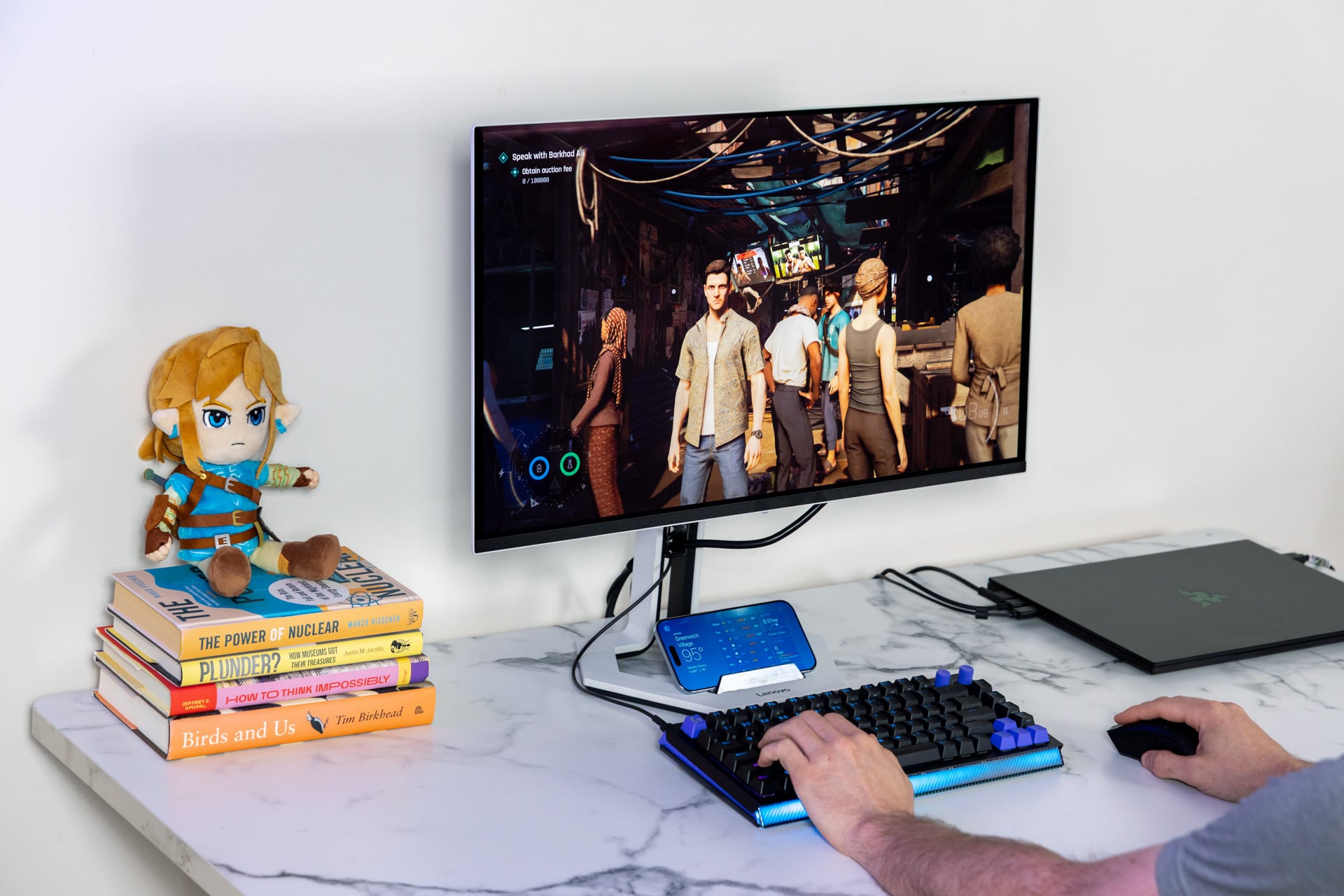
In the crowded market of gaming displays, Lenovo’s Legion Pro 27UD-10 manages to stand out with an impressive five-layer OLED panel. Reviewer Kyle Barr went as far as to name it his favorite gaming display of the year. The Legion Pro 27UD-10’s got some incredible versatility, with a wide tilt-and-swivel range and full 90-degree vertical mode. Sure, there are some trade-offs—the monitor has no headphone jack and no speakers—but the picture quality and flexibility more than make up for it.
See Legion Pro 27UD-10 at Amazon
See Legion Pro 27UD-10 at Lenovo.com
Samsung Galaxy Z Fold 8
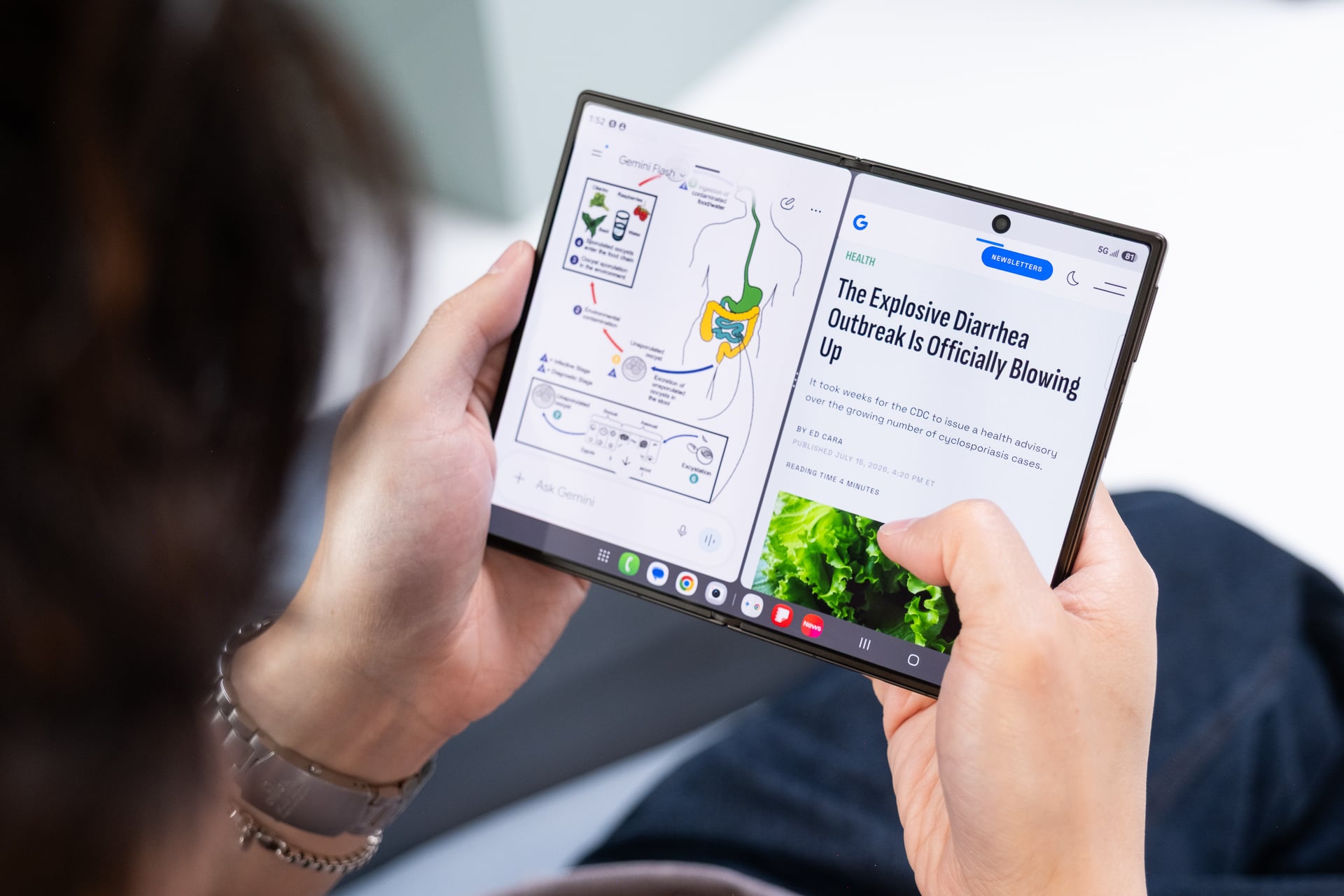
Finally, an exciting phone announcement. Gizmodo senior editor Ray Wong made his way to Samsung’s Unpacked event a skeptic about the shorter, wider foldable phone, but he came out impressed. The Galaxy Z Fold 8’s new aspect ratio makes the phone much more comfortable to use when closed, and, unfolded, it’s perfect for video-watching and map-viewing without awkward cropping. New “Flex Titanium” technology even makes the screen crease nearly invisible.
See Galaxy Z Fold 8 at Samsung
Boox Picco

Most e-readers stick to a similar form factor: that of a paperback book. It’s familiar in the hands, sure, but it doesn’t make these devices the easiest to carry around for easy reading. This month, Boox announced its smallest e-reader yet (by far), with a tiny 3.97-inch monochrome E Ink screen, a front light, and microSD support. It’s much more pocketable than standard e-readers from Amazon and Kobo. Even Boox’s popular Palma line, which is already quite small, has a full two inches on the Picco. There’s no release date on this one just yet, but it’s sure to shake up the e-reader industry.