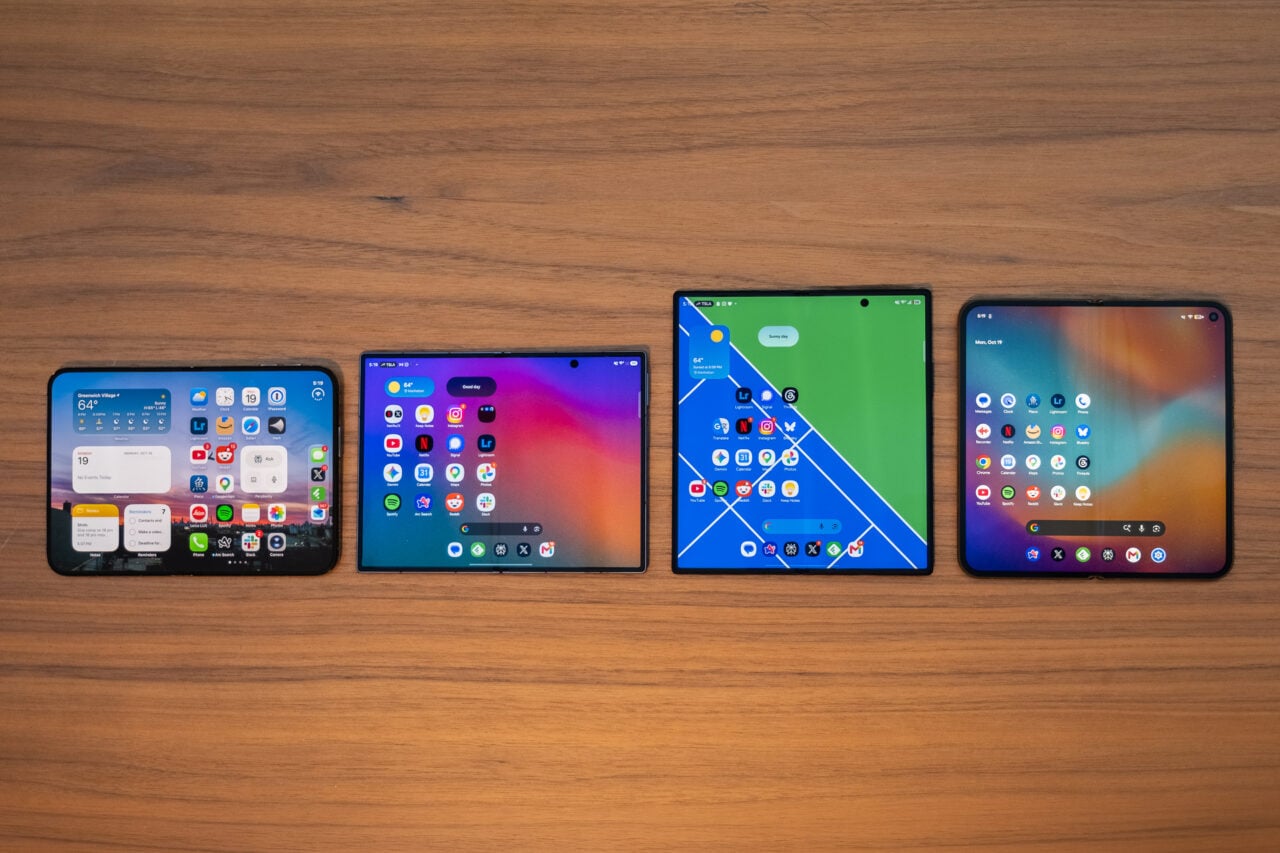
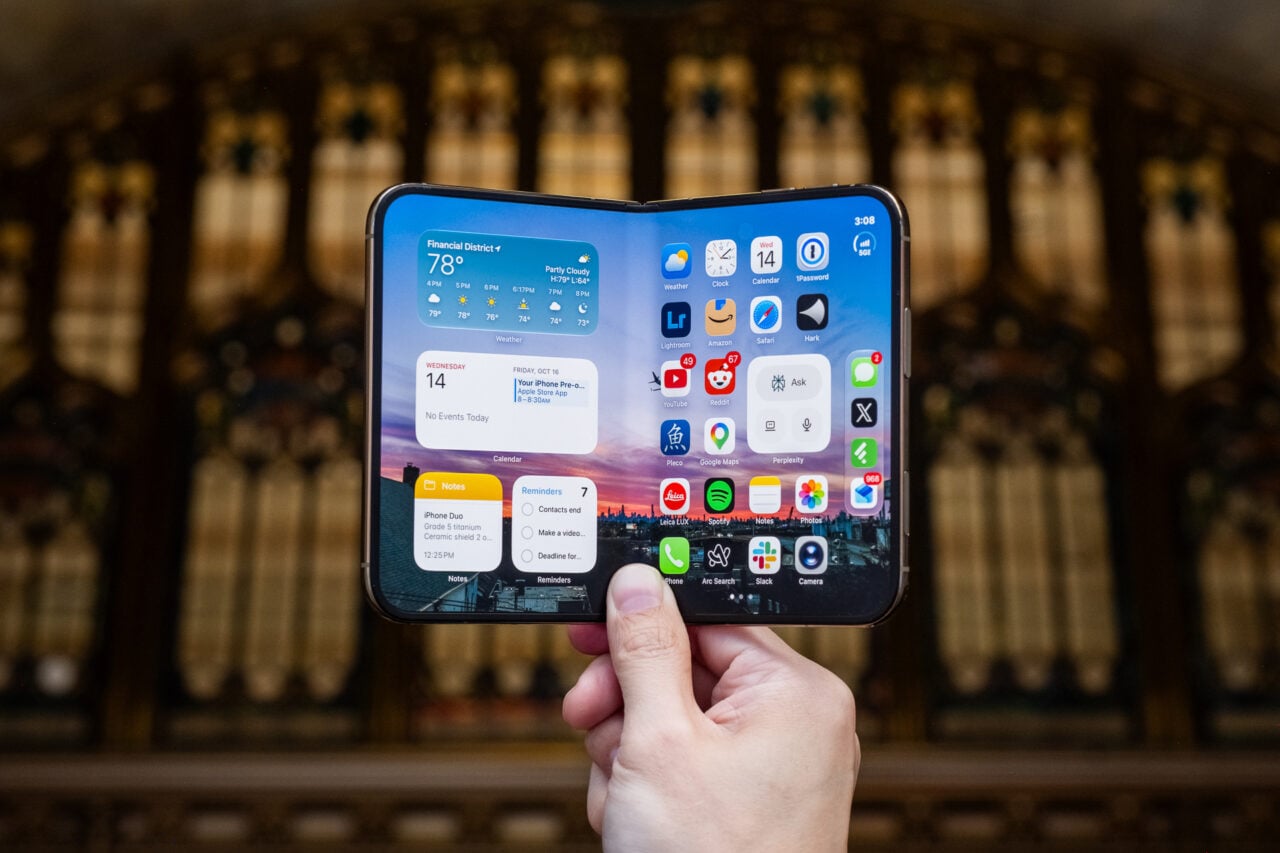
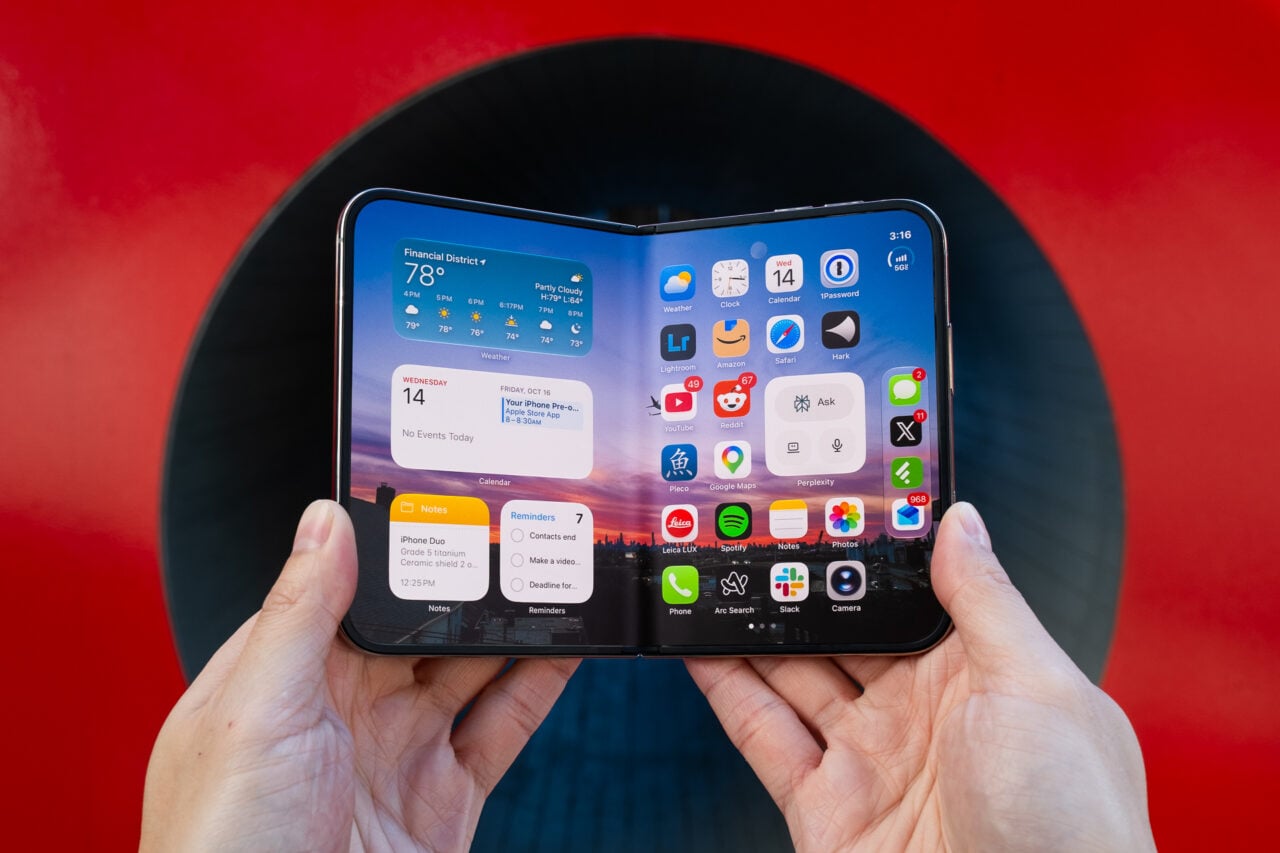
After seven years of foldable phone releases, Samsung may have finally fixed the last major hardware complaint about the mobile form factor.
A week ahead of its Galaxy Unpacked event in London, Samsung has announced “Flex Titanium,” a more durable display structure that reduces the crease on foldable screens. Samsung has confirmed the new screen tech will debut in its foldables next week, expected to be the Galaxy Z Flip 8, Z Fold 8, and Z Fold Ultra.
Samsung says the Flex Titanium technology uses a titanium-alloy film and a titanium plate to “balance slimness, flexibility, and strength within the foldable display structure.” By improving the ability for the structure to withstand shock, Samsung claims its new foldable screens are both stronger and have “reduced crease visibility.”
See Galaxy Fold 7 at Samsung.com
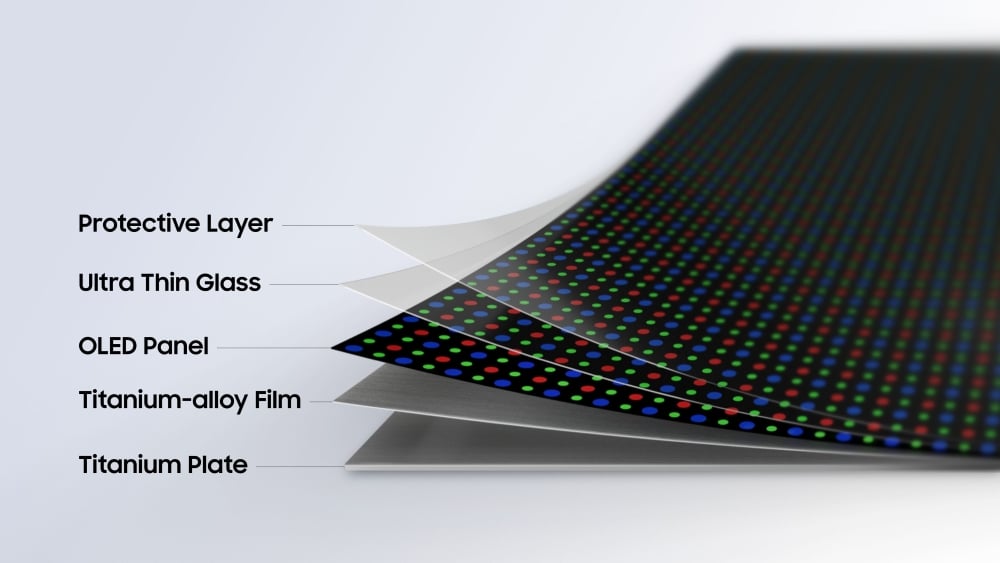
Note how Samsung touts “reduced crease visibility” but stops short of declaring that it has eliminated the screen tradeoff altogether. Samsung isn’t the only company being very careful with how it markets its foldable screens. Oppo, maker of the Find N6 book-style foldable, has a screen with a “zero-feel crease.” I’ve seen that screen in person, and although it has one of the least visible creases on any foldable, it’s not quite invisible.
On the topic of Samsung’s new foldables and the new display structure, Lance Ulanoff, editor at large at TechRadar, has an insightful look inside Samsung Display’s testing labs, where it designed the Flex Titanium tech.
It’s interesting that Samsung is excited for Apple to introduce its first foldable iPhone. On the one hand, sure, Samsung Display reportedly inked a three-year deal to supply Apple with foldable screens for its “iPhone Ultra,” so it’s getting paid to not talk smack about its clients. A foldable iPhone will almost certainly impact sales for Samsung’s own Galaxy foldables.
“I think it’s more than welcome because when the other competitors and other companies join the market, this market will be standard and the owners will increase…. We really welcome the big competitor joining this market… We mean it, we love other companies to join this market,” said Byung Duk Yang, Samsung Display EVP & Core Component Technology Team.
But on the other hand, even after seven years, Samsung is in a way conceding that it couldn’t make foldables mainstream on its own. It now falls on Apple to help popularize foldable phones, though there’s no guarantee it’ll succeed, either. Apple’s first foldable is expected to start at a minimum of $2,000, and that price could be even higher now that memory and storage component costs have ballooned, forcing price hikes across the board. Even if this new generation of foldables has a reduced crease, $2,000+ for a phone that’ll be obsolete in a year’s time is going to be hard on wallets.