Do you think you already have too many monthly subscriptions? Better buckle up. Apple, with its new Apple Upgrade program, has opened the floodgates for an all-leased future, where you won’t actually own the tech you pay for.
Apple, just like every other company, has hiked gadget prices to combat the spiking cost of memory driven by demand from AI data centers. Companies look to Apple as the canary in a coal mine for major trends. So when Apple attacks the pricing problem with a lease program, you can bet every other tech company is taking notice.
Apple’s lease program is, on its face, not a bad deal. Smartphones like the iPhone 17 Pro cost $1,100 with just 256GB of storage. At $31.99 per month, keeping the phone for two years would cost you $767. Once the lease period ends, you have the option to either pay off the rest to own the device outright or trade it in to pick up the new hotness. Apple promised it won’t brick your phone for missing a lease payment, though if you miss three payments in a row, Apple will demand its device back.
Apple Upgrade may save you money in the short term, but it’s an even better trade for Apple. Lease programs work if the company can take the rented product, refurbish it, and sell it off to a new buyer at a discount. For the leasee, future buyers are essentially subsidizing your current purchase. Apple can pull this off because it has a massive network of brick-and-mortar stores and a hoard of loyal buyers willing to potentially trade for older iPhones and MacBooks.
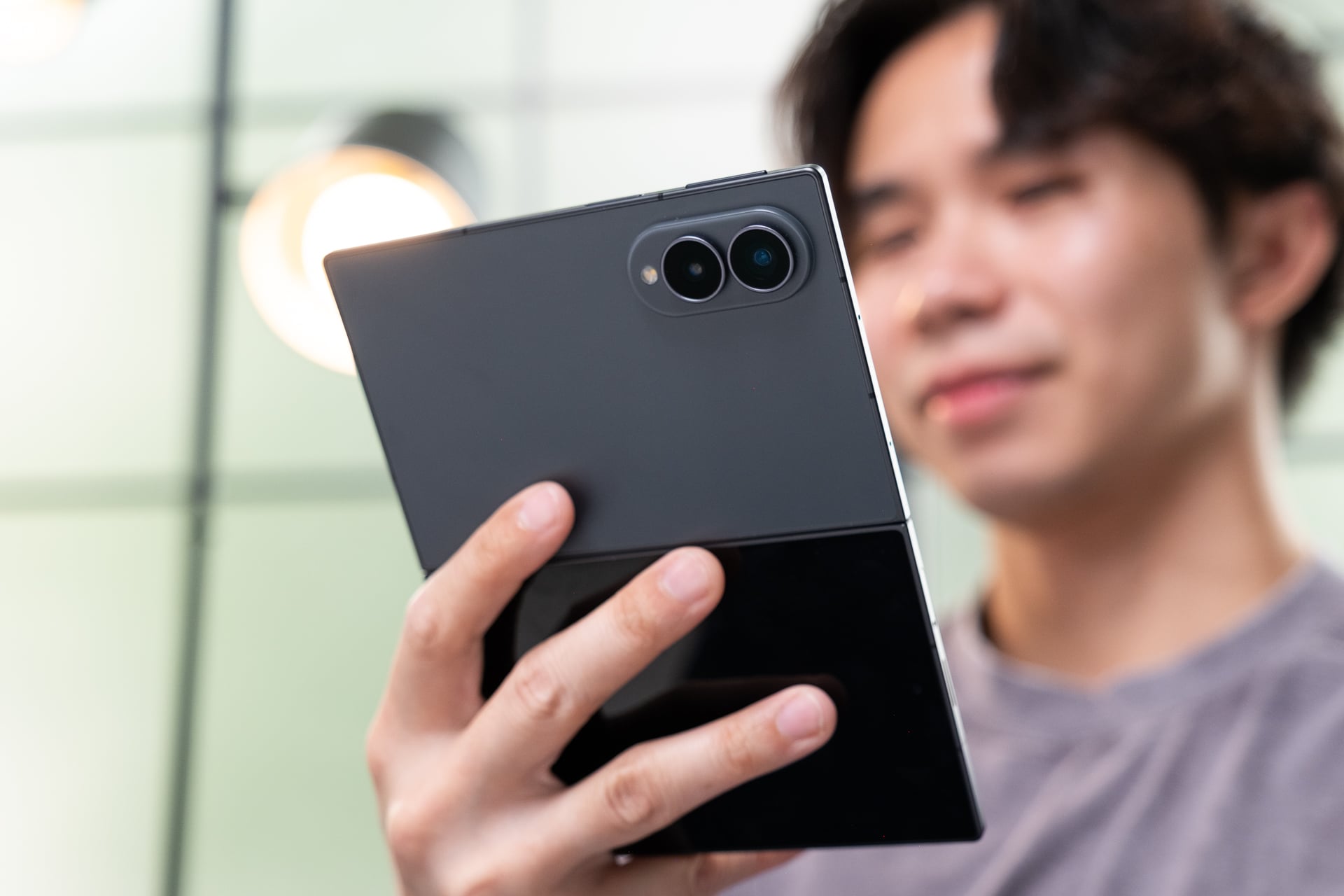
Samsung, a monkey-see/monkey-do kind of company where Apple is concerned, could try to offer similar lease terms for future devices. The new Galaxy Z Fold 8 folding phone is a perfect contender considering its $1,800 asking price and how it will inevitably compete with the similar-sized iPhone “Ultra” foldable.
The obscene cost of gadgets is making the future more uncertain for many companies. Last month, Xbox hiked prices on its Series S and Series X consoles for the third time in about a year. CEO Asha Sharma announced Xbox fans could instead finance an Xbox purchase or get a used console at reduced prices. If the next-gen Xbox Project Helix—a supposedly powerful PC/console hybrid—costs $1,000 or more, Xbox could instead try to convince gamers to instead rent the console for a few years at a time. The company could then sell a refurbished Helix for less to the next buyer in line.
Still, lease programs may simply not work for all companies, especially those that lack a dedicated customer base. The PC and printer king HP previously established its own subscription program to get your hands on its gaming and productivity laptops. That “HP Laptop and Omen Gaming Subscription” came to an innocuous end July 15, a little more than a week before Apple announced its own lease program. Those who already had a rented laptop in their possession simply got to keep them once the rental program ended.
Gizmodo reached out to HP for comment about future plans, but we did not hear back before publication. Gadget makers have to come up with some plan and soon. The CEO of Taiwan-based memory vendor Apacer, C.K. Chang, told investors (via Digitimes) that DRAM supply could bottom out by more than 70% in 2027. Kwak Noh-Jung, the CEO of major memory maker SK Hynix, recently told Reuters, “We forecast that next year will be the worst year in the industry’s history from the supply perspective.”
Lease programs will naturally erode the sense of ownership you have over your gadget. Future lease agreements may have obtuse termination fees or software locks for missing payments. You may be penalized for using outside services to repair your device. Spending so much for tech may pigeonhole many users into forever renting their gadgets—and therefore never having real control over what they buy.