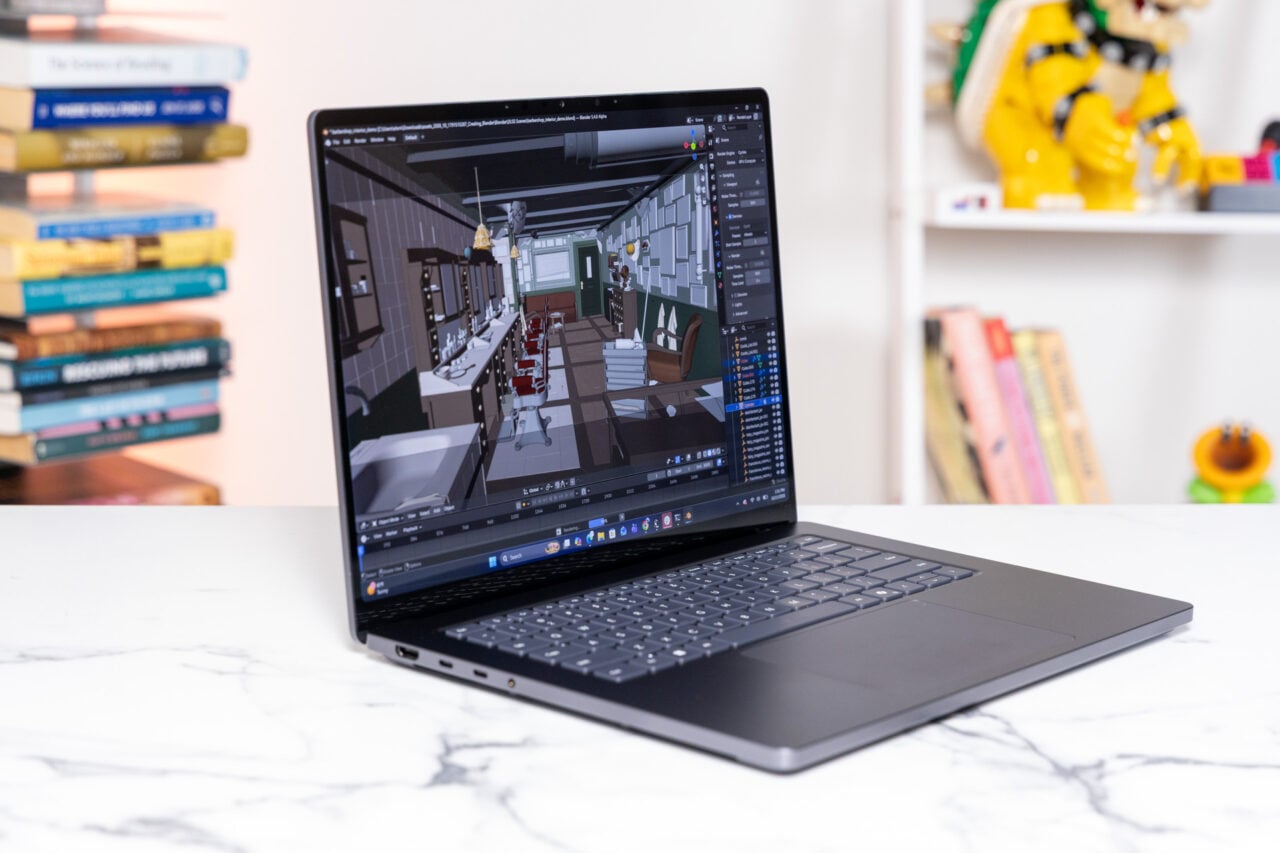
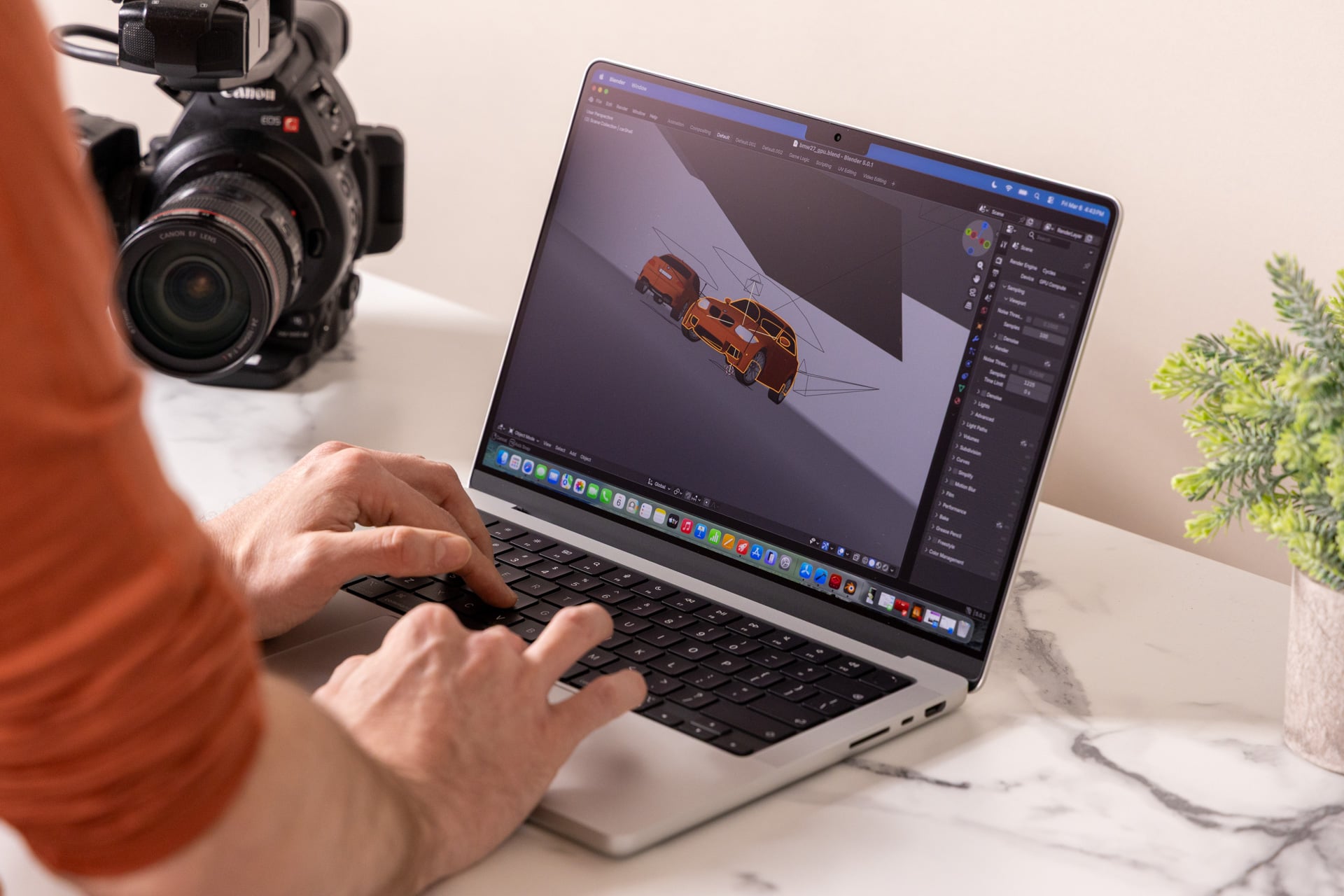
You’re likely still smarting from Apple’s Thursday price hikes. While I don’t mean to pour salt in the wound, a $2,000 MacBook Pro is indeed the new normal. Many laptop makers are now alluding to the same thing: you should stop expecting laptops to ever cost what they did in the pre-2025 era.
Most tech companies are not willing to say it to your face, but spiking RAM prices are resetting pricing expectations for even moderately powerful laptops. German-language tech blog ComputerBase (read via machine translation) reports that Lenovo doesn’t see the situation getting better even four years from now. The world’s largest laptop maker by market cap reportedly warned audiences at the ISC 2026 tech conference that prices for DRAM and NAND won’t get better for years to come. What’s worse, the “new normal” for 2030 and onwards will still be more expensive than before October 2025. The reason for Lenovo’s warning may be due to the steep pricing of the big three memory makers.
The three major semiconductor companies that control the world’s memory supply—Micron, Samsung, and SK Hynix—have rejiggered their businesses to fulfill contracts for the specialized high-bandwidth memory needed for AI data centers at the expense of consumer-level DRAM. The demand for memory is so high that these companies are finding new ways to ensure prices will balloon for years to come.
On Thursday, Micron announced it had discovered yet another way to keep companies paying high prices for up to five years at a time. Company CEO and chairman Sanjay Mehrotra described these “strategic customer agreements,” or SCAs, as “take-or-pay agreements, with binding commitments to purchase specific volumes over this multi-year term.” The company claims it has signed 16 of these agreements across data center, consumer, and auto segments with “four very large customers and three medium-sized customers.”
“Even as we expect industry supply to improve gradually in 2028, we currently do not have line of sight as to when memory supply will be able to catch up with increasing demand,” Mehrotra wrote in his prepared statement. Of course, Micron is making bank off the current pricing situation. It reported making $41.5 billion in revenue this past quarter, a 346% increase from the same time last year.
These SCA agreements are meant to last from signing until the end of calendar year 2030. Essentially, Micron’s head honcho described how it can dictate who gets what memory and what price they’re required to pay. The Micron CEO said he expects to make up “approximately half or more” of his company’s overall revenue from these kinds of agreements.
Of course, those making the products aren’t very happy with how memory makers are operating. Valve’s long-awaited Steam Machine, which was meant to bring gaming PCs into the living room with a console-like form factor, costs $1,050 at base. The price wasn’t what Valve originally intended, with Valve software engineer Pierre-Loup Griffais telling Gamer’s Nexus, “[RAM makers] give us a price… and they say, ‘You can buy that many,’ and it’s a yes or no. And if we say no, then they never talk to us again.”
Apple’s outgoing CEO Tim Cook told The Wall Street Journal in a recent interview that “the memory guys are passing along huge price increases,” adding: “We definitely need memory pricing and supply to return to reasonable levels for consumer products.”
Without even an option to negotiate RAM costs, laptop makers either have to take compounding memory prices on the chin or pass those costs along to the consumer. There’s a reason why the memory manufacturers keep telling customers to not expect prices to come down until 2028 or later. Even then, gadget prices rarely actually decline. Apple may find ways to source memory elsewhere, but even if it cuts prices back down to size four years from now, it’s unlikely they’ll hit pre-2025 levels.