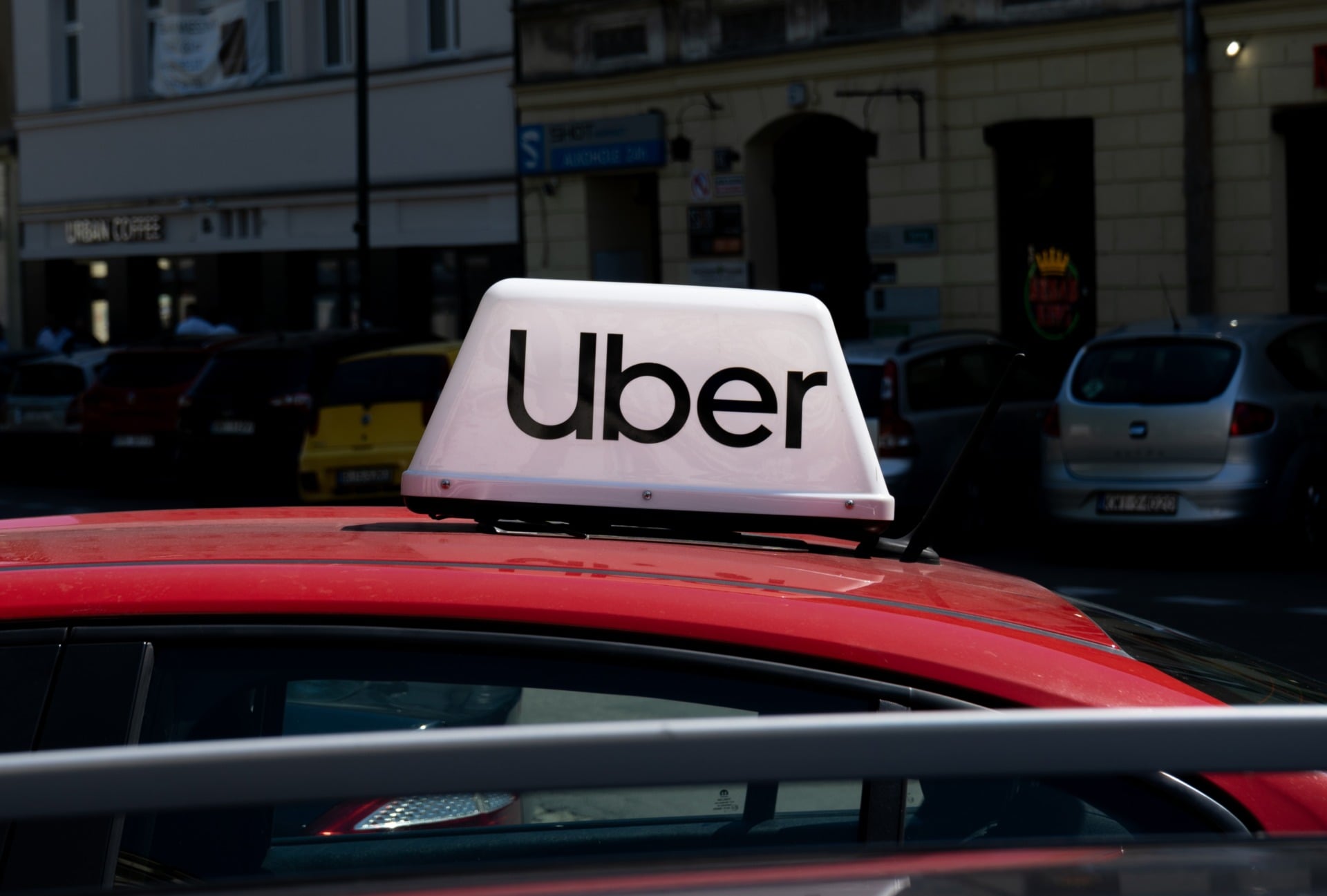
Uber is eyeing an autonomous vehicle empire, and executives are ready to spend $10 billion over the next few years to achieve it, according to CEO Dara Khosrowshahi.
“We expect to commit over $10 billion of capital over the coming years to bring AVs to market at scale,” Khosrowshahi said in prepared remarks ahead of the company’s earnings call on Wednesday. “That progress was evident this quarter. AVs are live on Uber in 7 cities, on track for as many as 15 by year-end.”
Some of that investment will go into building necessary infrastructure before putting autonomous vehicles on the roads en masse, and another good portion of that investment will go towards expanding the vehicles’ service areas globally. Khosrowshahi said that Uber plans to expand operations to 28 cities around the world by the end of 2028, a jump that would have the company quadruple its operations in less than three years.
“Our ambition is straightforward: to become the world’s leading commercialization platform for autonomous vehicles,” Khosrowshahi said in the earnings call.
Uber has teamed up with more than 30 companies in this effort. One of those partners, Wayve, just secured a permit to begin rolling out the companies’ joint robotaxi service in London.
Autonomous driving is seen as an existential matter for Uber. Backed by some early evidence, Uber investors fear that as robotaxi services like Waymo become more commonplace, the competition will put a significant strain on Uber’s ride-hailing business, compounding the pressure on the company to stay ahead of the curve.
Khosrowshahi said that while he is expecting autonomous vehicles to be adopted globally, it will be at a much slower and “more deliberate” pace than the rapid trajectory the broader AI industry has taken in the last couple of years. That’s for the better, he argues.
“While AVs have been incredible in the markets in which we’ve introduced them, there also have been, you know, they’ve had their fair share of issues,” the chief executive said. “We see sometimes the result of trying to go too fast, and some of these AI companies with data centers, they were kind of pushing through, you could argue, too quickly with NDAs, et cetera, and there’s been a huge public blowback against it.”
Of course, Khosrowshahi is referring to the intense souring of public sentiment against artificial intelligence and the data center buildout the industry has been embroiled in. The AI industry has been building AI infrastructure at an unprecedented scale, often at the apparent expense of local communities who complain about the negative health, economic, environmental and social impact these mega-structures unleash on neighboring communities. The reliance on non-disclosure agreements (NDAs) between AI and data center infrastructure companies and the local governments where these centers are constructed has also led to significant pushback from locals demanding increased public oversight.
“You need to have smart regulation and dialogue with our shareholders, so you can actually enable innovation going forward, and we can kind of drive AV regulation in a way that’s sustainable, that doesn’t have the same blowback that you’re seeing in AI,” Khosrowshahi said.
For what it’s worth, some of that appeal for more regulation probably has to do with the current regulatory fight Uber and its partner/competitor Waymo have found themselves stuck with in Washington. Uber is strictly opposing a bill that would allow robotaxi operations in D.C. and which Waymo supports, arguing that it would displace human drivers working on ride-hailing platforms like its own.
Waymo and Uber are exclusive partners in robotaxi services offered in several American cities, but recent reports point towards a rift and a looming break-up set to drop in January 2028, with Waymo reportedly wanting to operate robotaxis in its own app instead. Khosrowshahi tried to address those concerns on the call as well.
“Waymo is a very, very important partner of ours, and we continue to operate in Austin and Atlanta,” Khosrowshahi said. “At the same time, we want to make sure that we’re not dependent on one partner, and we’re absolutely seeing a plethora of newer players in the AV ecosystem.”