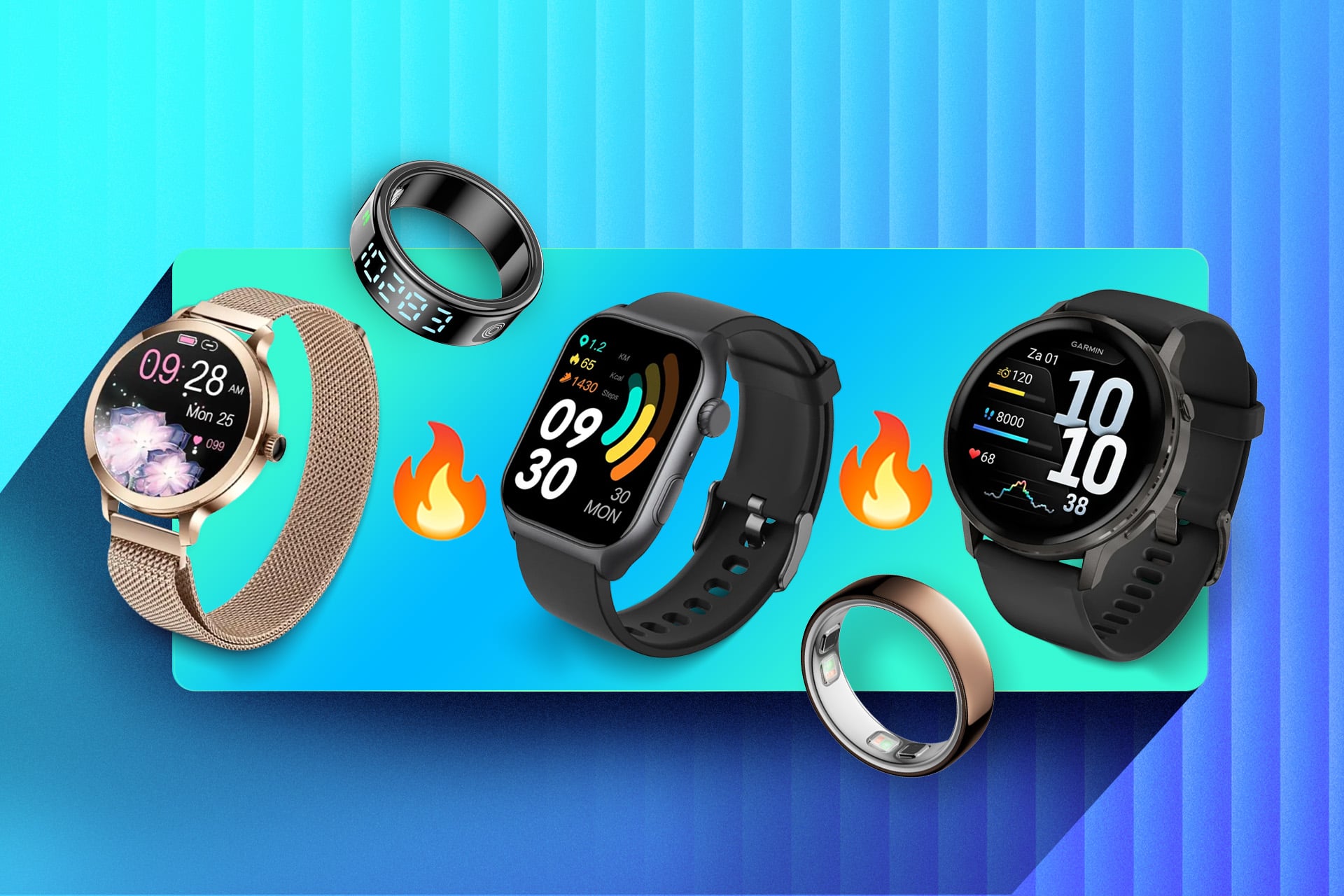
Over the past decade, wearable electronics have become part of our everyday attire, seemingly as essential as any belt, pair of shoes, or favorite pair of socks. Smart rings track sleep and other health vitals, as do smart watches, while wireless earbuds and smart glasses serve as digital eyes and ears for new AI assistants.
The wearables market is also growing rapidly, with market analysis firm IDC putting the total wearable shipments in the first quarter of 2026 at just shy of 146 million units, with especially strong growth in smart glasses and smart rings growing more quickly than the overall market.
So wearables are definitely popular, though they aren’t without their frustrations. The problem for wearables is that they need to be worn continuously to give you the utility you want, but eventually you have to stop wearing them.
Batteries run down, and the device needs to sit on a proprietary charging dock or awkwardly plugged into a USB-C cable. This inconvenience might only last for an hour or so, but if you’re trying to get a full-day picture of your health or hoping to track your sleep, that hour is suddenly a gap in your data.
This can be annoying when you’re counting steps, but if you’re trying to continuously monitor important health data to manage a chronic disease or keep track of other important data, that gap could be consequential.
Fortunately, there might be an answer on the horizon that finally frees your wearables from their dependence on a wall outlet or a laptop’s USB port to stay operational.
Thermoelectric generators, or TEGs, can use the temperature difference between your body and the surrounding environment to generate electricity. While they almost certainly won’t be able to power your smartwatch or smart glasses, thanks to the heavier power draw of wearable displays, the situation is very different with the latest screenless wearables.
Instead of rapidly charging a dead battery, a wearable could continuously soak up tiny amounts of power from its wearer throughout the day, slowing the rate of energy drain from the small battery. For some wearables with energy-efficient sensors, a TEG could provide almost all of the power they need, all but eliminating the need to charge for weeks or longer.
The battery is taking up valuable real estate
Given their smaller size, every component inside a wearable has to fight over the very limited volume available. Batteries are large, and while this can allow the wearable to work longer without recharging, it reduces the number and type of sensors that a wearable can have.
“Battery capacity is one of the fundamental constraints in wearable design,” Andrew O’Neill, a regulatory compliance specialist in the EU specializing in batteries, tells Gizmodo. “A larger battery generally means longer runtime, but it also takes up more space and adds weight. In a ring, band, or other small wearable, that can mean a thicker product or less room for sensors and electronics. At the opposite extreme, making the battery extremely small can improve comfort and appearance, but the user may have to charge the device so often that it becomes inconvenient.”

It’s an especially frustrating compromise because some of the devices that benefit most from a slimmer form factor are also the ones that are more useful the longer they are continuously worn.
Sleep trackers, for example, are precisely useful because you can forget that you are wearing them, so they don’t disturb your sleep. But every cubic millimeter of space reclaimed from a thick, relatively heavy battery increases the chances that the sleep tracker won’t make it through the night, leaving only a portion of your night’s sleep available for analysis. Energy harvesting changes that calculus because the battery no longer has to carry the entire burden of powering the device’s sensors between changing cycles.
“Ultimately, they are not competing technologies,” says Francisco Molina-Lopez, an associate professor in the department of material engineering at MU Leuven in Belgium. “Batteries can store way more energy and provide much more power than body heat can on its own, but the idea is that they should complement each other.”
Some components of a wearable, like a wireless antenna, use much more power than a TEG can directly provide, so you’d need to rely on a battery for that power. But when components are asleep or in low-power mode, you then use body heat to recharge the battery. “The battery acts like an energy buffer that is continuously being filled rather than a one-time store of power,” Molina-Lopez says.
Your wrist is already leaking energy
A TEG does not generate electricity simply because the human body is warm; rather, it relies on the temperature difference between your skin and the air around you via the Seebeck effect, the phenomenon where a temperature gradient across certain thermoelectric materials produces electrical voltage.
The warm side of this process starts at the place where your wearable stays in contact with your skin, like the back of a fitness band around your wrist, while the outward-pointing face of the wearable serves as the cool side. As heat is absorbed by the wearable from your skin, it passes towards the cooler side of the device over thermoelectric material, which diverts a fraction of that heat transfer into electricity. The larger the temperature difference, as well as how efficiently the wearable’s contact surface with the skin transfers body heat into the wearable, the more useful this thermoelectric effect becomes.
“The more a wearable’s surface area you have against the skin,” Molina-Lopez explains, “the more power you can get [from the Seebeck effect].”
Research has shown that the numbers are no longer purely academic and could provide a source of continual charging or even direct power for some low-energy sensors.
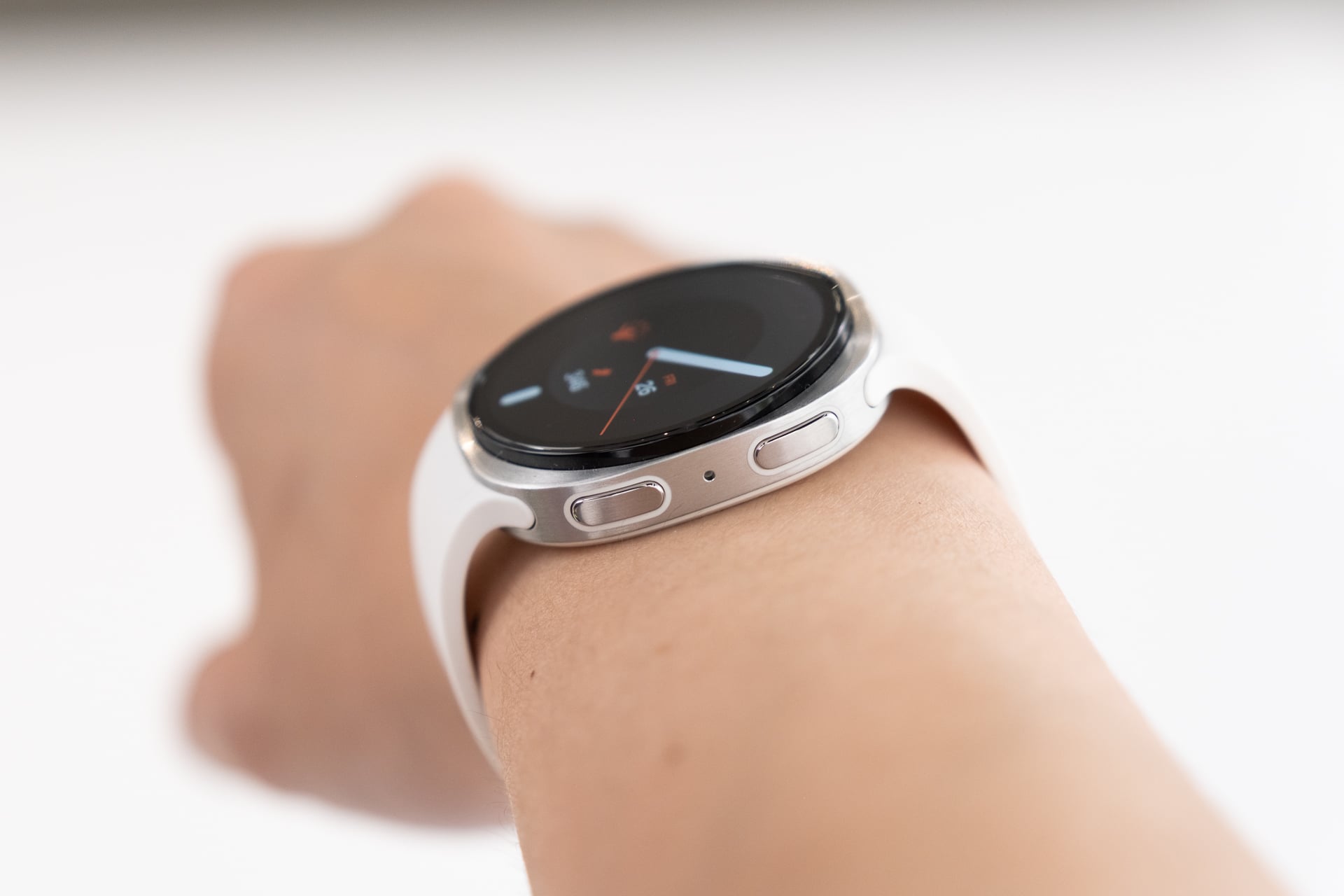
“The thermoelectric system continually replaces a portion of the energy that the wearable consumes,” says O’Neill. “There are already research systems demonstrating outputs in the tens or hundreds of microwatts under wearable conditions, and recent laboratory work has gone considerably further. That is enough to make body heat genuinely interesting for devices designed around ultra-low-power electronics, although it is not a universal replacement for conventional charging.”
For wearable makers, TEGs offer a way to squeeze some extra power for their devices effectively for free, opening up some design and feature flexibility that might otherwise be constrained by the need for thin and light form factors.
“A manufacturer could use a smaller battery, dramatically increase time between conventional charges, or create a product capable of operating for very long periods with little user intervention,” O’Neill says.
This becomes more consequential outside of the conventional consumer gadget market, especially when applied to specialized health or workplace safety monitors.
“Continuous medical monitoring is an obvious example,” O’Neill adds. “Occupational safety devices, remote monitoring, and long-duration physiological sensing could also justify the additional engineering complexity much more easily than a conventional consumer gadget.”
Don’t throw away your Apple Watch charger just yet
Unfortunately, the laws of thermodynamics are what they are, and TEG-equipped wearables aren’t going to directly translate into physics-defying free-energy loopholes wrapped around your wrist, at least not for the foreseeable future.
There is a fundamental limit to how much energy body heat harvesting can provide, since it requires a difference in temperature between the body and its environment. Body temperatures fluctuate throughout the day, but core body temperature generally sits at 98.6 degrees Fahrenheit, with skin temperature sitting somewhere between 90 and 94 degrees Fahrenheit.
If you were to go for a run in 90-degree heat, the temperature difference effectively disappears, taking a TEG’s power generation capability with it. A 2024 study found that a prototype TEG stopped producing effective power at around 86 degrees Fahrenheit, which is a fine summer day that’s not too hot in a lot of places.

Likewise, there’s only a relatively narrow range of temperatures in either direction that our body can safely tolerate. Generally, anything below 59 degrees Fahrenheit is going to feel increasingly painful for exposed skin, with a closer upper limit of about 113 degrees Fahrenheit, where exposed skin would feel painfully hot.
What’s more, the power generation of TEGs sits in the couple of hundred microwatt range, while even low-power RF transmitters used by smartwatches and fitness bands to share sensor data with a smartphone can use milliwatts of power (1 milliwatt equals 1,000 microwatts). Active applications running on a device could use hundreds of milliwatts more than that, so you can see the math problem here. In the context of the latest Apple Watch, a TEG’s energy contribution is negligible, but that isn’t always the case with other wearables.
Intentional design could make body-heat-powered wearables practical
While the modern wearable’s power consumption may seem too great for a small-scale TEG to satisfy, you also have to consider that wearables are not designed with TEGs in mind, and this is where the energy calculus changes for many of the most popular wearable devices today.
“Although this power is limited, it is really enough for low-power devices, such as an e-paper smartwatch, low-power sensors, intermittent low-energy communications, and minimal on-device computation,” says Ferran Reverter, an associate professor and researcher in energy harvesting at Universitat Politècnica de Catalunya (Barcelona, Spain).
The sensors and smaller components that make up most wearables today don’t actually use up that much power, especially if they are passive sensors that aren’t always running or that can be put into very low-power mode, only to be woken up periodically to take a reading before going back to sleep. In this case, each component could be connected to a TEG that can provide it with enough power to collect its data without having to draw on the battery. Or, the timing and spacing of these power draws on the battery can be intelligently planned to allow a TEG to recharge the wearable’s battery somewhat before the next sensor reading is taken.
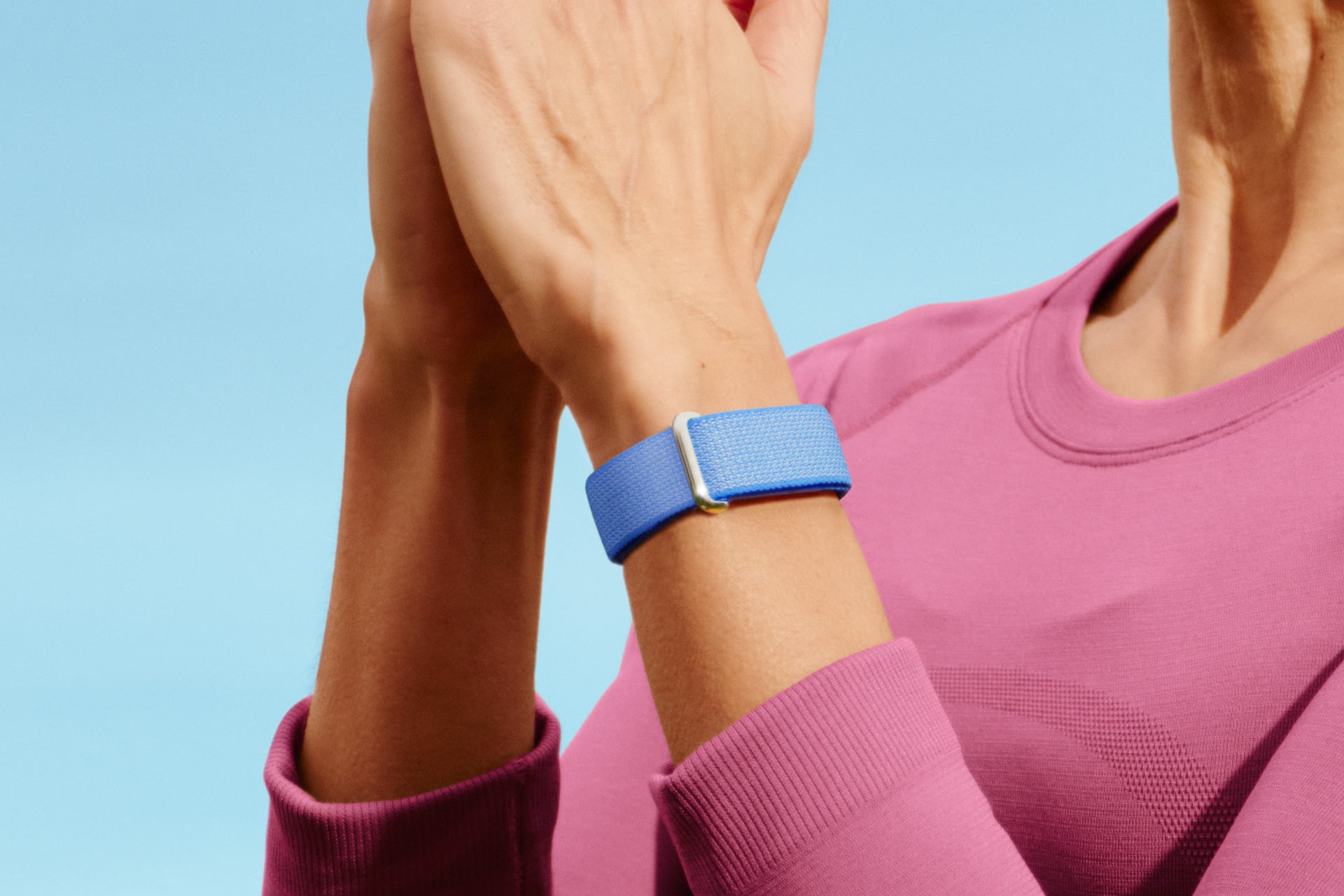
“If the most detailed information is viewed on a phone [rather than a conventional display],” O’Neill says, “the wearable could devote its energy almost entirely to sensing, local processing, and periodic communication. That dramatically reduces the required power budget.”
“What matters is whether, over a sufficiently long period, total harvested energy approaches or exceeds total energy consumed,” O’Neill adds.
Another area where TEGs might make up some ground is by expanding the surface area that is absorbing heat from your skin, which can dramatically improve the power output of a TEG.
“A band provides considerably more skin-contact area than a ring, which is useful for thermoelectric generation,” O’Neill says. For fitness trackers and other wrap-around wearables like smartwatches, the band is essentially free real estate that is only ever really used to reflect a person’s style. There’s no reason why you can’t pack functional components in there, especially as flexible electronics continue to advance.
“I could imagine a relatively slim band in which almost the entire structure has an electrical or thermal function,” O’Neill adds. “The inner surface could contain flexible thermoelectric elements in contact with the skin. The outward-facing surface could be designed to dissipate heat efficiently, effectively acting as the cold side of the thermoelectric system.”
Free energy isn’t really free—at least not at first
Invariably, the biggest hurdle for TEGs to find widespread adoption is the upfront cost.
“Initially, I would expect [TEGs] to increase both cost and engineering complexity,” O’Neill says. “A thermoelectric system adds materials, thermal interfaces, and specialized power electronics.”
You also have to make sure that the body heat harvesting technology in wristbands or armbands doesn’t ruin the user experience of the device, or else what’s really the point?
“One design challenge is to properly couple the device to your skin and still make the device comfortable to wear,” Molina-Lopez points out. “You don’t want it to impede your movement; you don’t want it to make you sweaty.”
Then, there is also the design challenge of cooling the side of the device in contact with the air to ambient temperature in order to create the temperature differential required for a TEG.
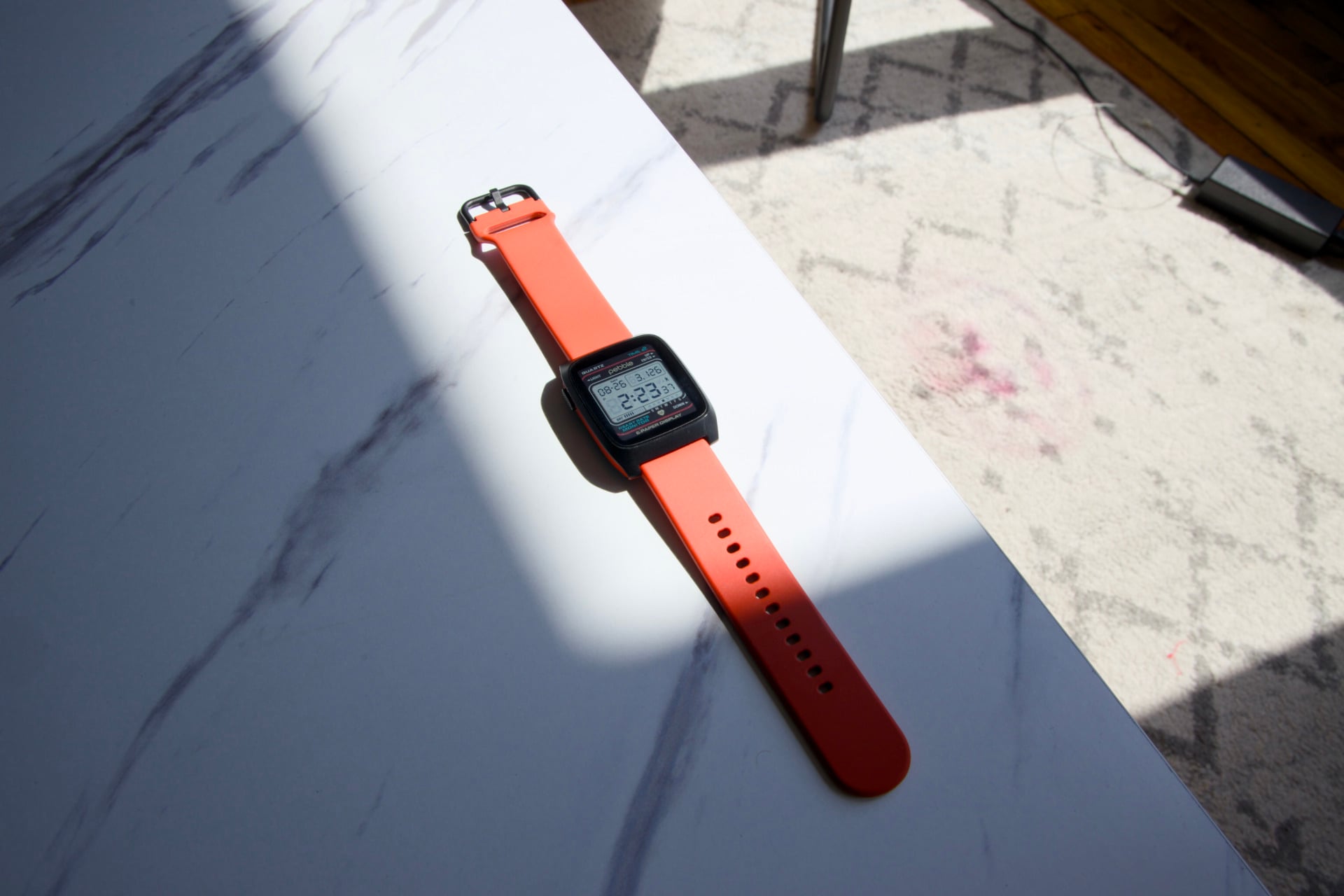
“In order to have the cold side of the TEG close to the ambient temperature, some kind of heatsink has to be coupled there,” Reverter says. “The higher the area of the heatsink, the better in terms of energy harvesting, but the design can become bulkier. Smart and novel ideas need to be proposed to include an effective heatsink in the design without increasing the overall dimensions.”
To that end, many wearable makers likely don’t see the economic benefit of incorporating TEGs into their products right now, but the economics improve if energy harvesting can be integrated into things manufacturers use anyway, like wristbands or the housing for a ring.
Another possibility is a route most technological developments take on the way to the consumer market: start with enterprise and industrial users who can better absorb higher initial prices.
Once costs come down and TEGs are better integrated into the wearable ecosystem (as well as becoming more capable of scavenging the heat our bodies are already throwing away), there may come a time when daily or even weekly changing becomes a thing of the past.