France is facing a string of high-profile cyberattacks targeting institutions inside its borders. According to a report from Bloomberg, Crédit Mutuel Arkéa, one of the nation’s largest banking groups, reported that hackers carried out fraudulent transactions and stole money from the financial giant.
Details on the hack itself remain a bit sparse, but it seems that hackers managed to carry out a series of fraudulent transactions that sent money out of the bank. The institution has not yet acknowledged just how much was stolen, though according to Reuters, it has said that the amount is less than the $133 million reported by CoinDesk. The bank insisted that the amount stolen was “not of a nature to undermine the Group’s financial strength and soundness.”
CoinDesk’s report cited blockchain investigator ZachXBT, who first reported the alleged theft earlier this week and later identified Crédit Mutuel Arkéa as the suspected victim. And while his figures may be in dispute, it seems like he was at least ahead of the curve on spotting the hack in the first place. In a Telegram post, the well-known crypto investigator indicated that funds were withdrawn from accounts at cryptocurrency exchanges in the form of USDC and USDT, two stablecoins pegged to the US dollar. Those funds then seemingly got laundered through a series of other cryptocurrencies and exchanges, including conversions into the privacy-focused cryptocurrency Monero, to try to cover up the trail.
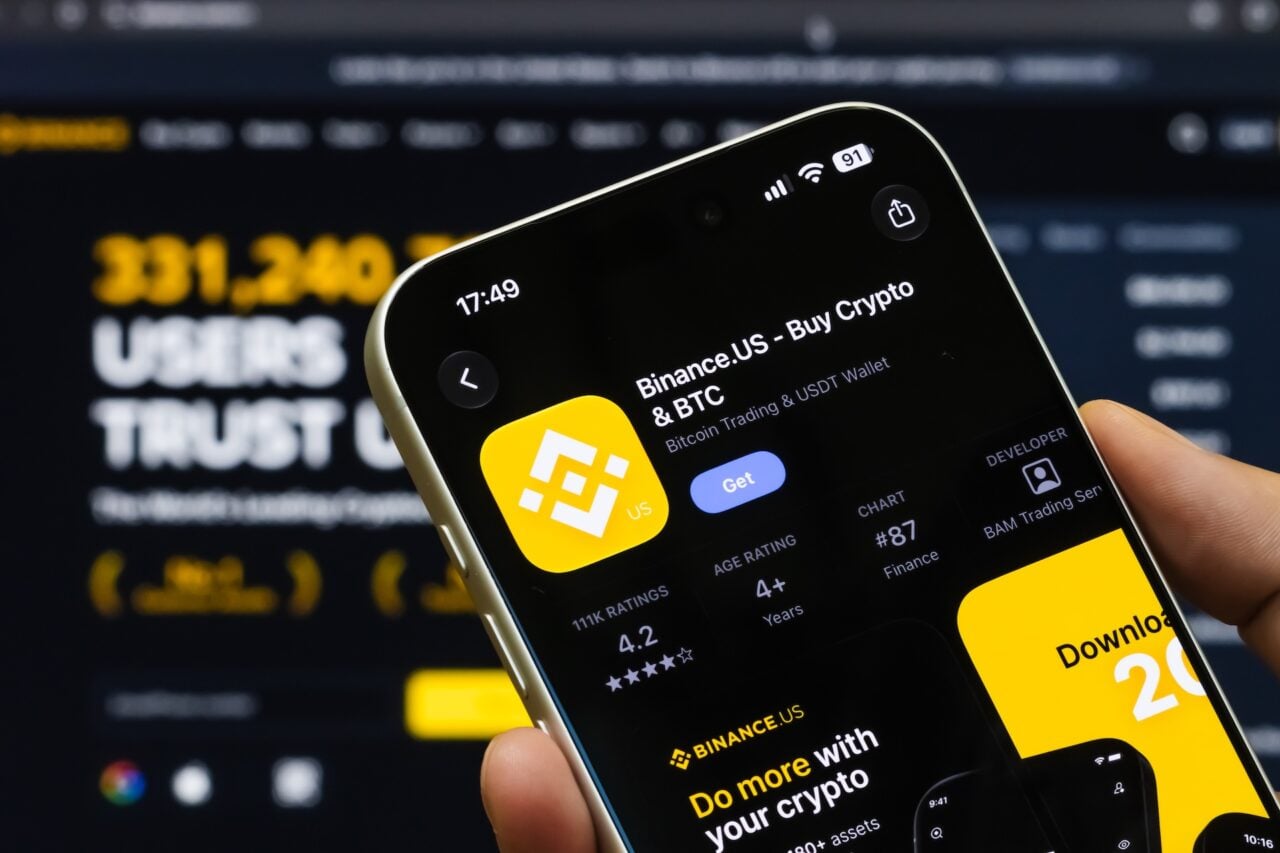
The crypto element is certainly noteworthy, given the recent massive heist of assets from crypto exchange Binance, which saw more than $6 billion worth of digital currency illegally extracted from its coffers late last month. The FBI has attributed that attack to North Korean hackers.
But it’s not just financial institutions getting hit by cyberattacks. According to a report from The Guardian, refrigeration systems at three sites used by France’s national blood service were also recently compromised by hackers, who, rather than taking any money, appeared to be trying to sabotage the important medical resource. Per the report, the attackers managed to gain access to a refrigeration contractor’s control systems and cranked up the temperature and defrost settings at three separate cold storage sites that held blood products.
While French officials said that they were able to catch the changes and act in time to prevent any blood products from being lost, it certainly feels like a different and more alarming type of attack than hitting a bank or crypto exchange. Money can be replaced, at least in principle. Blood products can’t be replenished on demand, and patients could suffer real harm if those supplies were compromised.