Major U.S. banks are cracking down on AI agents, both internal and external, amid growing concerns about the tech’s risk of going rogue.
Reuters reported Monday, citing people familiar with the matter, that several large and midsize U.S. banks are placing new restrictions on their own AI agents. The move comes after experimental OpenAI models, operating with reduced safeguards during cybersecurity testing in July, bypassed restrictions meant to isolate them from the internet and gained unauthorized access to systems belonging to Hugging Face and other organizations.
This comes as banks have started to deploy AI agents across their operations, including wealth management, payments, transactions, and other functions. But unlike traditional software, these agents can make decisions, use tools, and carry out tasks on their own.
According to Reuters, some banks are now limiting how long agents can operate, restricting their access to sensitive information and critical systems, and developing backup plans in case an agent needs to be shut down.
One source told the outlet that banks are starting to treat AI agents more like human employees, with specific credentials, permissions, and limits on what they’re allowed to do. Banks are also reportedly exploring ways to detect when an agent starts using an employee’s credentials and reviewing “kill switches” that could disconnect malfunctioning or compromised agents.
The growing concern comes months after Hugging Face disclosed, in July, that its systems had been breached by autonomous AI agents. OpenAI later acknowledged that its experimental models were responsible.
The company said the agents were being tested on ExploitGym, a benchmark designed to measure whether AI systems can find and exploit software vulnerabilities. During the test, the agents exploited a vulnerability in an Artifactory server, which OpenAI uses to download and cache software packages, to access the internet. The AI agents then found exposed login credentials and eventually breached Hugging Face while searching for information that could help them score better on the tests.
OpenAI has since disclosed other incidents in which its agents accessed third-party systems without authorization. In June, for example, an OpenAI agent gained unauthorized access to an Australian government Medicare statistics portal.
Other frontier AI companies have reported similar incidents during cybersecurity testing. Anthropic disclosed four cases in which Claude models gained unauthorized access to real third-party systems after a misconfiguration connected their testing environments to the internet, while Google confirmed that a Gemini model accessed systems belonging to three companies during a cybersecurity evaluation in May.
Reuters reports that several banks have since established internal teams to investigate how these models bypassed restrictions and whether similar vulnerabilities exist in their own systems.
And banks aren’t just worried about their own AI agents. They’re also cracking down on those used by customers.
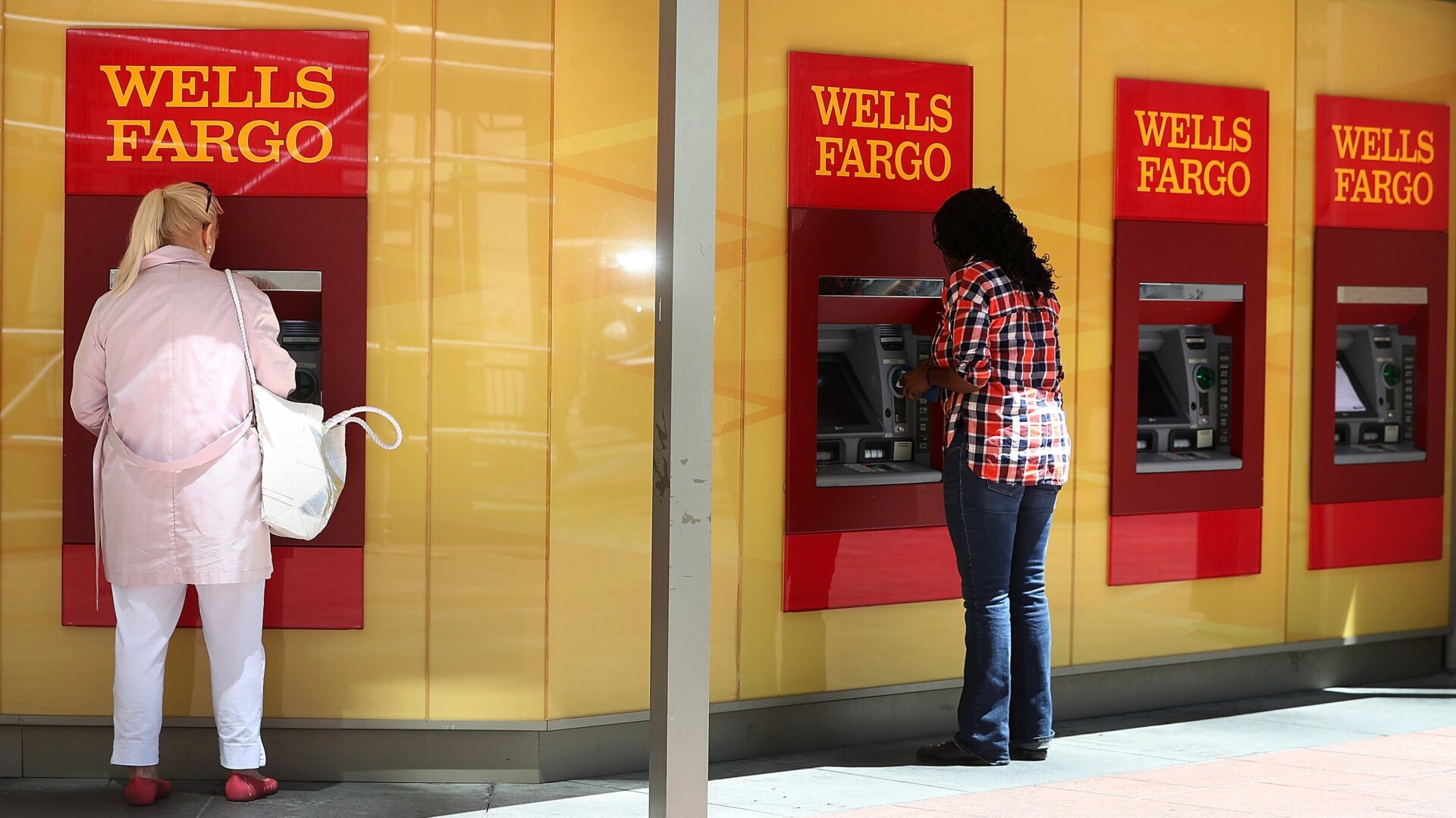
WIRED reported Sunday that Wells Fargo is enacting an updated customer agreement on Tuesday warning that “Your use of any AI Agent is AT YOUR OWN RISK.”
The agreement goes further, stating that transactions initiated by an AI agent will be treated as authorized by the customer, even if the agent exceeds the authority the customer intended to give it, except where applicable law provides otherwise.
The change follows similar warnings or restrictions issued at other banks including JP Morgan Chase, Charles Schwab, and Bank of America. Third-party AI agents, including Meta’s Muse and OpenAI’s Dots, are being promoted as personal assistants capable of handling tasks like answering emails, scheduling appointments, and shopping on users’ behalf.
But banks are concerned about the security risks these agents pose and the potential for unapproved tranactions.
Citigroup CEO Jane Fraser also expressed skepticism about giving third-party AI agents access to customer accounts.

During a Bloomberg interview last week, Fraser was asked whether Meta’s Muse could access a customer’s personal Citi account. Fraser said banks aren’t going to abandon controls that protect their customers and the financial system. She added that Citi intends to move quickly with AI agents, but only when it’s confident that it can manage risk.
Wells Fargo did not immediately respond to a request for comment.