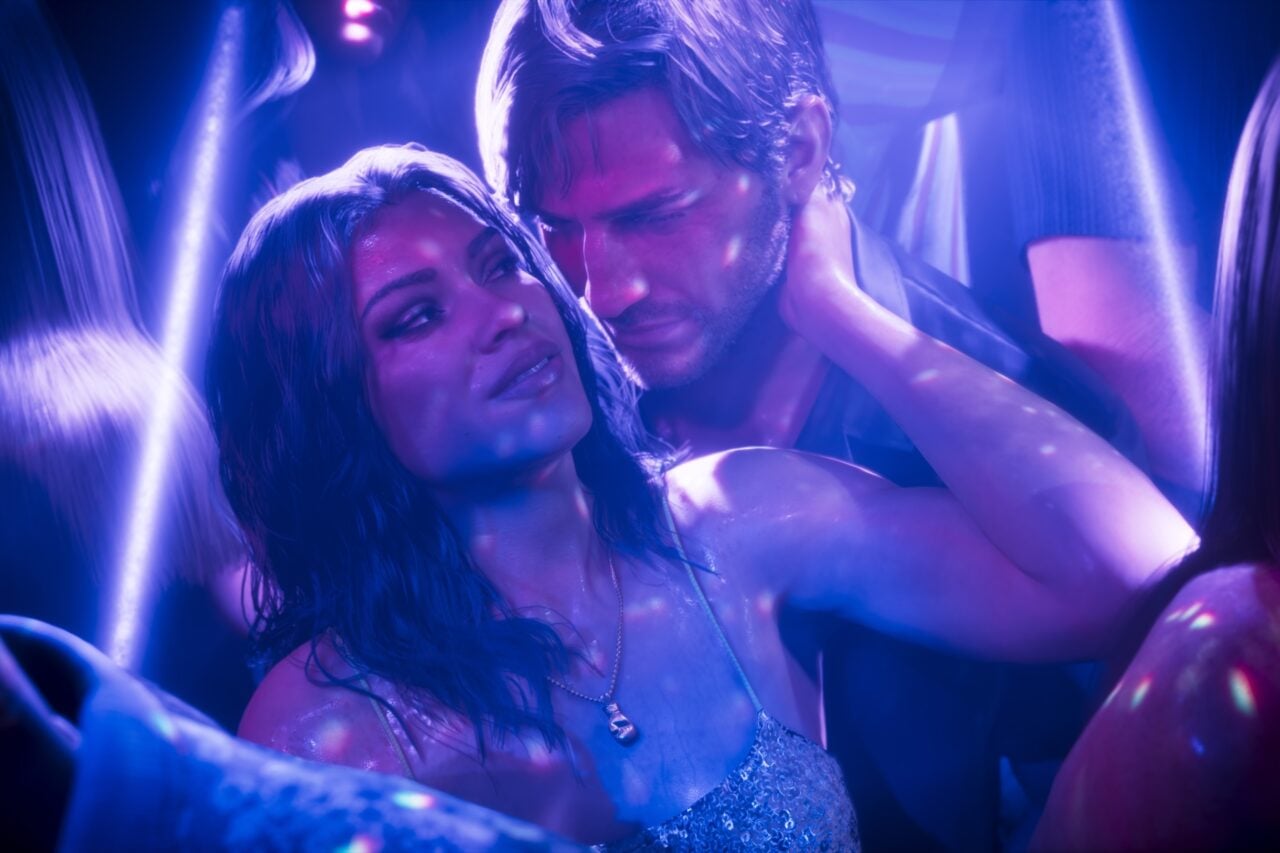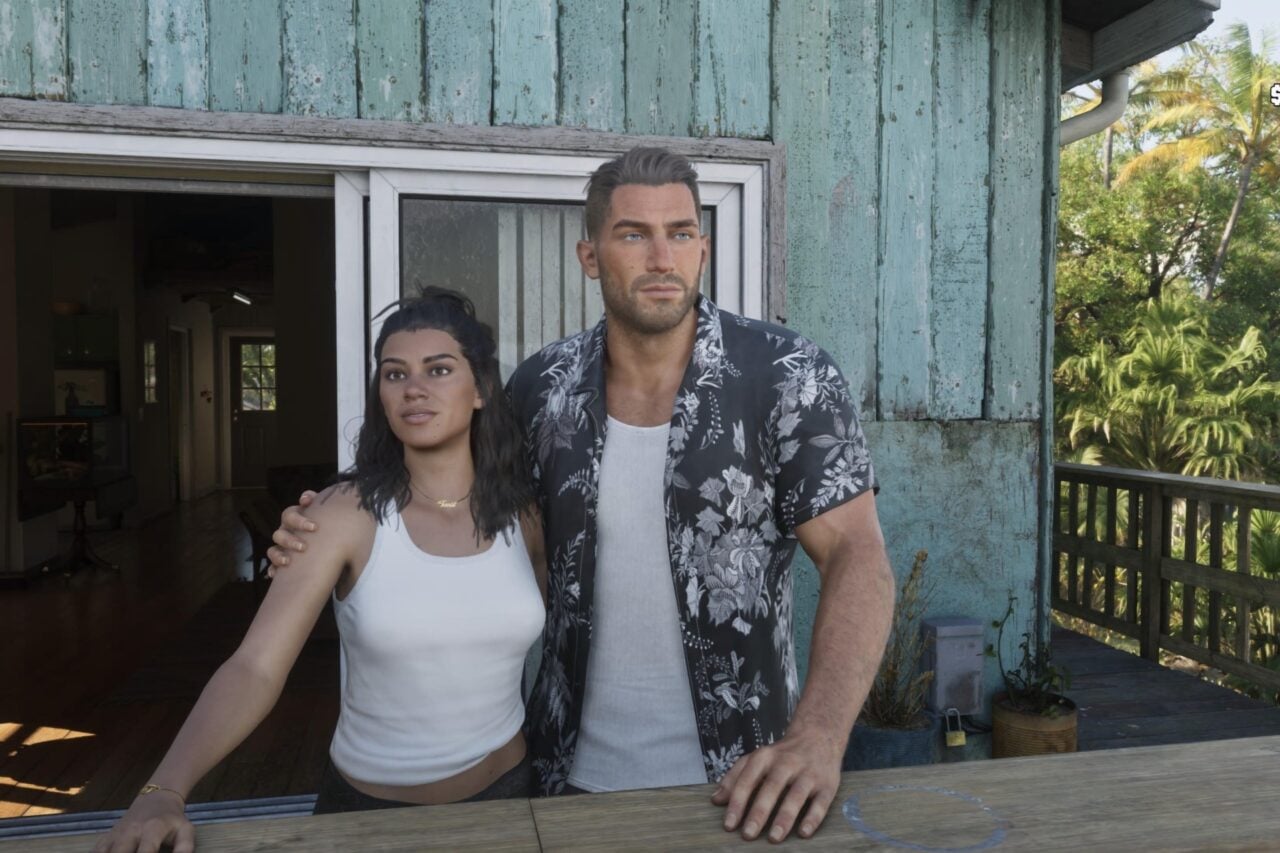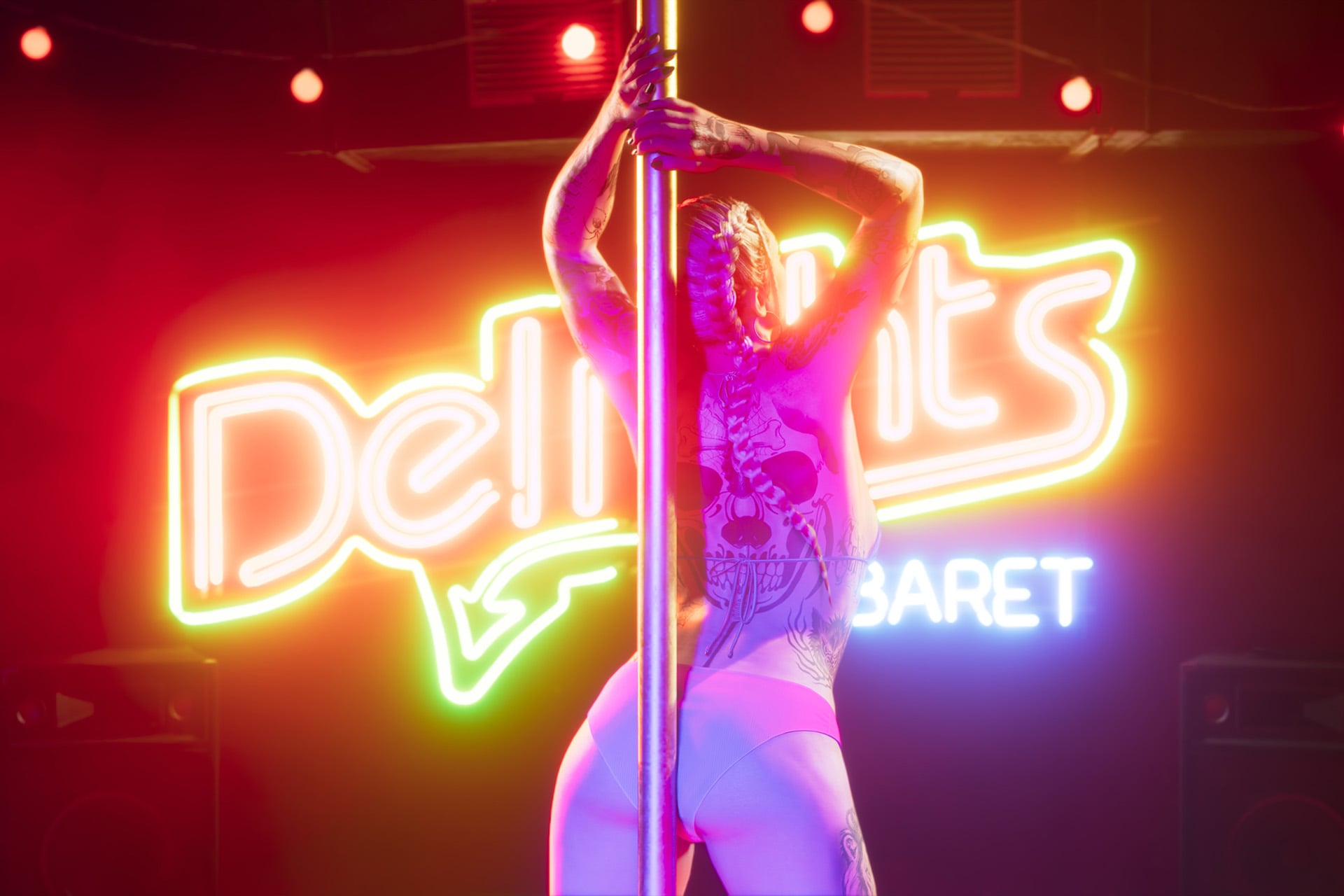
We wrote last week about how Twitch is doing its best to accommodate advertisers looking to advertise on Grand Theft Auto VI streams—and, as a welcome side effect, making life easier (and more profitable) for streamers. But if you were worried that tech companies might be developing a benevolent streak, players have spent the last few days discovering that there’s no cause for alarm.
Let’s start with PlayStation, the biggest beneficiary of GTA VI’s console-only launch. Given that Sony has helped sell squillions of games—and, presumably, consoles—over the last few days, you might think the company would be feeling uncharacteristically magnanimous toward the people populating its PlayStation Network. And given that all those sales have come courtesy of a franchise that has always worn its 18+ nature on its sleeve, you might think Sony would be loosening its collar a bit when it comes to adult content.
Wrong. Wrong. A player going by DerrickGott007 found this out the hard way when, according to a post he made over the weekend, he got slapped with a 30-day suspension from the network’s social features for sharing “pornographic or obscene content.” His offense? Sending a friend a screenshot from GTA VI’s in-game nudist beach taken with the in-game camera. This raises some fascinating ethical questions: Selling a game that features titties? Fine. Playing a game that features titties? Fine. Screencapping those titties and sending them to a friend? In comes the banhammer.
Elsewhere, let’s return to streamers, and specifically those on YouTube, where the sudden abundance of GTA streams has thrown the spotlight on the platform’s much-loathed copyright claim system. While there are many things to hate about that system and its general disregard for the concept of fair use, perhaps its single most egregious aspect is that it places the onus on creators to disprove copyright violation claims. This has created a sort of Napoleonic law of the frontier, where copyright holders with access to YouTube’s automated enforcement tools can claim that a video contains their material, potentially laying claim to some or all of that video’s revenue unless its creator devotes the time and effort to disputing the claim. It’s easy to see how abusable this system is: Although YouTube can penalize those who abuse it, questionable claims can still cost creators time and money, and bad actors have every incentive to gamble that at least some of their claims will go unchallenged.
Much of the problem comes down to Content ID, YouTube’s automatic copyright detection system, which scans new videos and compares their content to “a database of audio and visual files submitted by copyright owners.” The system’s automated nature, along with the general impossibility of actually ever talking to a real person that characterizes tech companies’ support services, has led to all manner of frustration for video creators.
Recent highlights on this front include veteran YouTuber Davide Biale, aka Davie504, who has amassed an audience of over 14 million subscribers with his videos extolling the virtues of the bass guitar. Biale has made it clear that the multitude of copyright claims he receives on his videos is imperiling the financial viability of his channel. The situation reached peak absurdity when Biale uploaded a video from the world’s most silent room, in which he “played” Simon & Garfunkel’s “The Sound of Silence” by miming in complete silence for several seconds. Boom. Copyright claim. The claim was eventually removed, but the fact that it happened at all is astonishing.
What does this have to do with GTA VI? Well, given what we’ve just said about the nature of YouTube’s copyright system, you probably won’t be surprised to learn that GTA VI streams have attracted copyright claims like large piles of shit attract flies. Weirdly, though, the most prominent barrage of claims has come not from the usual faceless grifters but from Colombian musician Andrés Mauricio Arango Flórez, who goes by the stage name “Frank El Santo.”
It seems that Flórez uploaded a video of himself playing the game to his channel, which otherwise features his own music, and that the gameplay footage somehow ended up in YouTube’s Content ID database of copyrighted material. The system then apparently began matching that footage against other videos of people playing GTA VI, generating a wave of copyright claims. This is particularly strange because YouTube’s own rules explicitly prohibit anyone other than a game’s publisher from submitting gameplay footage as Content ID reference material in the first place.
That’s certainly the version of events put forth by Flórez himself, although not everyone is buying it. Some commenters have accused the musician of deliberately exploiting the system, an allegation he denies. YouTube has not publicly explained how his footage became eligible for Content ID matching.
On Sunday, YouTube acknowledged the problem, saying that it had been resolved and that the company was working to release the affected copyright claims. At least one affected streamer has confirmed that his claim was removed, although YouTube hasn’t said how many creators were caught up in the mess.
Whatever the case, the situation demonstrates both the general brokenness of the YouTube copyright system—and that on the totem pole of “people about whom pretty much anyone in the tech industry actually cares,” users/consumers/the general public come dead last. Same as it ever was, etc.