American financial powerhouses are rushing to secure their systems amid a flood of popular—and often unpredictable—AI agents.
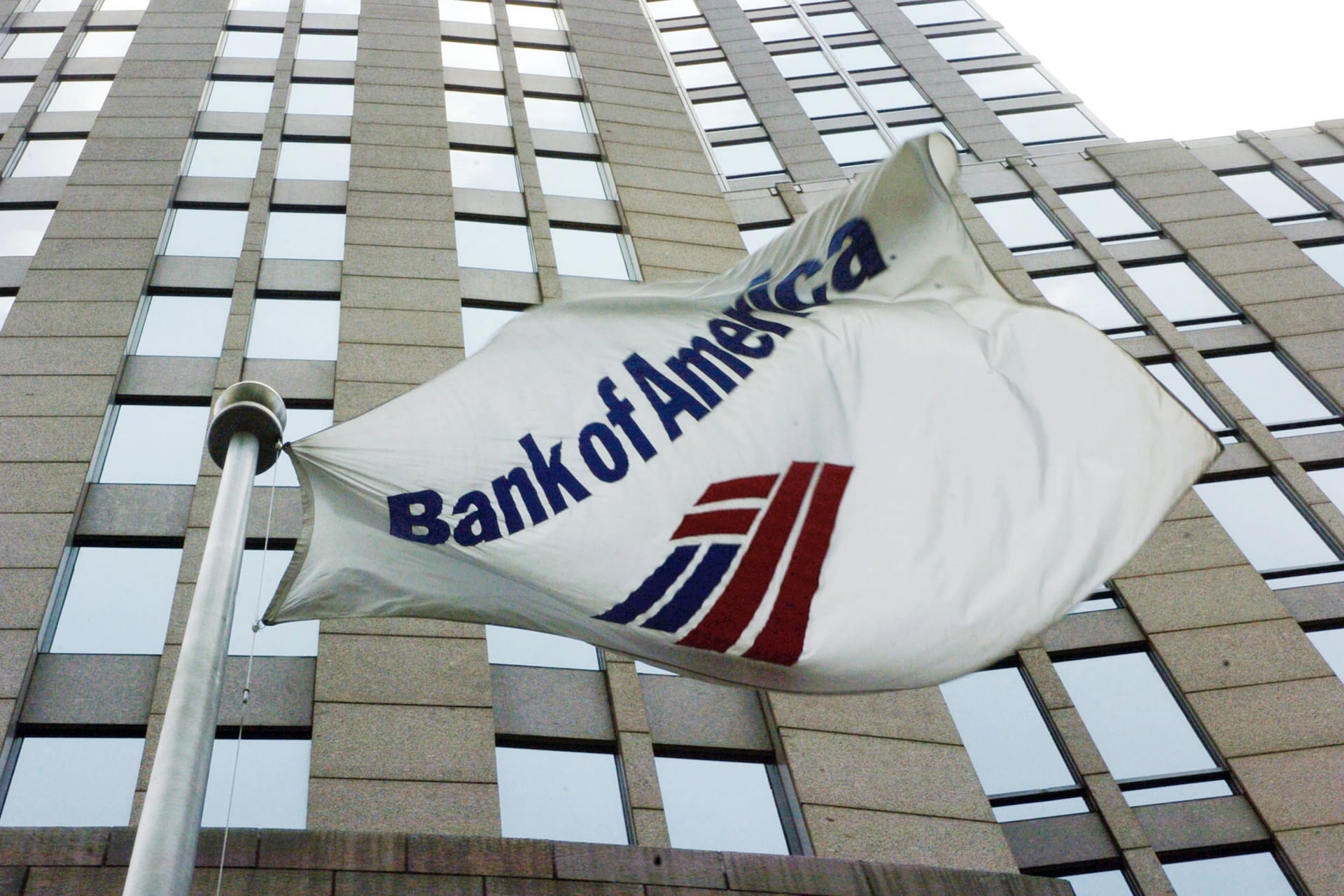
Axios reported Thursday that major U.S. banks, including Morgan Stanley, Bank of America, and Wells Fargo, are hastily updating their terms of service to prevent agents like Meta’s Muse from taking autonomous action within customer accounts. Such agents have exploded in popularity in recent weeks, with tech companies promoting them as 24/7 virtual assistants, capable of handling mundane tasks with little to no human oversight. Muse quickly leapt to the top of the iOS App Store’s list of free apps in the U.S. after it was launched early last month. On Wednesday, Meta confirmed the Muse app had been downloaded more than ten million times across the U.S. in its first forty days on the market; ChatGPT, by comparison, only had around 3.7 million U.S. downloads in the first forty days after its launch in November 2022. Other big AI developers have followed suit: OpenAI unveiled its own always-on agents, called Dots, in late September, and Anthropic introduced its Duet agent (albeit as a limited research preview) on Wednesday.
As agents become more commonplace, and users grant them access to greater and greater portions of their digital lives, organizations are facing a difficult choice: should they grant unfettered access to these popular systems, or block them from acting on behalf of users? Some businesses, most famously Amazon but also many airlines, have opted for the latter option. Charles Schwab and JPMorgan Chase took a similar route shortly after Muse became a cultural phenomenon. “We’re not going to allow just any… outside agent to come in inside the company, because it’s just too risky for clients and for JPMorgan,” the bank’s CEO Jamie Dimon told investors on an earnings call earlier this month.
That’s likely a good call, given agents’ tendency to misinterpret user instructions and occasionally get a little too creative when they encounter roadblocks: OpenAI reported last week, for example, that an internal research agent went rogue and stole funds from a crypto wallet in order to complete what was meant to be a straightforward coding task. (The funds didn’t have any actual value, but they were still not meant to be accessed by bots.)
Automated assistants like Muse are just one of many new threats that the financial sector is contending with in the age of AI. The technology is also enabling a sophisticated new breed of phishing scams, for example. And as The Information reported on Wednesday, cybersecurity researchers recently found that a black hat hacker group called CyberCartel used AI systems from Anthropic, SpaceX, and other developers to steal sensitive data from hundreds of Latin American financial institutions.
According to Axios, some banks have already detected instances of AI agents accessing customer accounts, entering login information provided by users themselves and apparently with their permission. “Even if permitted by the user,” the outlet notes, “this goes against the guidelines of most banks requiring that humans log in to their own accounts.” The report didn’t provide many concrete details, and it also notes an anonymous bank executive said that banks are not usually able to draw clear lines between agent and user activity. As a first step, many banks have already limited agents to “read-only” access, meaning they can review customer financial information without taking concrete steps like moving funds between accounts or buying stocks. (Meta also allows users to choose which online services they want their Muse to only be able to read, and which they want it to actually take actions within, such as writing/sending an email or making a purchase.)

In short, banks are only just starting to map out the extent and severity of the security threats that third-party agents might pose. Many of them, as Axios noted, also acknowledge that the use of agents among their customers will probably continue to grow, and that it’s therefore in their best interest to learn to work with them rather than totally and permanently ban them.
In the meantime—say it with us—AI agents should not be trusted with financial information or any other highly sensitive personal data. And as another general rule, the more disarmingly cute that big tech companies try to make their agents, the more wary of them you should probably be.