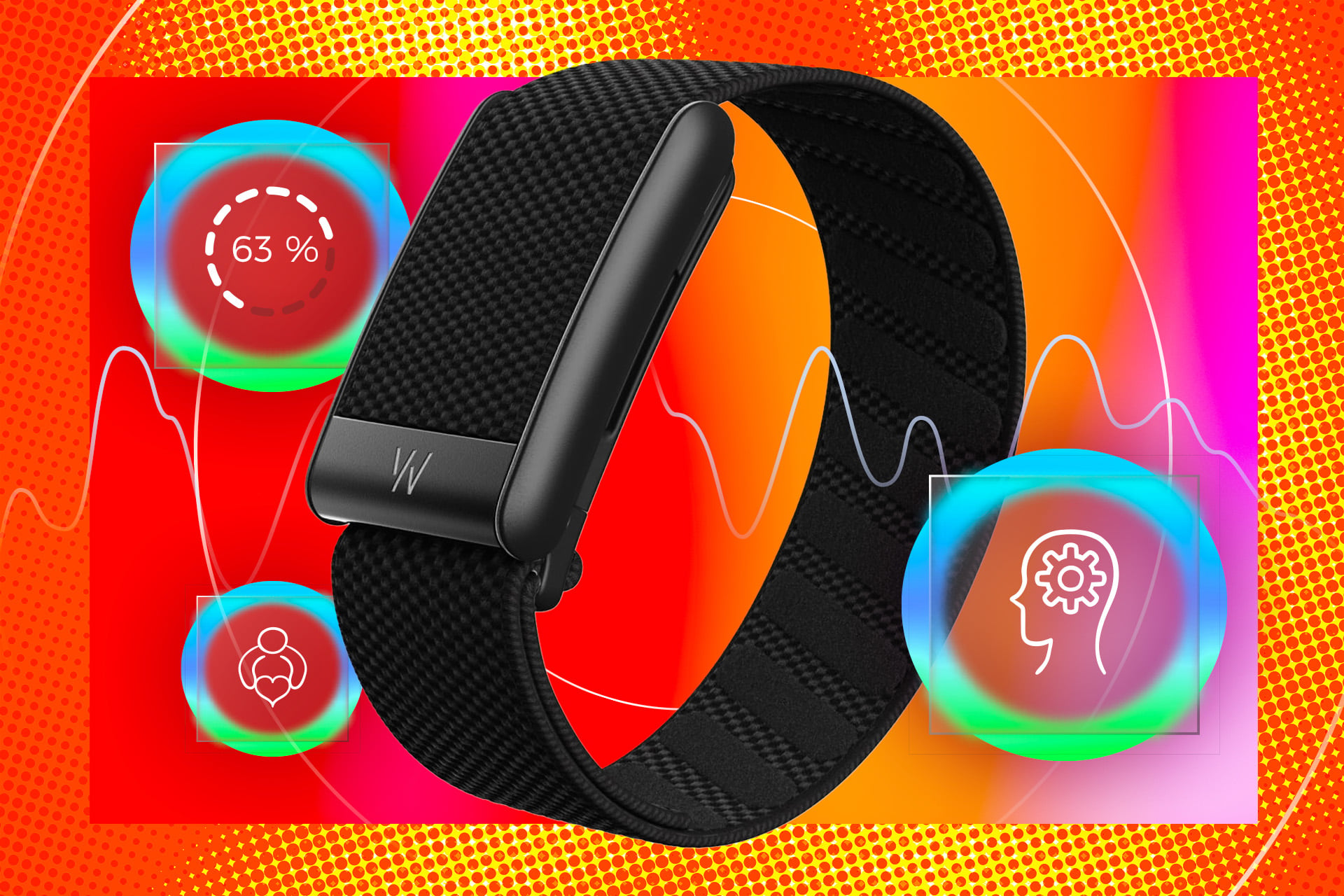
In 2026, everyone wants to make a Whoop competitor, and if they haven’t made one yet, they’re considering it. The subscription-based fitness band startup counts a roster of celebrity athletes as its fans and, as of March 2026, is valued at over $10 billion, but its data-obsessive approach to health and fitness tracking doesn’t necessarily seem like it would translate to the kind of mainstream appeal a company like Google prefers.
And yet Google did release its own take on Whoop, the Fitbit Air, in May. Then Garmin, long known for its GPS-enabled watches, followed up with its take, the Garmin Cirqa, in July. Even Apple is reportedly exploring screenless wearables. So far, all these companies are approaching the idea in a slightly different manner and undercutting Whoop by not requiring a subscription that starts at $199 per year. Even Oura, which could be equally credited with popularizing the idea of a screenless wearable, now also has multiple competitors, including Samsung’s Galaxy Ring.
In pursuit of fewer screens
Major consumer electronics companies have noticed some kind of untapped (or inadequately tapped) market in the wearable space. It would be easy to read those releases as a referendum on the smartwatch. But what’s driving the interest in screenless wearables has less to do with the quality of smartwatches than with our relationship to screens, the current state of sensors, and the growing comfort with wearables in general.
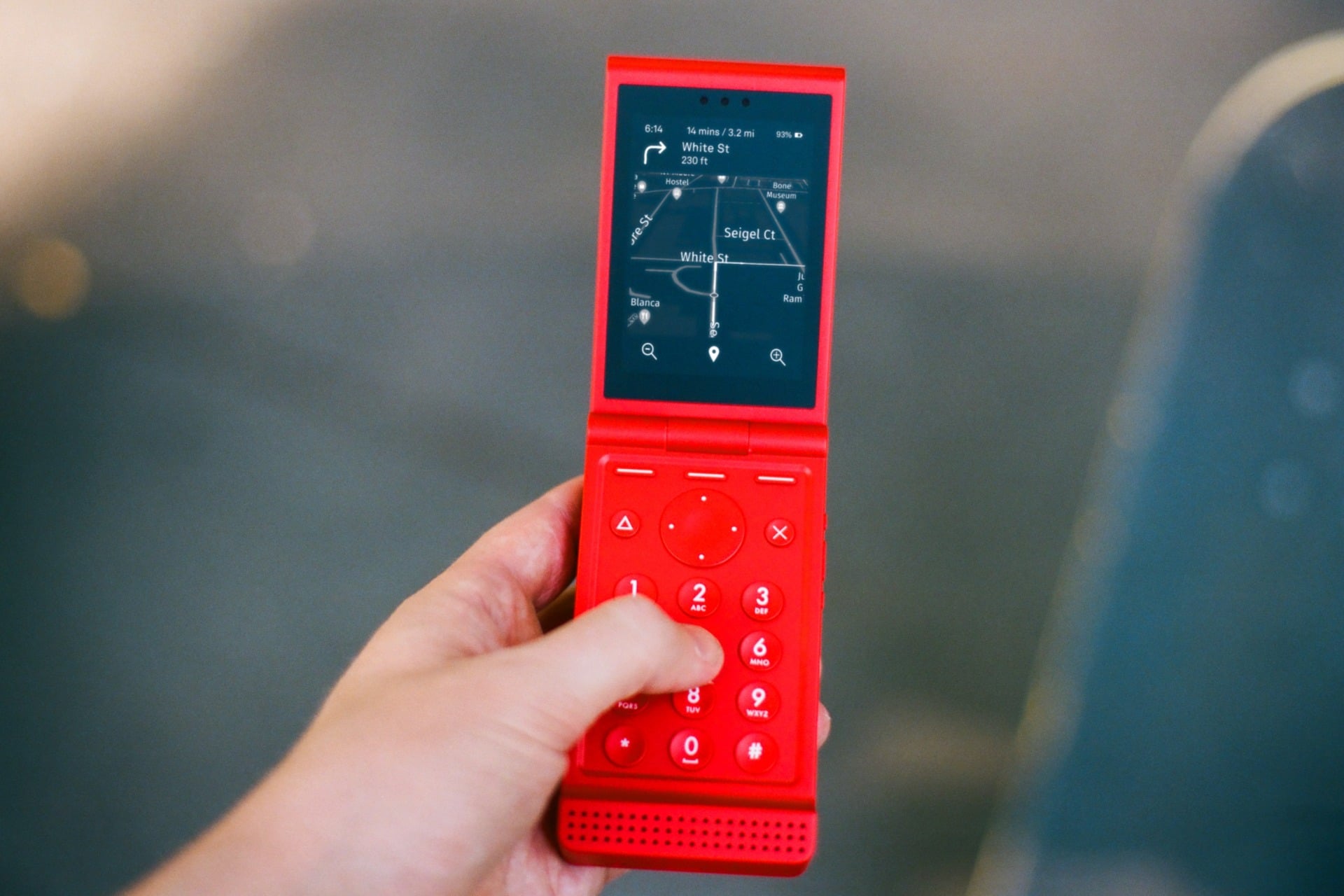
In the early days of Pebble, the novelty of interfacing with even a portion of the functionality of your phone from your wrist was enough. The promises got larger with the advent of the Apple Watch and the introduction of Android Wear. Maybe smartwatches could replace the smartphone; maybe they even should. But over a decade later, if they’re not tracking a workout, smartwatches are mostly another way for your smartphone to distract you with notifications. And if the countless stories of young people ditching their smartphones for dumbphones or the announcement of the Light Phone Flip weren’t big enough clues, that’s something people want to change.
Cutting down on the noise, kind of
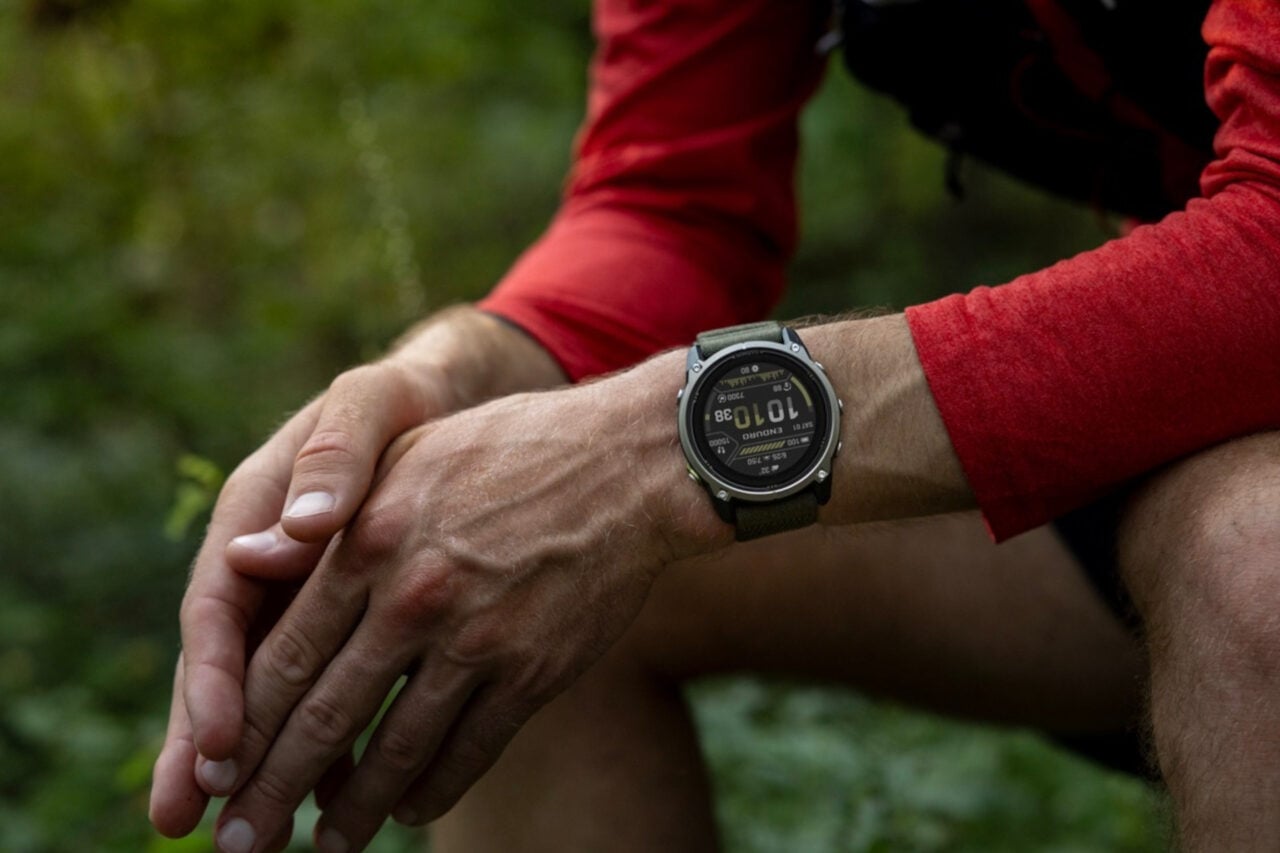
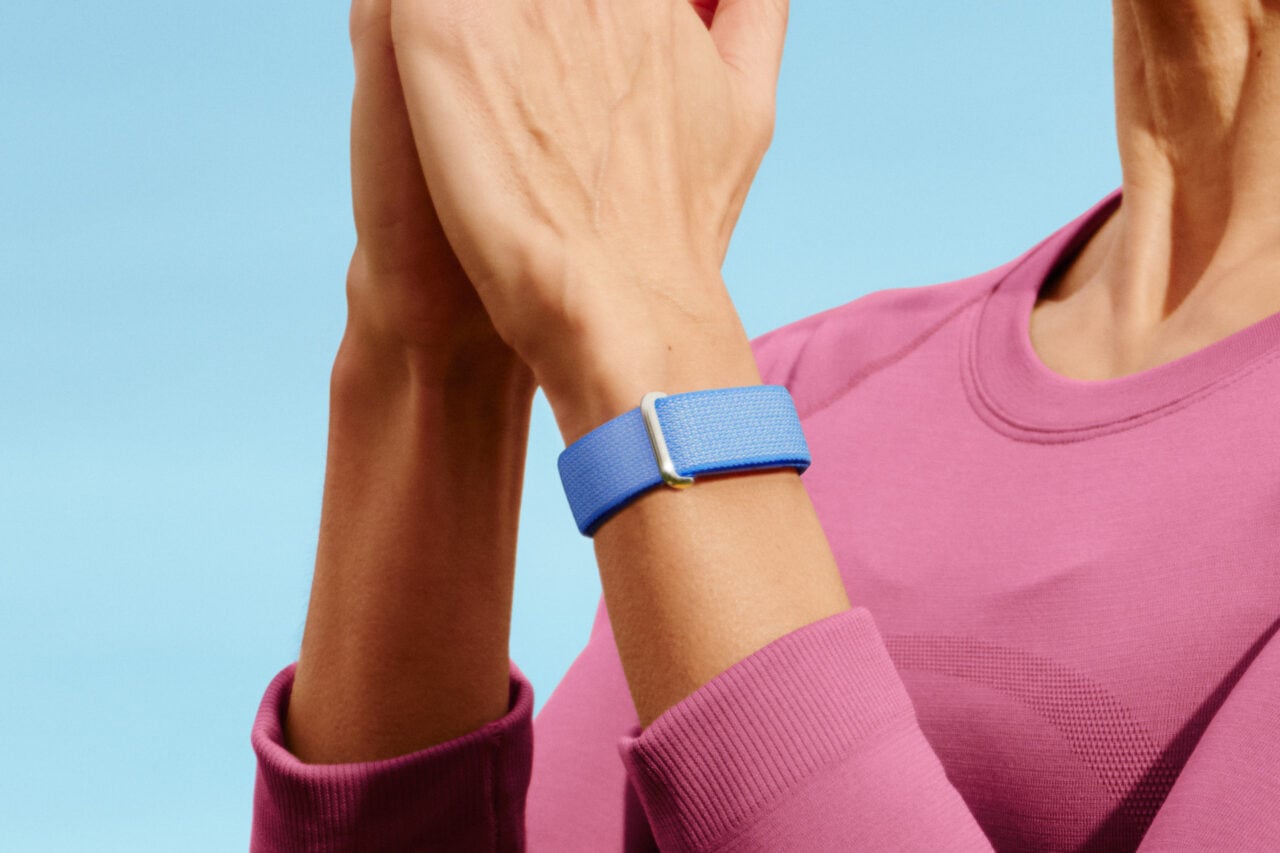
Swapping an Apple Watch for a Whoop, Fitbit, or Oura could be one way to cut down on the noise of a screen on your wrist without losing the ability to track your sleep or steps. A fabric band attached to a puck full of sensors demands less attention than a bright OLED display. It also potentially signals you’re someone whose life is less dominated by technology in general. Appearance plays a role in the backlash to screens: Part of the reason Light followed up the smartphone-shaped Light Phone 3 with the Flip is that users didn’t even want to be seen with a device even resembling a smartphone. “We have users who tell us, ‘Hey, I hate smartphones. I don’t want to be seen using a smartphone,'” Light co-founder Kaiwei Tang told The Verge.
Paradoxically, the lack of a screen on wearables like the Whoop 5.0 means you have to spend more time on your smartphone to actually see the data it collects. That suggests that, while screens are looked down upon, their absence isn’t the only reason people opt for a screenless wearable. It’s entirely possible it’s actually the parity in ability between screenless bands or rings and smartwatches that’s led to people choosing them now.
“There hasn’t been a significant change in sensor quality over the last few years, largely because miniaturizing new sensor types is costly and few new sensor categories have reached mass production,” Jitesh Ubrani, IDC’s director of worldwide device trackers, tells Gizmodo.
That means that the kinds of sensors that are on wearables—accelerometers for motion and photoplethysmograms (PPG) sensors for heart rate, blood oxygen levels, and respiration—have been effectively miniaturized, and the algorithms that run them are the most significant improvements year-over-year. The sleep apnea notifications Apple introduced alongside the Apple Watch Series 10 are the exact kind of fruit that work can bear. The company’s rumored work on a noninvasive glucose monitor is an example of how much room there still is to grow.
Screenless and unbothered
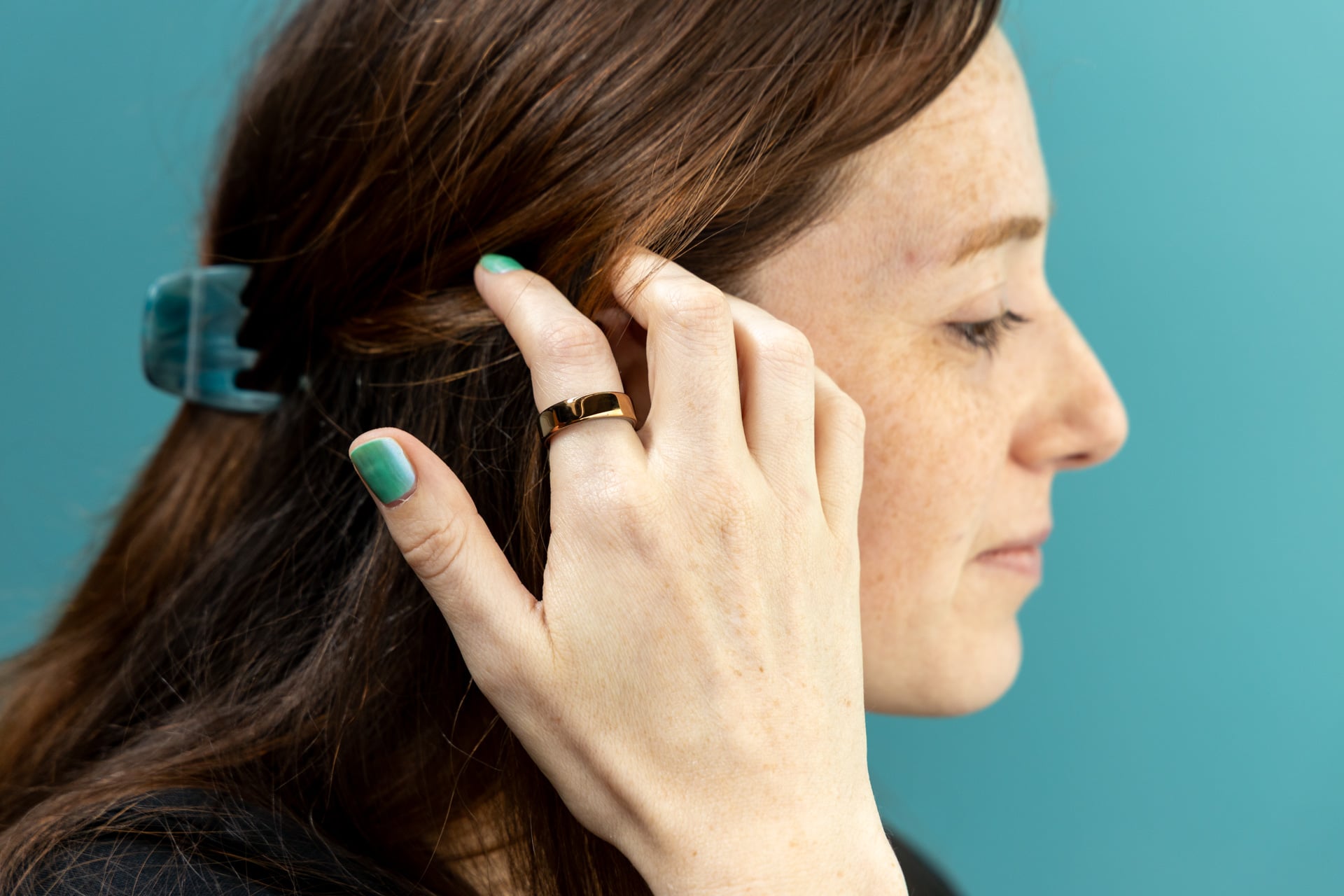
With the sensors that are available, you don’t necessarily need a smartwatch to receive the same information about your health. Not having a screen allows for extended battery life, multiple analysts noted to Gizmodo, which could also make screenless wearables more appealing than their smartwatch counterparts. For example, the Oura Ring 5 can get around a week of battery, while an Apple Watch Series 11 only lasts a little over a day. With smaller, less noticeable sensors and longer battery life, it suddenly became a lot more palatable to wear a screenless wearable for an extended period of time or even multiple wearables at the same time.
This is, perhaps unsurprisingly, the current hope of companies like Google, Samsung, and Apple. In their ideal world, customers will find a combination of devices to wear every day, and maybe even some they’ll be willing to pay a subscription to use. Beyond connecting to a smartphone, these devices will be able to collaborate in new ways. For example, Google has already shown how a Pixel Watch could act as a viewfinder for its upcoming smart glasses. And even without those direct integrations, people are already finding ways to use screenless wearables with the smartwatches they already own. A common use case for devices like the Oura Ring and Whoop is as companions to smartwatches that take over sleep tracking at night because they’re more comfortable to wear to bed.

“People do want fewer screens to be distracted by, and the sensors and machine learning algorithms have gotten better, but the biggest change is the importance of sleep,” Avi Greengart, Techsponential’s president and lead analyst, shared with Gizmodo. “Widely publicized research has shown that sleep impacts our productivity, our energy, and our cardiovascular health. And if you can track your sleep, the software—and, increasingly, AI—can help you understand it and make suggestions on how to improve and make real positive impacts on your overall health. Screenless wearables like rings and fabric fitness bands are easier to sleep with than thicker smartwatches with displays.”
Endless electronics
Choosing to add another wearable to solve the problem of sleep tracking rather than anything else is as good evidence as any that people are more comfortable wearing electronics than they’ve ever been, provided they conform to their needs. Screenless wearables, whether a ring or a wristband, do that even better than a smartwatch.
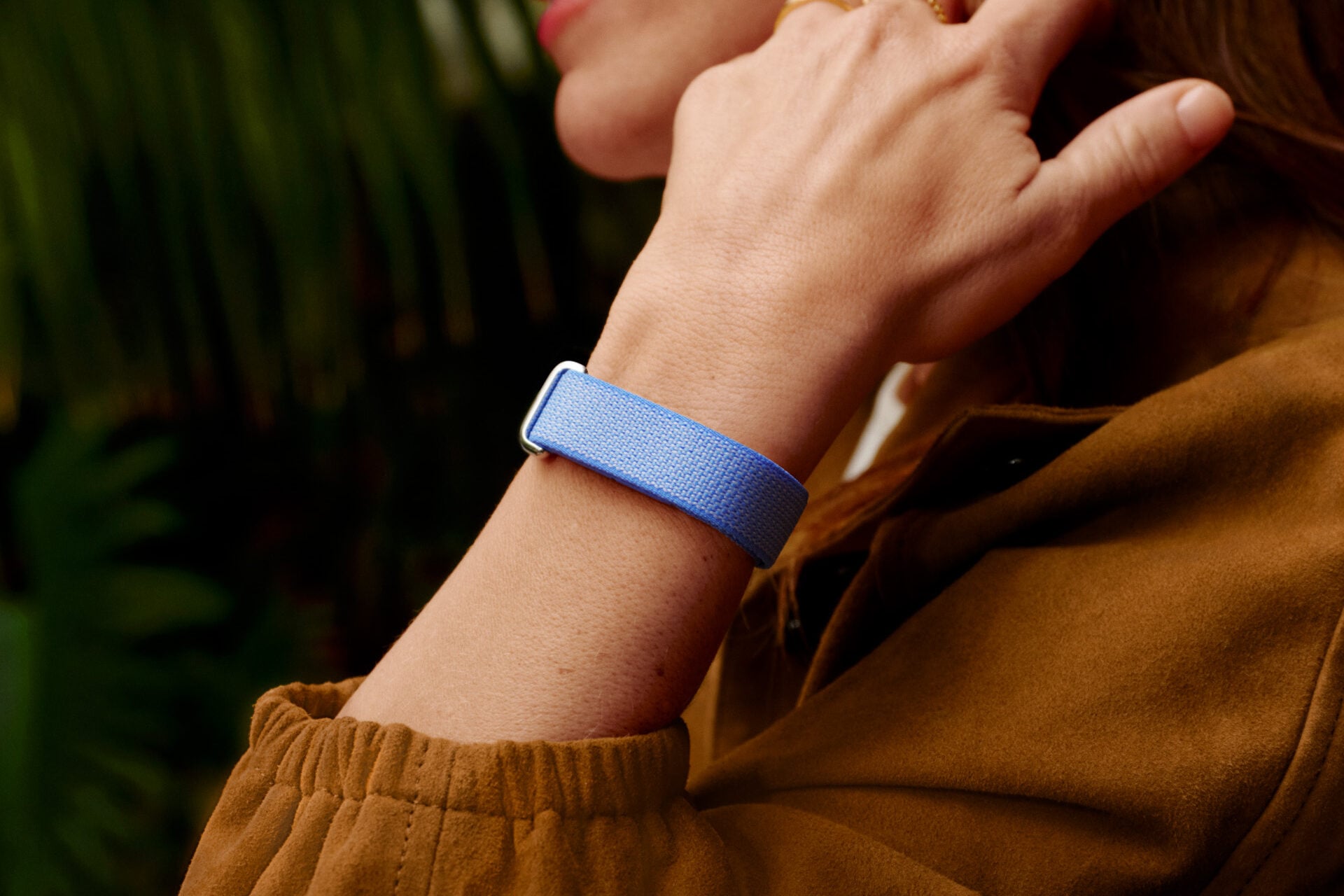
The great irony is that we’ve been here before. The Jawbone Up, one of the first well-known fitness trackers, was released in 2011. The Up could only track a user’s activity, steps, and sleep, but in terms of being a featureless band that you could forget you were wearing, it has a lot in common with the screenless wearables of 2026. You could say the same thing of the Nike+ FuelBand that launched in 2012 or the Fitbit Flex that launched in 2013. The sensors, software, and general acceptance of strapping gadgets to your body have improved, but the simplicity of these devices is still their best idea. The question now is whether they will continue to exist as a competing and complementary sibling of the smartwatch or someday replace wrist-worn screens entirely.