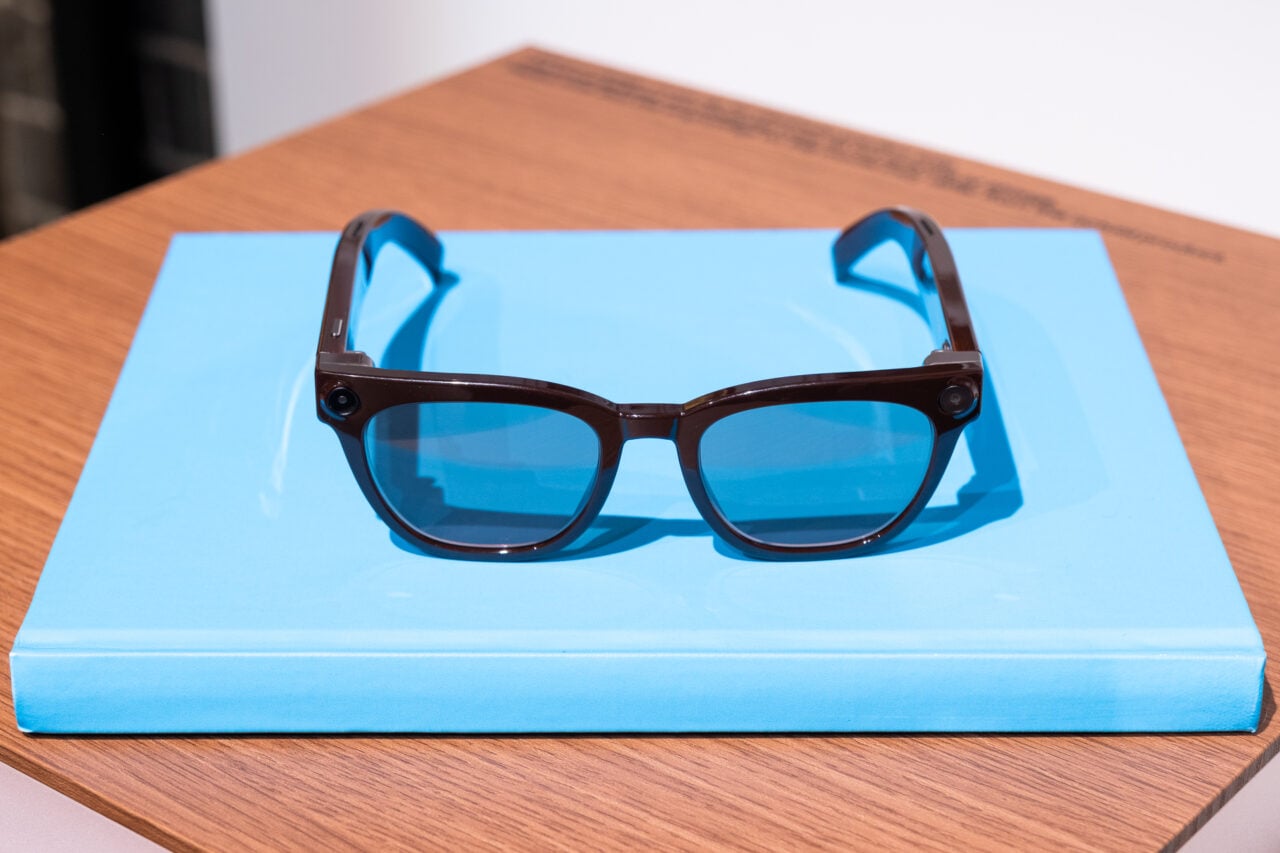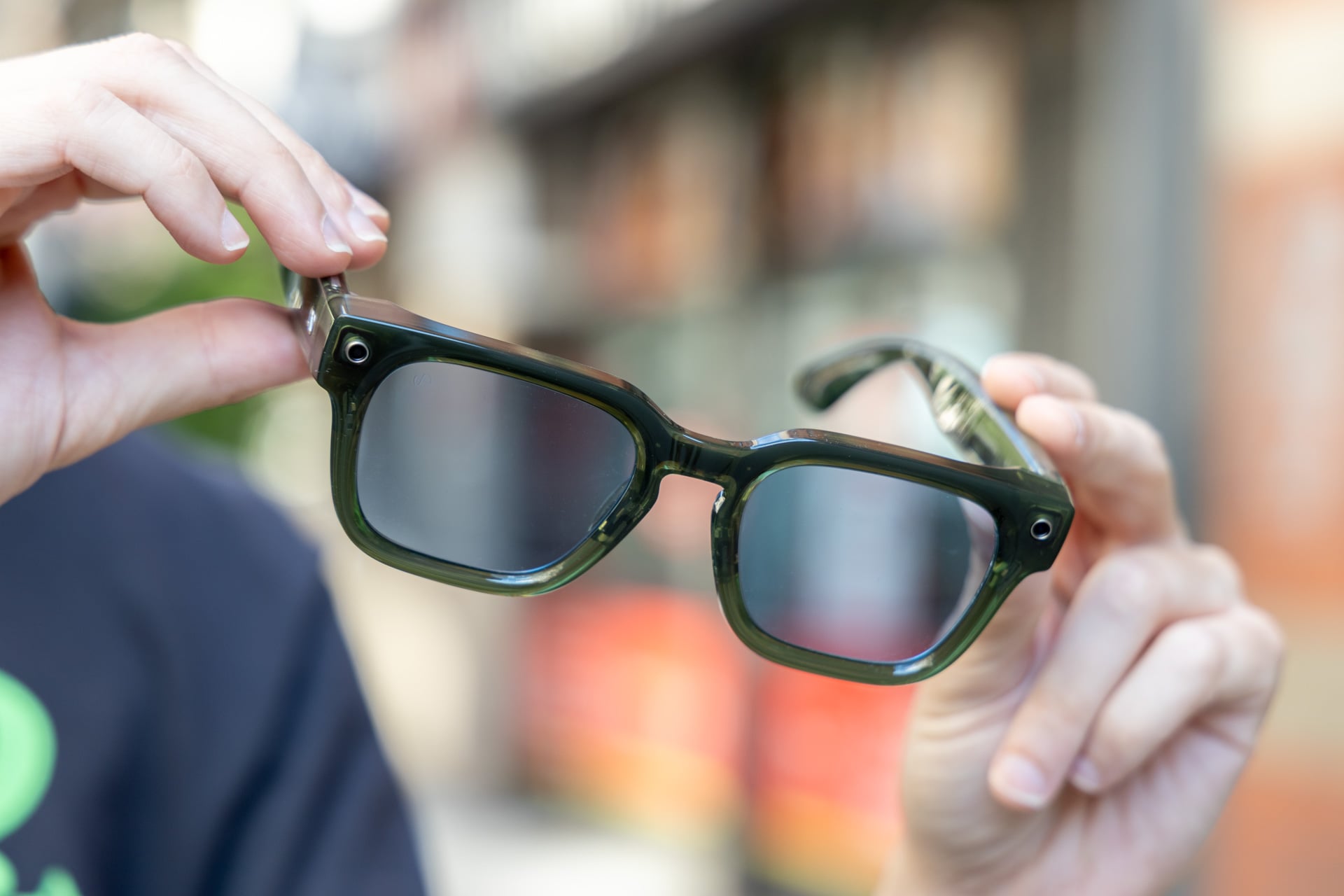
Suddenly, smart glasses are expanding into many new arenas. There are smart glasses for productivity, smart glasses for sports, smart glasses for people with hearing impairments, and loads of smart glasses for cheating on tests—I mean, uh… taking pictures and videos.
With that expansion, it only feels natural that smart glasses would also want to do something that loads of gadgets already do: track your health.
Like basically every other wearable out there, smart glasses are drifting towards health tracking, and the trend is becoming increasingly more sophisticated. While major players like Meta have already introduced health-monitoring features like nutrition tracking to their smart glasses, using their frames to monitor all of the food you shove into your mouth, newer entrants into the space are taking the idea a step further.
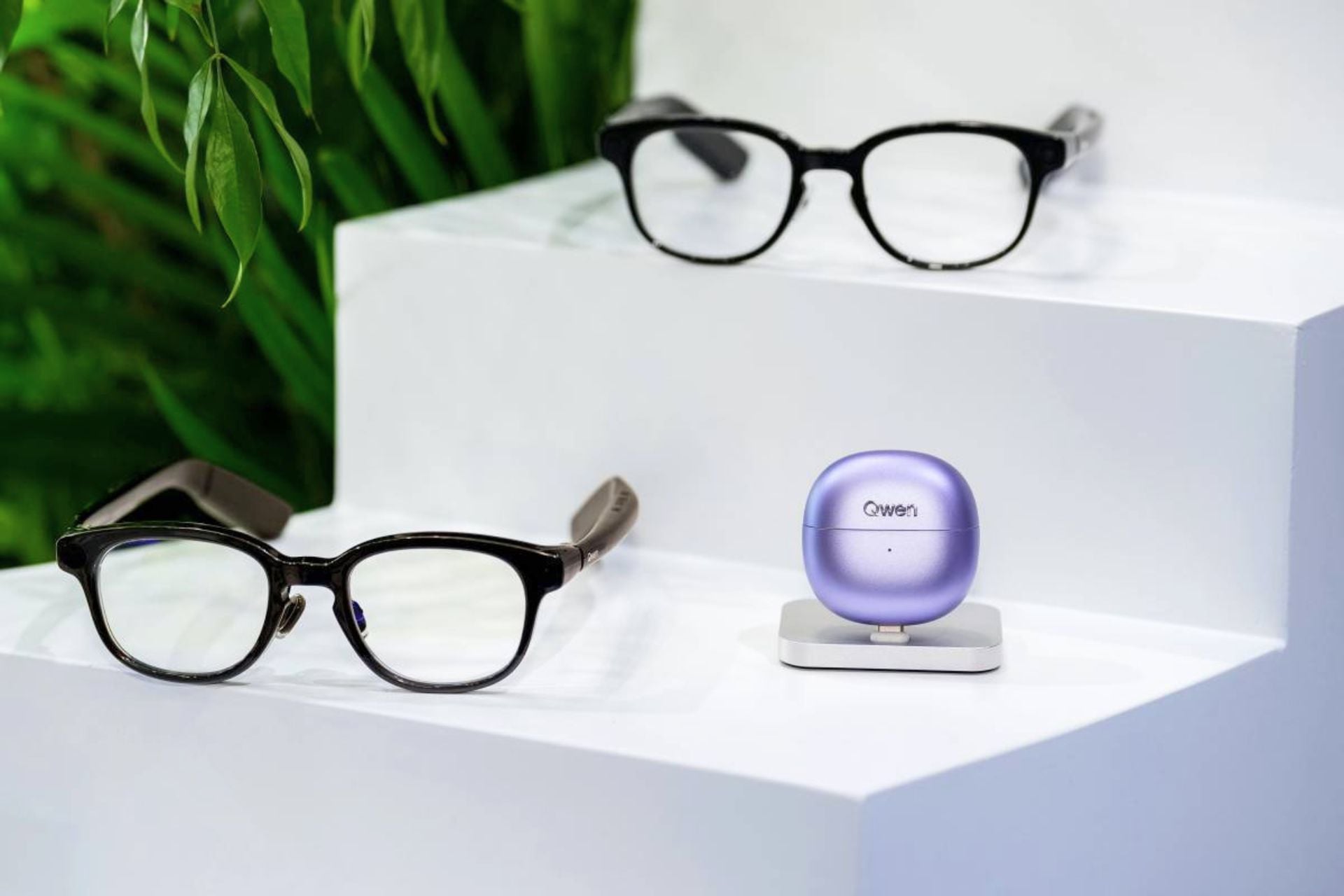
Take Alibaba, for example, which has its own line of Qwen AI glasses. These smart glasses do a lot of the same things that Meta’s do, but they also include extra sensors. On the Qwen N1 Pro, for example, there are sensors dedicated to monitoring several health metrics, including skin temperature, blood oxygen, and heart rate—a few of the core abilities of most health wearables like smart rings or smart watches.
Smart glasses aren’t just copying key features of other health wearables, though; they’re using the unique position on your face to expand into uncharted territory. The aforementioned Qwen N1 Pro, for example, leverages an eye-tracking module (a sub-2mm camera on the glasses) to keep tabs on your eyes. The idea here, beyond allowing you to navigate the smart glasses’ UI with your gaze, is that they can also inform you about things like eye strain and fatigue. And Alibaba isn’t the only company looking in that direction.
A startup called Stasis recently showed off its own prototyped version of eye-tracking smart glasses focused on health. Its smart glasses haven’t been launched yet, but the company says they’ll be able to use eye tracking to give you insight into eye fatigue, focus, and the general state of your eyes—whether they’re well-rested or need to take a break. The company is taking preorders and says they’ll start shipping in March or April of next year.
A first look at what STASIS (@ycombinator F26) has been up to.
Your watch knows your heart rate. Your ring tracks your sleep. But after 9+ hours on a screen, you guess when it comes to your eyes.
STASIS is the first smart glasses that read every blink, every squint, & every… pic.twitter.com/BE5ZtNnPBB
— Soham Chakraborty (@sochak03) November 9, 2026
On the research side of things, smart glasses’ health tracking capabilities are getting even weirder. Probably my favorite confluence of the two is a pair of “blink-powered” smart glasses that are designed to harvest energy from your minute facial movements. Researchers say that even a “quick blink” or an “artery’s faint pulsing” could give the glasses enough mechanical energy to use their “highly sensitive sensors.”
The idea here is that smart glasses with this kind of technology could be an ultra-efficient way to monitor all sorts of health metrics—for instance, monitoring cardiovascular health, bruxism (inadvertent jaw clenching and teeth grinding), fatigue, eating behaviors, and more, all without the use of a bulky battery or even the need to recharge. This is similar to research we’ve been following around using body heat to power wearables.
All these innovations are in their very early stages, to be sure, but it shows the general direction that smart glasses could be headed, and it seems inevitable that we’ll be getting more interest in health-tracking down the line. And the best part? You don’t need an outward-facing camera to do any of that stuff, which means no one can accuse you of cheating on a test, lying in court, or just being a glasshole in general.