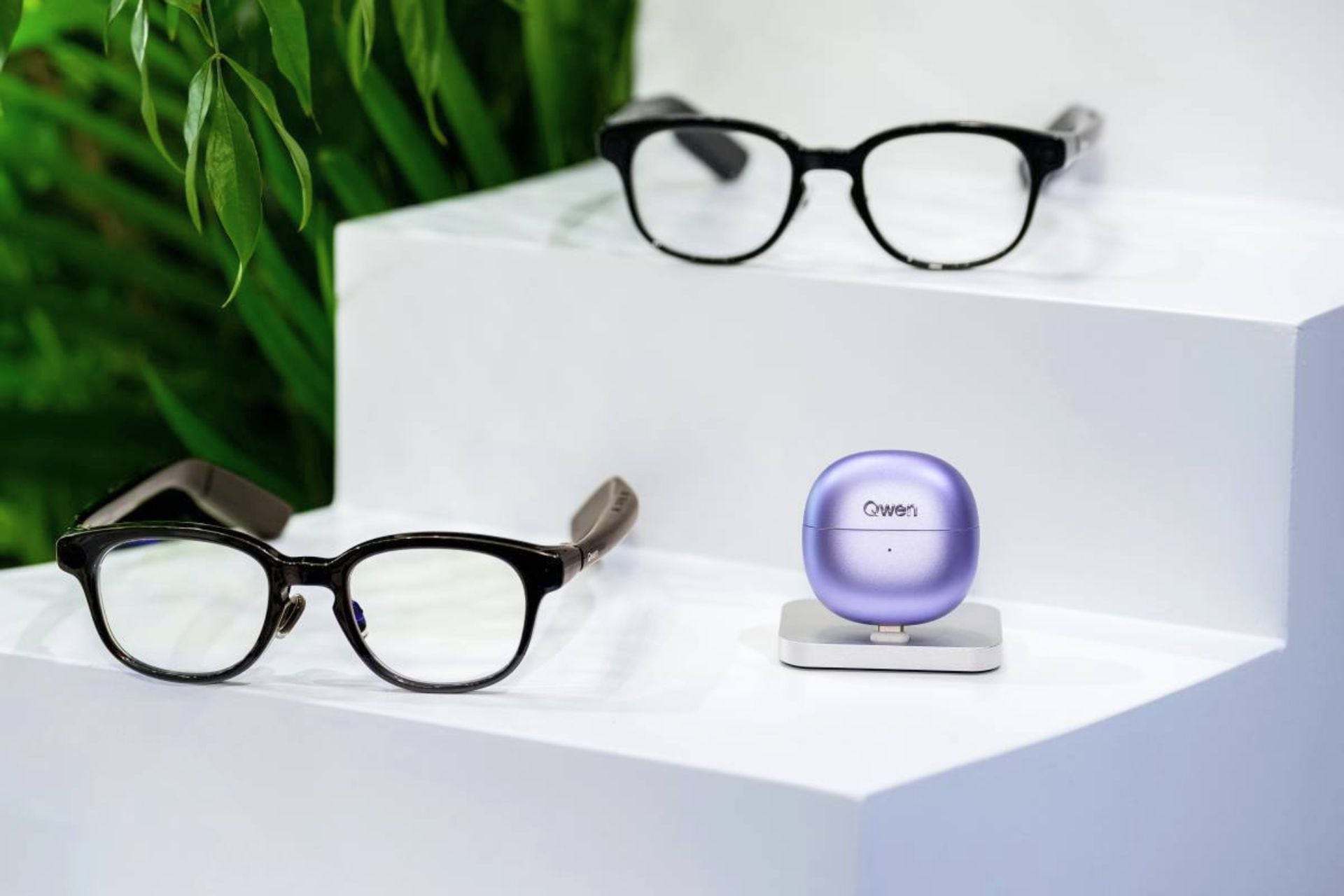
While Meta dominates the conversation about smart glasses in the U.S., in China, it’s all about Alibaba. The e-commerce giant now has multiple generations of smart glasses, and if a recently announced pair is any indication, they’re starting to put some serious distance between them and Meta’s counterparts, at least technologically speaking.
The $490 (3,499 RMB) Qwen Glasses N1 boast a few eye-opening specs, and one of the most impressive is the camera. Alibaba says its new generation comes with a 50-megapixel sensor. To put that into perspective, even the newest Meta smart glasses, the Ray-Ban Meta (Gen 3), only have a 12-megapixel sensor. Megapixels aren’t everything, but that’s still a significant jump in resolution.
And that’s not the only head-turning number, either. Alibaba says that its new smart glasses have a borderline unbelievable battery life. According to the company, the Qwen Glasses N1 have 25 hours of battery on standby and nine hours for music playback. That blows Meta out of the water. The most recent Ray-Ban smart glasses are rated for a maximum of nine hours on a single charge, though that’s with more mixed-use scenarios. Based on my testing, you’ll get about six-ish hours of battery life if you’re continuously playing music.
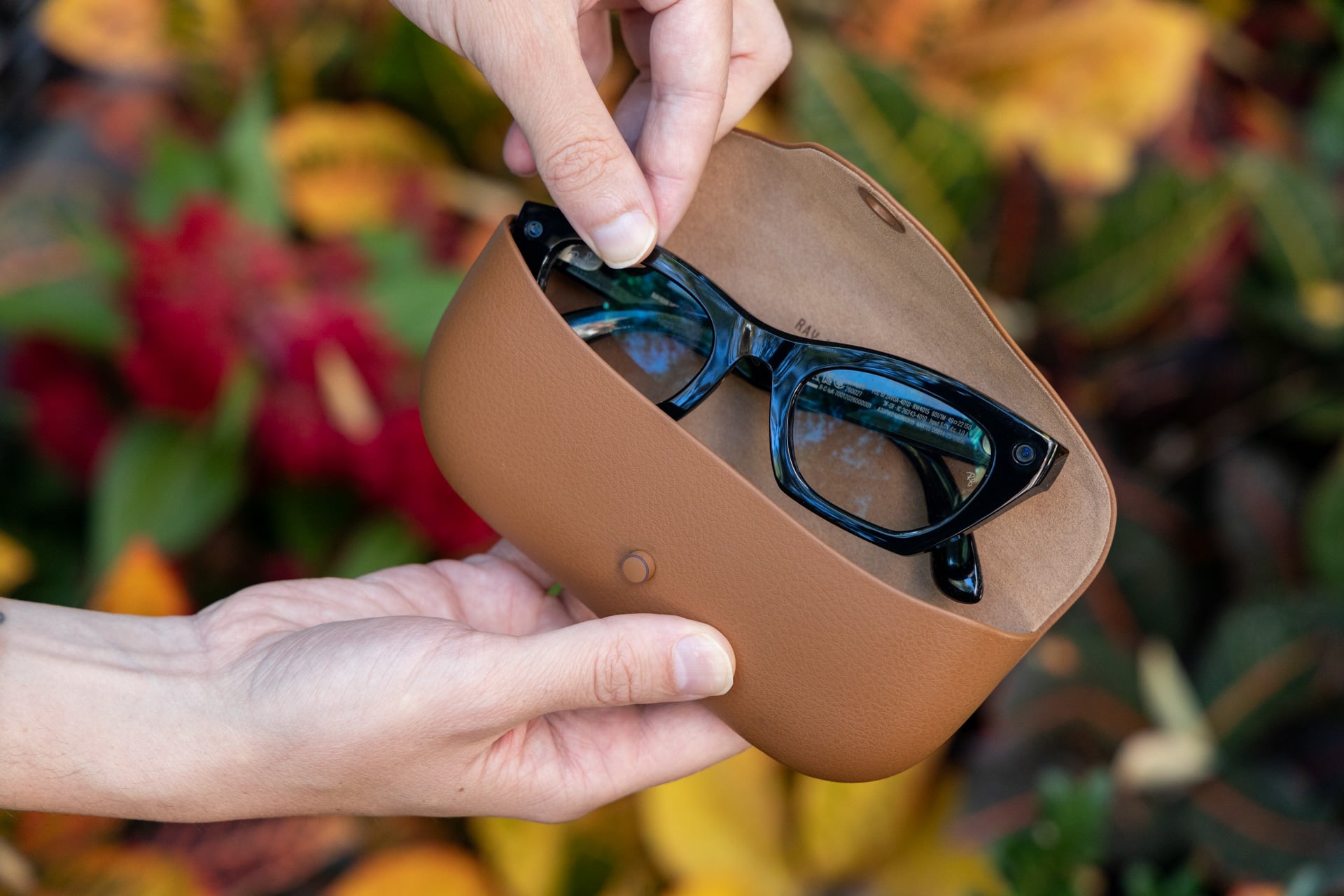
Why stop there, though? The Qwen Glasses N1 also have some features that Meta flat-out does not have at all. On Alibaba’s new flagship smart glasses, there’s a module (a tiny 1.7mm camera) for eye tracking that opens up a few possibilities. One is that the smart glasses’ AI can understand exactly what you’re looking at by tracking your gaze, potentially minimizing the chance that it’ll misconstrue a query while using computer vision.
Alibaba is also using the module for biometric authentication. Eye tracking can reportedly scan your iris to confirm payments if you’re the type of person who’s fine with buying stuff from your smart glasses by just looking at a QR code. For context, Alibaba’s smart glasses integrate Alipay, which is Alibaba’s mobile payment system.
Oh, and Alibaba tossed in a sensor on the bridge to track your temperature, meaning the Qwen Glasses N1 also double as a health wearable to a smaller extent. Whether any of this stuff works as advertised is another story, and I can’t say for sure, having not tested these smart glasses myself, but on paper, it’s a step above what’s available in the U.S.
Alibaba and Meta aren’t really in direct competition, given their closed markets, but if they were, it’d be a reason for Meta to start shaking in its boots—that and all of the backlash, of course.