Whoop is about to get some serious competition. Last year, Polar challenged Whoop’s screenless health and fitness tracker with its subscription-free Loop, and now Google is jumping into the arena with the Fitbit Air.
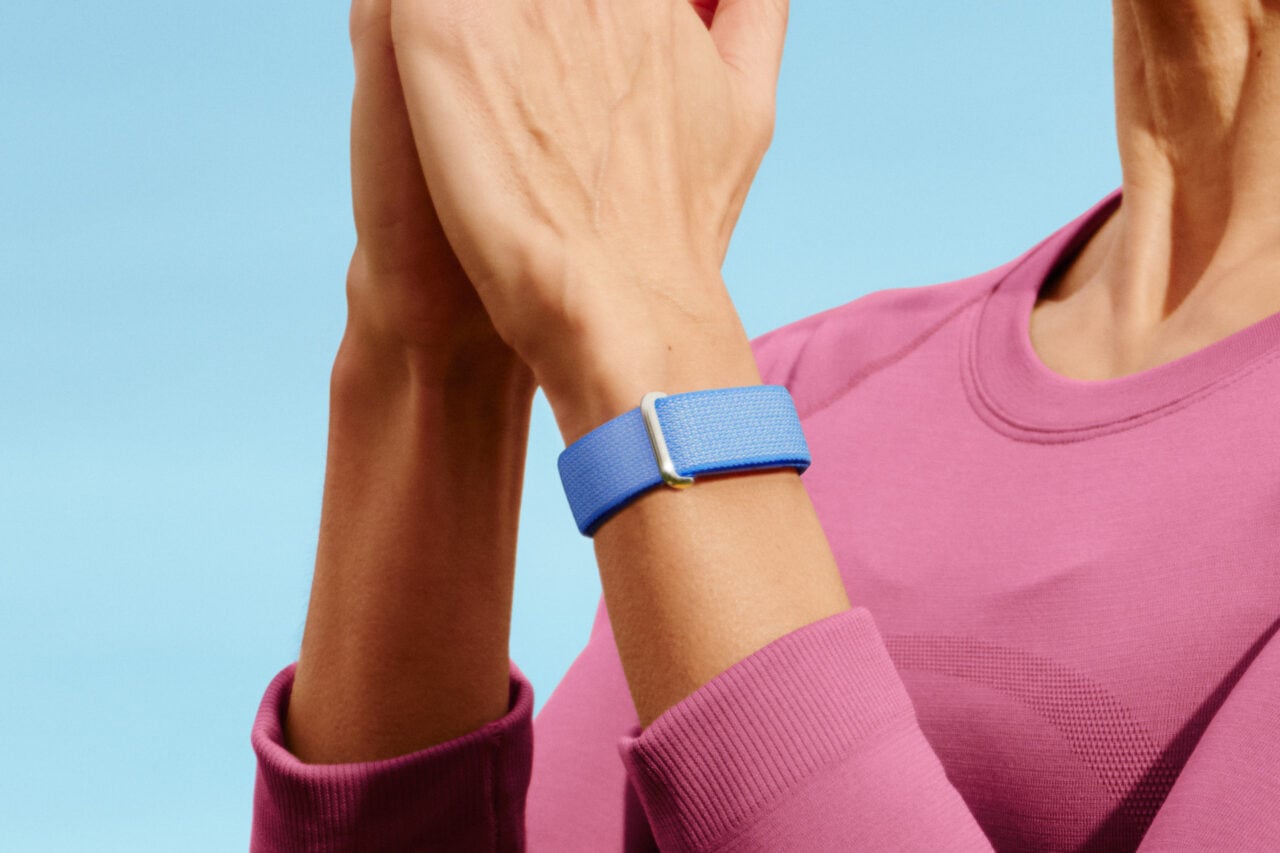
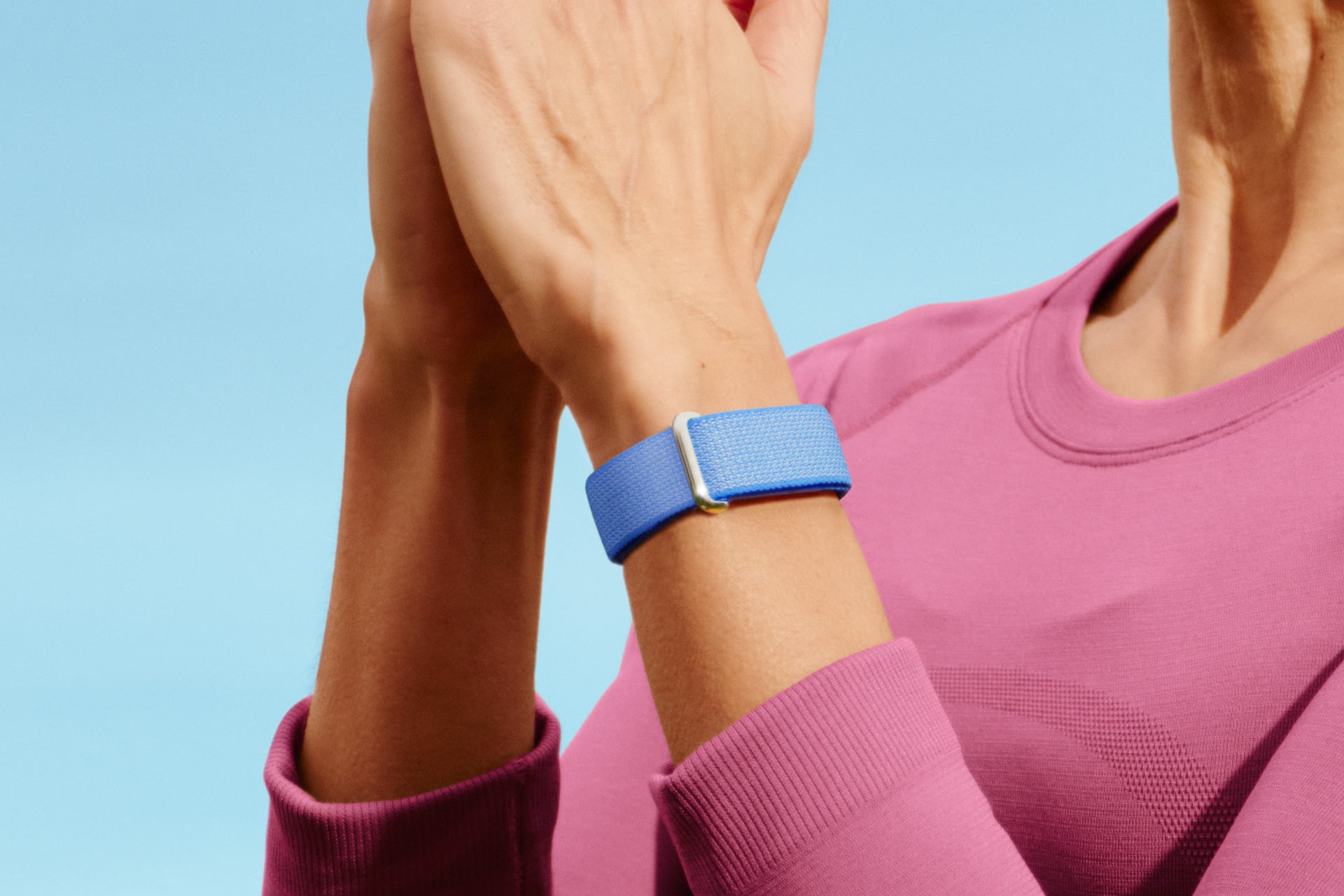
As previously teased by Golden State Warriors point guard Stephen Curry, the $99.99 Fitbit Air is also a screenless wrist-worn wearable. It tracks all the stuff you’d expect from a wearable—like steps, workouts, and sleep—but the thing that connects all of the monitoring and helps you make sense of the data is the revamped Google Health Coach (previously in beta).
Google using AI to understand your fitness and health data? Who could have predicted that?! In all seriousness, this is where wearables are headed. With the troves of data pulled from wearable sensors, it only makes sense to have an AI “coach” to do stuff like spot trends and provide guidance.
And Google says this time the coaching will feel more personal—catered specifically to the individual wearer—thanks to Gemini. Google’s AI will take into consideration not only your tracked data from the Fitbit Air, but lifestyle changes like injuries, nutrition, and even the weather. In a virtual briefing, Google reps said that the more you share (using natural language of course) with the Google Health Coach, the more personalized your coaching will be.
See Google Fitbit Air at Amazon
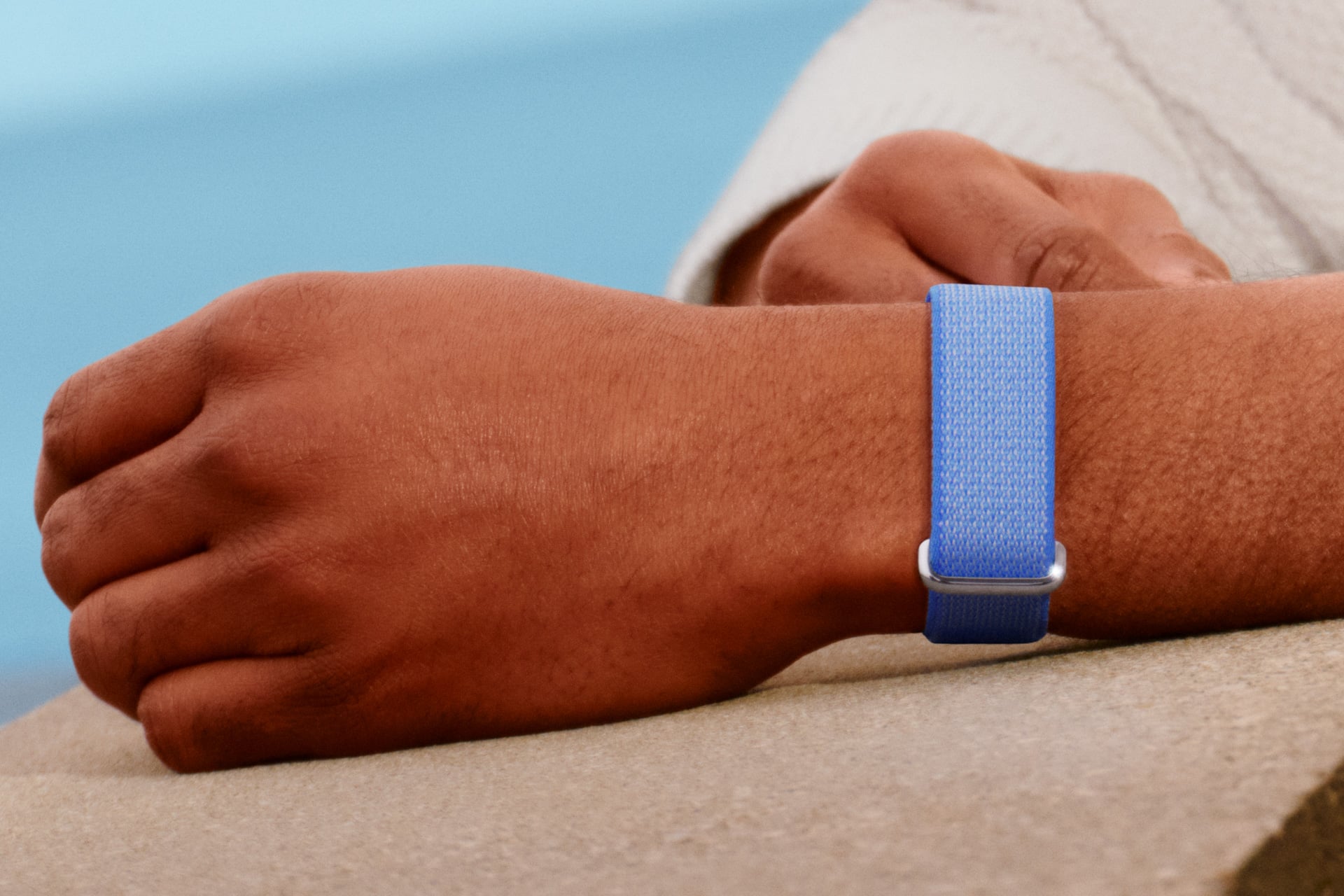
There are a few reasons to consider the Fitbit Air over an older Fitbit tracker or even a smartwatch like the Pixel Watch 4.
First, it’s screenless and has automatic activity detection. This is great for staying focused in the moment, like when you’re playing sports, instead of fixating on numbers going up or down on your wrist. Tracked data is sent to the Google Health app, which works with both iOS and Android devices. Without a screen, the battery life is also pretty long. Google says the Fitbit Air will last up to 7 days on a single charge through its included magnetic charger. A five-minute fast charge will give you one day of battery and 90 minutes of charging will fully charge it up.
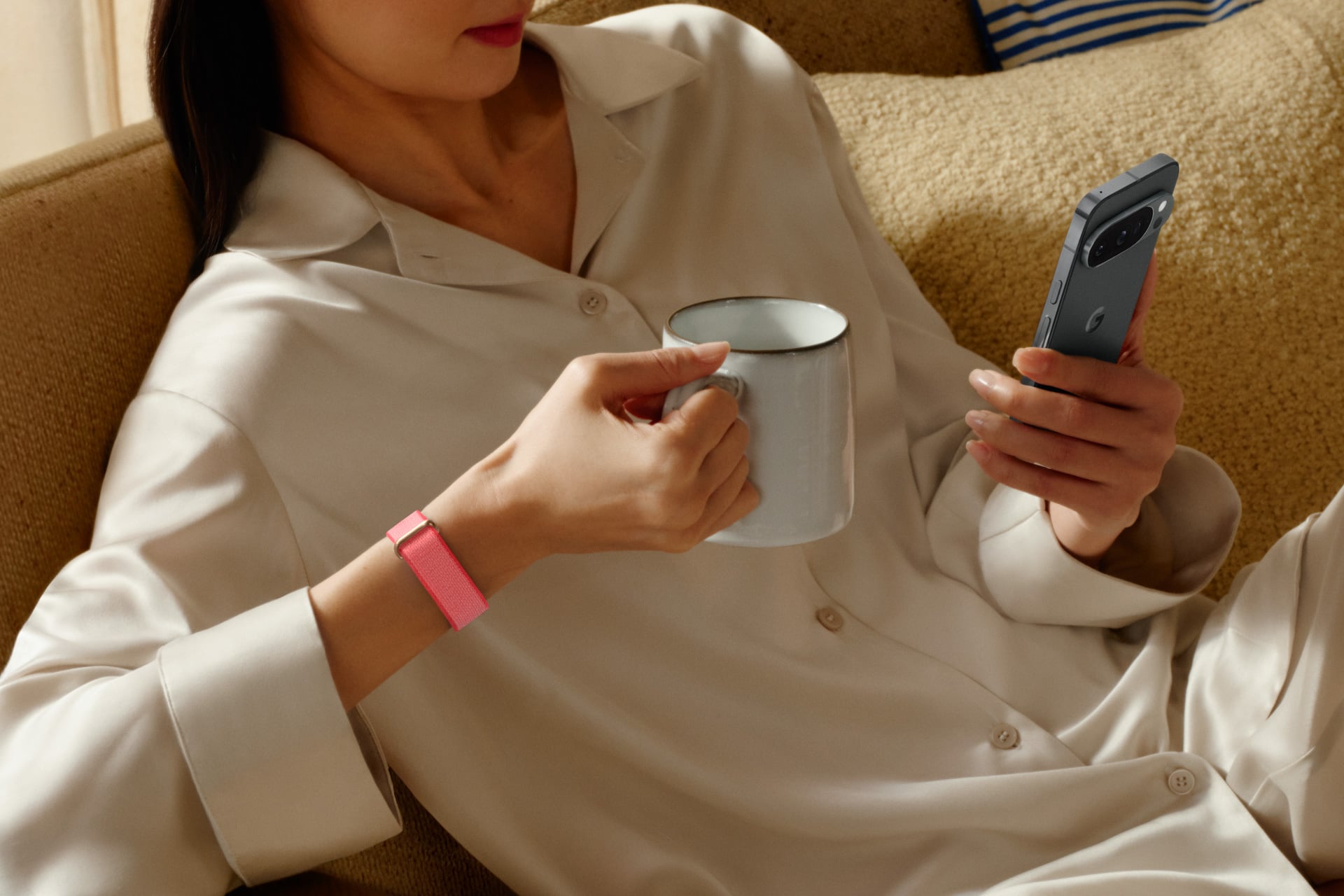
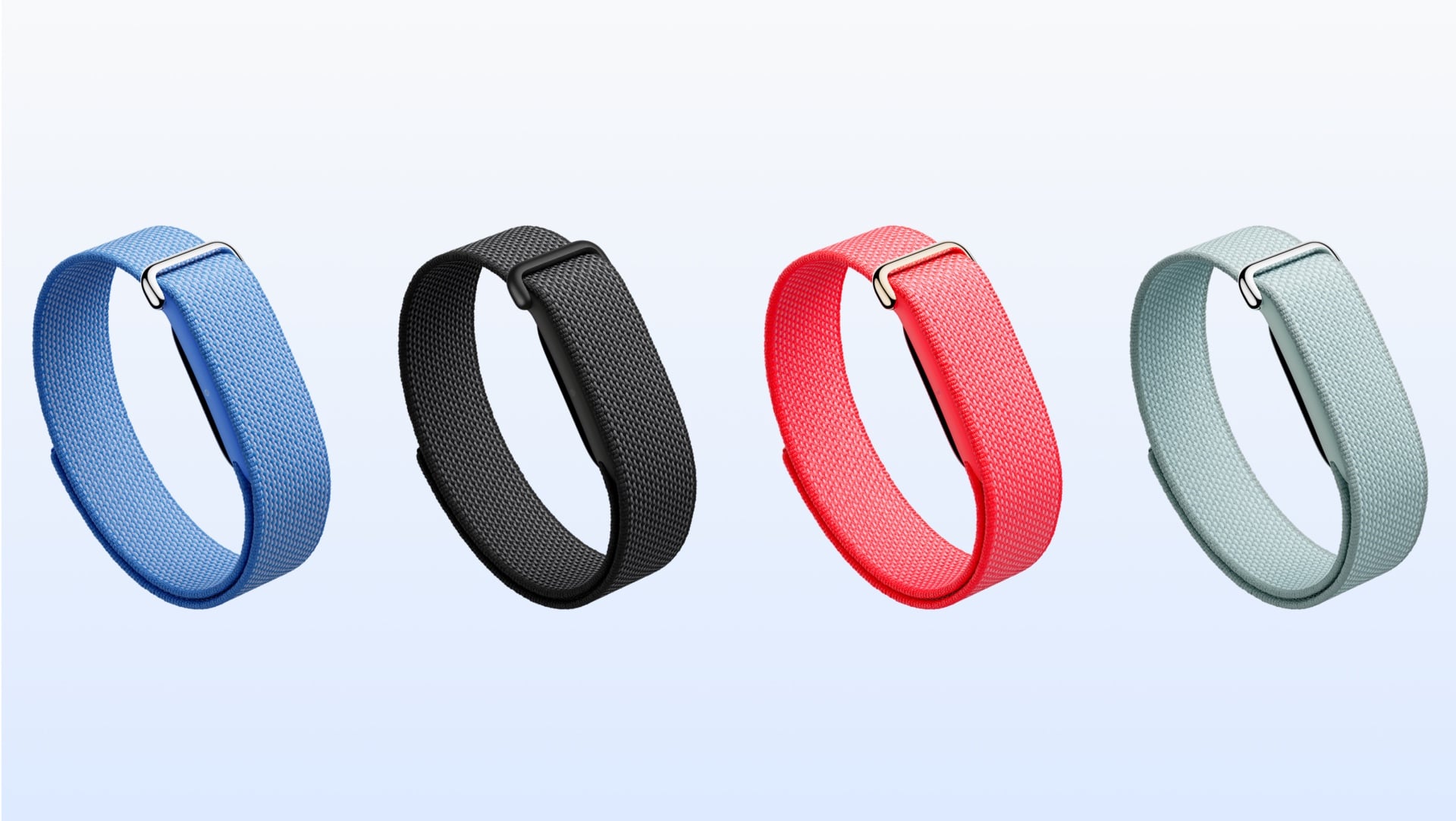
The size is also very compact. I haven’t tried the device in person, but I’m told it’s about 25% smaller than a Fitbit Luxe. It’s easy to customize to match any outfits—the standard “Active” band detaches from the “pebble” module with all the sensors and then you can swap in any other one. There’s also a Stephen Curry Special Edition that comes in a special pink colorway and includes details like a “raised interior print for increased airflow.”
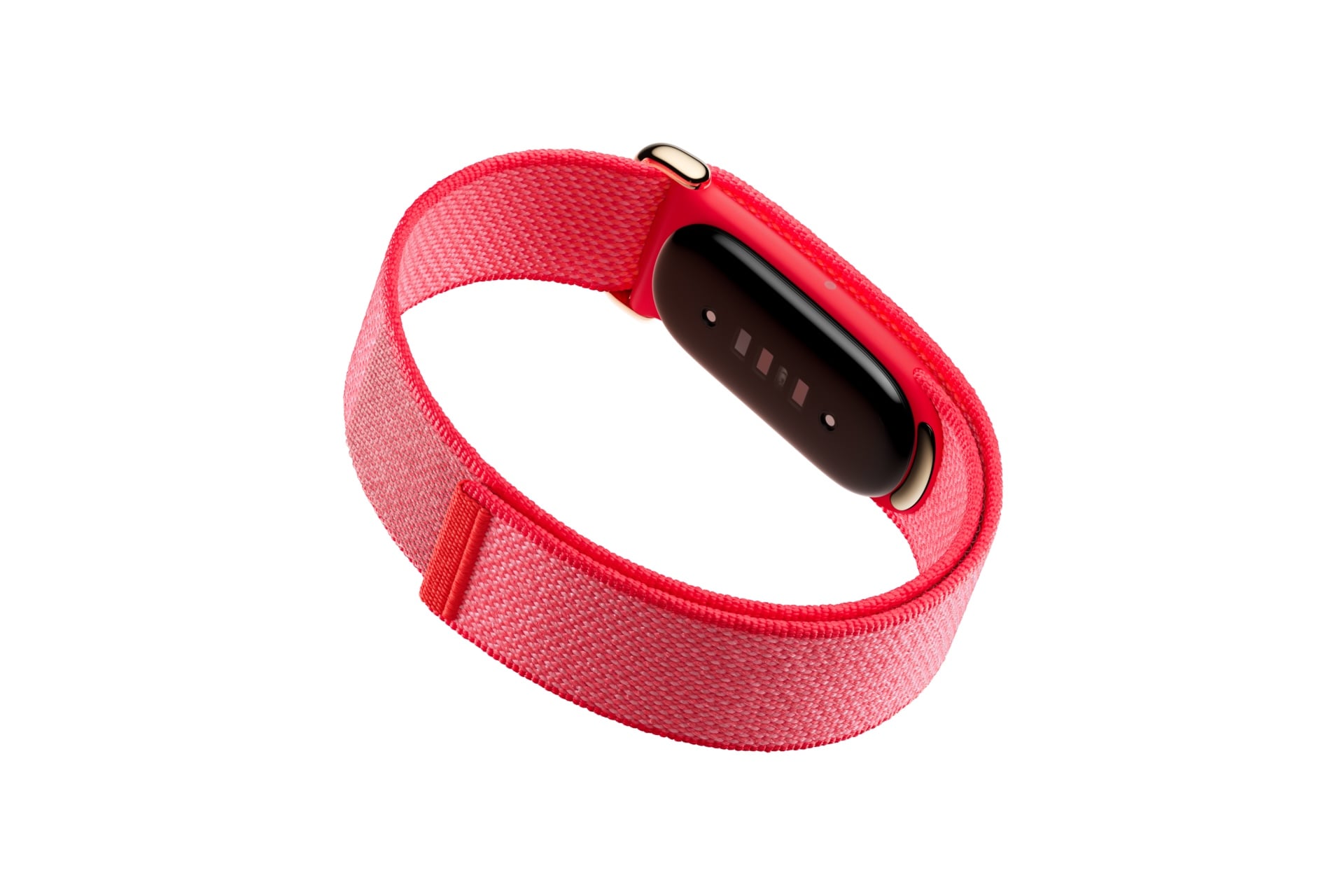
Google has also improved tracking across the board. The company says the Fitbit Air’s 24/7 heart rate monitor improves sleep tracking by up to 15%. For example, the wearable can detect naps that are 20 minutes or longer. “Advanced algorithms” can help wake you up at just the right time each day so you feel better rested. The sleep score has been revamped to convey info in way that’s easier to digest.
One convenience that I appreciate is that you can now seamlessly switch between wearing a Pixel Watch or the Fitbit Air when you sleep. Both devices can be paired with the Google Health app, so if you don’t like wearing a smartwatch to track your sleep, you can just slip on the Fitbit Air when you hop into bed. The Google Health app will sync data from both without missing a beat, and you can also filter the data by device, according to Google.
The Fitbit Air sounds great on paper. I like the idea of using AI to understand my metrics, but at the same time I’m wary of oversharing my personal data. Google says in addition to the data collected from the Fitbit Air (and other devices), you can also upload health and data in PDF format, and the Google Health Coach will ingest that and consider that information when it generates coaching. I get that the more info the AI knows, the better it can offer guidance, but I’m not sure I can fully entrust it with my medical data just yet. Perhaps I just need a taste of the “magic” and I could be convinced. Data privacy, especially in regards to your health, is something everyone should think deeply about.
Preorders for the $99.99 Fitbit Air start today, May 7, and hit store shelves on May 26. That also comes with three months of Google Health Premium. After the free trial, it’ll cost you $9.99/month to continue getting access to the Google Health Coach. Bands cost an additional $34.99.
See Google Fitbit Air at Amazon
Correction: A previous version of this article said the Fitbit Air lasted 7 hours on one charge. It’s actually 7 days.