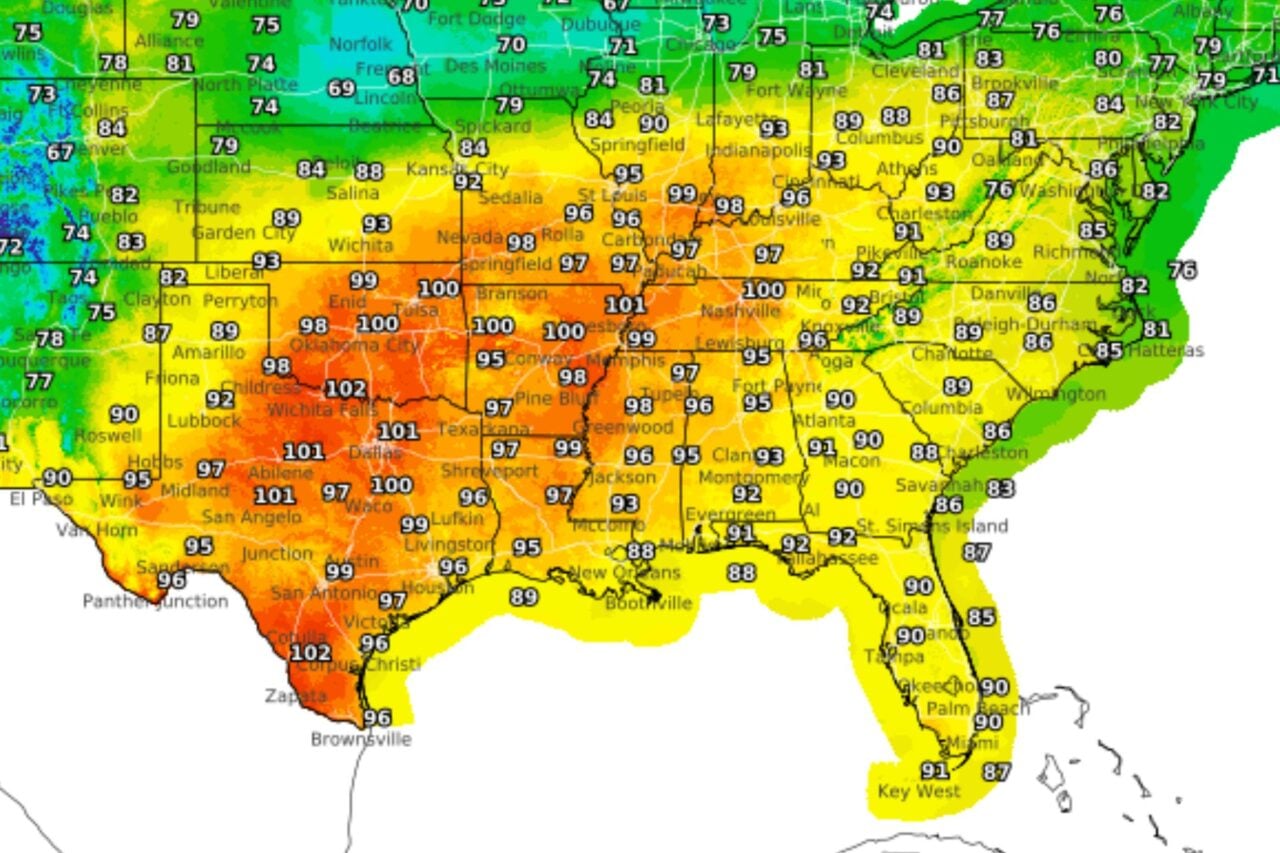
July 2026 was the hottest month ever recorded in the contiguous United States. Widespread heatwaves pushed the nation’s average temperature to heights not seen since the Dust Bowl, and as Americans tried to cool their homes, electricity bills skyrocketed, too.
Many couldn’t afford to pay. Data from the National Energy Assistance Directors Association (NEADA), reviewed by The Guardian, shows that utilities shut off power supply to 173,598 households across 10 states in July: California, Georgia, Illinois, Massachusetts, Minnesota, North Carolina, Pennsylvania, Iowa, New York, and Virginia, along with the jurisdiction of Washington, D.C. That’s a 14% increase in electricity disconnections in these states compared to July of last year, and a 28% increase compared to July 2024.
The data appears to point to an alarming trend. As Earth’s climate warms, extreme heat poses a growing threat to public health in the U.S., but with each passing year fewer Americans can afford to cool their homes. It’s important to note, however, that the increase in electricity disconnections spans just three years of data, and July 2026 may have been an exceptional month due to the global disruption of energy supplies, a rapidly intensifying El Niño, and surging energy demand from AI data centers.
Still, this is clearly a serious issue for families across the country. “We have been hearing from so many people angry and desperate because their bills have doubled—temperatures are going up and so are the costs,” Mark Wolfe, executive director of NEADA, told The Guardian.
“People now are cutting back on food or medicine or resorting to payday lenders because you need to get the power back on,” Wolfe said. “The protections in place aren’t working, it’s just cruel. Poorer people and older people aren’t turning on the AC because of the cost and when you get back-to-back heatwaves they may die because of that.”
The cost of keeping cool
The data from these 10 states is just a snapshot of a national crisis. A recent report from the U.S. Energy Information Administration shows that the U.S. saw 13.4 million residential electricity disconnections in 2024, most of which occurred in southern states such as Texas, Florida, and Oklahoma.
At the core of this issue is the fact that electricity prices are rising faster than overall inflation, Wolfe said. A Bank of America Institute report published earlier this month shows that in August, the average utility bill increased 5.3% year over year, outpacing inflation in electricity and piped gas prices, up 4% from last year.
“One reason could be that household demand for cooling was strong this summer,” the report states.
Nationally, average electricity bills hit an all-time high in July 2026 at $217, according to data from Heatmap and the Massachusetts Institute of Technology’s Electricity Price Hub. Many ratepayers saw higher costs and charges in the portion of their bill covering the cost of power generation, Heatmap reported.
Extreme heat kills
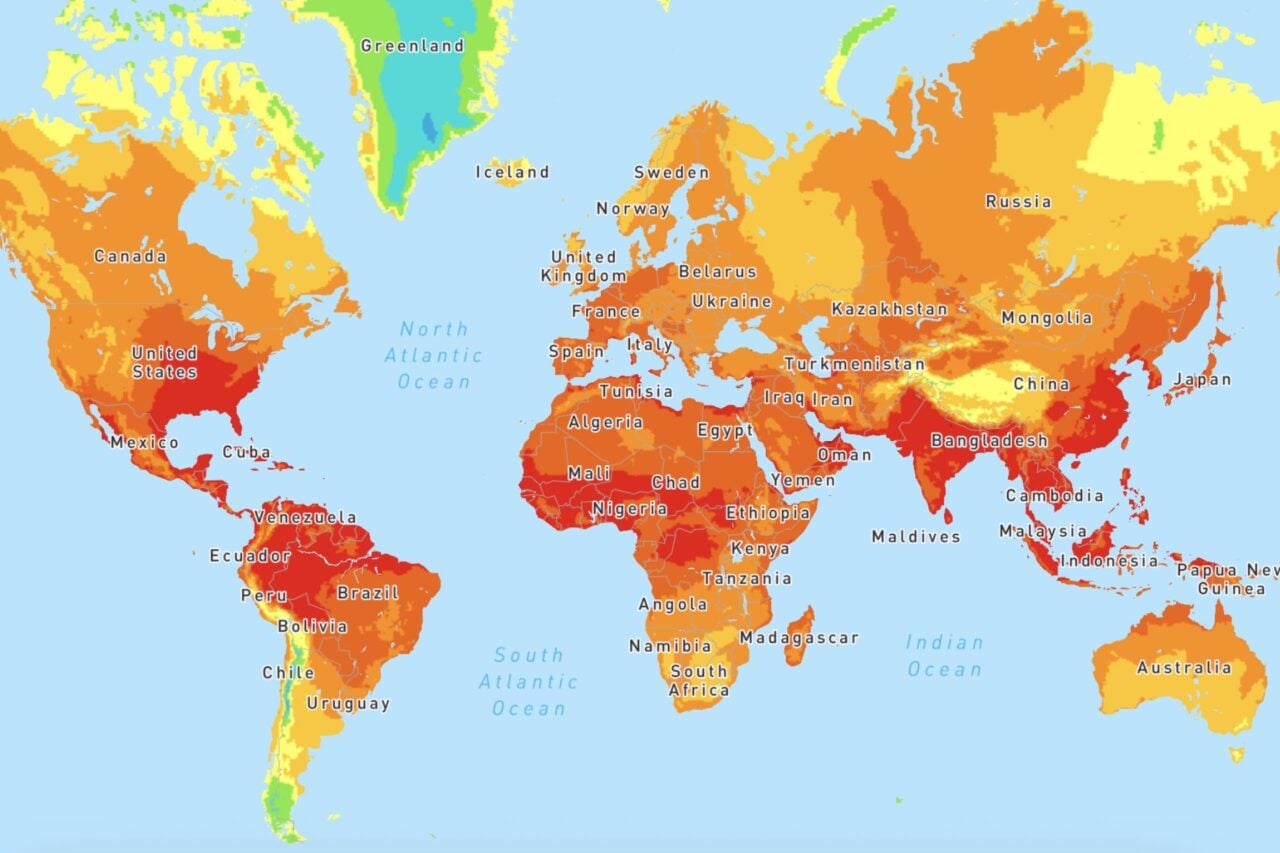
In our warming world, air conditioning is no longer a luxury. For residents of many southern and central states, it has become a life-saving necessity. Extreme heat is already the deadliest weather hazard in the U.S., and according to the Fifth National Climate Assessment, most areas of the country will experience 15 to 30 more days above 95 degrees Fahrenheit (35 degrees Celsius) per year with 3.6 degrees F (2 degrees C) of global warming.
A recent analysis by the United Nations’ Environmental Programme found that global temperature rise is set to surpass 2.7 degrees F (1.5 degrees C) within the next few years.
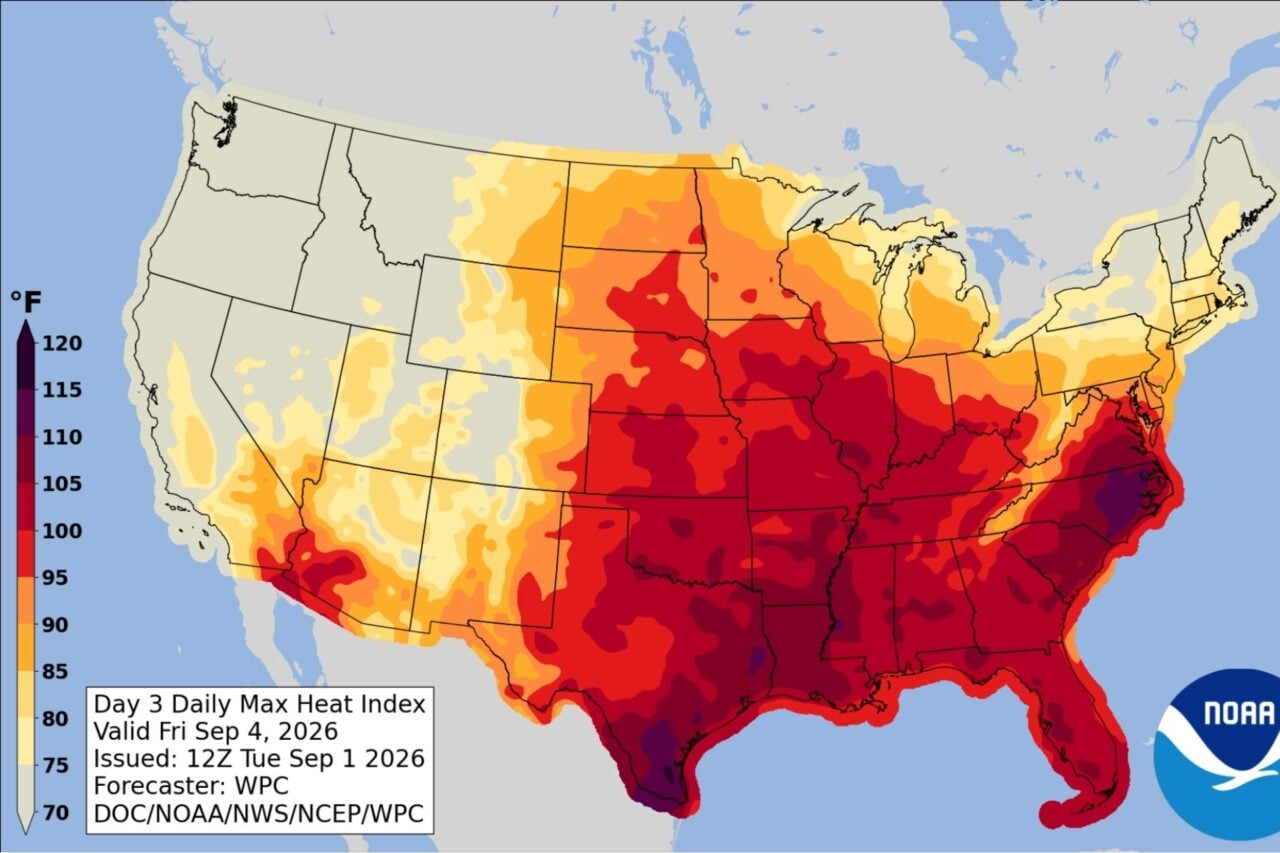
Humidity levels are rising too, and this is making heatwaves even more dangerous. Research has predicted that by mid-century, the annual number of days with heat indices above 100 degrees F (38 degrees C) will double in the U.S., and days with heat indices above 105 degrees F (41 degrees C) will triple, compared to a 1971 to 2000 baseline.
As both temperatures and electricity bills continue to rise, the cost will be measured in lives lost. The year ahead could be particularly devastating, as a record-breaking El Niño supercharges the extreme heatwaves we’re already seeing as a result of climate change.