Update: September 10, 2026: On this date, the European Union’s Copernicus climate service confirmed that August 2026 was the joint warmest month ever recorded globally, tied with July 2023. Original article follows.
The summer of 2026 has made history yet again with the warmest, most humid August on record. Fueled by human-driven warming and an unprecedented El Niño, last month’s global average temperatures and moisture levels offer a glimpse of Earth’s future climate.
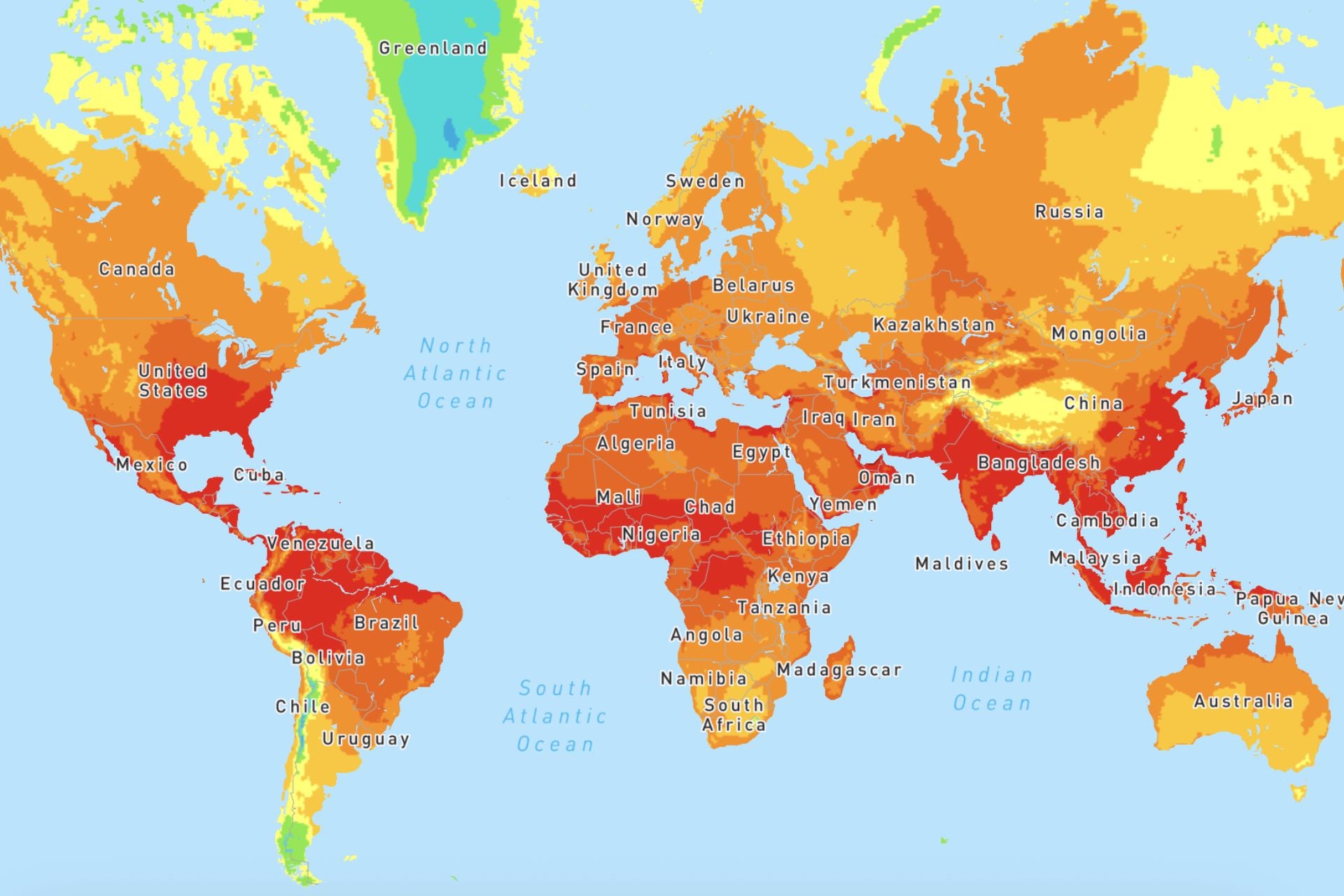
That’s according to analyses by climatologist Zeke Hausfather and meteorologist Ben Noll, shared on their respective X accounts. Hausfather found that August 2026 was the warmest August on record in the ERA5 dataset, a global climate and weather dataset going back to 1940. Last month’s average global temperature was 2.97 degrees Fahrenheit (1.65 degrees Celsius) above pre-industrial levels, beating the record set in August 2024 by about 0.25 degrees F (0.14 degrees C).
Not only was August 2026 the warmest August on record, it was also the planet's *moistest month* on record, surpassing July 2024.
As Earth has warmed, the level of water vapor in the atmosphere has risen, a trend that has grown steeper in recent years.
Water vapor is itself a… https://t.co/bD8zLNFHC0 pic.twitter.com/nz7GP3TRsE
— Ben Noll (@BenNollWeather) September 7, 2026
Using the same dataset, Noll found that August 2026 was also the planet’s moistest month on record, surpassing July 2024. The global precipitable water level—the depth of liquid water that would result from condensing all the water vapor in the atmosphere—reached 1.08 inches (2.74 centimeters) last month, higher than any level measured before.
These conditions likely exacerbated extreme weather in many parts of the world, including the United States, from a heat dome that’s still smothering south-central states to the deluge that triggered a deadly flash flood in the Grand Canyon.
Living with a wetter, warmer atmosphere
As global temperatures rise due to greenhouse gas emissions, the amount of water vapor in the atmosphere is rising, too. That’s because warming causes more water to evaporate from Earth’s surface while also allowing the atmosphere to retain more moisture.
The “expanding atmospheric sponge” effect, or the atmosphere’s ability to evaporate, absorb, and then release 7% more water for every degree Celsius the planet warms, is a key driver of precipitation extremes around the world. At the same time, water vapor itself is a greenhouse gas, so accumulating moisture in the atmosphere is driving up global temperatures even further.
Now, El Niño has returned to amplify this feedback loop, and it’s back with a vengeance. The latest model projections show this event peaking in December with tropical Pacific sea surface temperatures a whopping 7.2 degrees Fahrenheit (4 degrees Celsius) above average. That would make this El Niño the strongest on record by a long shot.
El Niño increases the amount of heat and water vapor rising into the atmosphere from the central and eastern tropical Pacific, boosting Earth’s average temperature and shifting global weather patterns. According to Hausfather, there is now a 75% chance that 2026 will become the warmest year on record, and Noll believes El Niño will help moisture levels “blast past previous records” well into 2027.
He notes that the amount of water vapor in the atmosphere doesn’t have a one-to-one relationship with rainfall amounts, but more moisture can increase the likelihood of rainfall extremes. During August, 17% of the planet experienced monthly precipitation that was in the top 10% of historical August totals, the largest area recorded since 1940, Noll reported.
“Large swaths of the planet will probably soon feel the effects of this trend firsthand, with odds favoring an unusually stormy and wet winter across much of the United States, Europe and eastern Asia, as well as South America,” Noll wrote.
The devastating flash flood that tore through the Grand Canyon on August 29, killing at least two people, underscores the danger of extreme rainfall—particularly in drought-stricken, burn-scarred areas. Climate change and El Niño will load the dice for similar events in the coming months.