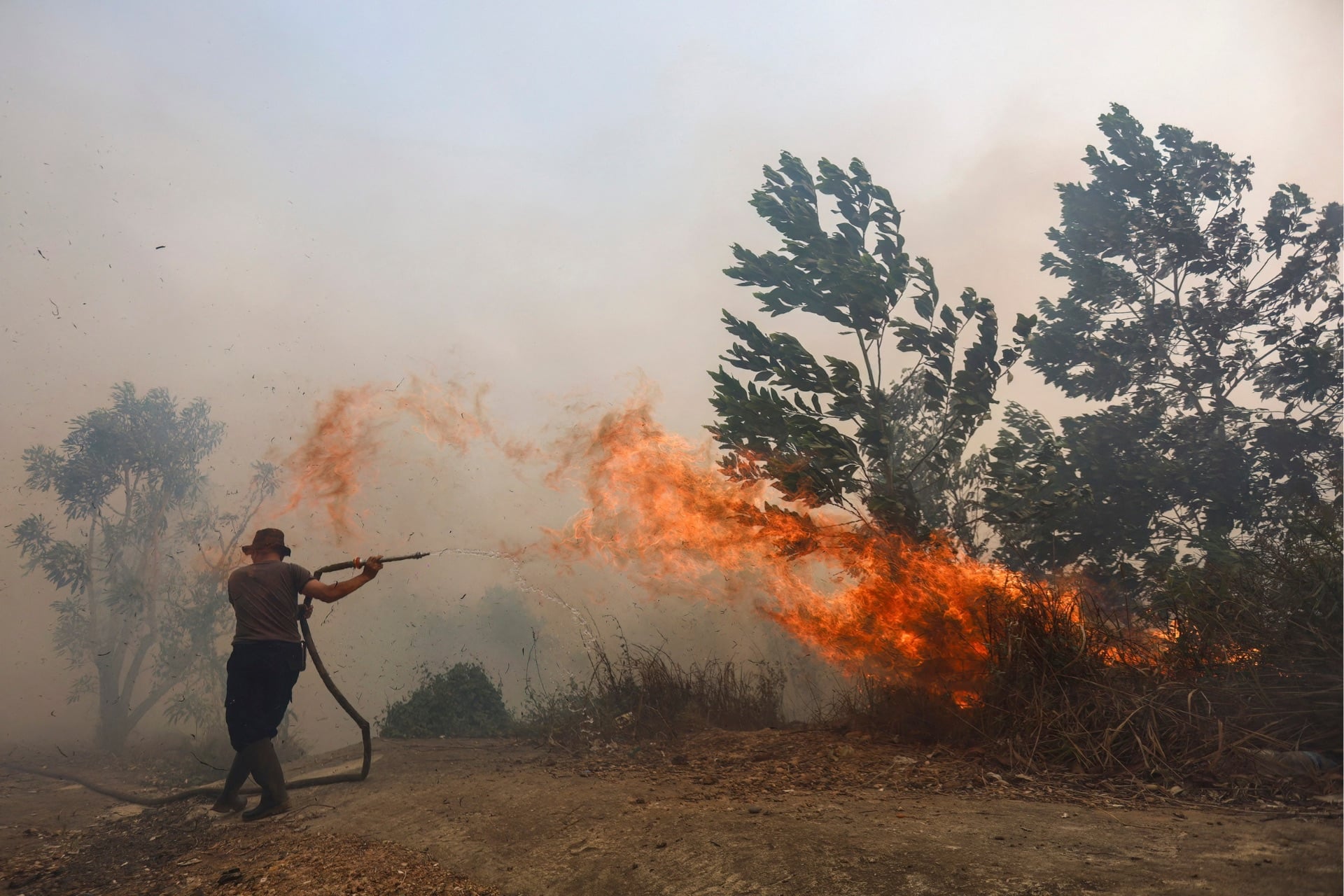
Smoke from rampant peatland wildfires fueled by a record-breaking El Niño has engulfed Indonesia and much of Southeast Asia in a toxic haze. As the blazes diminish air quality by releasing hazardous pollutants, they are also emitting massive amounts of planet-warming carbon.
So far this year, Indonesia’s fires have released an estimated 190 million tons of carbon. That’s roughly equivalent to three-quarters of the country’s annual CO2 emissions from burning fossil fuels, according to Earth scientists Gareth Roberts and Martin Wooster. In an article for The Conversation, they explain how El Niño-driven drought set the stage for the current crisis.
Parched conditions are exacerbating the flammability of peatlands that were already degraded by deforestation and drainage, making it easier for fires to spark and spread, they write. When peat ignites, it can smolder underground for weeks or months, releasing ancient carbon that had been locked away for centuries. This situation is just one example of how El Niño’s impacts will ratchet up atmospheric CO2 levels in the coming months.
Take the strong El Niño of 2023 and 2024, for example. That event helped boost the global average CO2 concentration by 3.5 ppm, the largest increase since modern record keeping began in 1957. On Tuesday, the World Meteorological Organization published a report showing that CO2 levels rose by 2.8 ppm from 2024 to 2025—a more moderate increase, though the global average CO2 concentration still reached a record high.
“We can expect to see a further increase in concentrations in 2026 because of fossil fuel burning and the development of a powerful El Niño which will impact land carbon sinks as it did in 2023/2024,” Oksana Tarasova, senior scientific officer for the WMO, said in a statement.
Warming our world in more ways than one
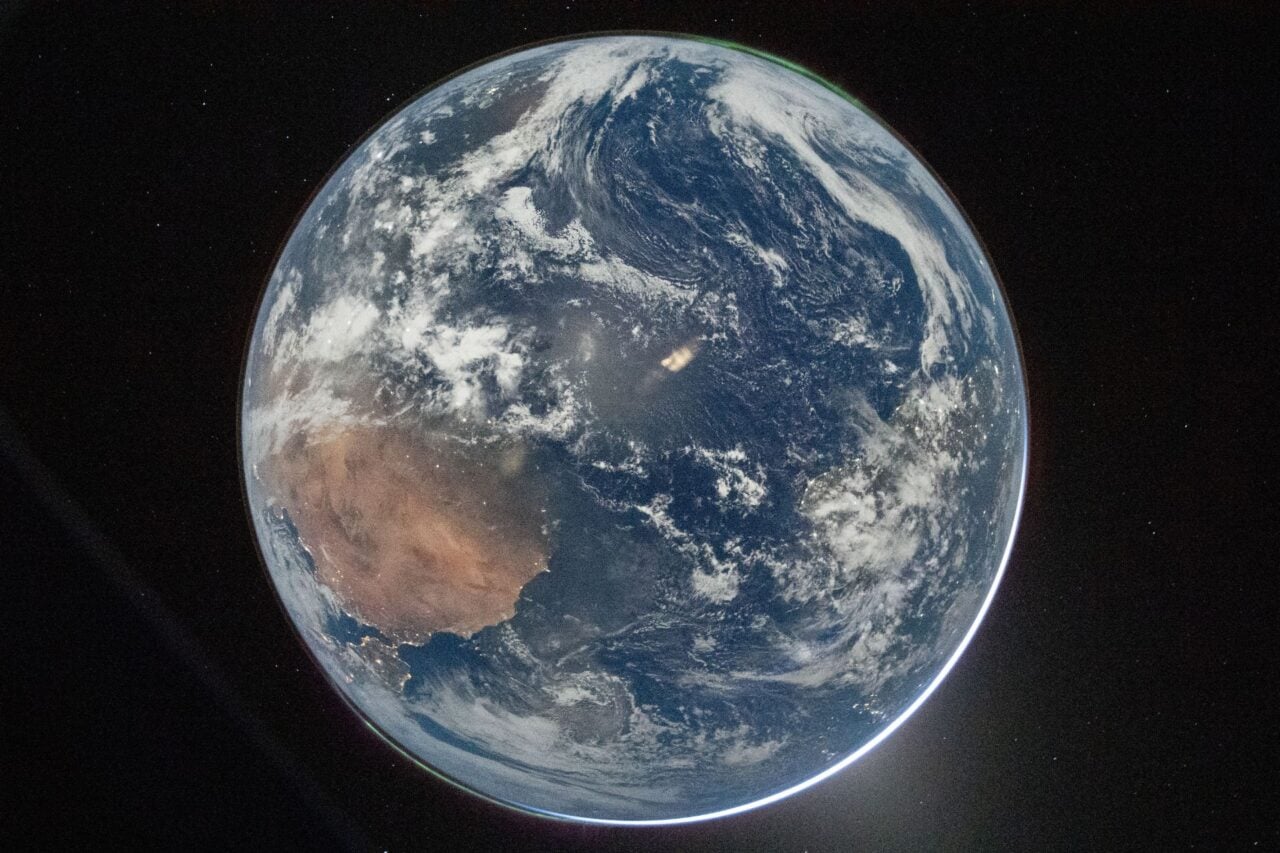
El Niño is a recurring climate phenomenon that begins with a weakening of trade winds that pushes warm water from the western Pacific Ocean to the central and eastern tropical Pacific. Heightened water temperatures in this region pump huge amounts of heat and moisture into the atmosphere, boosting global temperatures and altering weather patterns around the world.
In the tropics, El Niño tends to reduce precipitation and increase air temperatures, often leading to drought, reduced plant growth, and increased fire activity. All of these changes contribute to greater increases in atmospheric CO2 concentrations compared to non-El Niño years.
Reduced plant growth means tropical forests absorb less carbon, while increased wildfire leads to more carbon emissions. And as hotter, drier conditions exacerbate tree mortality, more organic material decomposes, releasing even more carbon. Some tropical trees have been accumulating carbon in their biomass for centuries, so when they die and decompose, it’s like setting off a carbon bomb in slow motion.
When it comes to wildfire, research has shown that El Niño drives a pan-tropical wildfire pattern that begins along the equator with drought and peat fires in Indonesia, followed by heightened fire activity in the central and eastern Amazon. We’re already seeing that second stage unfold. Between October 1 and 19, Brazil’s space agency recorded 1,921 fire hotspots in Amazonas, up 202% from the same period in 2025, Mongabay reports.
Keep in mind that we’re still weeks away from the peak of this super El Niño. The latest projections from the European Centre for Medium-Range Weather Forecasts show sea surface temperatures in the tropical Pacific rising about 7.2 degrees Fahrenheit (4 degrees Celsius) by December. We won’t begin to see its most severe impacts until the winter.
How high global CO2 concentrations climb between 2026 and 2027 remains to be seen, but as this historic El Niño unfolds against the backdrop of rising fossil fuel emissions, the data is bound to be staggering.