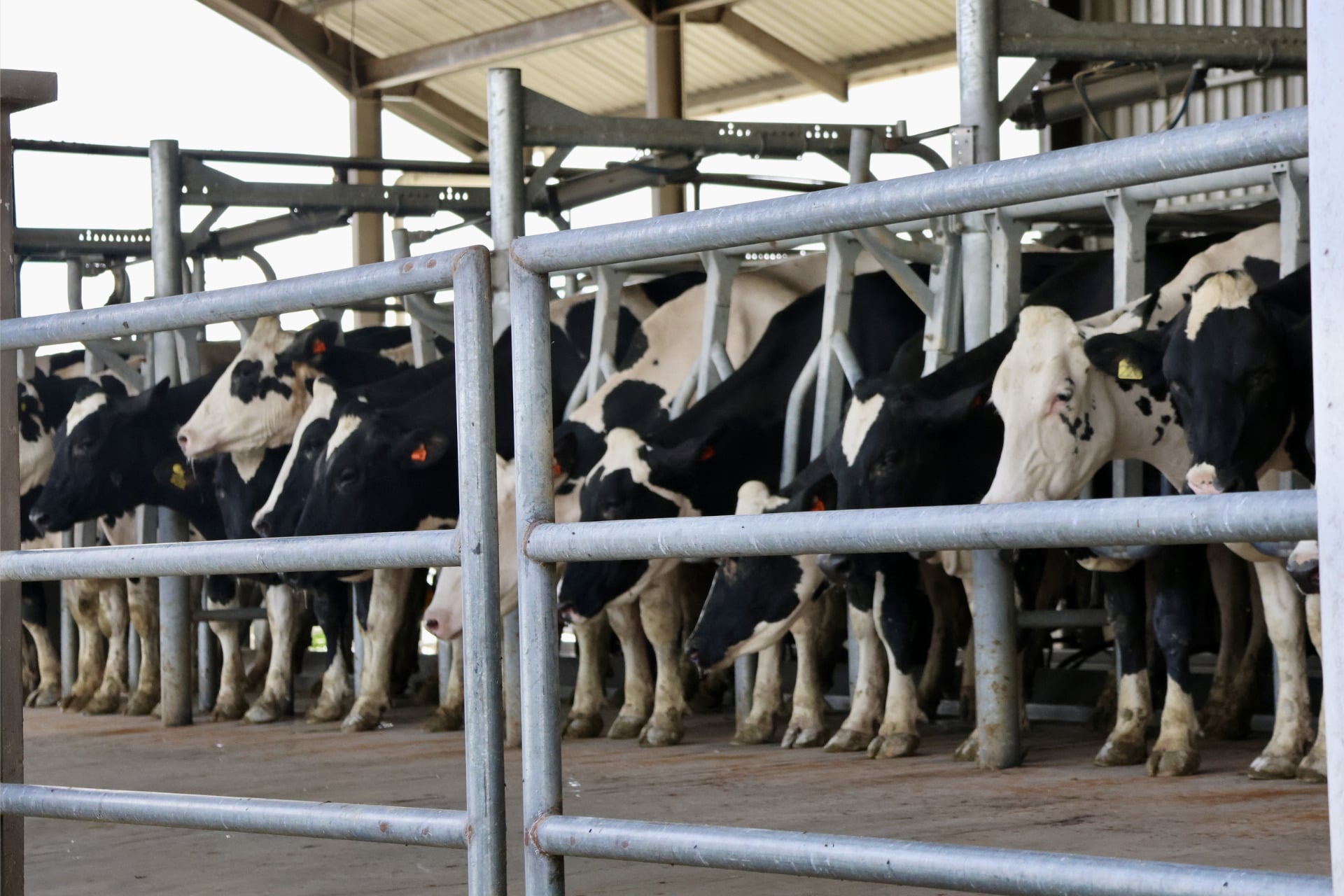
Experts are worrying about how cow pee and poo lagoons in California will fare in the face of this winter’s increased rainfall, as reported by Inside Climate News.
Manure lagoons are exactly what they sound like: pools of urine and feces. Dairy farms use them to store their cows’ liquid and solid excrement. It’s unknown how many waste lagoons exist among San Joaquin Valley’s hundreds of dairy farms or even throughout the state. But with El Niño expected to bring significantly more rainstorms to California this winter, what is clear is that intense flooding could turn them into health disasters.
“These open pits of waste are like ticking time bombs of massive amounts of pollutants,” Lewis Bernier, an advocate with Direct Action Everywhere, told Inside Climate News.
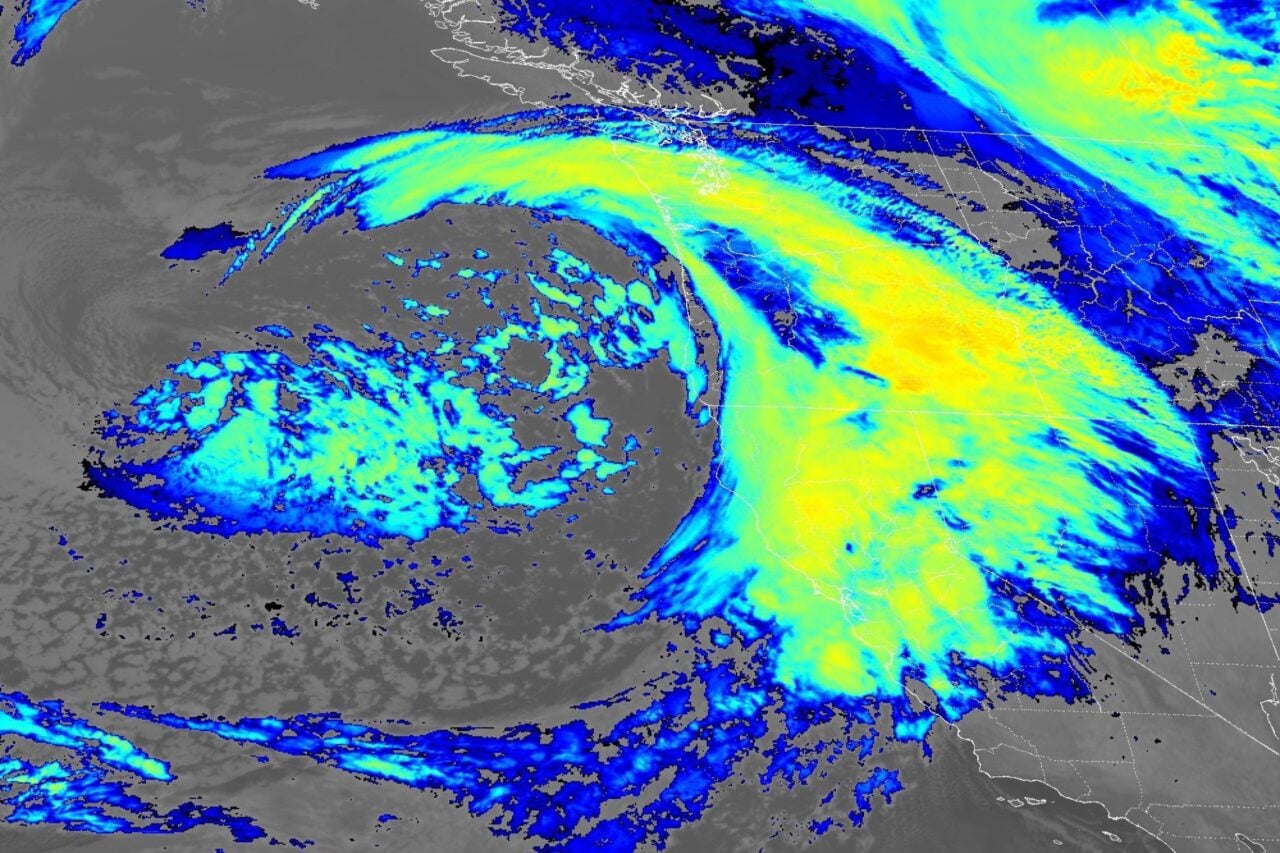
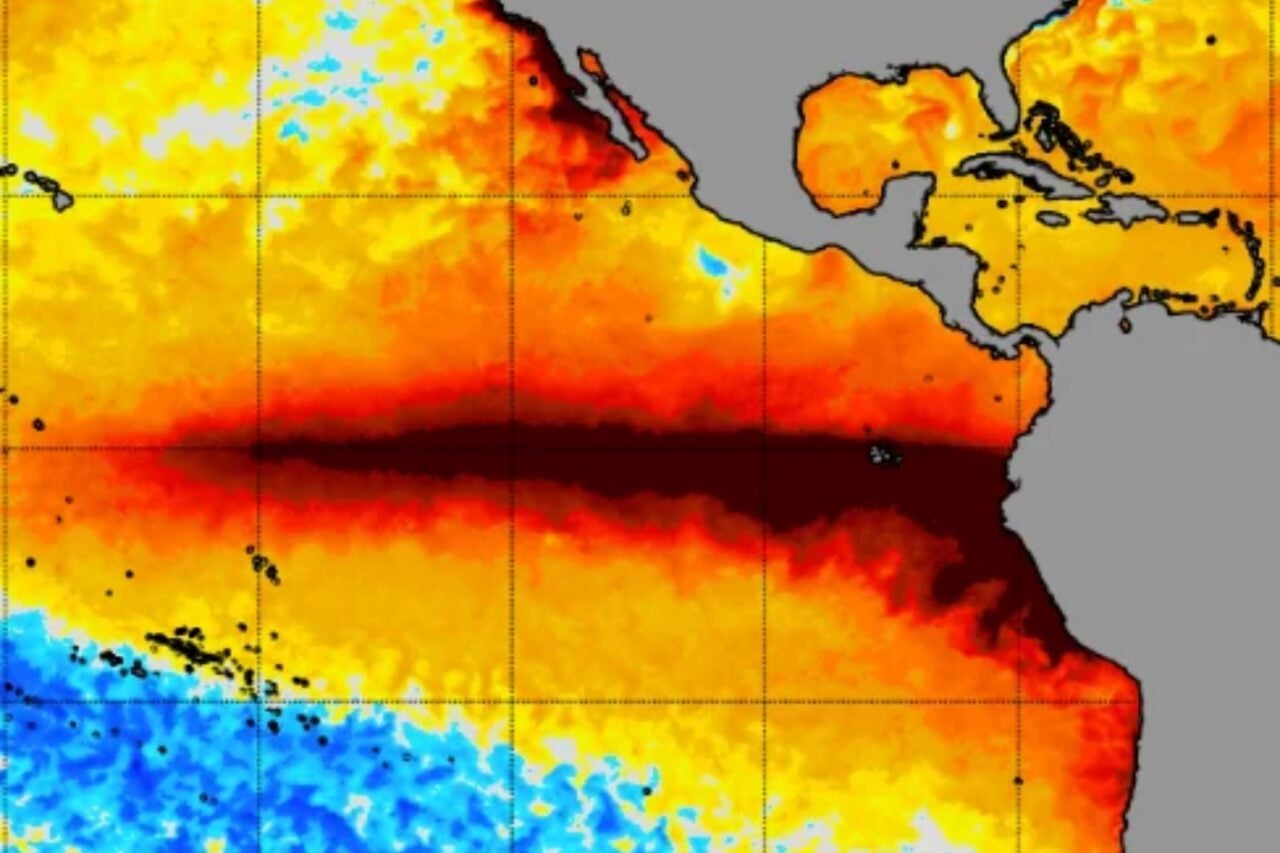
El Niño is a natural Pacific Ocean climate pattern that takes place on average every two to seven years and causes different weather patterns in various parts of the world, including North America. In California, El Niño can increase the frequency and intensity of Pacific storms. What’s worse, this year’s El Niño is among the strongest ever recorded, dubbed a “super” El Niño.
Logically, more rain means greater risk of flooding. And if a waste lagoon overflows, it can channel contaminants, such as pathogens, into the surrounding environment and communities. That includes polluting water sources.
“The Water Boards are preparing for a very heavy rainfall year, with significant flood concerns,” Scott Hatton, supervising water resource control engineer for the Central Valley Regional Water Quality Control Board, told Inside Climate News. “We are encouraging all dischargers to review their storm and flood preparedness … The dairy industry, in particular, has sent out suggested guidelines in a recent newsletter.”
The good news is that at least some dairy farmers are preparing. Witnessing floods in the San Joaquin Valley back in 2023 has helped prepare Justin Leyendekker, a 36-year-old dairy farmer in the valley, for what’s to come this time around. While Leyendekker himself didn’t experience serious flood damage at the time, he knew of one dairy farm that was 15 to 20 feet (4.5 to 6 meters) underwater, he told the outlet.
“That gave us an idea of some I guess you could call them ‘weak points’ or ‘maintenance points’ that we needed to take care of. So once I heard the news that we’d potentially be getting another El Niño, those gave me some nice focus points to work on,” said Leyendekker.
His family runs 12 dairy farms in the state, and the one in Kingsburg, California, has around 2,000 cows and a waste lagoon that fills to roughly 15 feet deep. While every year the team works to drain it as much as possible, the El Niño is providing additional motivation to keep it low.
It remains to be seen if that will be enough.