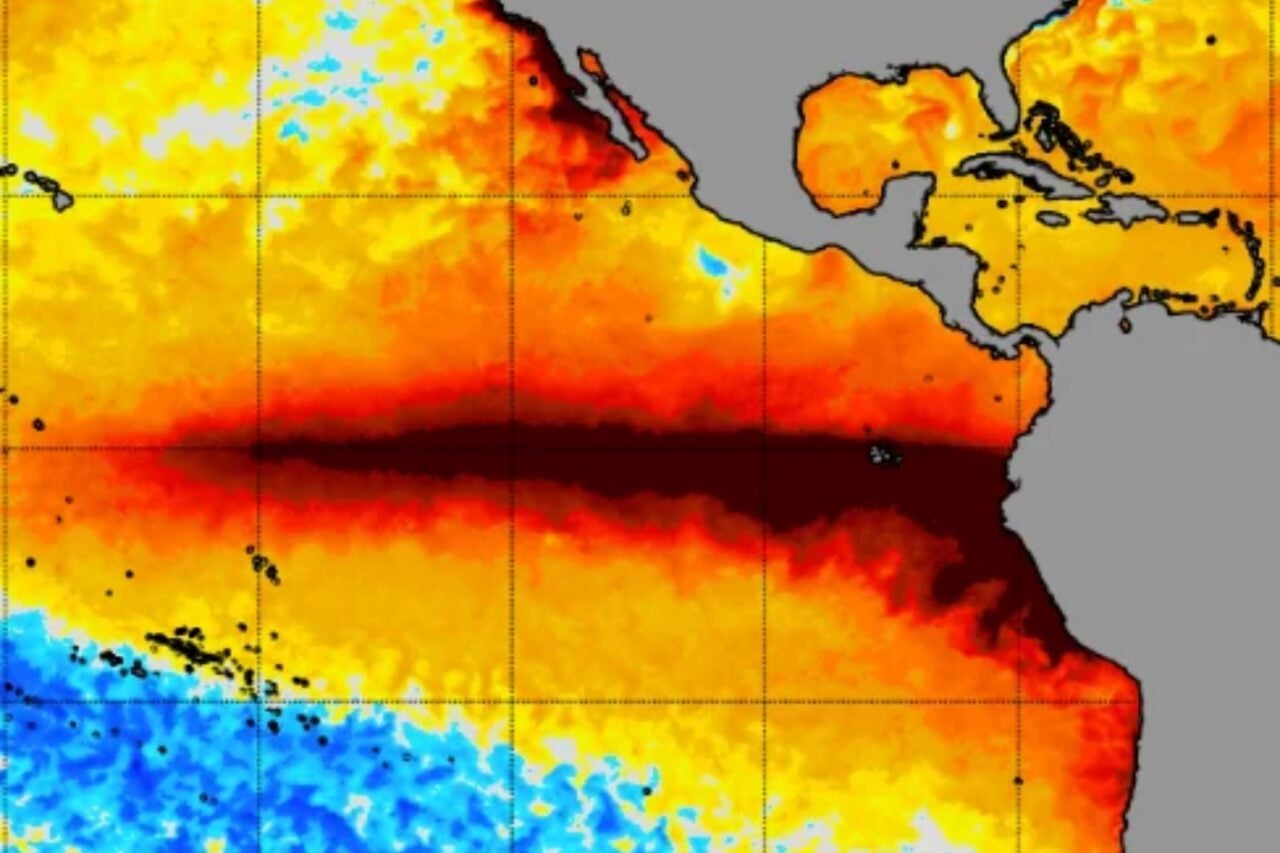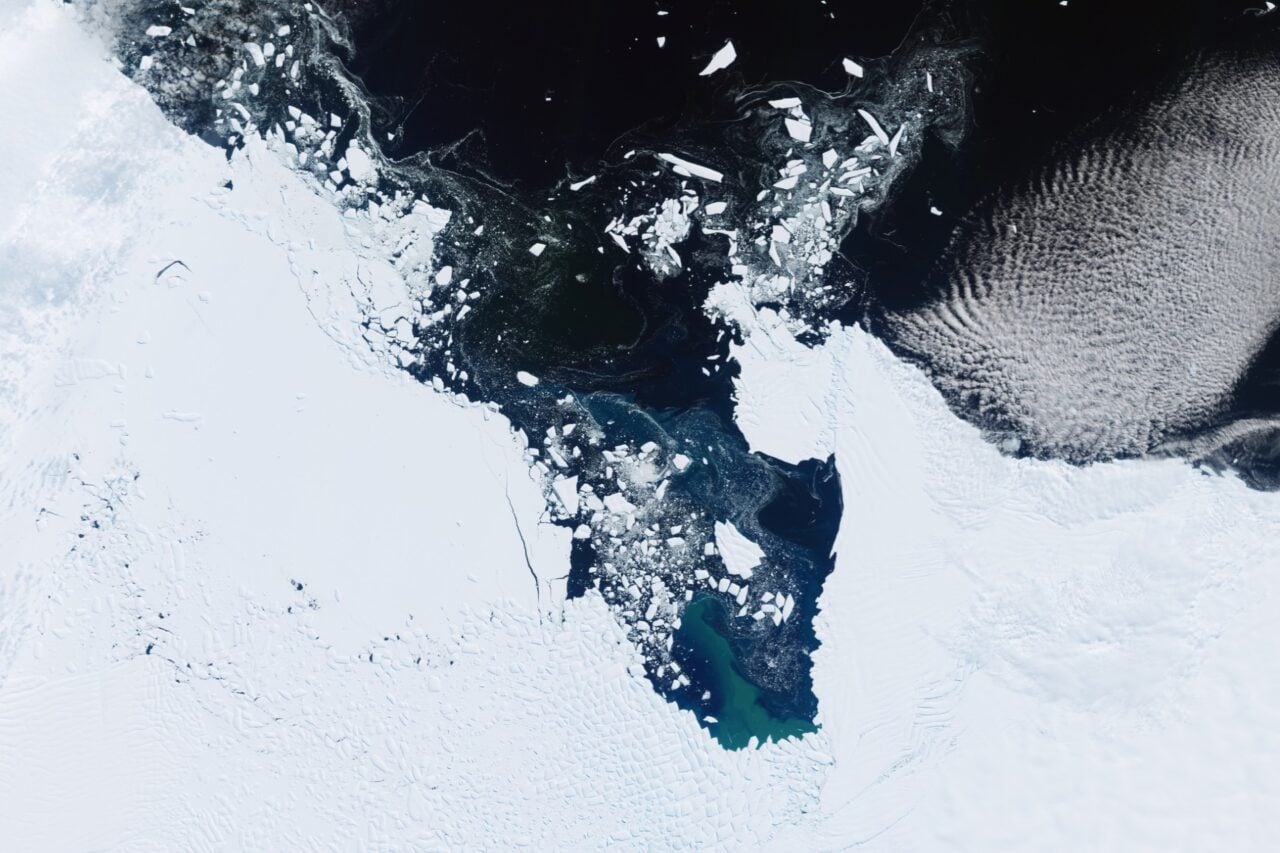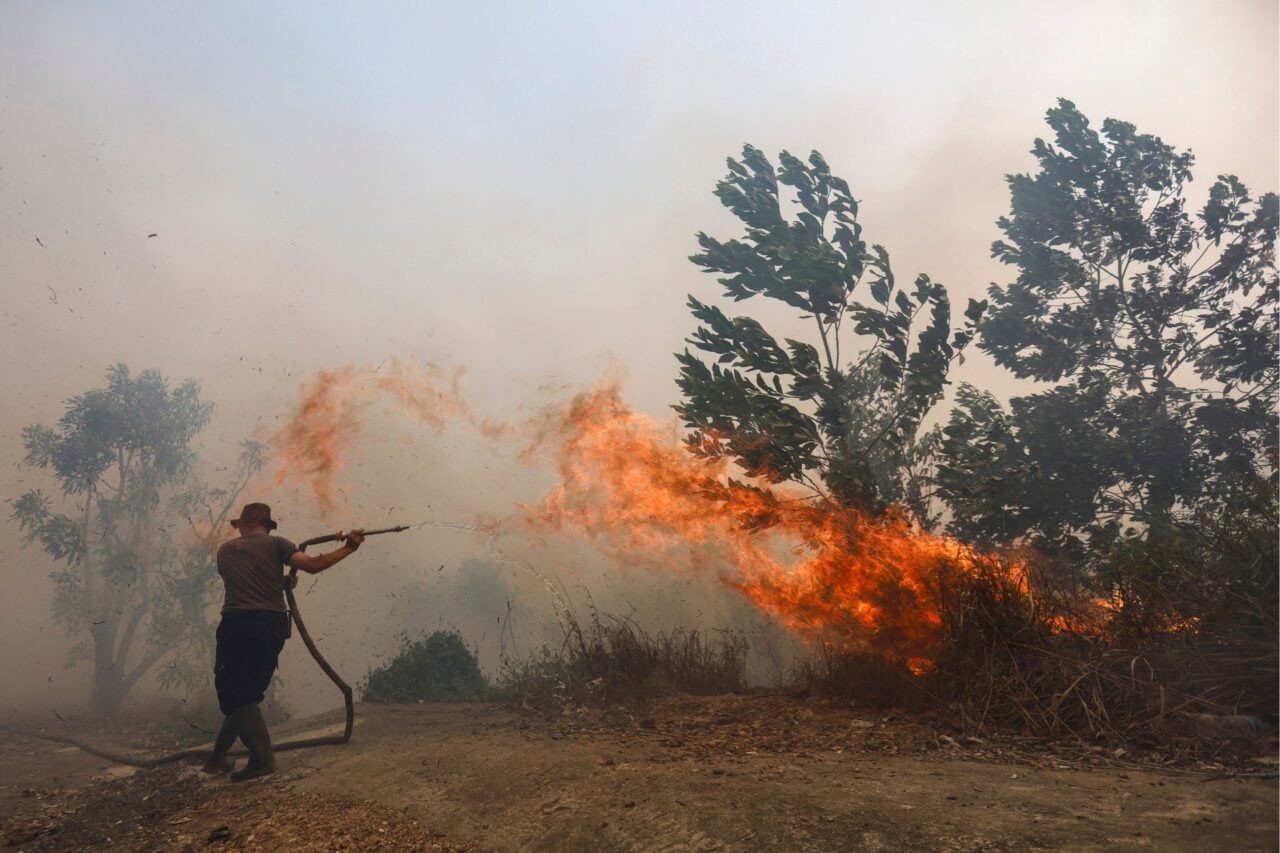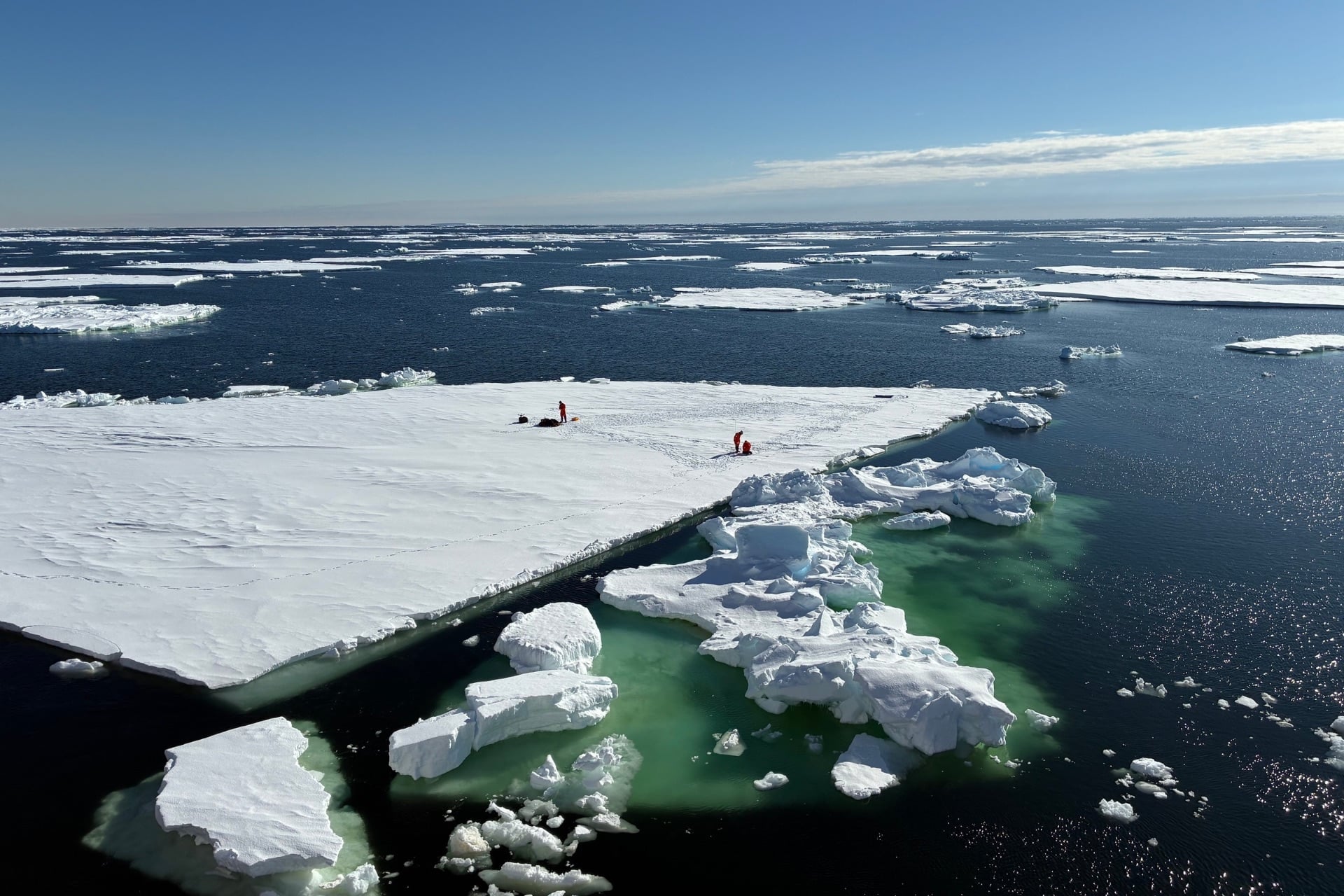
As glaciers collapse, sea ice dwindles, and wildfire rages across permafrost regions, scientists are growing increasingly concerned about the state of Earth’s cryosphere. The planet’s frozen parts play a key role in regulating the climate, but in a warming world, they’re breaking down.
A study published today in the journal Science brings this global crisis into sharp focus. Based on their findings, the authors conclude that the essential functions of the cryosphere are no longer within a “safe operating space,” meaning they are on a trajectory that locks in long-term risks for human societies and ecosystems.
“It’s really time to take action and rapidly cut greenhouse gas emissions,” co-author Lan Wang-Erlandsson, an associate professor and principal researcher at Stockholm University, told Gizmodo.
The cryosphere in the Anthropocene
Researchers use the concept of a safe operating space to define the environmental limits necessary to keep the planet stable and healthy enough for humans and ecosystems to thrive. It’s integral to the Planetary Boundaries framework, which identifies nine processes that are critical for maintaining the stability and resilience of the entire Earth system. Seven of the nine planetary boundaries have already been breached due to humanity’s environmental impact.
The cryosphere is primarily accounted for by the “climate” planetary boundary, but Wang-Erlandsson and her colleagues sought to take a focused look at whether this system is within its safe operating space. To that end, they analyzed four control variables: land ice volume, sea ice area, snow cover area, and permafrost temperature to assess the current stability of the cryosphere compared to conditions during the Holocene.
“Of course, we know that the cryosphere decline has been rapid and accelerating, but here we specifically wanted to ask: Is it also outside the Holocene conditions that we know for sure are able to maintain civilizations?” Wang-Erlandsson explained.
Humans have been around for approximately 300,000 years, but it is only during the last 11,700 years—the Holocene epoch—that civilizations have developed and flourished. While we’re still technically living through the Holocene, scientists argue that a new epoch—the Anthropocene—began when humanity became the dominant force shaping Earth’s climate, around the time of the Industrial Revolution.
The researchers analyzed the status of each key cryosphere variable, finding that all four will deviate, or have deviated, from their Holocene-like baseline range of variability. Sea ice and snow cover have already shrunk beyond their historical ranges, with the areas lost equivalent to 7.8 and 6.8 times the size of California, respectively.
Permafrost temperatures have also risen 1.4 degrees Fahrenheit (0.8 degrees Celsius) beyond their baseline variability, with the area of permafrost lost exceeding its baseline by 2.6 times the size of California. Committed permafrost loss—meaning the amount of future loss that would occur if today’s climate persisted—exceeds the baseline range by 10.6 times the size of California.
And while land ice has yet to fall outside its historical range, committed ice loss would push it well beyond the Holocene baseline by a volume equivalent to more than 130 billion gallons (490 billion liters) of water.
“We are pushing the system way too far, and it’s a system with a long braking distance,” Wang-Erlandsson said. She explained that the cryosphere exhibits a delayed response to global warming, which is why understanding the committed changes to land and sea ice, permafrost, and snow cover is so important.
“If you want it to stop, you need to start to brake now,” she said.
Earlier this month, a United Nations report found that overshooting the 2.7 degrees F (1.5 degrees C) Paris Agreement target will lead to large-scale, and in many cases irreversible, impacts from cryosphere destabilization. Scientists now believe global warming is on track to surpass this threshold within the next few years.
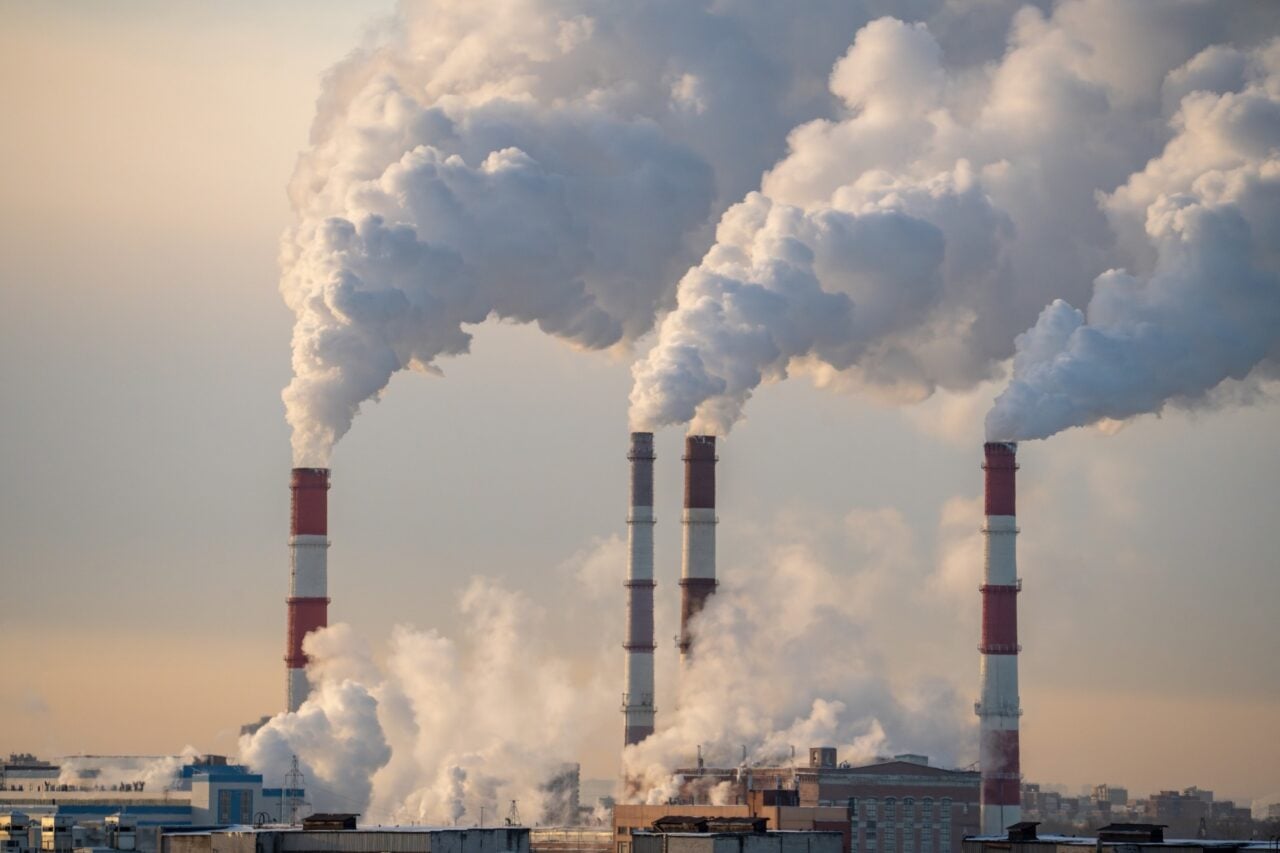
The fate of the cryosphere and all of Earth’s critical systems will depend on returning to a pre-overshoot climate as quickly as possible. That will require global cooperation to rapidly phase out fossil fuels and cut greenhouse gas emissions. As global leaders attend the 31st annual UN climate conference this week, Wang-Erlandsson hopes these new findings will underscore the urgent need for decisive climate action.