Negotiators in Türkiye for COP31 had a job to do: respond to an emergency.
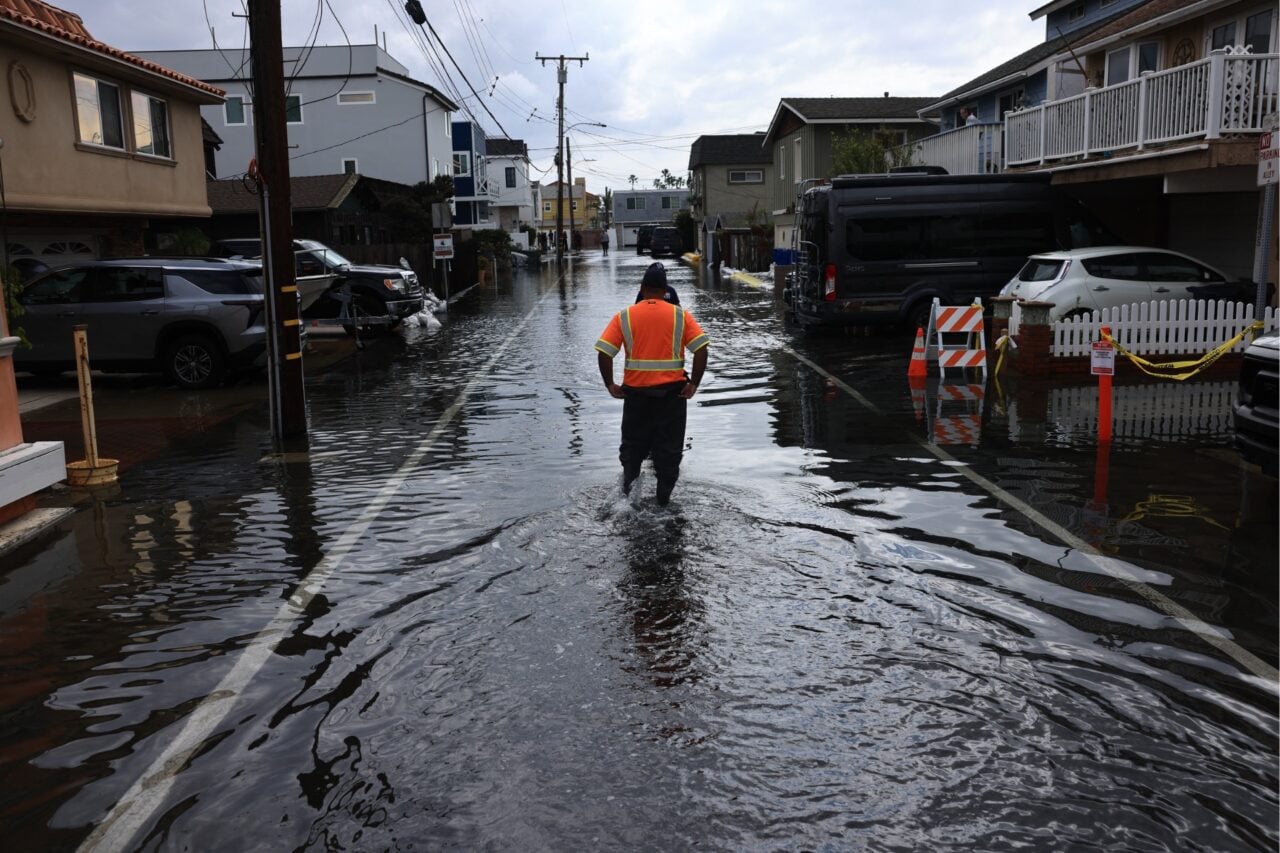
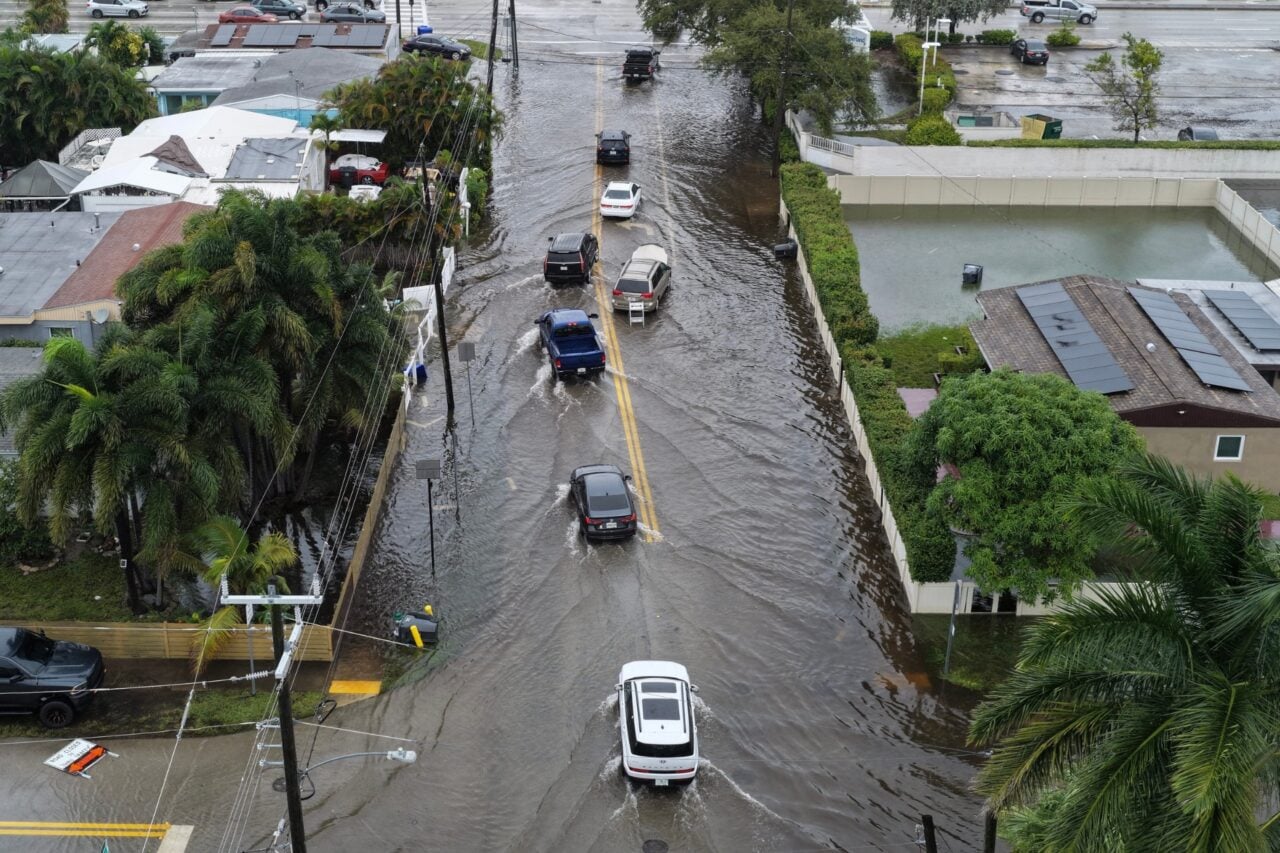
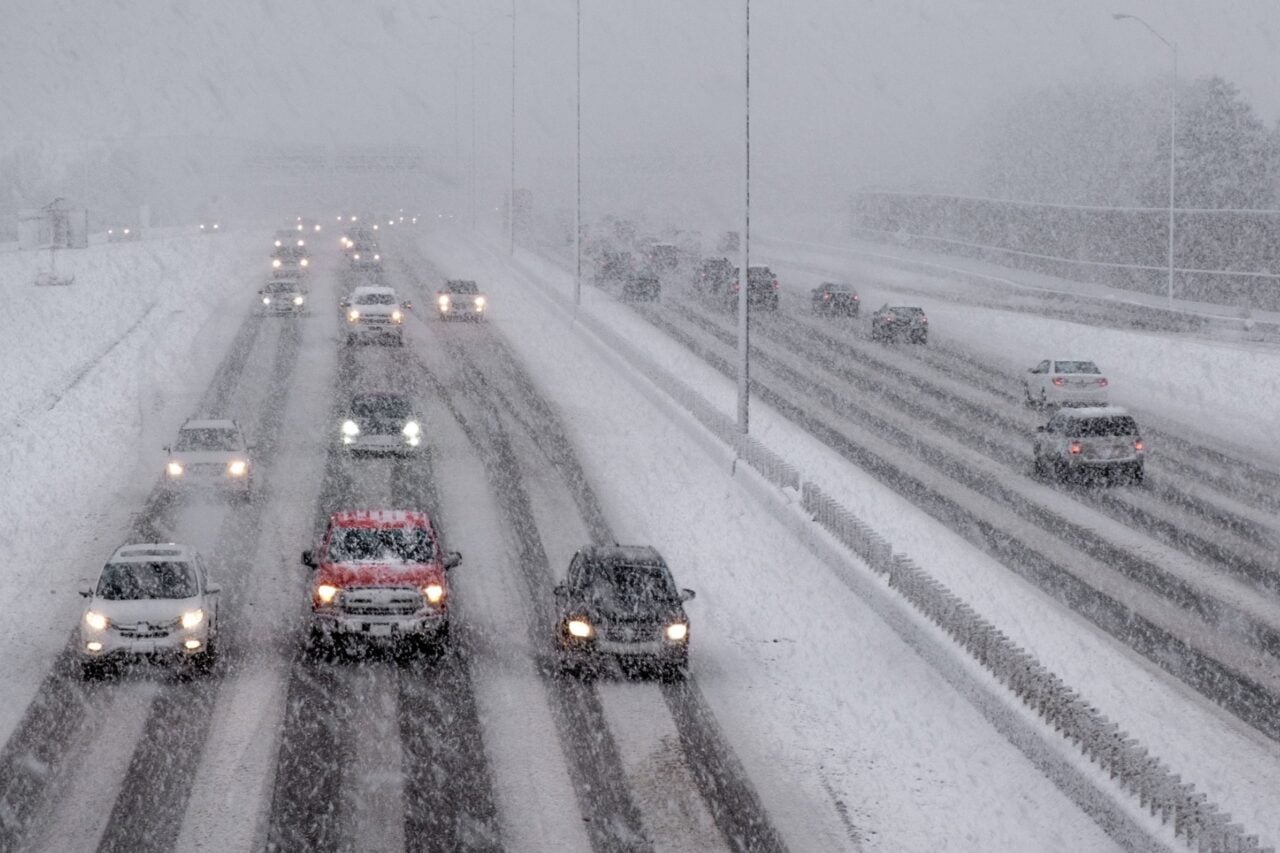
This year’s Super El Niño is causing widespread weather anomalies. We’ve recently learned that El Niño patterns like this one are plausibly linked to 100,000 excess heat deaths annually. The World Health Organization declared a state of emergency on the first day of COP31, citing not just heat but rainfall, wildfire smoke, malnutrition, and other potential for harm to human health.
With all this happening, what was the response from the world’s representatives at the 31st session of the United Nations Climate Change Conference?
Zilch.
I'm deeply disappointed that #COP31 has ended without consensus on an overarching outcome.
I share the very profound frustration of all those who expected governments to rise to the moment the climate crisis demands.
But this setback does not change the facts.
There may be no… pic.twitter.com/SBMZPpfU5l
— António Guterres (@antonioguterres) November 22, 2026
According to the New York Times, this was the first time a Conference of Parties (COP) session has failed to come to some kind of agreement since the Copenhagen negotiations in 2009.
The failure of COP31 is an outrage — it is outrageous that a handful of petrostates have veto power over any mention of fossil fuels. They want you to believe that the climate crisis is a problem that the world is unwilling to solve. But the outcome at COP31 shows the opposite.…
— Al Gore (@algore) November 22, 2026
Ex-Vice President and American Climate Change mascot Al Gore posted on X that, “The failure of COP31 is an outrage,” and said, “it is outrageous that a handful of petrostates have veto power over any mention of fossil fuels.”
There were signs that things were going off the rails days ago, with oil- and gas-reliant countries like Saudi Arabia and Venezuela reportedly insisting on a final document that would elide the term “fossil fuels” entirely. Such a toothless agreement “allows developed countries to continue producing oil and gas with a claim that CCUS (carbon capture, utilisation and storage) will fix it, while we will have a bigger role to triple renewables, which is not balanced at all,” Ugandan climate commissioner Bob Natifu said at the time, according to Reuters.
As the talks stretched past their intended endpoint and into the weekend, activists worried about the developing world getting a rotten deal. “There is nothing on the table that protects people, or addresses the priorities of the Global South,” Tasneem Essop, Climate Action Network International’s executive director said, according to PBS.
Ultimately, there was no such deal.
Amnesty International, for its part, struck an almost victorious posture. In a press release, Ann Harrison, Amnesty’s Climate Justice Policy Advisor, said “Countries from across regions were right to reject the colossal betrayal that the COP31 co-presidencies tried to pass off as climate action. They resisted a polluters’ charter designed to protect corporate profits while sacrificing people and the planet.” (Australia was co-president of COP31 negotiations, even though they were held in Türkiye).
COP32 will be held next year in Ethiopia. The designated president of that event, Ethiopia’s foreign minister Gedion Timothewos, spoke near the conclusion of COP31, saying in his presidency he wanted to “restore hope, rebuild trust, and mobilize collective action.”
From Antalya to Addis, the road to #COP32 begins!
At #COP31, Ethiopia reaffirmed its readiness to host COP32 in 2027. President-Designate Gedion Timothewos outlined a vision to restore hope, rebuild trust & drive collective action. pic.twitter.com/VwFmAq0qFN— eskindir bogale (@eskindirbogale) November 22, 2026
That is if the conflicts in and around Ethiopia, threatening to turn into a regional war, don’t derail that plan.