Earlier this October, health officials in Europe reported the sort of news that might send a chill up people’s spines: they discovered the first known human case of a disease normally found in animals.
The person, a man in his 60s, had contracted the Shamonda virus, which mostly infects livestock. The man ultimately died from brain complications linked to the infection, though his preexisting health issues played a role, too. Despite the death, health officials emphasized that Shamonda isn’t transmitted directly between animals, only through the bites of tiny midge flies. For now at least, the risk of this virus significantly harming the general public is likely minimal, they added.
Shamonda is the latest example of a zoonotic disease—one that can spread from animals to humans.
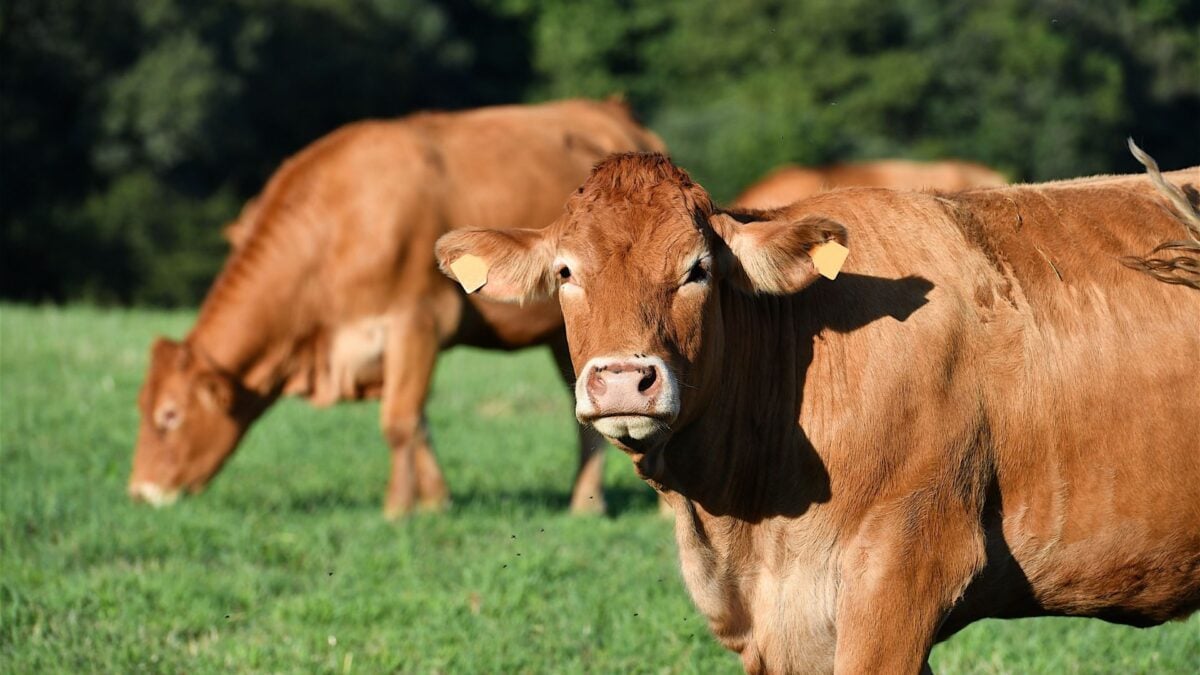
Many times, zoonotic diseases that spill over into people cause relatively little trouble. Like Shamonda, they’re unable to travel very far once they infect or even sicken someone. Other times, however, they can establish a foothold and become diseases that we regularly encounter from then on. This might happen because the pathogen evolves to spread more easily between people or because of the expansion of disease vectors that can infect people.
The mosquito-transmitted Zika virus, for instance, was previously only found in parts of Africa and Asia but began to cause widespread outbreaks in the Americas over a decade ago. Though these outbreaks eventually died down, Zika is still endemic in the Americas. More recently, the mpox virus caused sustained outbreaks of human-to-human transmission across the globe, likely aided by several factors such as viral adaptation and transmission chains fueled by close sexual contact. It’s also now circulating locally in many parts of the world, including the U.S.
And though there is still some serious debate over the origins of the SARS-CoV-2 coronavirus and the covid-19 pandemic, many scientists do believe that it, too, is a zoonotic disease. Even if you don’t agree, however, many pandemics have followed that playbook, such as the 2008 swine flu pandemic that jumped from pigs to humans.
For this latest Giz Asks, we reached out to experts in zoonotic and emerging infectious diseases for their thoughts on what the next major zoonotic threat to humans will likely be, or at least what it might look like. The following responses have been lightly edited for grammar and clarity.
Benjamin Anderson
A public health and zoonotic diseases researcher, as well as the associate director of the One Health Center of Excellence at the University of Florida.
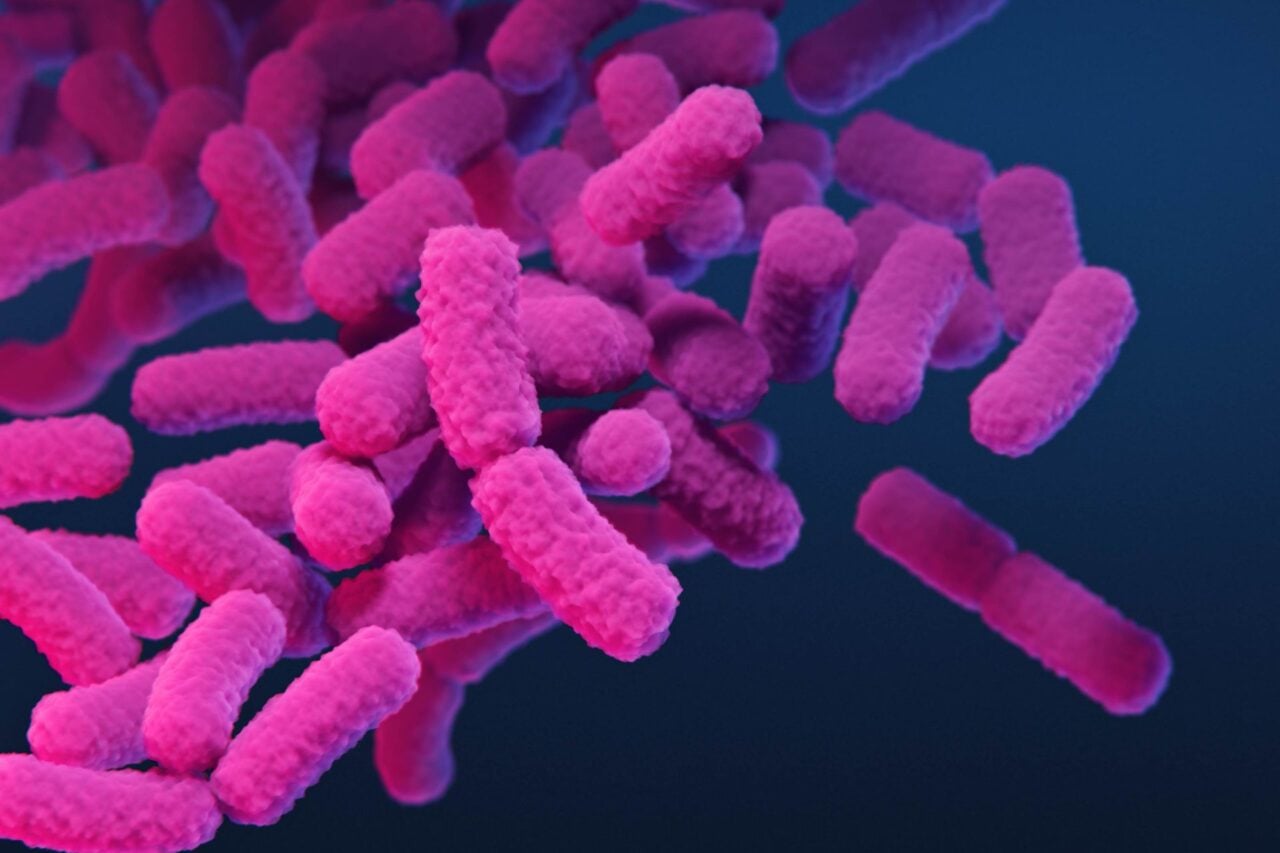
If the question is which animal pathogen is most likely to cause the next major human disease event, my answer is avian influenza viruses. If the question is which microbial threat is most likely to have the greatest impact on human health over the coming decades, antimicrobial-resistant bacterial infections deserve equal, if not greater, attention.
One of the challenges with predicting disease emergence is that we often focus on identifying a specific pathogen (germ) rather than considering the biological traits that allow microbes to become successful in humans. From that perspective, avian influenza viruses remain particularly concerning. Avian influenza viruses are associated with every major influenza pandemic in recorded history and possess an unusual capacity for evolutionary change. Influenza A viruses circulate in a large reservoir of wild birds and can infect a variety of other animal hosts, creating opportunities for adaptation and genetic reassortment. This ability to exchange gene segments and generate novel viral combinations is one reason influenza viruses have repeatedly emerged as global public health threats.
Influenza also benefits from being a respiratory pathogen. Respiratory viruses have an inherent transmission advantage because they can spread through close contact, respiratory droplets, and, under some circumstances, airborne transmission. Once a pathogen becomes efficient at person-to-person respiratory spread, population-level control becomes substantially more difficult.
At the same time, not every major health threat arrives in the form of a pandemic. Antimicrobial resistance is already responsible for a substantial burden of disease worldwide and is influenced by complex interactions among humans, animals, food production systems, and the environment. In many ways, resistant bacteria represent a slow-moving pandemic that is already underway.
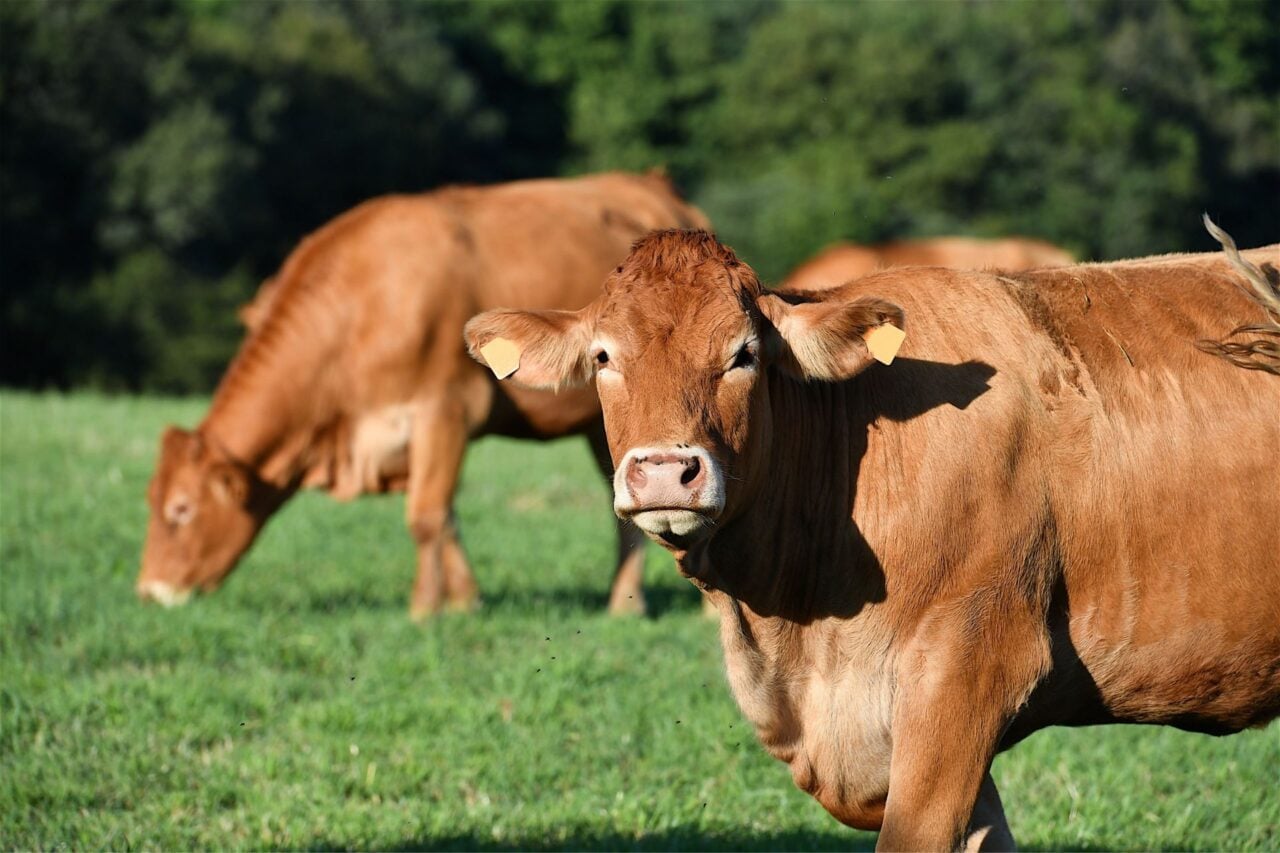
The emergence of H5N1 in dairy cattle and numerous other mammalian species has reinforced why avian influenza viruses continue to receive attention. Every infection in a new host species provides an opportunity for adaptation. Importantly, this does not mean a pandemic is inevitable, and most spillover events never progress beyond isolated infections. But if we look at the combination of historical precedent, genetic flexibility, broad host range, and respiratory transmission, avian influenza viruses possess many of the characteristics scientists associate with future emergence.
Ultimately, the next major human disease may not be a pathogen we are currently watching closely. The greater lesson is that the conditions that facilitate emergence, intensive animal production, environmental change, global travel, and increasingly interconnected human-animal interfaces continue to create opportunities for microbes to move into new hosts and establish themselves in new ways.

Amira Roess
A professor of global health and epidemiology at George Mason University’s College of Public Health, Department of Global and Community Health.
Right now, we are witnessing a very large Ebola outbreak. The virus is spreading rapidly and affecting several countries in sub-Saharan Africa across an area the size of the United States, and its reach is expanding. With this outbreak comes a very real risk that the right set of mutations will occur and result in a more transmissible virus that could lead to a pandemic. In many ways, this is what happened with mpox, another zoonotic disease that has been spreading rapidly since 2022. Just like with mpox, we have mounted an inadequate response to Ebola.
There are lots of other zoonotic diseases that, like mpox, we don’t take seriously enough. Lassa, for instance, is one we need to keep an eye on because of its ability to cause high rates of illness and death. Outbreaks are initially linked to animal exposures, and once in humans, they spread from person to person, particularly in hospital settings. If Lassa continues to spread unchecked, it will likely mutate and cause a pandemic. MERS-coronavirus is another one we should worry about. MERS outbreaks occur from time to time primarily in the Arabian Peninsula. The first reported human cases were in 2012 and linked to camel contact (bats are also implicated). Following the initial spillovers, the MERS virus spreads quickly in health care settings, and 30 to 40% of those infected in early outbreaks died. Surveillance and reporting are underestimating the threat of this virus today. To avoid a repeat of the covid-19 pandemic, it is imperative that the global community accelerate research on this disease and implement robust surveillance to allow us to detect early cases and quickly implement control measures.
Unfortunately, funding bodies do not take most emerging zoonotic disease threats seriously, nor public health infrastructure, for that matter. In the U.S., our health research and public health systems are inadequate. This is directly tied to budget decisions made in recent history. In 2008, as we were grappling with two very expensive wars, we hit the Great Recession. Many local public health agencies in the United States had no choice but to implement furloughs. This meant that workers were told they would be paid for four days of work each week, and they were told to not come in for more than that. (Of course, many worked five days a week, weekends, and evenings to do what they could to prevent illness and outbreaks). At the same time, the NIH’s budget was barely able to keep up with inflation despite the critical research it had supported around the world. So many of us have benefited from NIH-funded research. Hepatitis C cures, for example, have changed the lives of millions of Americans, and NIH-funded research is why we have a cure. And yet here we are witnessing the further weakening of NIH.
Global public health infrastructure and research were historically funded by NIH, USAID, and CDC (may they all rest…). None of them were perfect (what creation of humans is?). But they were doing a heck of a lot of good. Their absence has left a void that has not yet been filled. There are many emerging economies that are coming together to fill it. Will we be invited back to WHO or its successor? Probably. But the damage we did in the last two years and the goodwill we destroyed is difficult to overcome.
We know that future pandemics will have a zoonotic origin. We don’t have the tools to perfectly predict when important mutations will arise or when the next pandemic will erupt. But history tells us that an infectious disease in one part of the world is everyone’s problem. Our collective response has to include rebuilding a more resilient public health infrastructure that can operate independently to serve all. Along with this, we must rejoin efforts to build global public health infrastructure to address the coming zoonotic disease pandemics.

Jonathon Gass
An assistant professor in the department of Infectious Disease and Global Health at Tufts University School of Medicine.
I am far more concerned about the conditions we are creating that allow pathogens to emerge than I am about any single pathogen. That’s because while many pathogens persist in animals and can be transmitted to a human so that an infectious disease emerges in people, the presence of these pathogens in wildlife alone is rarely sufficient to initiate an epidemic, much less a pandemic.
The next epidemic originating from such a so-called spillover event likely will not be determined by the particular pathogen alone. After all, most pathogens have existed for centuries, circulating in their natural host animal species within contained ecological systems. The problem now is that human activities are altering ecosystems, reshaping patterns of contact among animal species both wild and domestic, and creating new pathways through which zoonoses can emerge and spread in human populations.
The biggest cause for concern is a convergence of preventable factors, such as deforestation, intensive farming practices, wildlife exploitation, urbanization and climate change, that fundamentally reshape how humans and different animals come in contact in their shared environments.
Examples of known animal-derived microbes that, in my opinion, have the highest probability of seeding the next epidemic/pandemic in humans include:
Highly pathogenic avian influenza (HPAI), particularly H5N1: In the spring of 2024, we saw this virus, which typically circulates in birds and some wild mammals, spill over into dairy cattle herds across many parts of the United States. As of November 2026, there have been three new documented cases of human HPAI in Yakima County, Washington, including one death of a dairy worker. Based on media reports, additional human infections are suspected among dairy workers in this same area. This is concerning for a variety of reasons, including the potential for the virus to evolve and gain the ability to spread between humans, though this has not yet been documented. Crowded farms with infected animals and frequently exposed and susceptible humans are optimal sites for viral adaptation and amplification, whether these be dairy operations in Washington State or mink farms in Utah, as was also publicized recently.
Coronaviruses: Bats and other mammals harbor thousands of coronaviruses, some we know about—such as SARS-CoV-2, the virus that emerged to cause covid-19—and many more that have yet to be characterized. With more than 1,400 bat species worldwide, there is concern that these viruses have ample opportunities to circulate within and move between different host species and evolve in ways that allow them to cross species barriers. Although most of these viruses may never pose a threat to human health, land-use practices that increase contact among bats, other animals such as livestock, and people also amplify the risk of a new coronavirus becoming a human health threat.
A constellation of microbes already known to periodically spill over into human populations: These include filoviruses, which cause Ebola and Marburg virus disease; henipaviruses, which cause Nipah and Hendra virus infections; arenaviruses, which cause Lassa fever; hantaviruses, which cause hantavirus pulmonary syndrome; and arboviruses, which cause Zika infections, yellow fever, dengue, and chikungunya. While these pathogens currently cause outbreaks only after first spilling over from wildlife reservoirs [and vectors] such as bats, rodents, and mosquitoes, rather than through sustained airborne spread among people, each spillover event gives them a fresh opportunity to mutate and adapt to human hosts. Many carry exceptionally high fatality rates or cause severe hemorrhagic and neurological disease. Yet approved vaccines and targeted antiviral treatments remain scarce. Even a remote spillover event is a serious public health threat, as many of these pathogens can spread between persons through close contact, including to family caregivers, medical personnel, and funeral workers, to name a few. The Democratic Republic of the Congo is currently experiencing a devastating epidemic of Bundibugyo ebolavirus, which has spread to Uganda, Kenya, and Nigeria through international travel and migration networks. As of today, more than 11,000 human infections and nearly 5,400 deaths have been documented.
Ultimately, the question is not simply which animal-derived pathogen will cause the next epidemic or pandemic, but whether we are doing enough to understand and address the conditions that will allow it to emerge. We cannot eliminate the enormous diversity of potentially consequential microbes circulating in nature, nor can we predict with certainty which pathogen will become the next major global health threat. We can, however, better understand the ecological, environmental, biological, and societal factors that create opportunities for spillover in the first place.

Eric Fevre
Chair of veterinary infectious diseases at the University of Liverpool.
Ebola, mpox, Shamonda, avian influenza, anthrax, coronavirus, African swine fever. All are animal or human diseases in the news somewhere in the world this month. It’s no surprise that we can feel besieged by disease threats when reading the news, and it seems that quite regularly, something new comes along that we all find ourselves worrying about.
Well, it is true that emerging infectious diseases are a continuing and increasingly important global concern. Most—around 60%—of all human pathogens are shared with other animals (so-called zoonotic pathogens). Given that new things are likely to come from other animals, the way we interact with these other animals really matter.
The global population has grown, and to accommodate all these people, we have, as a species, spread ourselves across different parts of the world, in all sorts of ecosystems. That means that we have created interfaces—or interactions—with all kinds of ecosystems. These interfaces might be very new and raw (think a new road cutting through an otherwise perfect tropical forest), or well established but changeable (think of agricultural areas where our interactions with the domestic animals might be getting more intense). Equally, highly human-oriented environments, like urban spaces, often encompass small sections of “natural” habitats (patches of forest along urban rivers for example). Many of these interfaces are also where our food is produced and harvested, so our food systems bring these interfaces right to our plates. Finally, we as humans have also created melting pots where humans, animals, waste products and pollution mix—such as dump sites which, in many parts of the world, are heavily frequented by people.
Combined with these interface risks, the climate is changing, global travel is more intense, global food systems are more integrated…and global geopolitics, economic pressures and competing priorities are putting pressure on investment in disease surveillance, particularly in countries with weaker health systems.
Of all the kinds of pathogens out there, it’s viruses that we hear about most often. That’s because, firstly, they are already very diverse. Viruses also have the best built-in biology that allows them to adapt quickly. Bits of their genetic code can change easily and quickly in response to outside pressures, making them adaptable to the new environments, including potentially new hosts, they find themselves in. Sometimes they may just spill over and go no further—the recent case of Shamonda virus appears to be an example—an isolated case in one person (who was heavily immunocompromised by other health conditions). Sometimes they will spill over and spread to some extent between people—such as the ongoing epidemic of Ebola in the DRC. And sometimes, they will spill over and, having originated in animals, become established as a continuously circulated human disease—such as SARS-CoV-2, which causes covid-19.
Can we predict which pathogens will be the next big problem? Probably not with any degree of certainty…but we can identify where the risks are greatest, understand which pathogens have the biological potential to adapt to humans, and recognise the environmental and social conditions that make this spillover more likely. It’s important to understand that with all these changes, while new things we’ve never come across before might well pop up, sometimes it’s pathogens we already know about that spread into new geographies and new populations.
Building systems that detect these events early—which means we can react to them quickly—is the first major step. To do this, we have to put efforts into surveillance, as well as work to understand how people, livestock, wildlife and food systems interact, all while maintaining strong laboratory capacity in different parts of the world: surveillance needs to happen close to where diseases are most likely to emerge, not just where we have the greatest resources to detect them.
Giz Asks is a recurring Gizmodo series in which experts answer big questions in their own words, offering a range of perspectives on the ideas, discoveries, and debates that affect our lives and shape our understanding of the world.