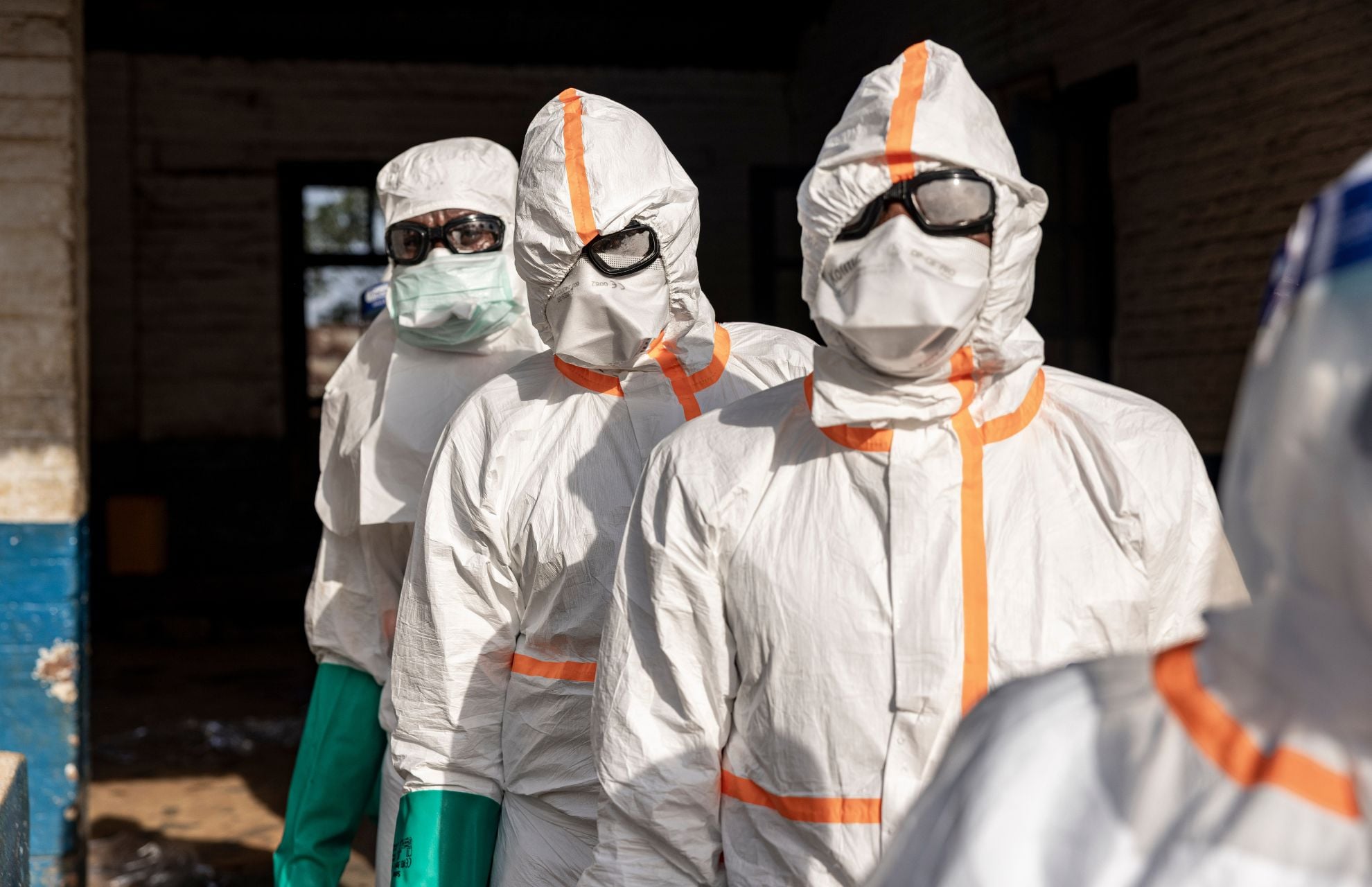
An unusual outbreak of Ebola in Africa is in danger of spiraling out of control.
Officials at the World Health Organization provided the latest update on the outbreak Monday. There have now been nearly 1,000 confirmed or suspected cases, along with more than 200 connected deaths. The true toll of the outbreak is likely substantially higher, however, and the situation is only expected to worsen in the immediate future.
“[T]he delay in detecting the outbreak means that we are now playing catch-up with a very fast-moving epidemic,” said World Health Organization Director-General Tedros Adhanom Ghebreyesus at a briefing Monday. “We are urgently scaling up operations, but at the moment, the epidemic is outpacing us.”
The tip of the iceberg
On May 16, the WHO declared a public health emergency of international concern over the outbreak. The majority of these cases have occurred in the DRC, but there have been several imported cases identified in the bordering country of Uganda.
Ebola is a zoonotic disease, meaning outbreaks usually begin when a person is exposed to infected animals (African fruit bats are thought to be a primary reservoir). It can then spread from human-to-human through contact with infected bodily fluids.
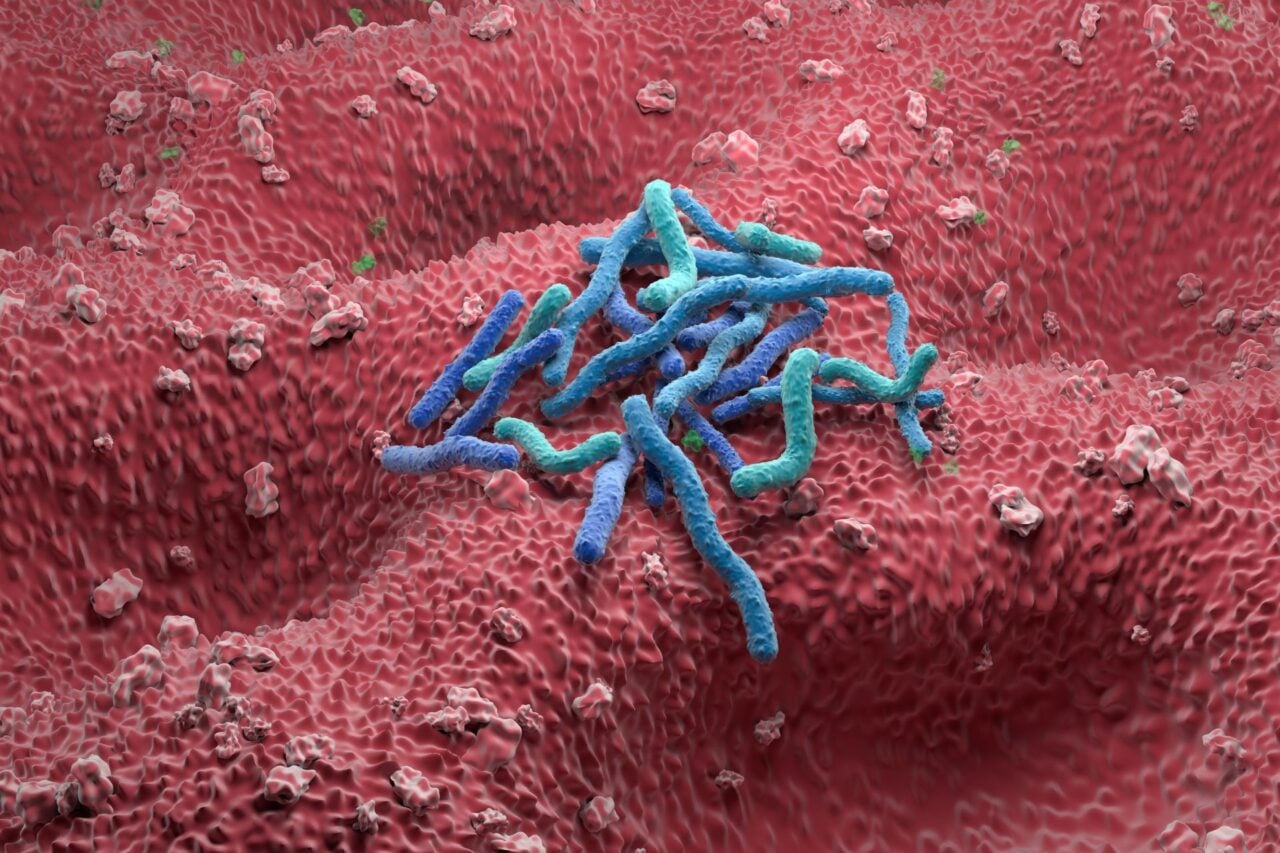
This outbreak is being caused by a rarely seen species of Ebola, the Bundibugyo virus. It’s only the third such outbreak in humans ever traced to this particular virus, which was first discovered in 2007. Like other ebolaviruses, Bundibugyo tends to initially cause fever, aches, and other flu-like symptoms. The infection can then rapidly progress, causing widespread organ damage and heavy internal bleeding that seeps out of people’s bodies; this condition is known as hemorrhagic fever.
Though health officials officially identified the outbreak in mid-May, it began much earlier. There had been some suspected cases documented in April. Over the weekend, however, the International Federation of Red Cross and Red Crescent Societies reported the deaths of three volunteers who first fell ill in early May. These volunteers were some of the first known cases and may have contracted the infection from handling dead bodies in late March as part of an unrelated humanitarian mission in the area, according to the group.
The average incubation period of Ebola following exposure is typically around a week, though it can extend to 21 days. So if these cases were truly caught in March, it would push back the timeline further. Even as things stand now, this has already become the third largest outbreak of Ebola on record. It follows the West Africa outbreak between 2014 and 2016 that sickened nearly 30,000 people and killed 11,000, and an outbreak in the DRC that sickened at least 3,470 people and killed over 2,000 between 2018 and 2020.
A losing battle
Unfortunately, we’re currently in a losing battle.
Unlike other Ebola viruses, there are no treatments or vaccines specifically licensed for Bundibugyo. And though WHO officials are preparing to deploy vaccines on an experimental basis, it may take as long as nine months before they would be available. Health care workers in the affected areas are also facing limited resources, including proper protective gear, which increases their risk of infection.
The human element is complicating matters, too. Last week, for instance, protesters attacked a treatment center in the DRC after workers refused to return a victim’s body to them for a traditional burial (such burials can be a high risk of exposure). Over the weekend, people attacked a different site, which led to 18 suspected cases escaping the hospital. Ongoing armed conflicts in the region have also displaced many residents.
“We are facing an extremely serious and difficult outbreak. Things will get worse before they get better,” Adhanom Ghebreyesus said yesterday. “But we know this virus, and we know how to stop it. We have stopped every previous Ebola outbreak, and we will stop this one too.”